What a Mining Conveyor Idler Does
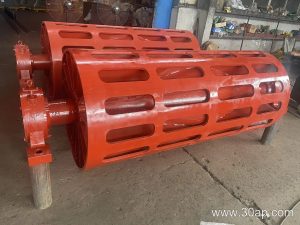
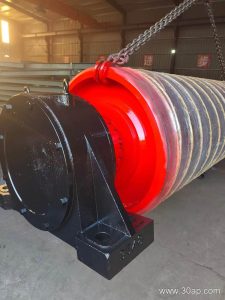
A mining conveyor idler is the rotating component that supports the conveyor belt along its carrying and return runs. In hard-rock mines, coal preparation plants, cement quarries, and power station coal yards, these idlers keep the belt aligned, reduce friction, and protect the belt from premature wear. The idler roller is distinct from the conveyor pulley, which drives or redirects the belt. Drive pulleys, tail pulleys, and bend pulleys serve different functions and are not interchangeable with idlers.
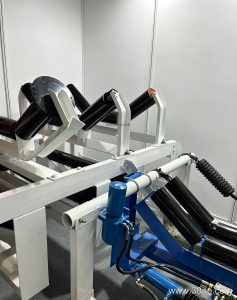
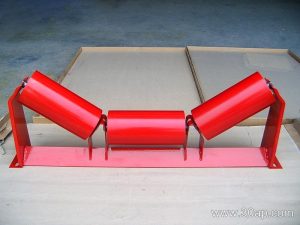
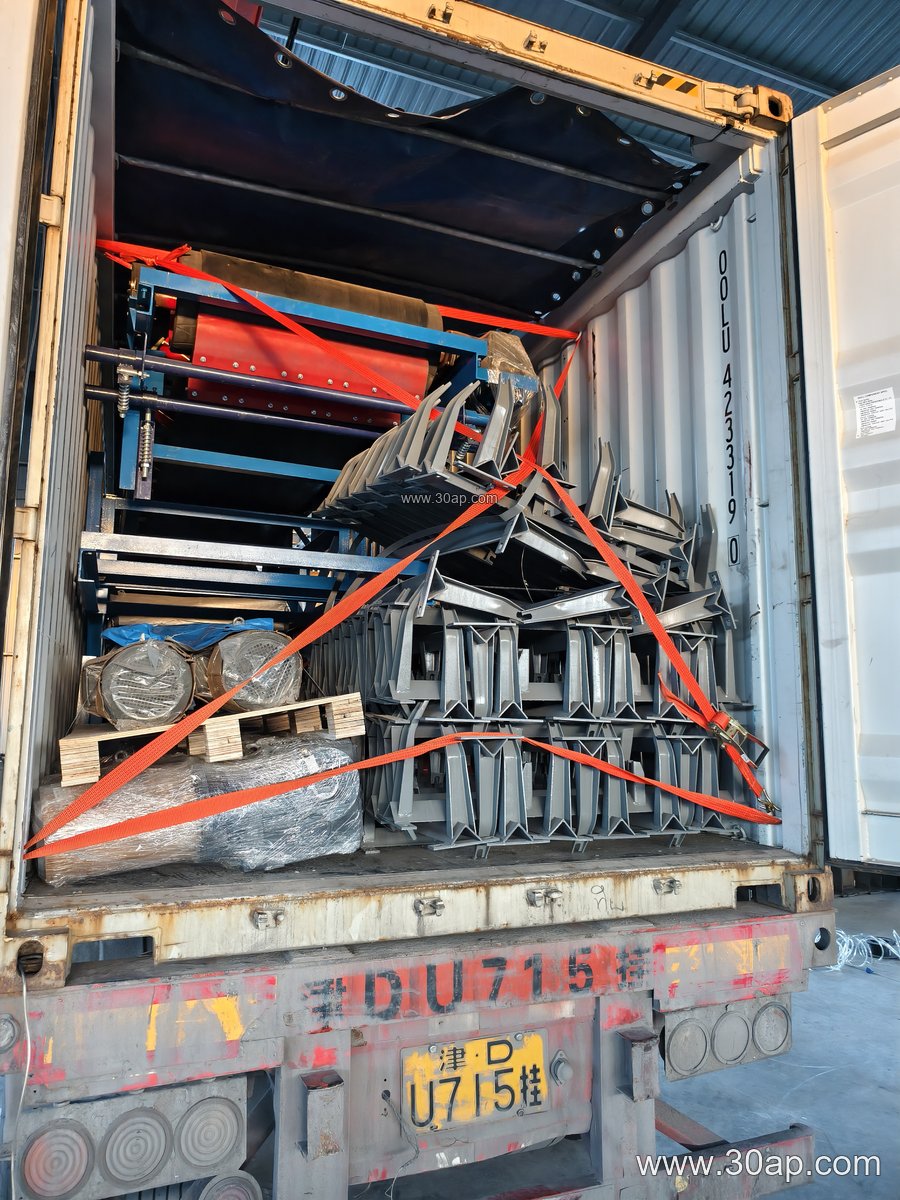
Idlers are mounted in frames or brackets fixed to the conveyor structure. The conveyor bracket holds the idler assembly at the correct angle and spacing. A typical troughing idler set uses three rolls to form a trough that keeps bulk material centered on the conveyor belt.
Construction and Common Types
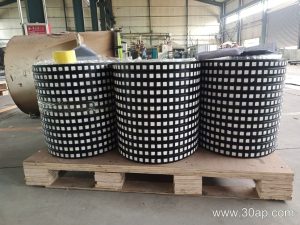
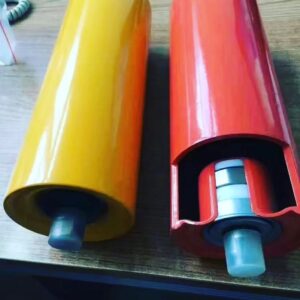
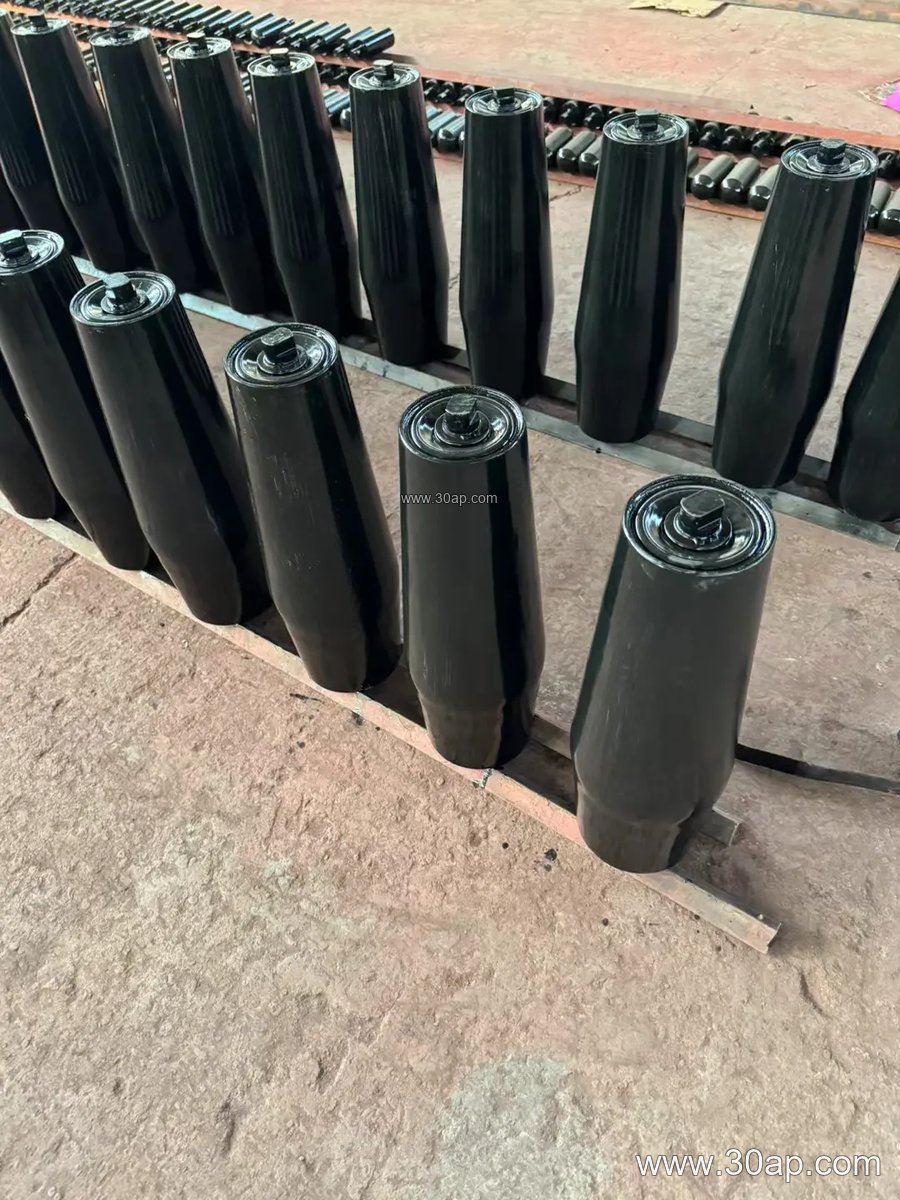
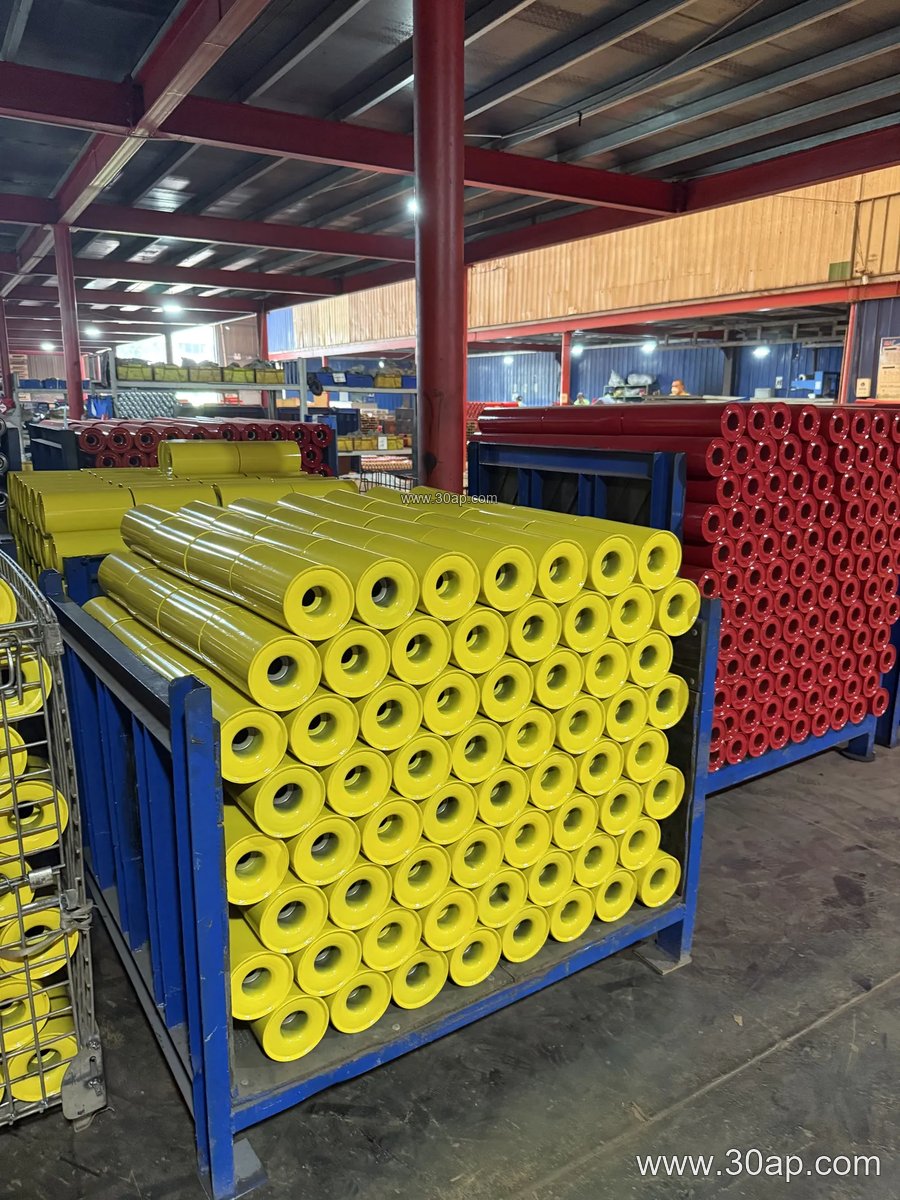
Most mining conveyor idlers use a steel tube shell, sealed bearings, and a shaft. The shell may be plain steel, nylon-coated, ceramic-covered, or fitted with rubber rings for impact absorption. Bearing sizes such as 6204, 6205, 6305, 6306, 6308, and 6310 are common, but the bearing must be matched to the load and speed by the designer, not chosen by roll diameter alone.
Common idler types include:
- Troughing idlers (single-roll, two-roll, or three-roll)
- Impact idlers and rubber-ring impact idlers for load points
- Return idlers, including flat and V-return designs
- Self-aligning idlers (friction and tapered types)
- Spiral idlers and comb idlers for sticky material
Transition idlers are used where the belt changes from flat to troughed. Trough angle is commonly 20, 30, 35, or 45 degrees. Forward tilt of about 1.5 to 2 degrees is sometimes used on self-aligning idlers to help center the belt.
Where Mining Conveyor Idlers Are Used
In a limestone quarry or iron ore mine, troughing idlers carry heavy, abrasive rock. Impact idlers are placed under the loading chute to cushion the conveyor belt. In a coal washing plant, spiral or comb idlers may help with wet, sticky fines. In a cement plant or power plant coal handling system, return idlers support the empty belt and reduce sag. The same idler roller design may appear across these sites, but the duty—abrasion, impact, moisture, and temperature—varies.
Sizing Notes for Buyers
Roll diameter and belt width are related but not fixed. Common roll diameters include Ø63, Ø76, Ø89, Ø102, Ø108, Ø127, Ø133, Ø159, Ø178, Ø194, and Ø219 mm. Belt widths range from B400 to B2400. The roll length of a three-roll troughing set changes with belt width, trough angle, and frame design. For example, a three-roll set may use a center roll of about 200 mm on B500, 250 mm on B650, 315 mm on B800, 380 mm on B1000, 465 mm on B1200, 530 mm on B1400, 600 mm on B1600, 670 mm on B1800, or 750 mm on B2000. These are common examples, not fixed rules; side rolls and center rolls can differ.
| Parameter | Common Range or Example |
|---|---|
| Roll diameter | Ø63 to Ø219 mm |
| Belt width | B400 to B2400 |
| Trough angle | 20°, 30°, 35°, 45° |
| Bearing | 6204, 6205, 6305, 6306, 6308, 6310 |
| Roll surface | Steel, nylon, ceramic, rubber ring |
Do not assume that one belt width can only match one pulley diameter or one shaft diameter. The conveyor designer sets shaft size from load, span, and speed.
Selection and Maintenance Tips
Choose the idler type by location: impact idlers at transfer points, troughing idlers on the carrying run, and return idlers on the empty side. Check that the conveyor bracket and frame match the idler set. Keep seals clean and dry; contaminated grease is a common cause of bearing failure. Replace worn rolls before the shell damages the conveyor belt. For sticky materials, consider spiral or comb idlers rather than standard steel rolls. Always confirm dimensions and bearing fit against the actual conveyor drawing.