What a Coal Mining Conveyor Belt Does
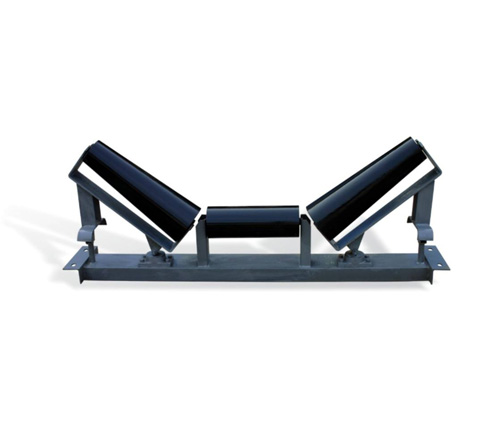
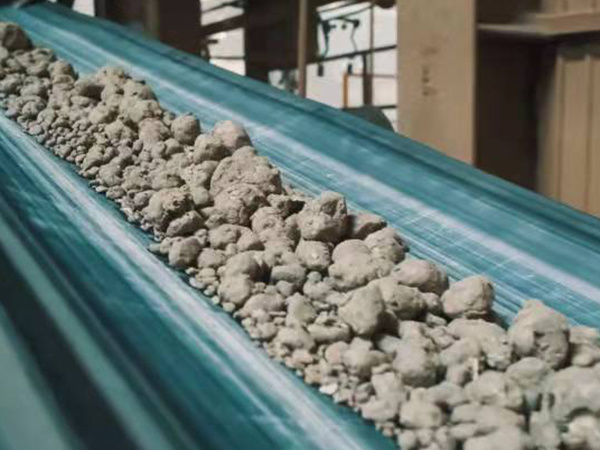
A coal mining conveyor belt is the load-carrying element of a continuous haulage system that moves raw coal from the face, stockpile or transfer point to preparation plants, load-out stations or power station bunkers. In a coal mine, the conveyor belt runs over idler rollers, wraps around a head or drive pulley, returns through a tail pulley and bend pulleys, and is supported by a steel frame and conveyor brackets. The belt itself is not a simple rubber strip. It combines a tension-bearing carcass with rubber covers that protect the carcass from impact, abrasion and moisture.
The same product is often called a coal conveyor belt or a mine conveyor belt. These are equivalent names for the same article, not different product families.
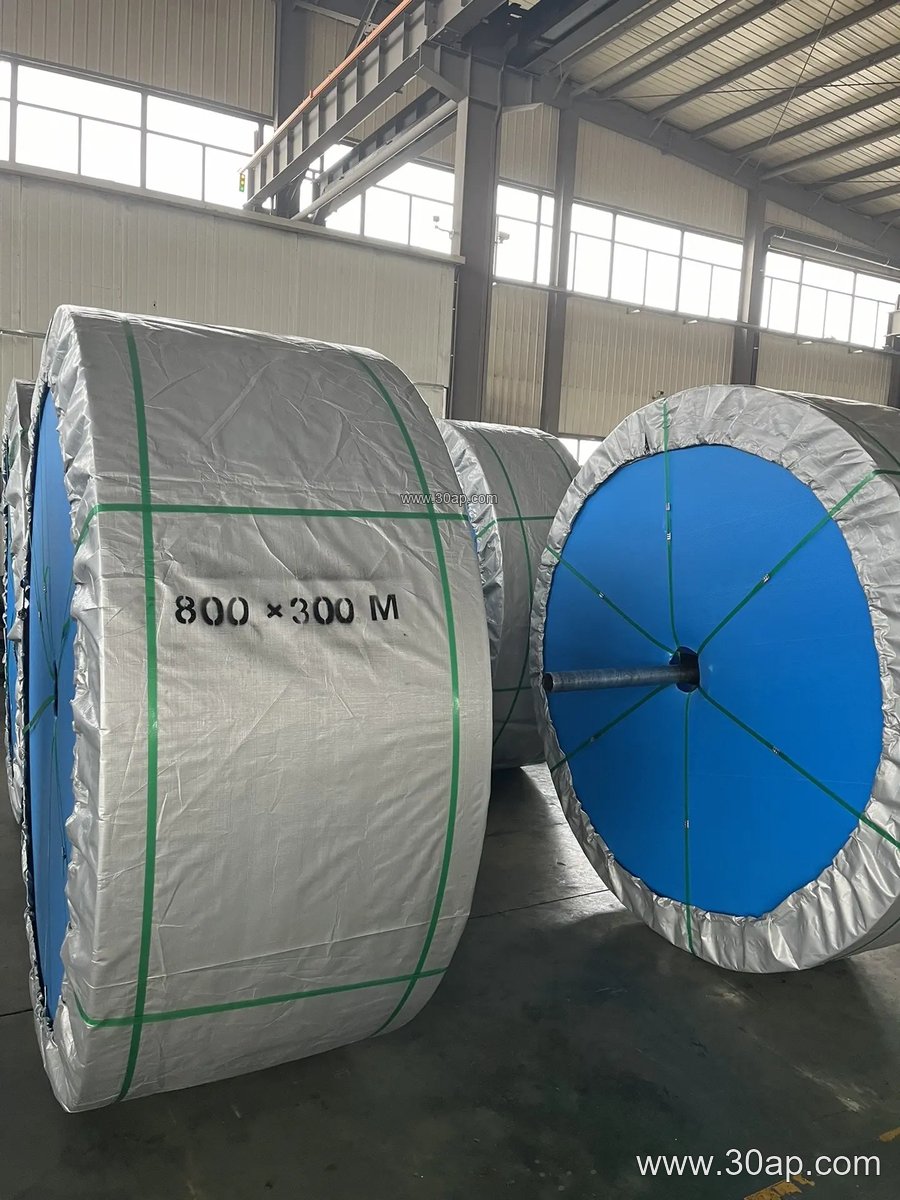
Construction and Common Configurations
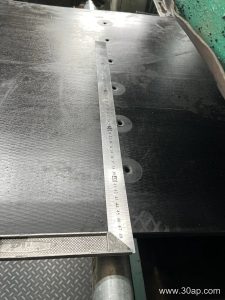
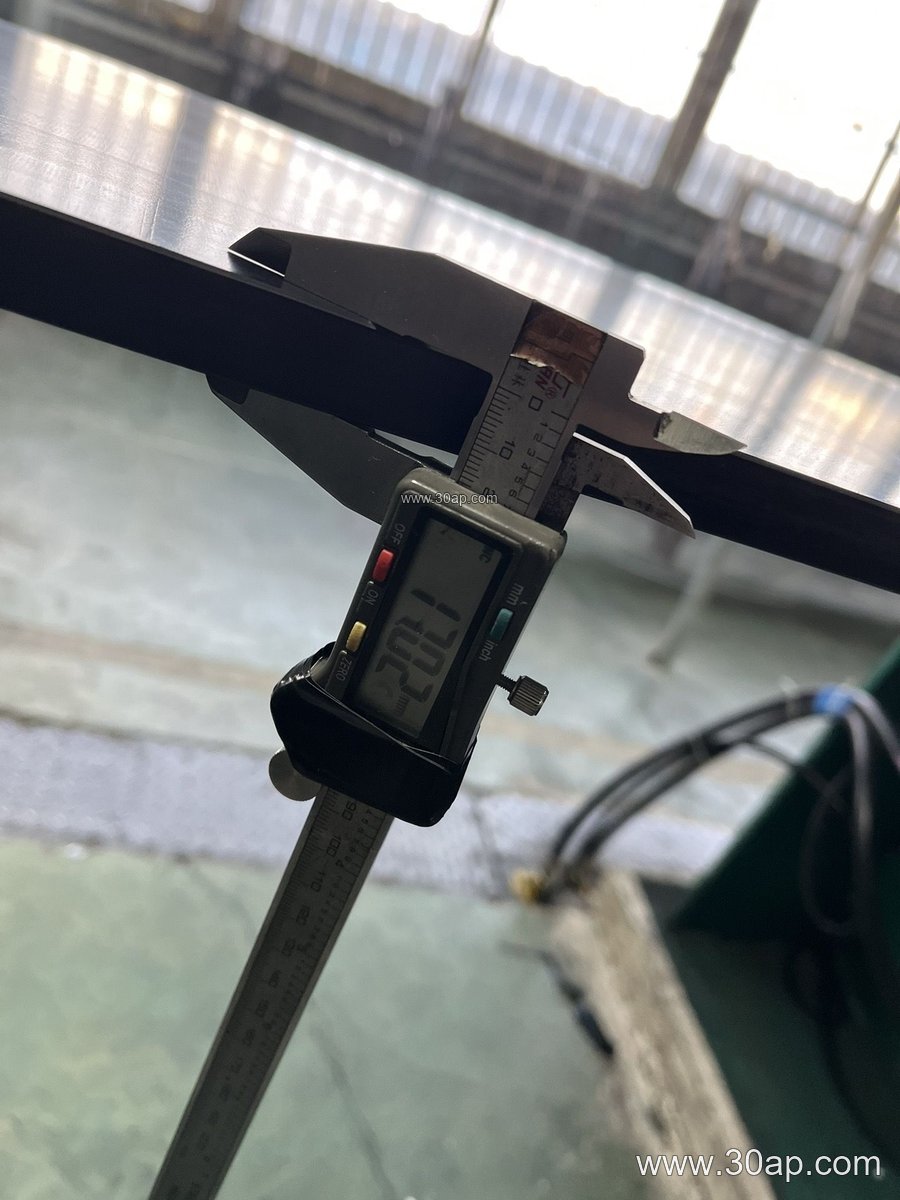
Most coal mining conveyor belts use a fabric carcass or a steel cord carcass. Fabric belts are built from EP (polyester-cotton) or NN (nylon-nylon) plies, usually 2 to 6 layers. Steel cord belts are used for longer runs and higher tension. Cover rubber is specified in gauges such as 3+1.5, 4+2, 5+2, 6+2 and 8+3 mm, where the first figure is the top cover and the second is the bottom cover.
Fire resistance and antistatic behaviour matter underground. PVC and PVG belts are common in coal mine roadways and gate roads, while EP and steel cord belts serve surface haulage, preparation plants, cement works, power plants and sand and gravel yards. The table below shows reference ranges only; final values depend on the conveyor design.
| Parameter | Common reference values |
|---|---|
| Belt type | EP, NN, steel cord, PVC, PVG; flame-retardant, antistatic, wear-resistant, heat-resistant, oil-resistant, cold-resistant, acid and alkali resistant |
| Tensile strength | EP200, EP315, EP400, EP500, EP630, EP800, EP1000, EP1250, EP1600, EP2000 |
| Belt width | B500, B650, B800, B1000, B1200, B1400, B1600, B1800, B2000 |
| Cover thickness | 3+1.5, 4+2, 5+2, 6+2, 8+3 mm |
| Carcass plies | 2 to 6 layers, depending on belt class |
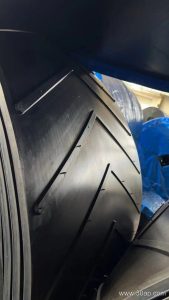
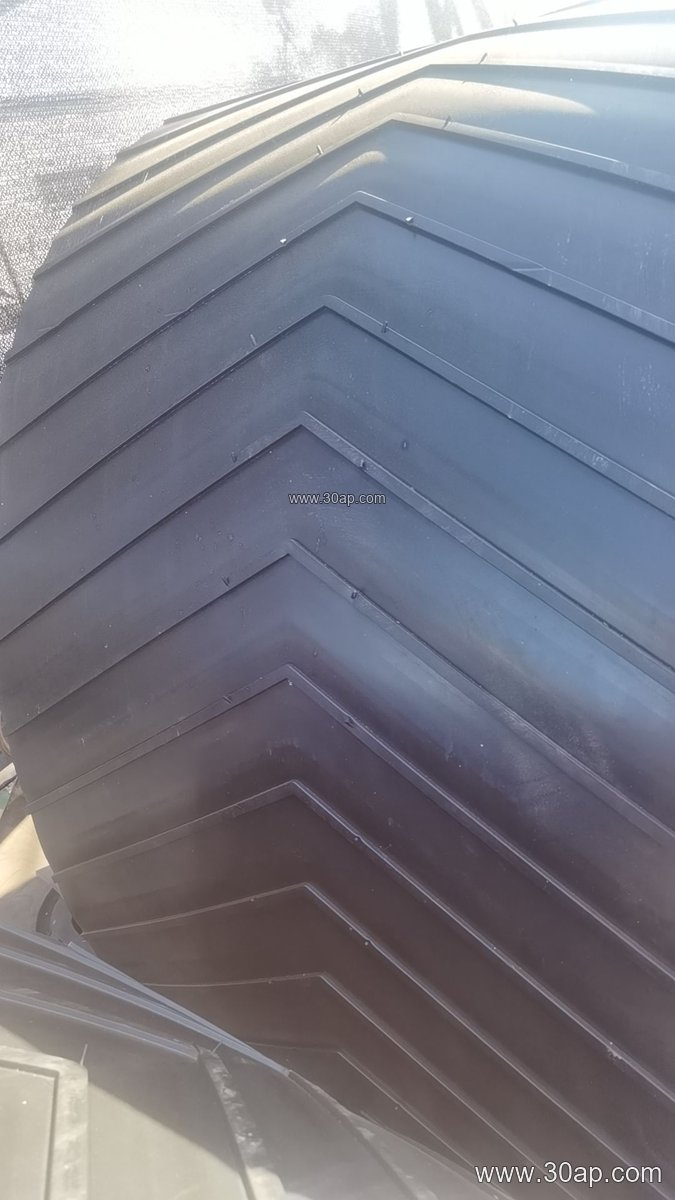
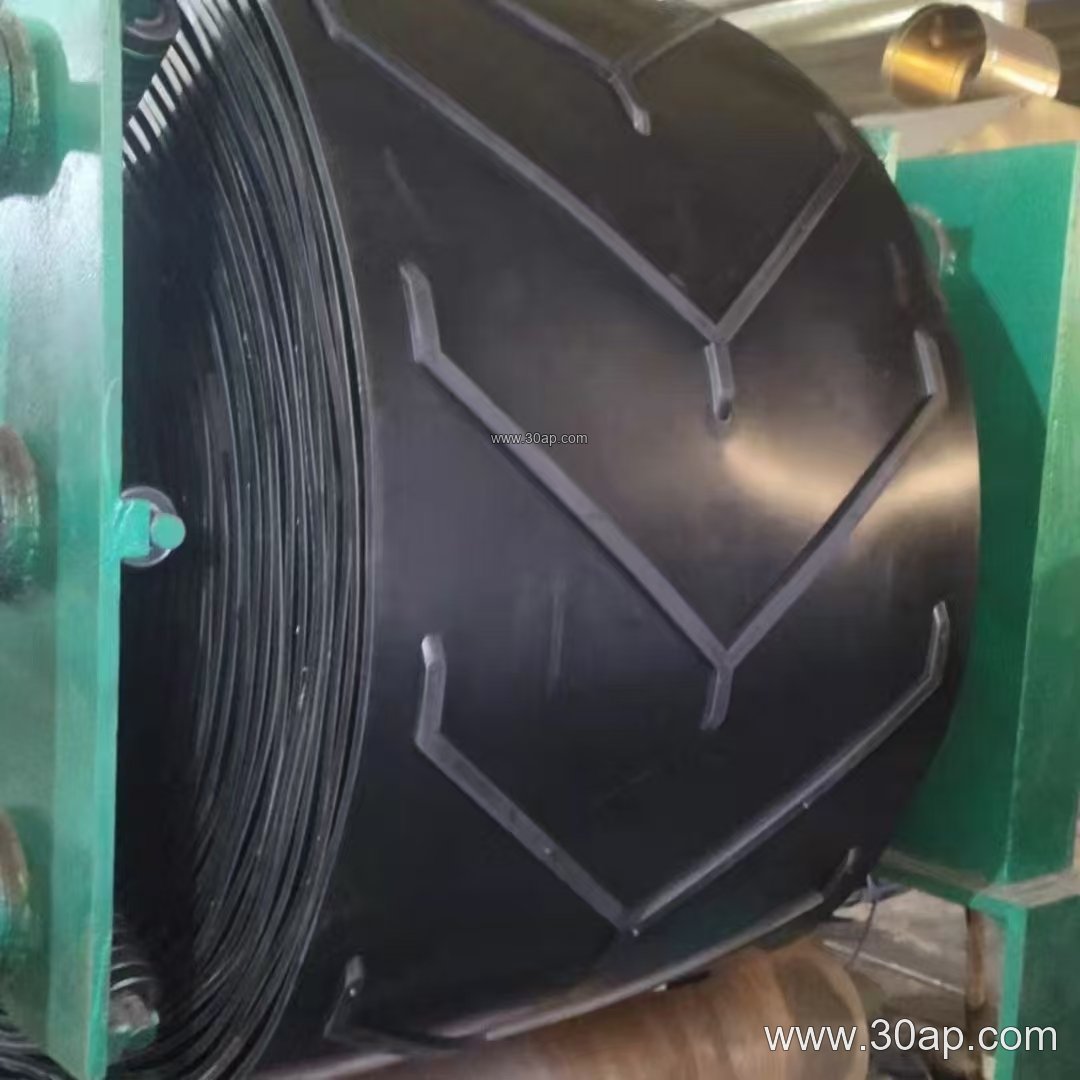
| Surface forms | Smooth, patterned, chevron, corrugated sidewall |
Where It Is Used
- Underground coal mine roadways and gate roads, where flame-retardant and antistatic belts are usually required.
- Surface coal handling systems, stockyards and transfer towers.
- Coal preparation plants and washing plants.
- Power station coal yards and boiler feed lines.
- Cement plants, sand and gravel yards and other bulk material sites that share similar conveyor layouts.
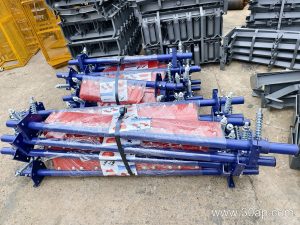
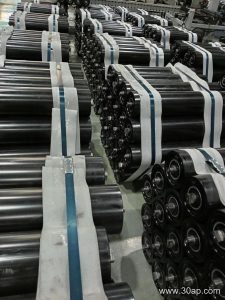
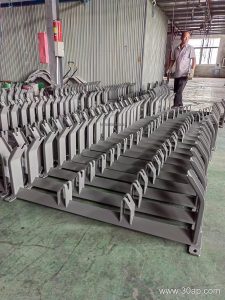
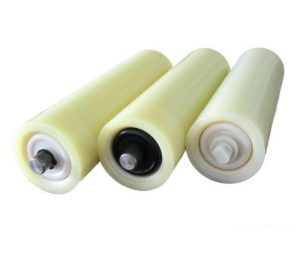
The belt works with idler rollers that support the loaded strand, a drive pulley that transmits motion, a tail pulley that maintains tension, and bend pulleys that route the return strand. Conveyor brackets hold the idlers and frame in alignment. None of these parts are interchangeable with the belt, and each pulley position has its own function.
Selection Points for Buyers
Start with the material and the duty. Coal is generally abrasive and can be dusty; underground service usually calls for flame-retardant and antistatic properties. Check the maximum lump size and drop height, because impact resistance affects cover thickness. Confirm the belt width and strength class against the conveyor design rather than copying a neighbouring line.
Ask for the carcass type, ply count, cover gauges, surface form and edge construction. For steep inclines, a chevron or patterned surface may help; for confined spaces, a corrugated sidewall belt can contain material. Match the belt to the pulley diameters and idler spacing specified by the conveyor designer, and note that belt width alone does not fix pulley or shaft dimensions.
Installation and Maintenance Notes
Correct storage avoids moisture and sunlight damage before installation. During splicing, keep the belt square and follow the splice method suited to the carcass. After start-up, check belt tracking at the head, tail and bend pulleys, inspect idler rollers for seizure, and watch for edge damage or cover wear. Keep the belt cleaner and skirt rubber adjusted so coal does not spill and build up around the tail pulley.
Record cover wear and carcass condition at regular intervals. A small repair on a damaged cover is cheaper than replacing a full belt, and early detection of a worn idler roller prevents belt scoring. For coal mines, cement plants, power stations and sand and gravel yards alike, a well-matched coal mining conveyor belt and a disciplined inspection routine keep the haulage line running steadily.