What an EP300 Conveyor Belt Is
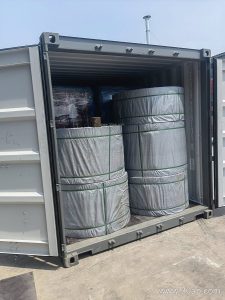
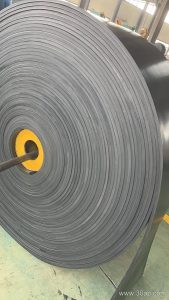
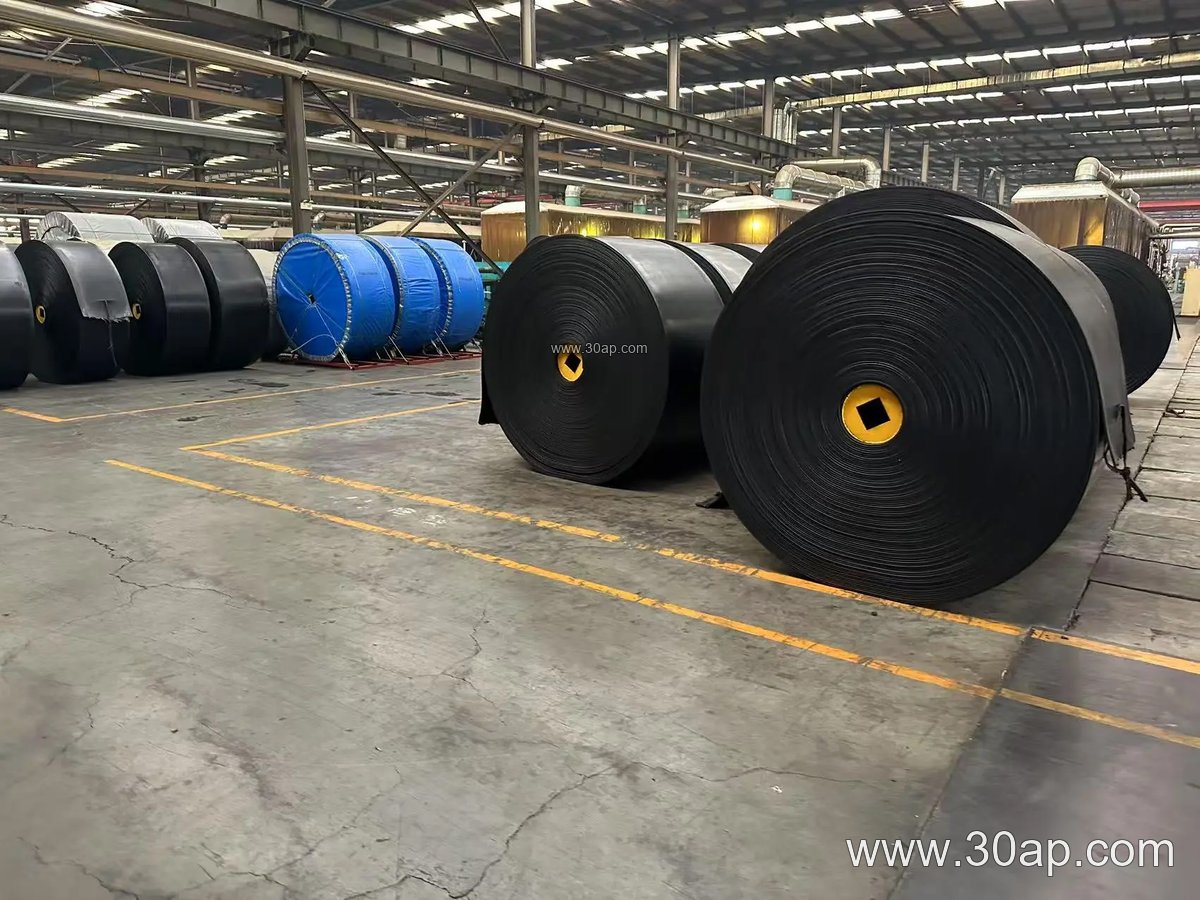
An EP300 conveyor belt is a heavy duty rubber conveyor belt built around a carcass of polyester and nylon (EP) fabric. The designation EP300 refers to the tensile strength of the belt construction, which is commonly in the range of 300 N/mm. This belt is used on bulk material handling conveyors where the load and operating tension call for more strength than lighter EP grades such as EP200 or EP250. It is a common choice in mining, coal preparation, cement plants, power stations, and sand and gravel yards. The belt is often simply called an EP belt or polyester nylon conveyor belt.
Construction and Typical Specifications
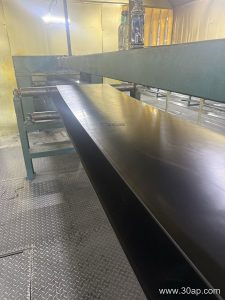
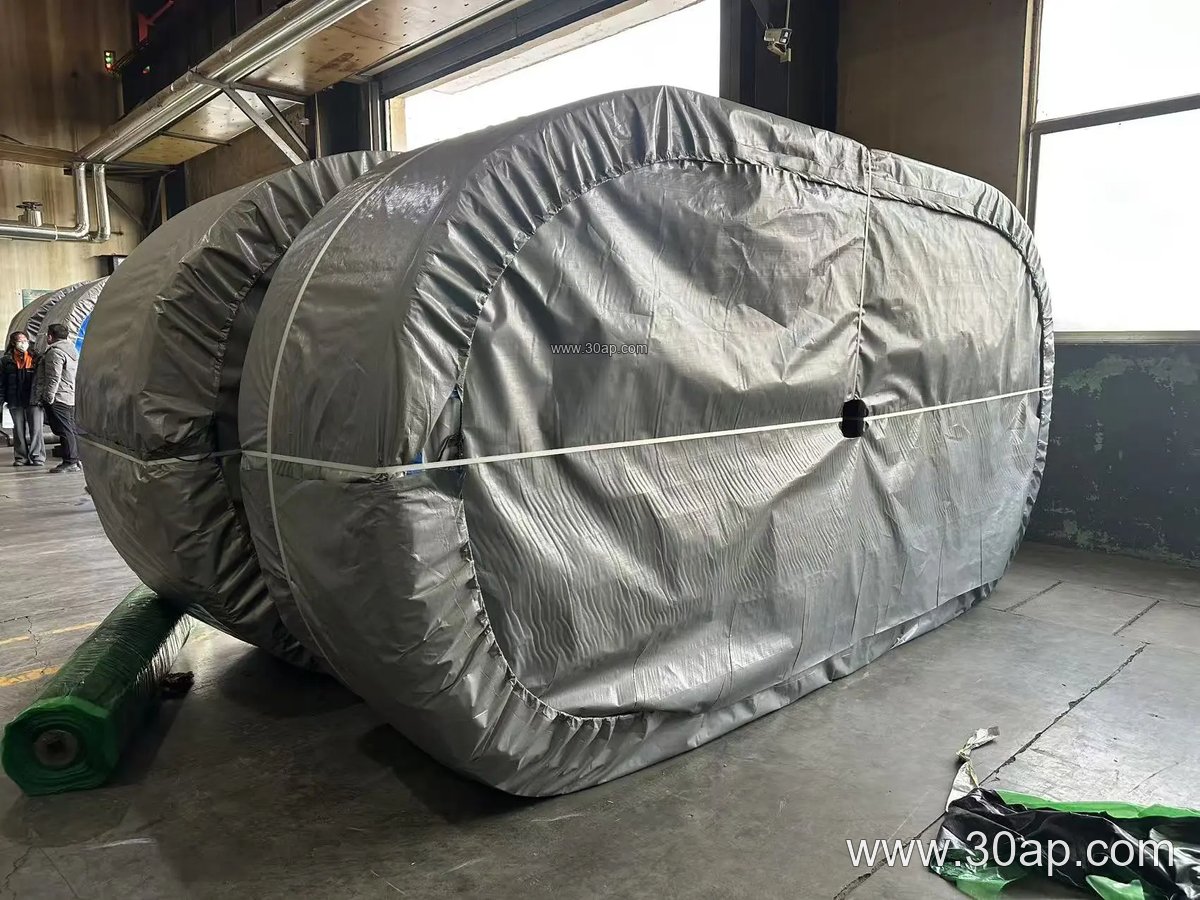
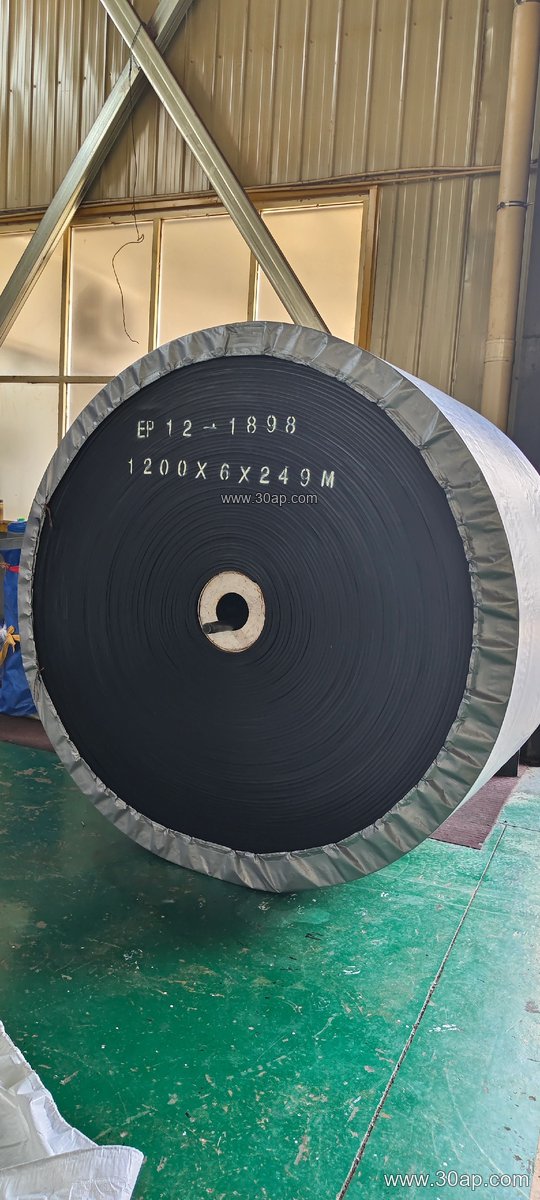
The EP300 conveyor belt usually combines an EP fabric carcass with top and bottom rubber covers. The carcass provides strength and resistance to impact, while the covers protect the fabric from abrasion, moisture, and the material being carried. Common configurations include 2 to 6 plies, with 3 to 5 plies being typical for EP300 duty. Cover thickness is often specified as 4+2 mm, 5+2 mm, 6+2 mm, or 8+3 mm, depending on the material and loading conditions. Standard belt widths include B500, B650, B800, B1000, B1200, B1400, B1600, B1800, and B2000. These are reference sizes and actual supply should be confirmed with the manufacturer or supplier.
Common EP300 Belt Data
| Property | Typical Range |
|---|---|
| Belt type | EP300 (polyester nylon) |
| Number of plies | 2 to 6 (3 to 5 common) |
| Belt width | B500 to B2000 |
| Cover thickness | 3+1.5, 4+2, 5+2, 6+2, 8+3 mm |
| Carcass | EP fabric |
| Cover rubber | Standard, abrasion resistant, heat resistant, oil resistant, flame retardant (as required) |
These values are indicative only and can vary between manufacturers. They should not be treated as fixed universal specifications.
Where EP300 Belts Are Used
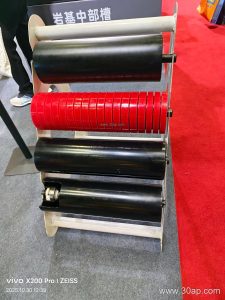
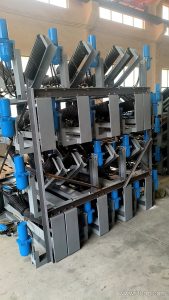
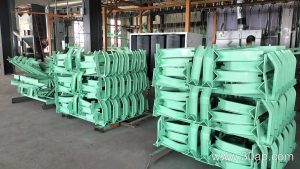
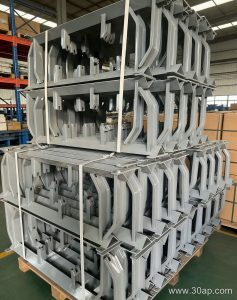
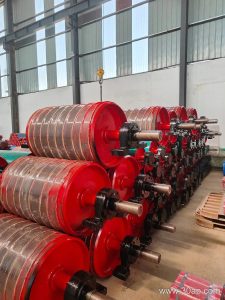
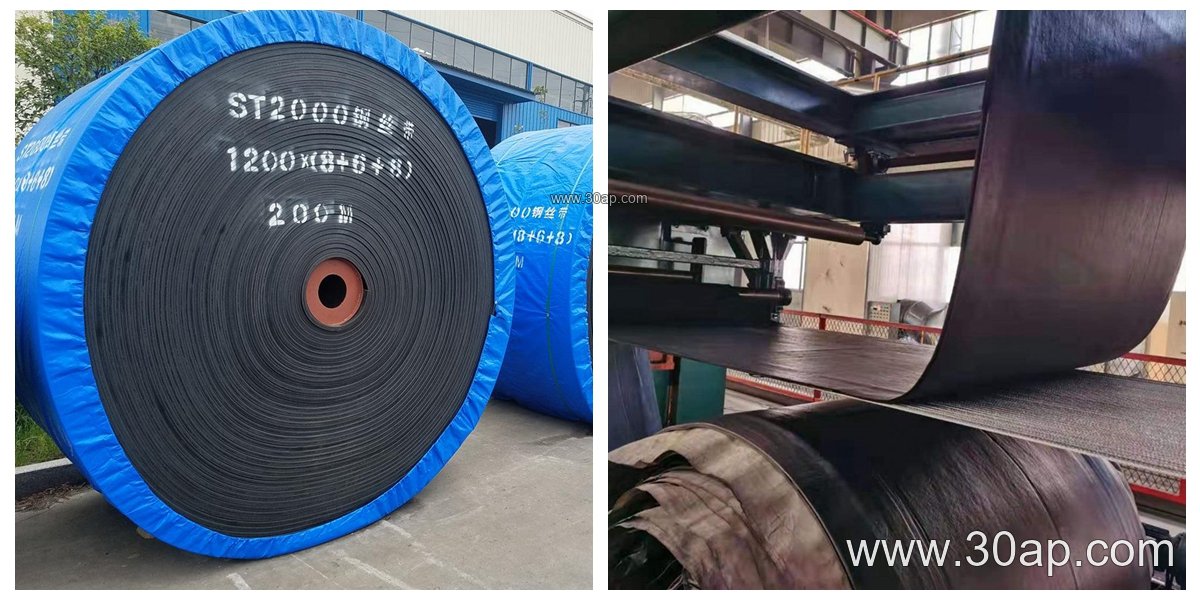
EP300 conveyor belts are suitable for medium to heavy duty conveying systems. In mines and coal handling plants, they carry crushed ore and coal. In cement plants they transport clinker, limestone, and raw meal. Power plants use them for coal and ash handling. Sand and gravel operations rely on them for aggregate transport. The belt works together with conveyor pulleys such as drive, tail, and bend pulleys, as well as idler rollers and conveyor brackets, to form a complete conveyor system. The belt itself does not include these components; they are selected separately to match the conveyor design.
Selection and Use Notes
When choosing an EP300 conveyor belt, consider the maximum working tension, the weight and lump size of the material, the loading method, and the environmental conditions. For abrasive materials such as limestone or clinker, a thicker abrasion resistant cover is often preferred. For coal or dusty environments, a flame retardant and antistatic belt may be required. For hot materials, a heat resistant grade should be selected. The pulley diameters, shaft sizes, and idler spacing should be determined by the conveyor designer based on belt width, tension, and load. There is no fixed rule that one belt width matches one pulley diameter. Buyers should confirm the belt grade, ply count, cover thickness, and width with the supplier, and check that the belt is compatible with the existing conveyor structure, including the drive pulley, tail pulley, and idler rollers.
Maintenance and Handling
Proper belt storage and handling help extend service life. Store belts in a dry, shaded area and avoid sharp bends. During installation, align the belt carefully and check pulley and idler alignment. Regular inspection of the belt surface, edges, and splices can prevent unexpected downtime. Keep the conveyor structure, including brackets and idler rollers, in good condition to avoid belt damage. If the belt shows signs of cover wear or edge fraying, consult the supplier for repair or replacement options.