What a Guide Idler Bracket Does
A guide idler bracket is the mounting hardware that holds a training or guide idler in the correct position relative to the conveyor belt. In practice, it works as a self-aligning idler bracket: the bracket carries the idler roller on a pivoted or swivel base so that, when the belt drifts, the roller steers it back toward the center line. This is a different job from the fixed frames that support carrying idlers along the whole conveyor. The bracket is a small component, but it decides whether the guide idler can actually correct misalignment or simply sits there.
The term is also used for the bracket that guides the belt edge near pulleys and loading points. In both cases the purpose is the same: keep the conveyor belt tracking within acceptable limits and reduce edge damage, spillage, and uneven wear on the idler roller.
How the Bracket Is Built
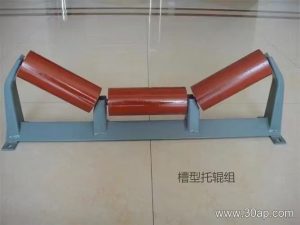
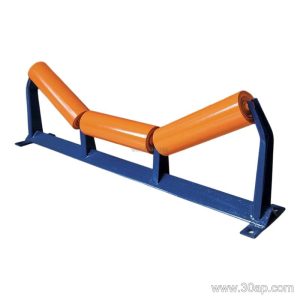
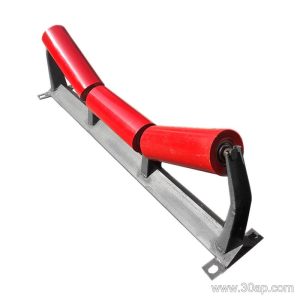
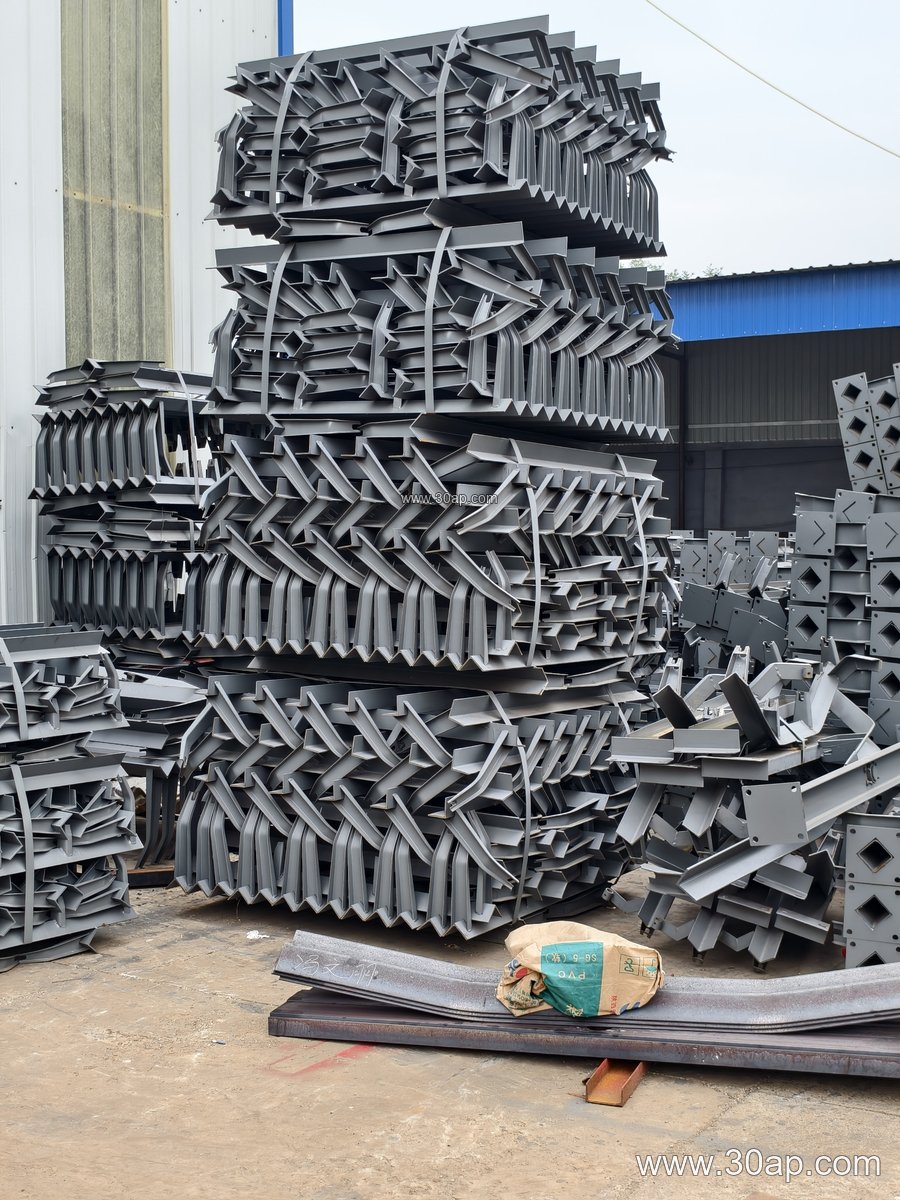
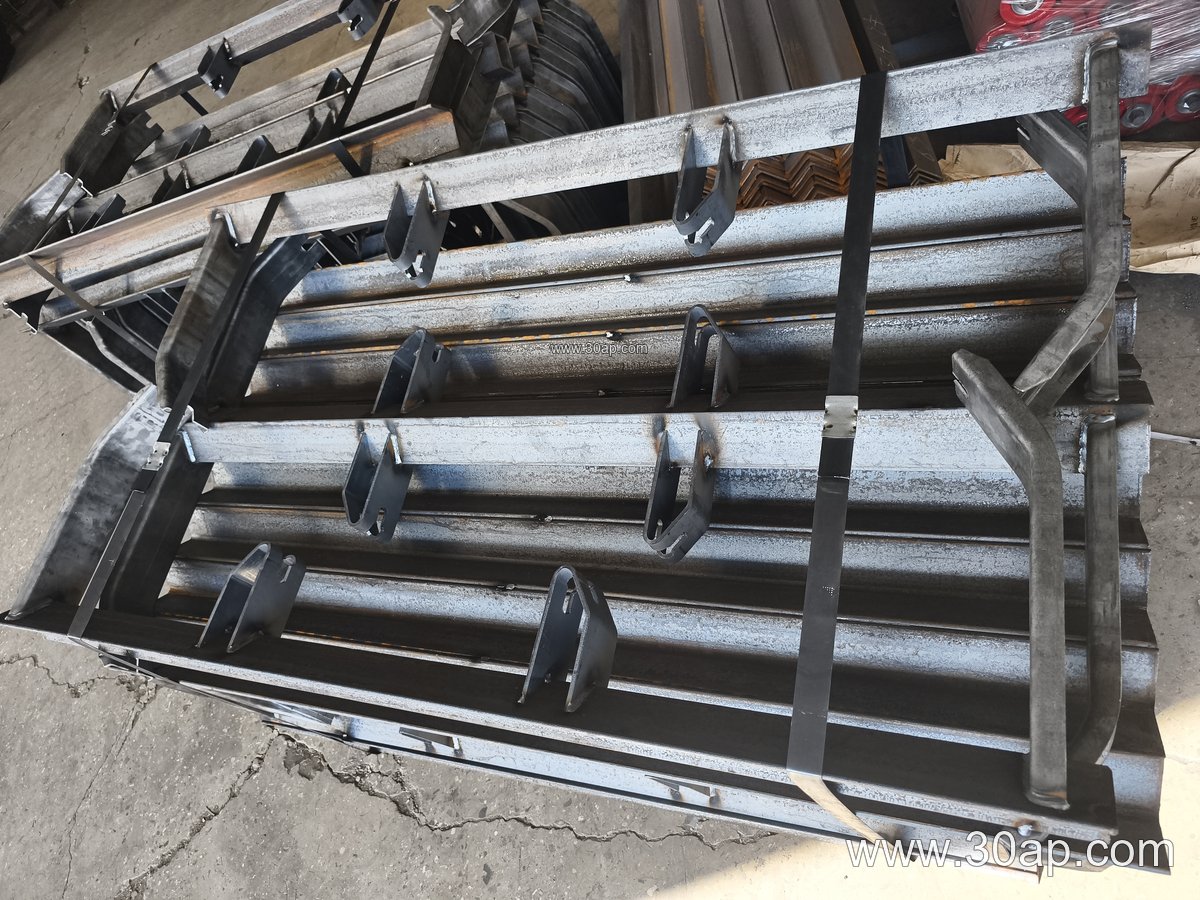
Most guide idler brackets are fabricated from angle steel, channel steel, or folded steel plate. A typical unit has a base plate that bolts to the conveyor frame, a pivoting or fixed arm, and a shaft seat that accepts the idler shaft. On self-aligning designs, a vertical pivot allows the roller assembly to rotate slightly in plan view; the friction between the belt and the roller then produces the correcting motion.
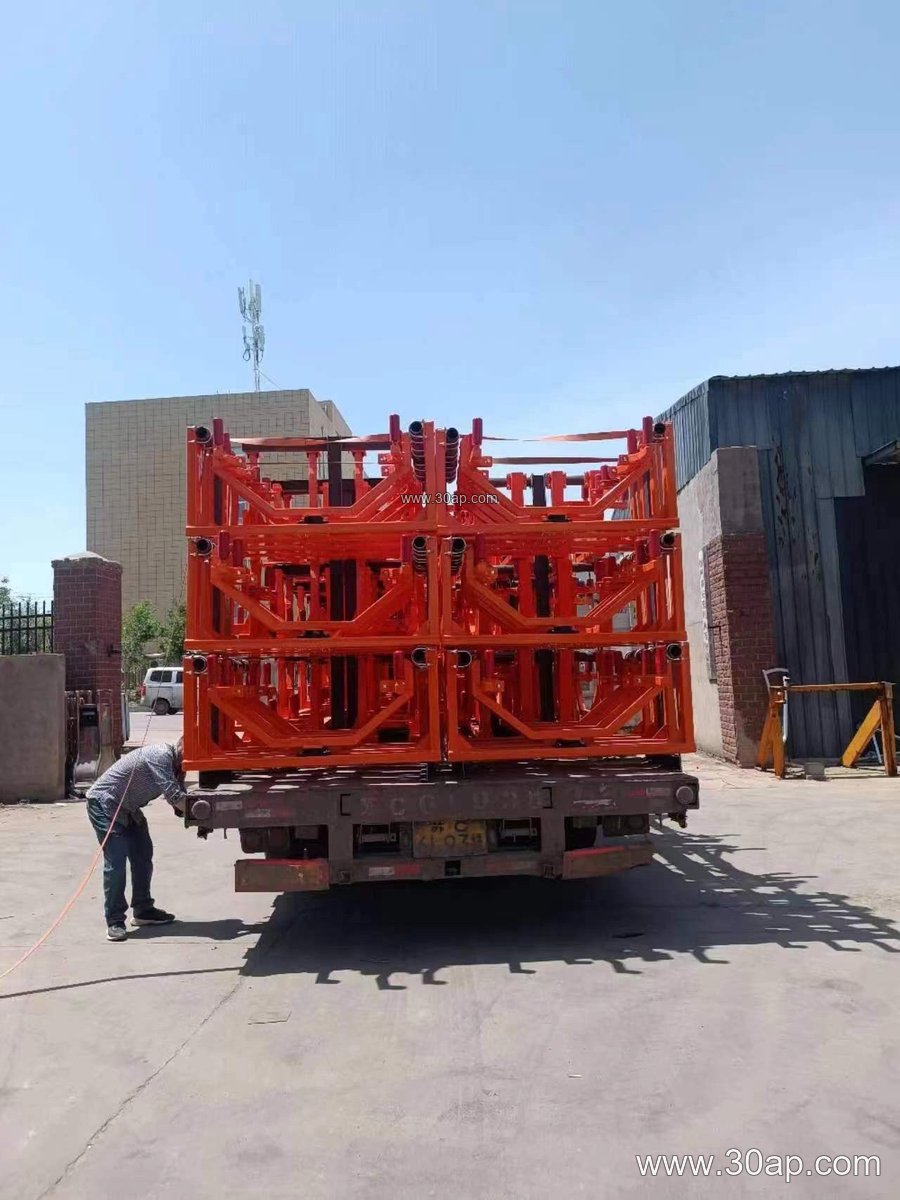
Build details that matter to buyers include the thickness of the base plate, the weld quality at the pivot, the bearing or bushing arrangement in the swivel, and the corrosion protection. In wet or dusty plants, a stiff pivot will stop the bracket from responding, so grease points or sealed bushings are worth checking. The mounting hole spacing and the crossbeam length are not universal: they are determined by the belt width, the trough angle, and the frame design of the specific conveyor.
Where Guide Idler Brackets Are Used
These brackets appear wherever belt tracking is difficult. In a limestone quarry or a crushing and screening line, they are often placed after the loading point, where off-center material pushes the belt sideways. In a coal preparation plant or a power station coal handling system, they are commonly installed on the return strand and near the head and tail areas to protect the belt edges. Cement plants use them on clinker and raw material conveyors, and aggregate yards use them on short transfer conveyors that are prone to wander.
A guide idler bracket is not a substitute for a bend pulley, a drive pulley, or a tail pulley; those components transmit power or change belt direction. The bracket only positions an idler roller so that it can influence belt tracking. Similarly, it should not be confused with a standard troughing frame, although both may be bolted to the same conveyor bracket system.
Matching the Bracket to Belt and Idler
Selection starts with the belt width and the idler diameter, then moves to the frame dimensions. The table below lists common reference values that appear in bracket and idler documentation. These are examples, not fixed combinations, and the final geometry is set by the conveyor design.
| Parameter | Common reference values |
|---|---|
| Belt width | B500, B650, B800, B1000, B1200, B1400, B1600, B1800, B2000, B2200 |
| Idler diameter | Ø89, Ø108, Ø133, Ø159, Ø194 |
| Trough angle (for related carrying frames) | 20°, 30°, 35°, 45° |
| Forward tilt on training idlers | Usually about 1.5° to 2° |
| Fabrication material | Angle steel, channel steel, folded steel plate |
A bracket for a B800 belt might carry a Ø108 idler, while a B1200 conveyor in a port or steel plant may use Ø133 rollers. The same belt width can accept different idler diameters depending on load and speed, and one idler diameter can serve several belt widths. Buyers should confirm the shaft diameter, mounting hole pattern, and overall height rather than assuming a standard.
Buyer Checklist
- Confirm the belt width and the actual idler shaft diameter at the mounting point.
- Check whether the frame needs a fixed bracket or an adjustable, self-aligning type.
- Ask for the mounting hole spacing and crossbeam length for the specific conveyor.
- Verify the pivot design and lubrication provision if the plant is dusty or wet.
- Match the surface finish to the environment, especially in wash-down or coastal areas.
- Install in pairs where the belt tends to drift in both directions, and inspect pivot freedom during maintenance.
A well-chosen guide idler bracket is a low-cost way to improve belt training on an existing conveyor. It will not fix a badly aligned pulley or an overloaded belt, but when the frame, roller, and belt are otherwise in good order, the right bracket keeps the guide idler doing its job.