What Is a Conveyor Vertical Roller?
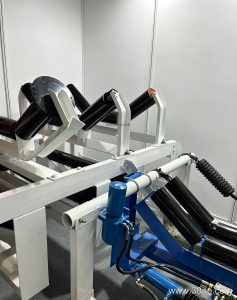
A conveyor vertical roller is a specialized idler used to support the conveyor belt at transition points, typically where the belt changes from a flat profile to a troughed shape. Unlike standard carrying idlers that form a continuous trough, this roller is mounted vertically to guide the belt edge and prevent material spillage. In quarry and aggregate lines, it helps maintain belt alignment through load zones and curves. The vertical roller is often confused with a conveyor pulley, but they serve different purposes: pulleys drive or redirect the belt, while vertical rollers provide localized support. Similarly, it is not a substitute for a drive pulley, tail pulley, or bend pulley, each of which has a distinct role in the conveyor system.
Construction and Key Components
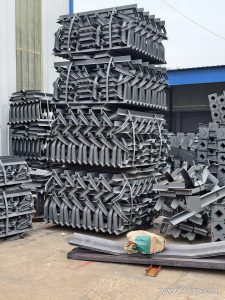
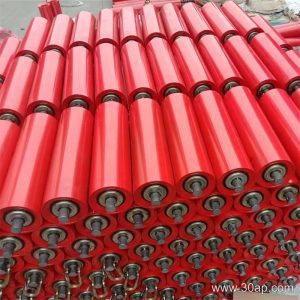
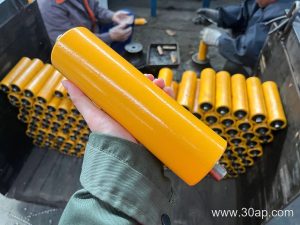
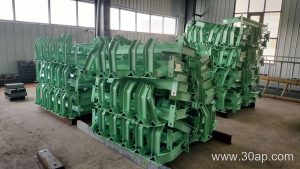
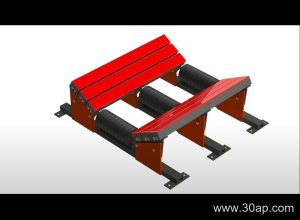
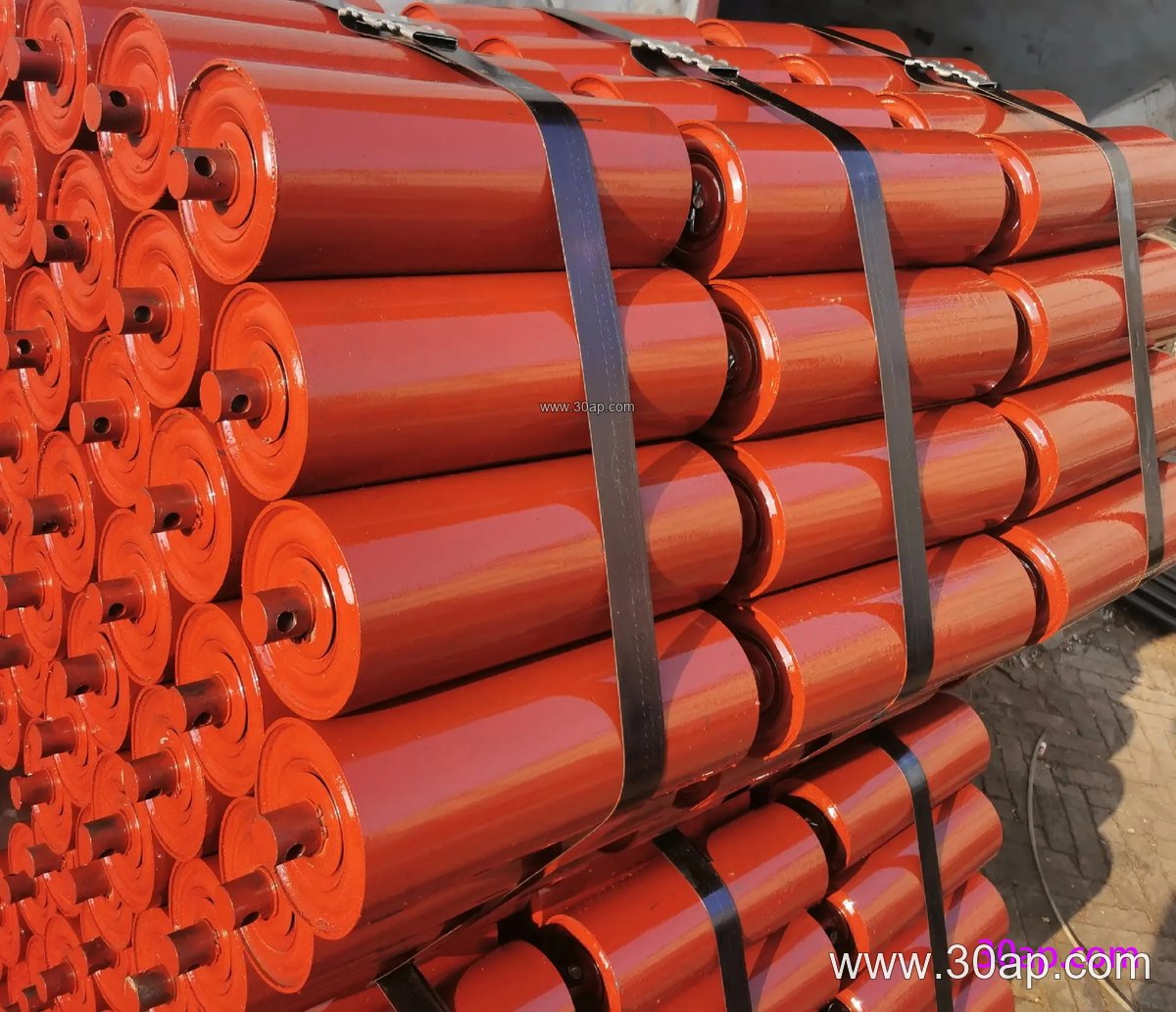
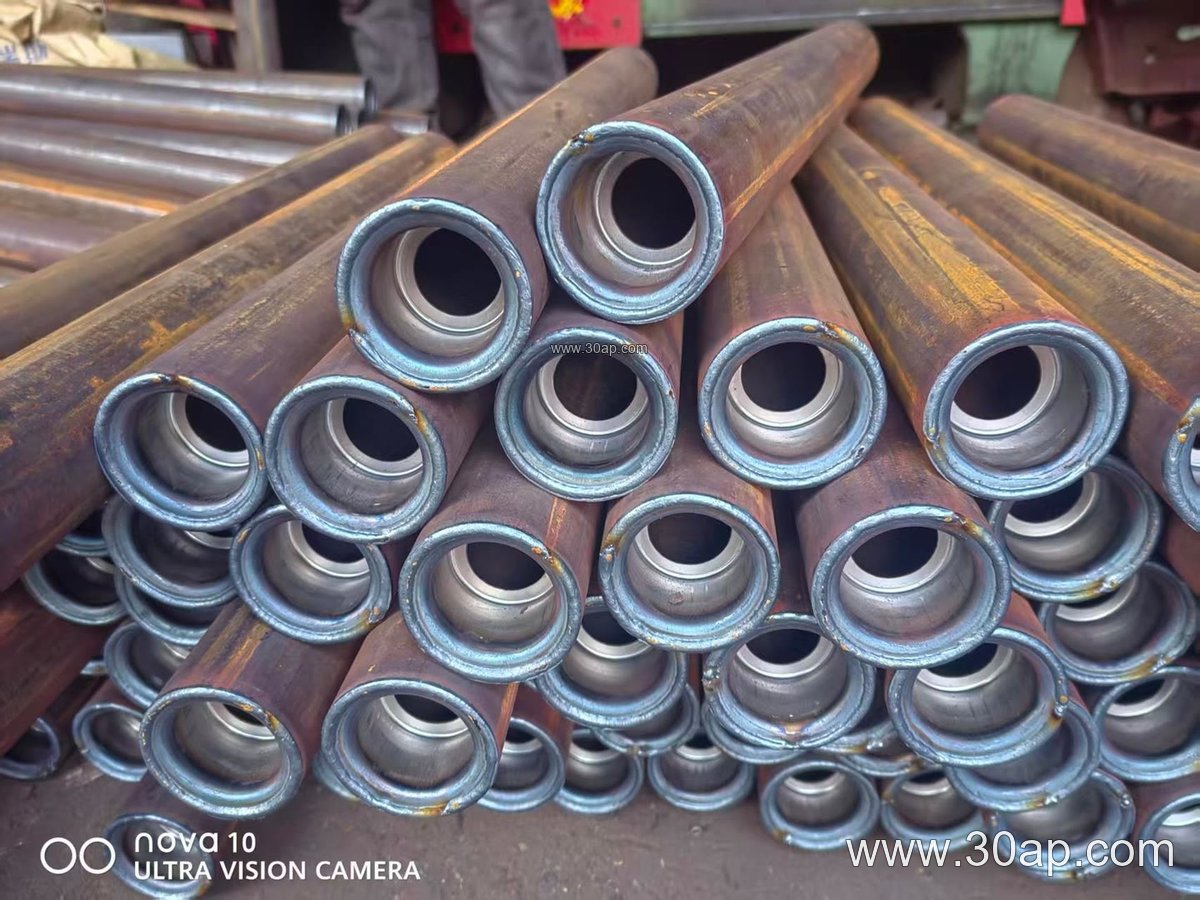
A typical conveyor vertical roller consists of a steel tube shell, bearing housings, and a shaft. The shell may be made of steel, nylon, or covered with rubber rings for cushioning. Common bearing sizes include 6204, 6205, 6305, 6306, 6308, and 6310, selected according to load and speed requirements. The roller is mounted on a conveyor bracket that holds it in a vertical orientation. Sealing is critical to keep out dust and moisture, especially in cement plants and coal handling facilities. Roller diameters often range from Ø63 to Ø219 mm, with the choice depending on belt width and load. For example, a Ø108 mm roller might be used on a B800 belt, but this is not a fixed rule—designers consider transition geometry and material characteristics.
Where It Fits in a Conveyor System
Vertical rollers are commonly placed at the transition zone between the tail pulley and the first troughed idler set. They help the belt gradually assume its trough shape without excessive stress. In sand and gravel plants, they reduce spillage at transfer points. In power plant coal conveyors, they assist in keeping the belt centered as it leaves the tail pulley. They are also found in tunnel muck removal and fertilizer handling. While standard troughing idlers (e.g., 20°, 30°, 35°, or 45° trough angles) do the main carrying work, the vertical roller complements them by addressing edge control. It should not be used interchangeably with a self-aligning idler or a return roller, as each has a specific function.
Selection and Sizing Considerations
When specifying a conveyor vertical roller, buyers should consider belt width, roller diameter, shaft size, and bearing type. The table below lists common reference values; actual dimensions are determined by the conveyor design.
| Parameter | Common Range / Example |
|---|---|
| Roller diameter | Ø63, Ø76, Ø89, Ø102, Ø108, Ø127, Ø133, Ø159, Ø178, Ø194, Ø219 mm |
| Belt width (B) | B400 to B2400 |
| Bearing | 6204, 6205, 6305, 6306, 6308, 6310 |
| Roller surface | Steel, nylon, ceramic, rubber ring |
Roller length varies with belt width and mounting arrangement. For reference, a three-roll troughing set might use roller lengths around 200 mm for B500, 250 mm for B650, 315 mm for B800, 380 mm for B1000, and so on, but side and center rolls differ. Vertical rollers are often shorter and positioned differently. It is important not to assume a fixed shaft diameter from belt width alone; the shaft is sized based on load and bearing selection.
Maintenance and Buyer Tips
Regular inspection of the vertical roller for shell wear, bearing noise, and seal integrity helps prevent belt damage. In dusty environments like limestone mines or cement plants, sealed-for-life bearings are preferred. Buyers should request drawings showing mounting dimensions and confirm compatibility with the existing conveyor bracket. Avoid mixing vertical rollers with other idler types unless the design explicitly allows it. Finally, ensure the roller is specified as a vertical roller, not as a drive, tail, or bend pulley, to avoid procurement errors.