What a Conveyor Belt Idler Does
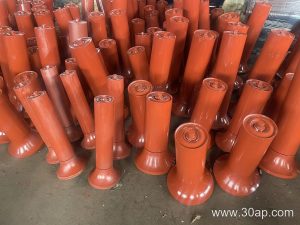
A conveyor belt idler is the rotating support that carries the belt and its load along the conveyor structure. Often called an idler roller, it is mounted in a conveyor bracket and spaced along the frame to keep the belt aligned and reduce friction. Without properly selected idlers, a conveyor belt can sag, track poorly, and wear out faster than necessary.
Idlers are distinct from the pulleys that drive or redirect the belt. Drive pulleys, tail pulleys, and bend pulleys transmit power or change belt direction, while idlers support the belt between those points. Understanding this difference helps buyers specify the right components for each section of a conveyor.
Construction and Common Types
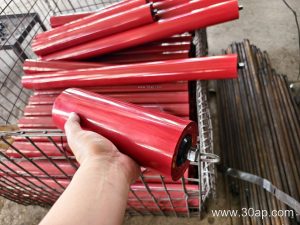
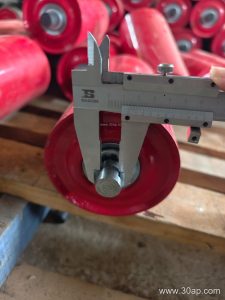
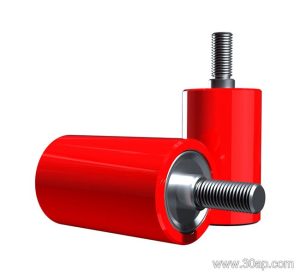
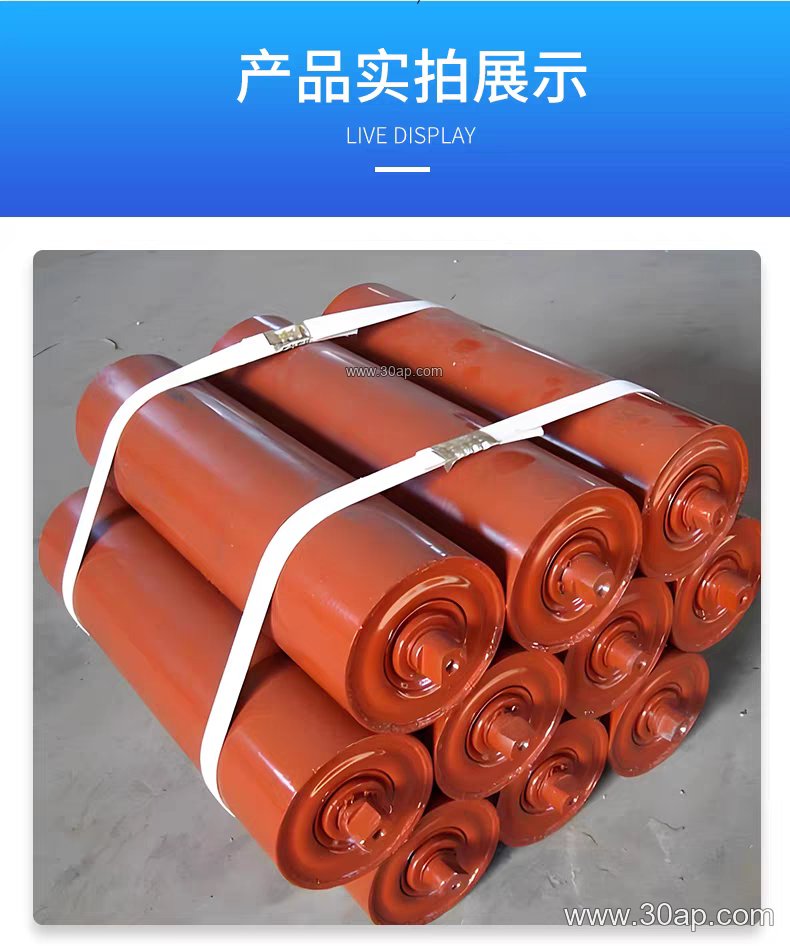
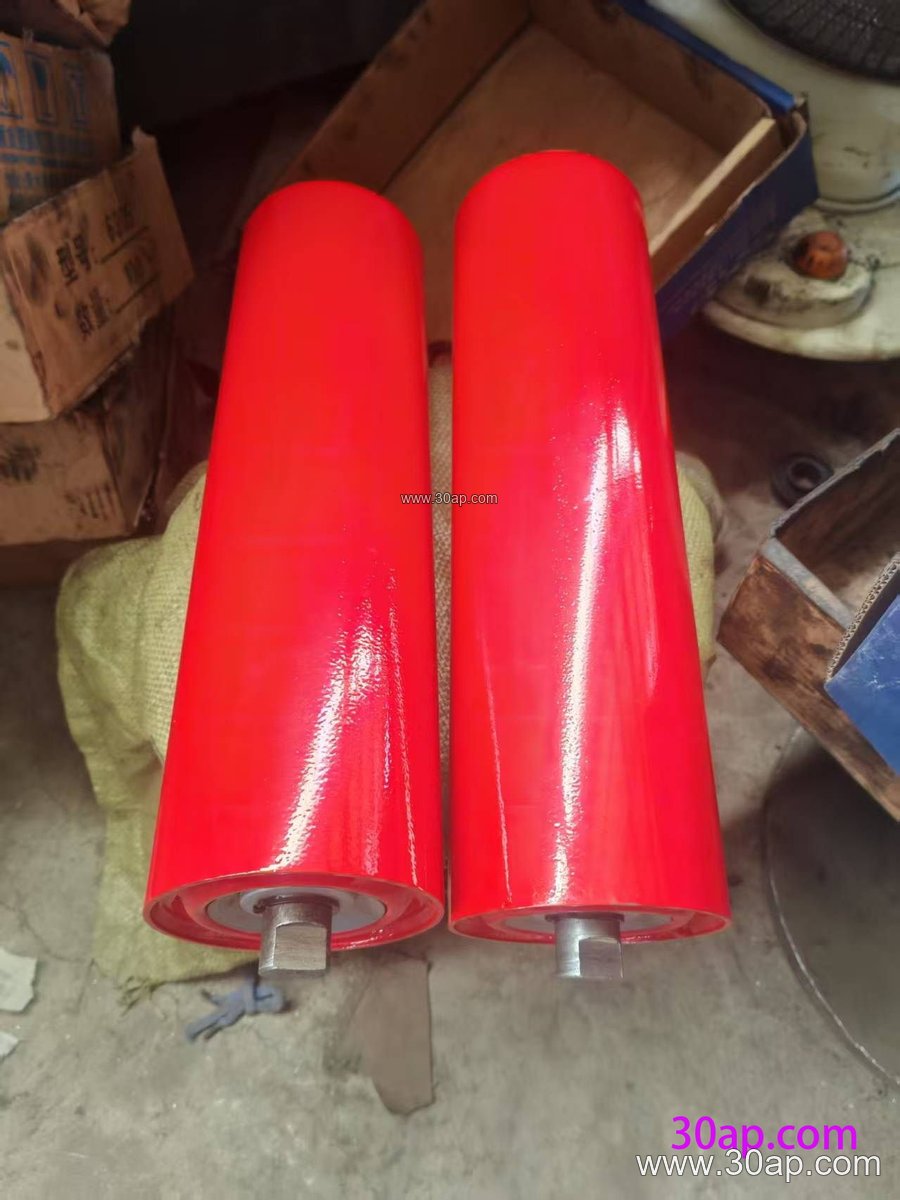
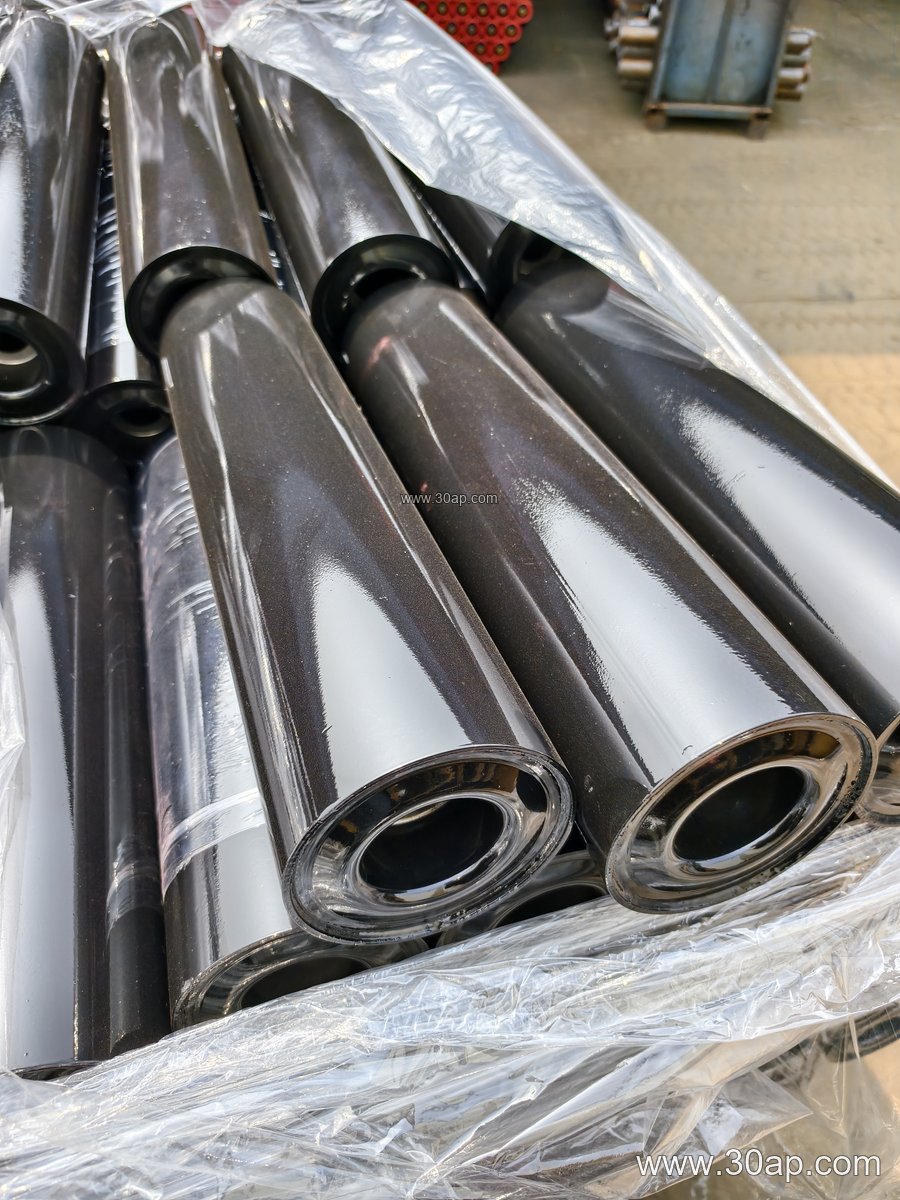
A typical idler roller consists of a steel tube shell, bearing housings, a shaft, and a sealing arrangement. Roller surfaces can be plain steel, nylon, ceramic, or rubber-covered. Bearings such as 6204, 6205, 6305, 6306, 6308, and 6310 are common, but the bearing choice should match the load and speed rather than a single roller diameter.
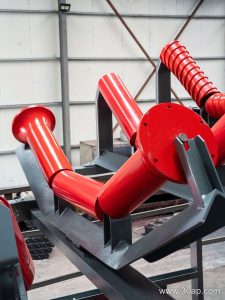
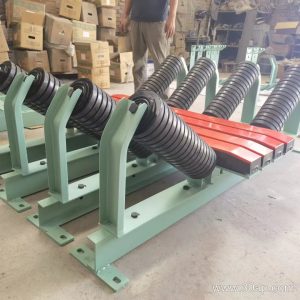
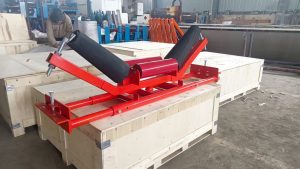
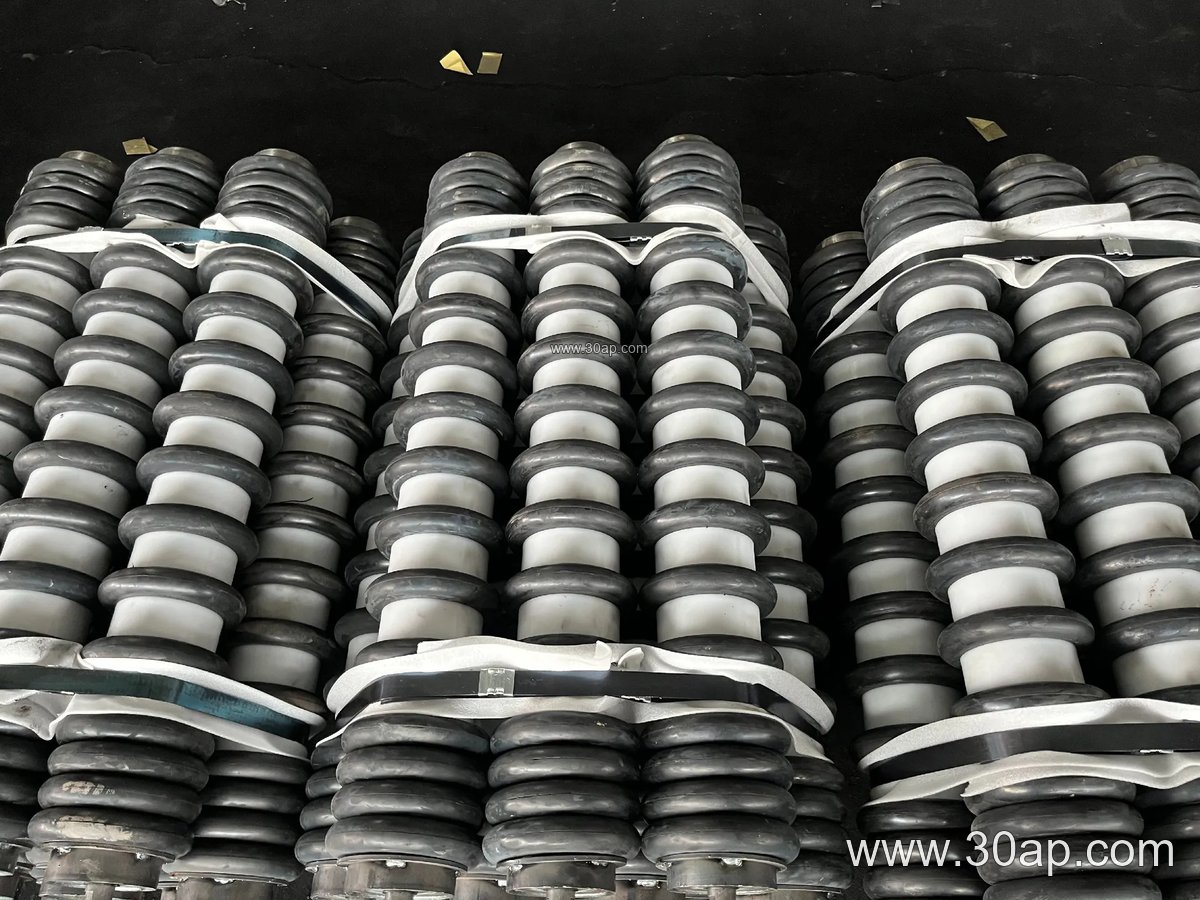
Idlers are grouped by duty. Carrying idlers support the loaded belt and are often arranged in three-roll troughing sets with trough angles of 20, 30, 35, or 45 degrees. Impact idlers with rubber rings absorb shock at transfer points. Return idlers support the empty belt, and V-return or spiral idlers help with belt training and material shedding. Self-aligning idlers, including friction and tapered types, correct minor belt misalignment.
Typical Reference Dimensions
The table below shows common reference values, not fixed rules. Roller length varies with belt width, trough angle, and idler arrangement; side rollers and center rollers may differ.
| Belt Width | Common Roller Length (three-roll troughing) | Common Idler Diameters |
|---|---|---|
| B500 | 200 mm | Ø63, Ø76, Ø89 |
| B650 | 250 mm | Ø76, Ø89, Ø102 |
| B800 | 315 mm | Ø89, Ø102, Ø108 |
| B1000 | 380 mm | Ø102, Ø108, Ø127 |
| B1200 | 465 mm | Ø108, Ø127, Ø133 |
| B1400 | 530 mm | Ø127, Ø133, Ø159 |
| B1600 | 600 mm | Ø133, Ø159, Ø178 |
| B1800 | 670 mm | Ø159, Ø178, Ø194 |
| B2000 | 750 mm | Ø178, Ø194, Ø219 |
Where Idlers Are Used
Conveyor belt idlers appear wherever bulk material moves on a belt. In a limestone quarry or sand and gravel line, troughing idlers carry crushed stone, while impact idlers sit under the loading point. In a coal preparation plant or power station coal yard, sealed idlers resist dust and fine particles. Cement plants use idlers on clinker and raw material conveyors, and port terminals rely on them for high-tonnage loading and unloading.
The same components also serve in steel mills, sinter plants, fertilizer handling, and tunnel spoil removal. In each case, the idler must suit the belt width, material weight, and environmental conditions.
Buyer Checklist
- Confirm belt width and trough angle before choosing roller length and group type.
- Match idler diameter and bearing to the load, belt speed, and available shaft size.
- Select impact or rubber-ring idlers for high-drop transfer points.
- Use self-aligning idlers where belt tracking is a concern, but do not expect them to correct major structural misalignment.
- Check seal type for dusty or wet conditions; good sealing extends bearing life.
- Review conveyor bracket compatibility and mounting dimensions early.
Regular inspection of idler rotation, roller wear, and alignment keeps a conveyor belt running smoothly. Replacing a seized idler early prevents belt damage and reduces downtime in demanding industries such as mining, quarrying, and power generation.