What a Conveyor Frame Does
A conveyor frame is the structural backbone that holds a belt conveyor together. It carries the idler roller sets, supports the conveyor pulley at each end, and keeps the conveyor belt tracking in a stable line from loading point to discharge. Without a rigid, well-aligned frame, even good rollers and a quality belt will misalign, spill material, and wear out early. In a quarry or a cement plant, the frame is often the first thing an maintenance team inspects when a belt starts wandering.
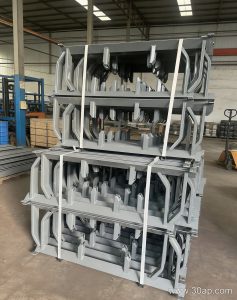
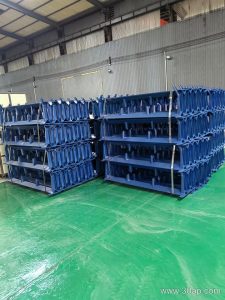
The frame is not a single part. It is a system of stringers, cross beams, legs, and brackets that are bolted or welded into a working structure. The term conveyor frame usually refers to the full supporting structure, while individual pieces such as the conveyor bracket connect the idlers to that structure.
How the Structure Is Built
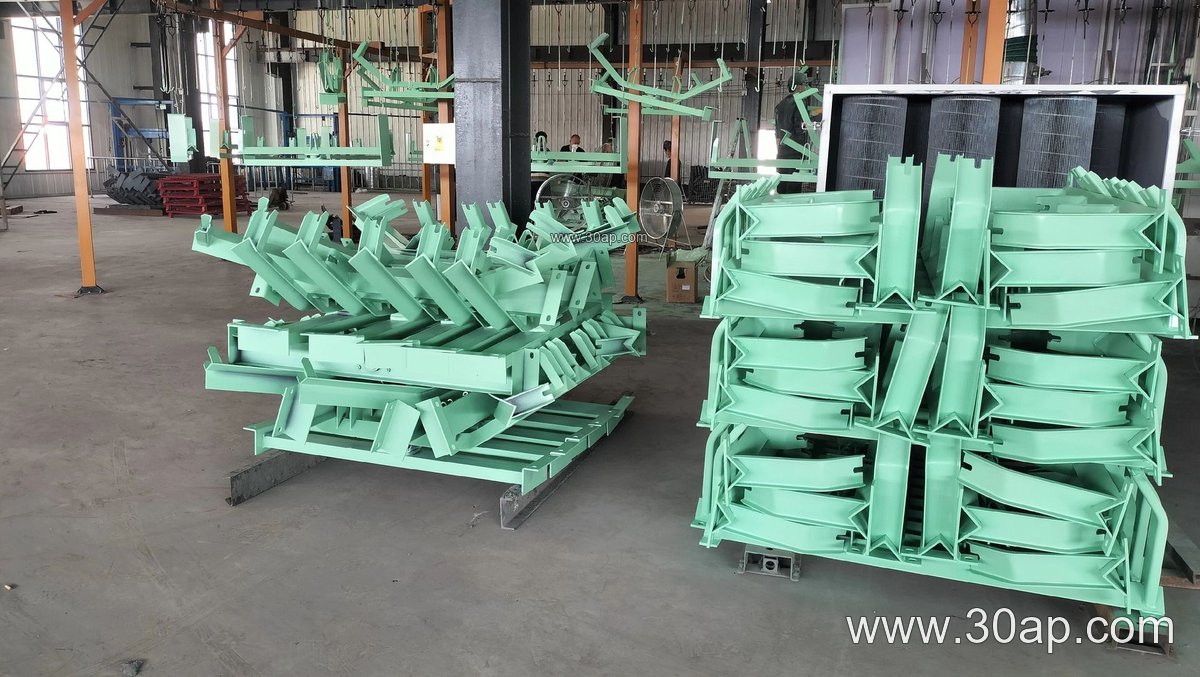
Most frames are fabricated from angle steel, channel steel, or folded steel plate. The choice depends on span, load, and environment. A short transfer in a sand and gravel line may use light angle sections, while a long overland run at an iron ore site needs heavier channel stringers and reinforced joints.
A typical frame includes:
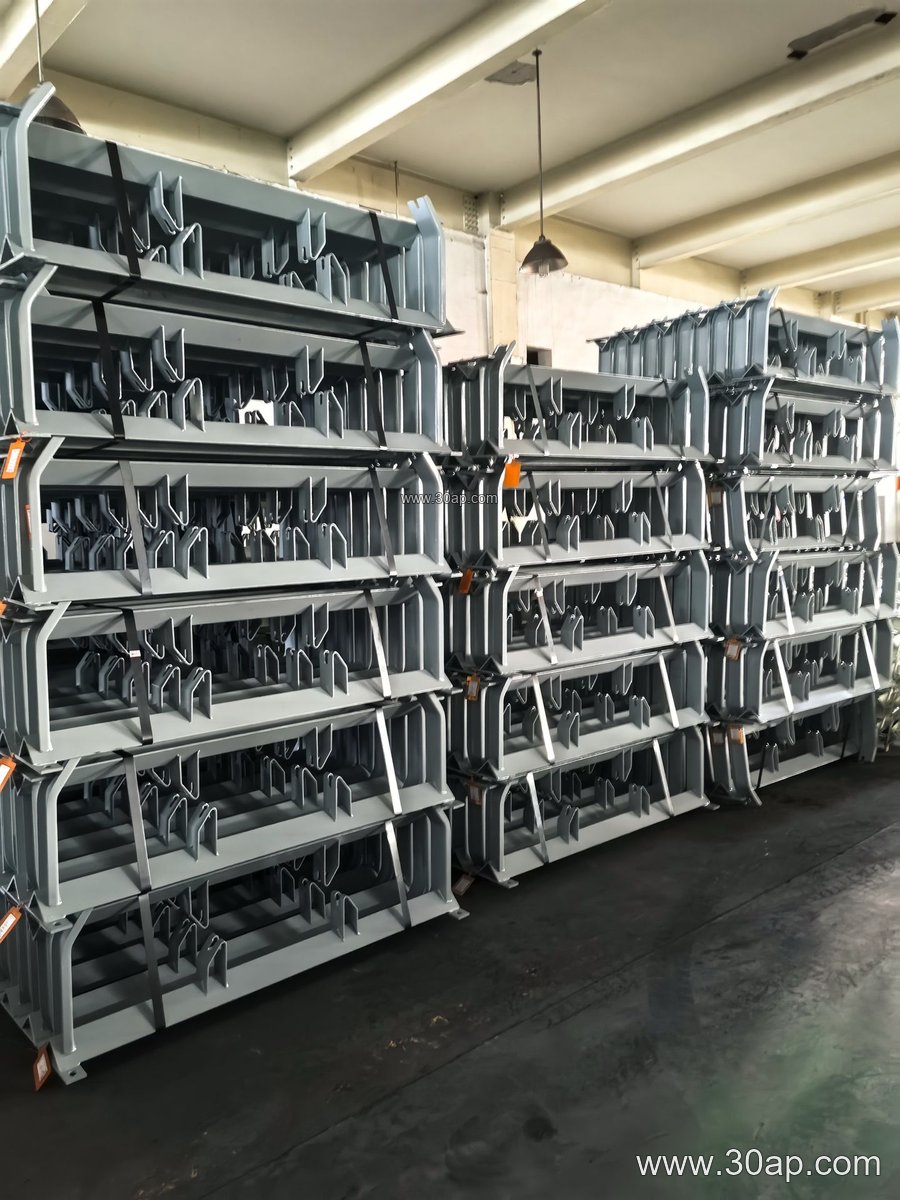
- Longitudinal stringers that run the length of the conveyor
- Cross beams that set the belt line and carry the idler brackets
- Support legs or trestles tied to the ground or to a steel structure
- Mounting plates for the drive pulley, tail pulley, and bend pulley
- Brackets for troughing idlers on the carrying side and return idlers underneath
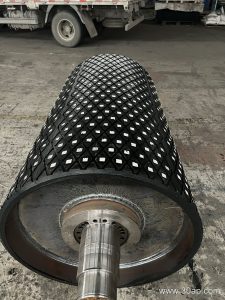
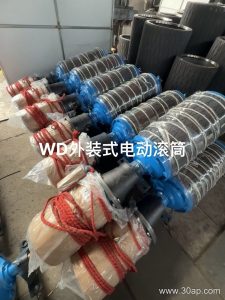
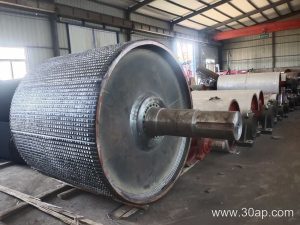
The drive, tail, and bend pulleys are distinct components and are not interchangeable. Each has its own mounting position and alignment requirement on the frame. A frame designed for a drive pulley at the head end will differ from one built for a tail pulley with a take-up arrangement.
Frame Types and Where They Fit
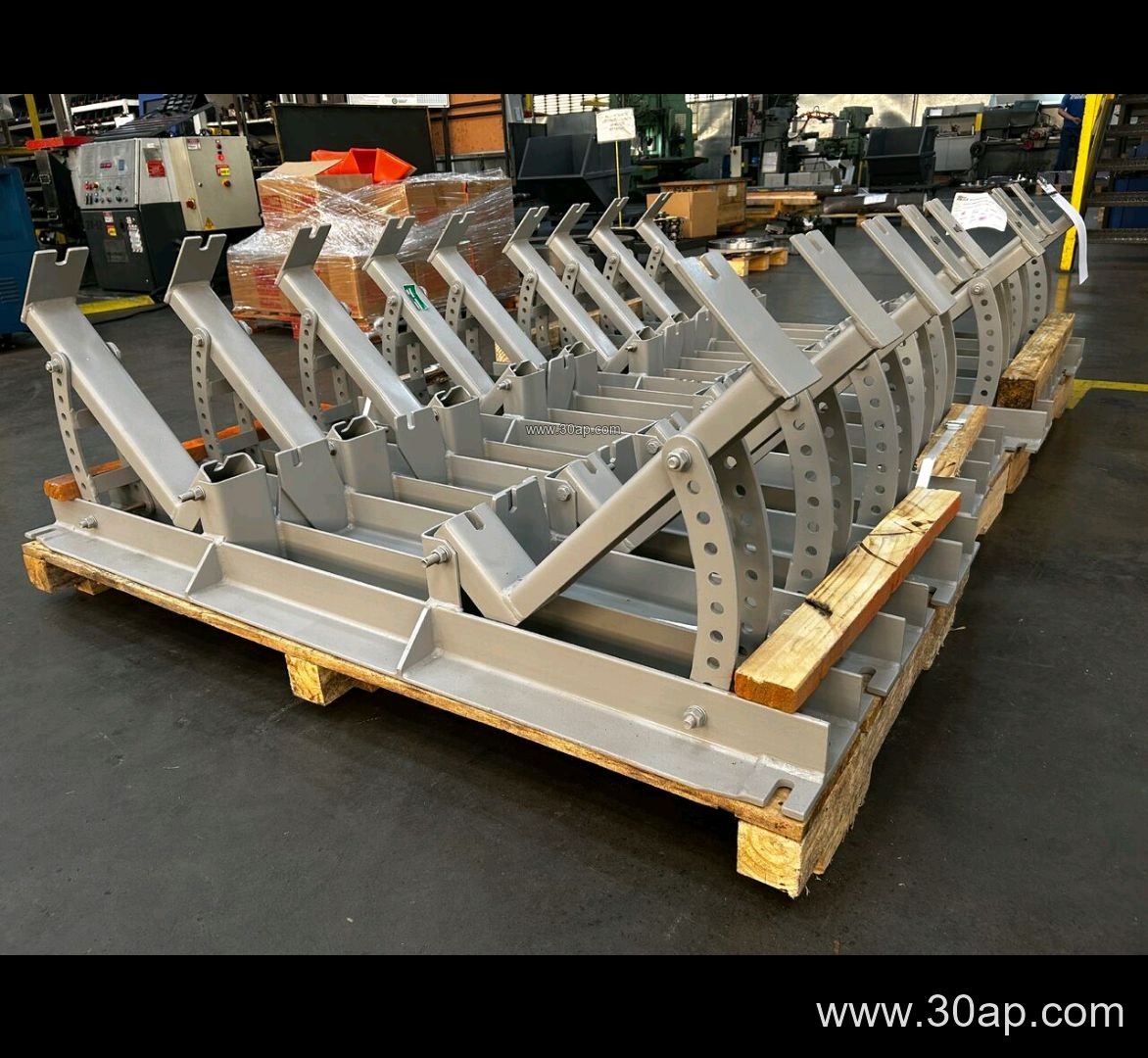
Frames vary by the idler arrangement they support. A troughing frame carries three-roll sets on the top run. A return frame carries a single flat roll or a V-shaped set under the belt. Transition frames ease the belt from a flat pulley into a troughed profile. Buffer frames sit under loading points to absorb impact. Self-aligning frames correct minor belt drift.
| Frame Type | Position | Typical Role |
|---|---|---|
| Troughing frame | Carrying side | Supports the loaded belt in a trough |
| Return frame | Return side | Holds flat or V-return idlers |
| Transition frame | Near pulleys | Gradual change of belt profile |
| Buffer frame | Loading zone | Impact absorption under the chute |
| Self-aligning frame | Along the run | Corrects belt tracking |
| Adjustable frame | Anywhere needed | Allows trough angle changes |
Trough angles commonly run at 20, 30, 35, or 45 degrees. An adjustable frame lets the same structure be set to different angles during commissioning or when the duty changes. Forward-leaning idler sets, often about 1.5 to 2 degrees, are used on some frames to help tracking.
Matching Frame to Belt and Roller
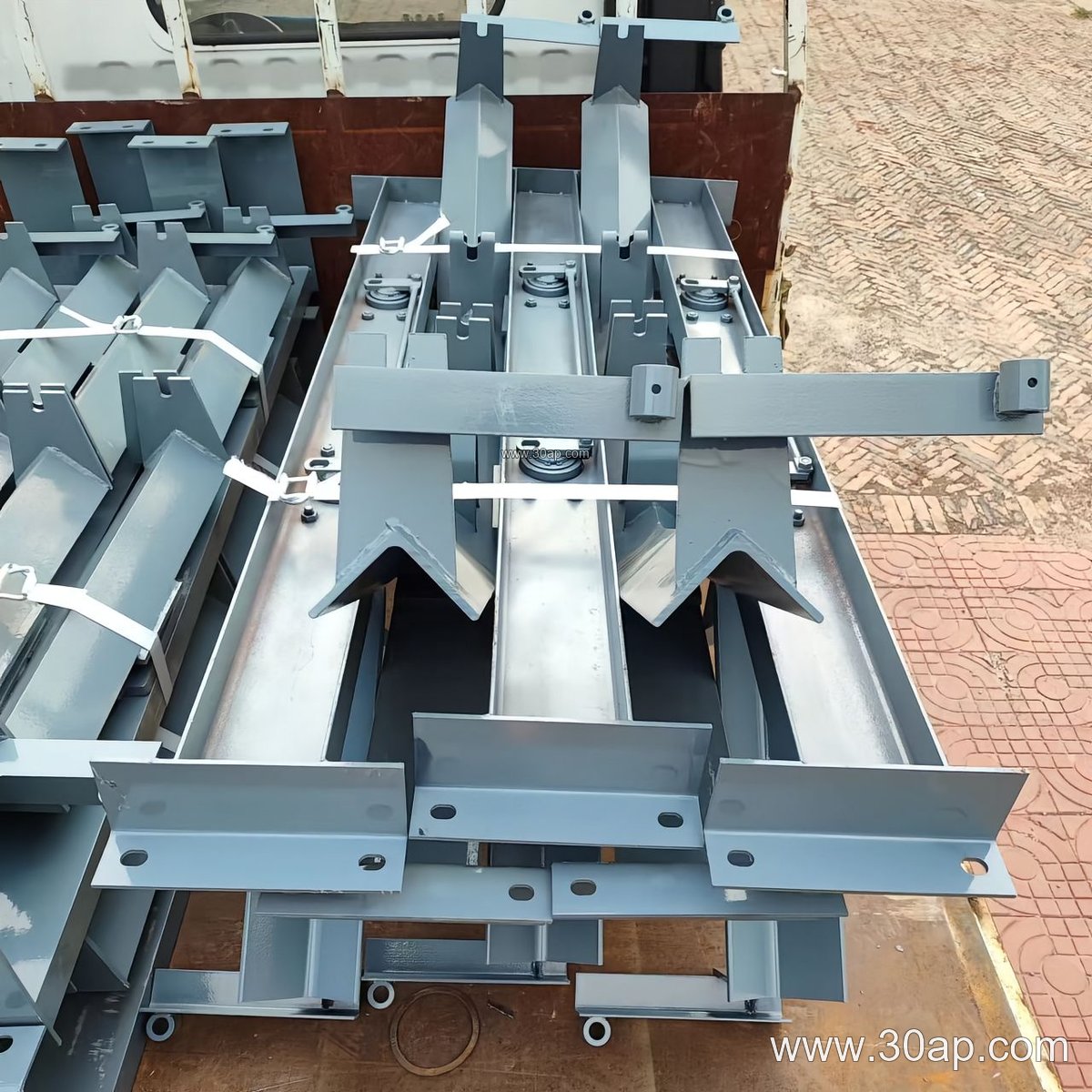
Frame width follows belt width. Common belt widths include B500, B650, B800, B1000, B1200, B1400, B1600, B1800, B2000, B2200. Roller diameter is chosen separately, with common sizes such as Ø89, Ø108, Ø133, Ø159, and Ø194. A frame for B800 at 35 degrees with Ø108 rollers is a familiar combination, but it is not the only valid one. B1200 with a 45-degree trough and Ø133 rollers also works where the material is bulky. A given belt width does not lock the design to one trough angle or one roller diameter. Hole spacing and cross beam length change with belt width and trough angle and are set by design.
Buyers should confirm the belt width, the intended trough angle, the roller diameter, the pulley mounting layout, and the loading conditions before ordering. It also helps to state whether the frame is fixed or adjustable, and whether the site needs hot-dip galvanized or painted steel for a coal yard or a port terminal. Getting these details right at the quotation stage avoids field rework.
Installation and Maintenance Notes
Alignment is the main job during installation. Stringers should be straight and level, cross beams square to the centerline, and pulley mounts parallel. A frame that is twisted will fight every idler and pulley on the line. In dusty plants such as a limestone mine or a power plant coal yard, check bolt tightness and look for corrosion at the joints during routine stops. Replace bent cross beams early, because a sagging frame changes the belt line and shortens roller life.
Used with a properly selected conveyor belt, good conveyor pulley alignment, and quality idlers, a well-built conveyor frame keeps a line running quietly for years.