What a Conveyor Bracket Quotation Covers
When you request a conveyor bracket quotation, you are pricing the steel structures that hold the idler rollers and support the conveyor belt along the entire run. These brackets—often called idler frames or roller supports—are not a single part. A complete quotation usually breaks down by position and function: carry-side troughing brackets, return-side flat or V-return brackets, impact brackets at load points, self-aligning brackets, and transition brackets near pulleys. Each line item should state the bracket type, the belt width it fits, the trough angle, the roller diameter it accepts, the material and finish, and the mounting hole spacing. Without these details, comparing two quotations is nearly impossible, because a B800 35-degree bracket and a B1200 45-degree bracket are entirely different fabrications.
How the Bracket Is Built and Where It Sits
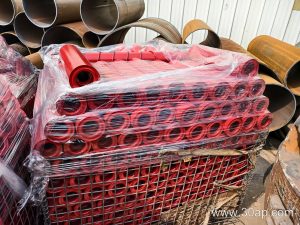
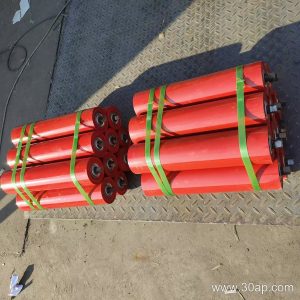
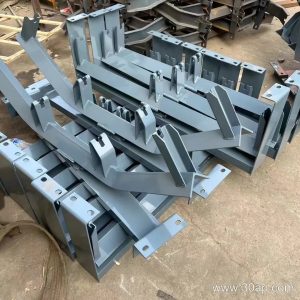
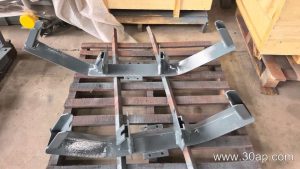
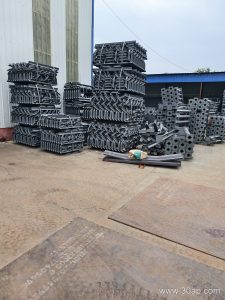
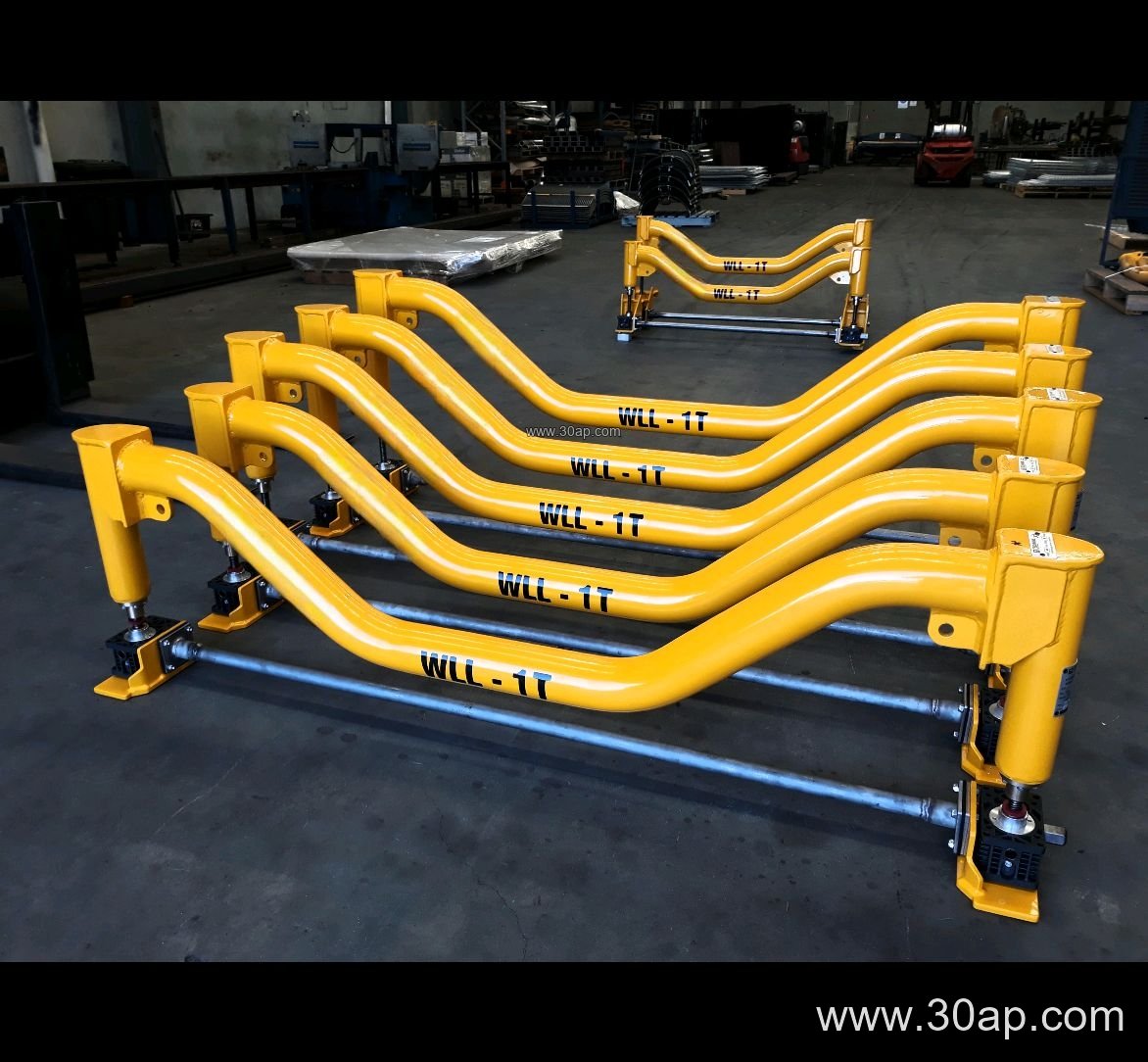
Most conveyor brackets are fabricated from angle steel, channel steel, or folded steel plate. The frame geometry determines the trough angle—commonly 20, 30, 35, or 45 degrees—and the roller mounting slots are positioned to match the chosen idler diameter, such as Ø89, Ø108, Ø133, Ø159, or Ø194. On the carrying side, a troughing bracket holds three idlers to form the belt into a trough. On the return side, a flat bracket or a V-return bracket supports the empty belt. Impact brackets with rubber rings or reinforced crossmembers sit under the loading zone in a limestone mine or a crushing and screening line, where falling material would otherwise damage standard rollers. Self-aligning brackets allow slight rotation to correct belt tracking, and transition brackets ease the belt from the troughed profile into the flat profile at a conveyor pulley. In a coal preparation plant or a power plant coal handling system, these brackets work alongside the conveyor belt, idler roller, and conveyor pulley to keep the whole line stable.
Matching Brackets to Belt Width and Roller Diameter
The bracket must match the belt width and the roller diameter, but there is no single fixed pairing. A B650 belt might run with Ø89 rollers at a 30-degree trough angle, while a B1200 belt could use Ø133 rollers at 45 degrees. The crossbeam length and mounting hole distance change with belt width and trough angle, so a quotation should list these as design-dependent values rather than fixed numbers. A typical quotation table might look like this:
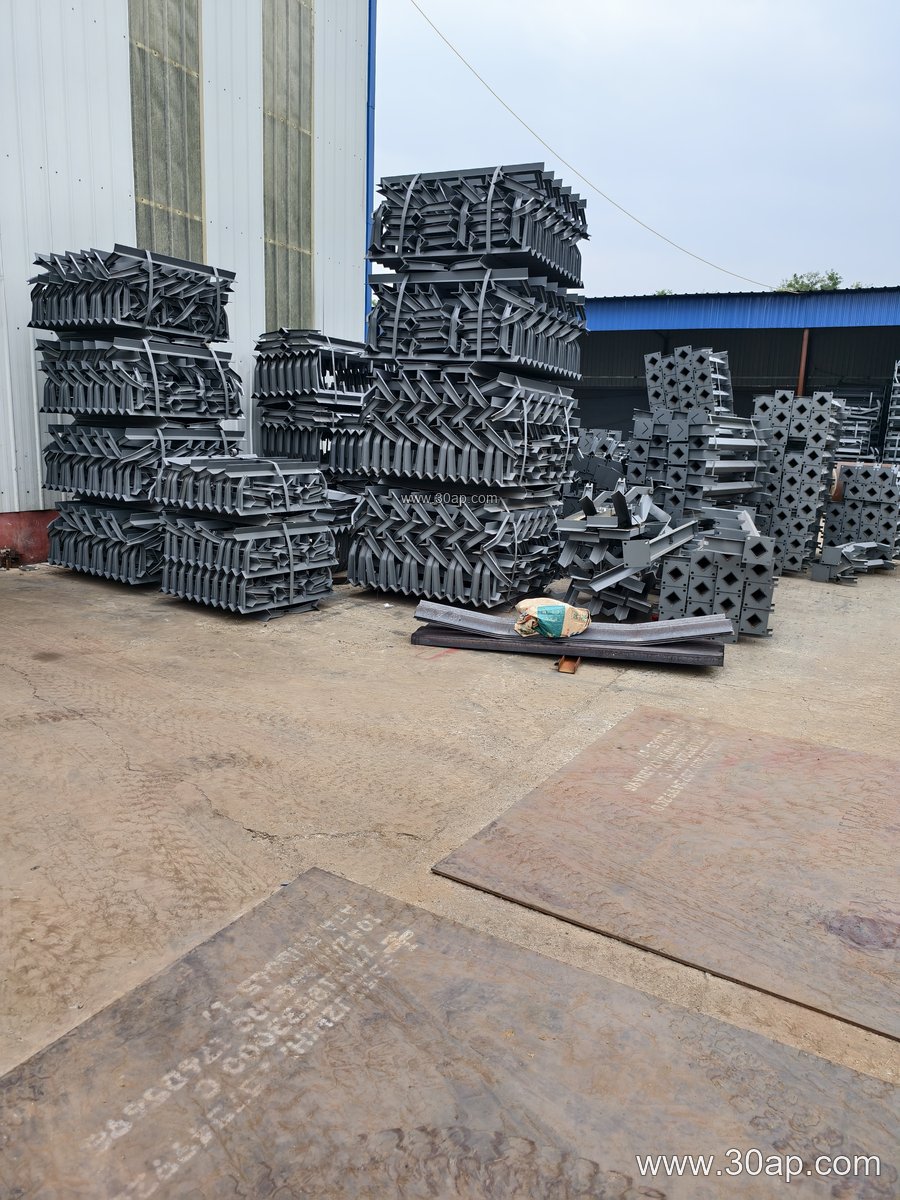
- Item: Troughing bracket, 35-degree, for B800 belt, accepts Ø108 roller, material: folded steel plate, finish: painted.
- Item: Return bracket, flat, for B1000 belt, accepts Ø133 roller, material: channel steel, finish: galvanized.
- Item: Impact bracket, 30-degree, for B1200 belt, accepts Ø159 roller with rubber rings, material: heavy channel steel.
- Item: Self-aligning bracket, 35-degree, for B650 belt, accepts Ø89 roller, with pivot mechanism.
Adjustable brackets are worth asking about if the conveyor may handle different materials or if belt tracking is sensitive. They can be set to several trough angles within a range, which helps in a sand and gravel line where feed conditions vary. Fixed brackets are simpler and often preferred in a cement plant or a steel sintering plant where the duty is steady.
What to Check Before Accepting a Quotation
A good conveyor bracket quotation should specify the material thickness, the welding standard, the surface treatment, and the hardware included—bolts, nuts, and washers are sometimes quoted separately. Ask whether the bracket is designed for a specific roller diameter and whether the mounting holes are slotted for adjustment. For a tunnel muck removal project or a fertilizer handling facility, corrosion resistance and dust buildup may matter more than in a dry iron ore mine. Also confirm that the quotation distinguishes between drive, tail, and bend pulleys when brackets near those pulleys are mentioned; these pulleys are not interchangeable, and the bracket layout around a drive pulley differs from that around a tail pulley. Finally, check that the quotation lists the belt width, trough angle, and roller diameter for every line, so you can verify the fit against your conveyor design. A clear, itemized quotation is the best way to avoid mismatched brackets on site.