What an Impact Idler Bracket Does
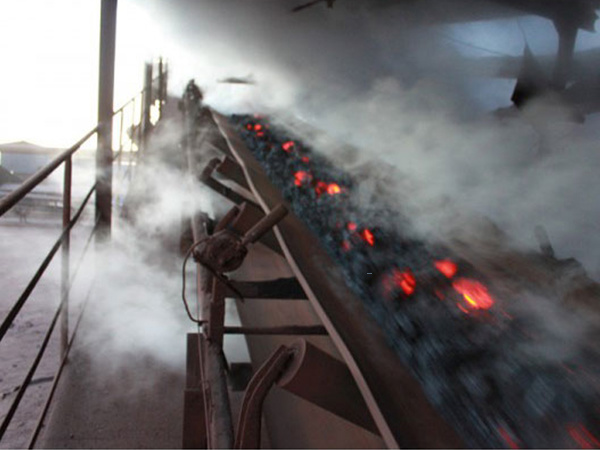
At a conveyor loading point, the belt takes a beating. Rock, coal, clinker or aggregate drops onto it, and the conveyor belt flexes hard against whatever supports it. An impact idler bracket is the mounting frame that holds the impact idler roller in the right position under that drop zone. It keeps the roller close to the belt, absorbs the shock through the roller’s rubber rings, and spreads the load so the belt is not pinched or cut.
In a crushing and screening line, a quarry, or a coal washing plant, this bracket is usually the first support the material stream meets. It is not a carrying bracket for ordinary sections, and it is not a return bracket. It has one job: support impact idlers at the point of highest load.
How the Bracket Is Built
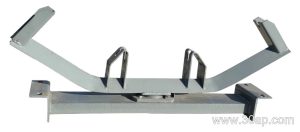
Most impact idler brackets are fabricated from angle steel, channel steel or folded steel plate. The frame is welded and then drilled or slotted so the idler shaft sits in a stable cradle. Because the bracket sits under falling material, the build focuses on stiffness and simple replacement rather than fine adjustment.
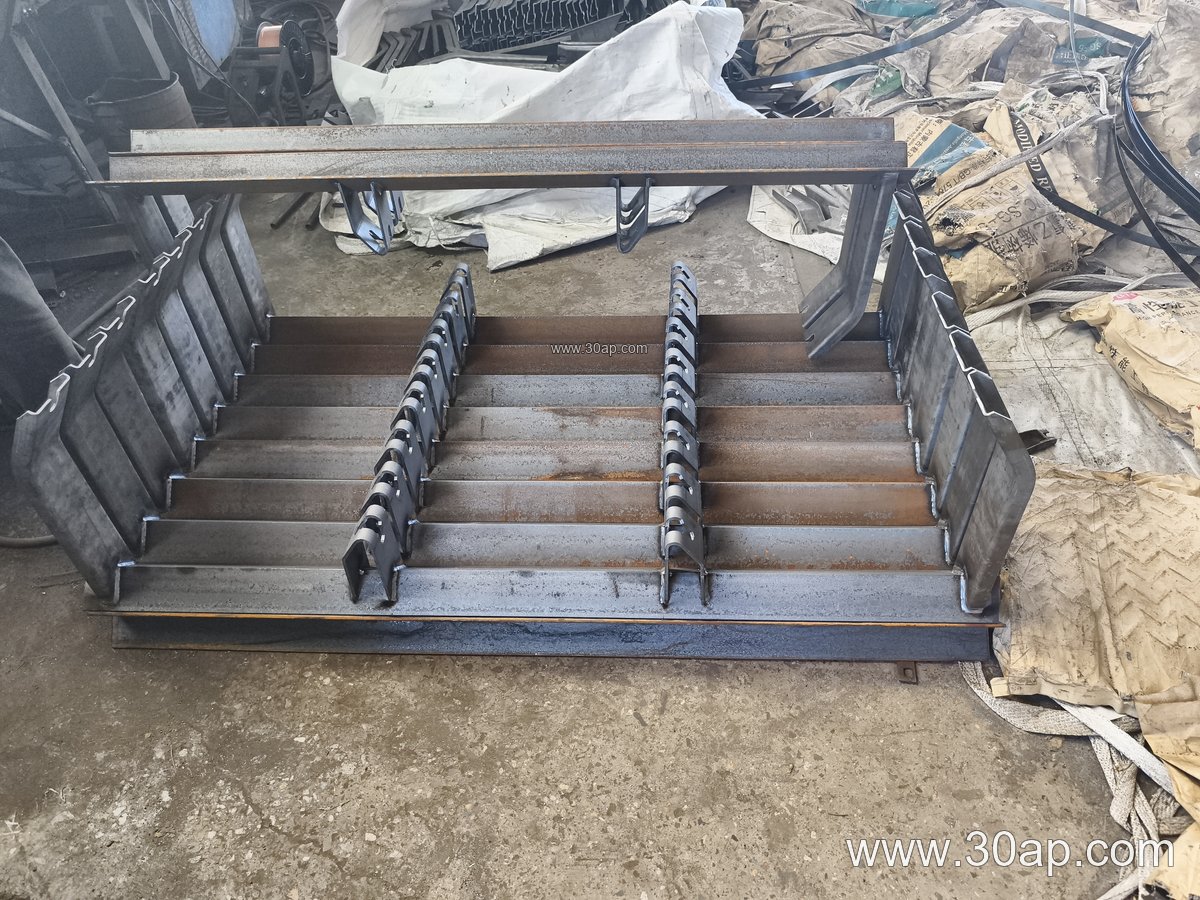
Typical construction details include:
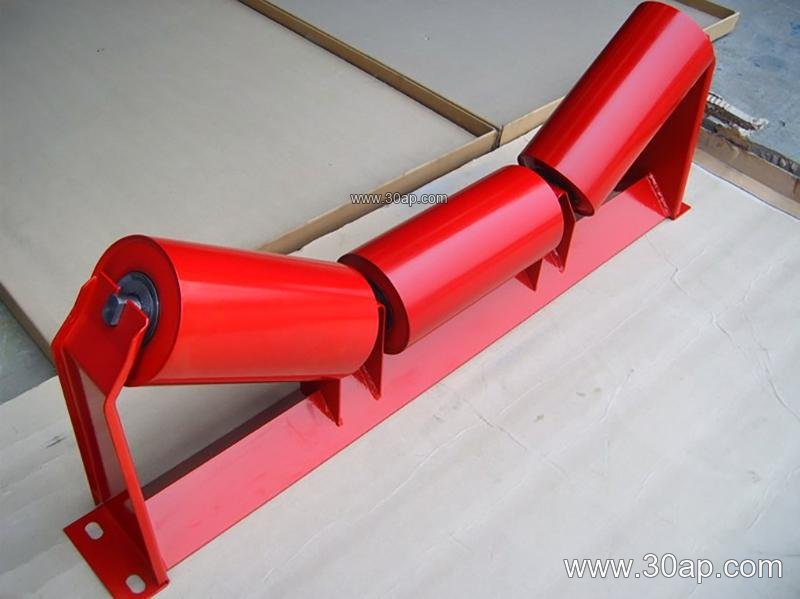
- Two side plates or a channel crossbeam that carry the idler shaft
- Mounting feet or bolt holes for fixing to the conveyor stringer
- Slots or keyways that allow the idler to be dropped in and lifted out
- Reinforcing ribs where the frame meets the conveyor bracket structure
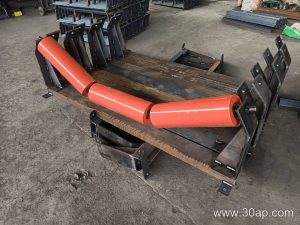
The bracket and the idler roller work as a pair. A bracket that flexes will let the roller ride unevenly, so the frame is often heavier than a standard carrying bracket of the same belt width.
Where It Fits on the Conveyor
Impact idler brackets are placed at transfer points, chute outlets, crusher discharges and any spot where the belt receives a vertical or angled load. In a cement plant they sit under the clinker drop; in a sand and gravel line they sit below the primary screen feed. They are commonly installed in a short group of two to five frames so the impact is shared before the belt settles onto normal carrying idlers.
They should not be confused with other support hardware. A bend pulley, a drive pulley and a tail pulley all redirect or drive the belt, while a conveyor bracket such as this one only holds an idler roller. A troughing bracket on the normal run can look similar, but it is not designed for impact service.
Common Configurations and Reference Sizes
Impact idler brackets follow the belt width and the idler roller diameter. The table below shows typical reference combinations; actual mounting hole spacing and crossbeam length are set by the conveyor design, not by belt width alone.
| Belt width | Trough angle | Idler diameter | Typical use |
|---|---|---|---|
| B650 | 30 degrees | Ø89 | Small transfer points, light aggregate |
| B800 | 35 degrees | Ø108 | Sand and gravel lines, small crushers |
| B1000 | 35 degrees | Ø133 | Coal washing, cement raw material |
| B1200 | 45 degrees | Ø133 | Iron ore, heavy rock feed |
| B1400 | 45 degrees | Ø159 | Power plant coal handling, large chutes |
| B1600 | 45 degrees | Ø159 or Ø194 | High-tonnage primary crushing |
These are common reference values. A B1200 conveyor does not have to use a 45 degree angle, and a Ø133 idler is not fixed to one belt width. The bracket must match the selected idler shaft and the conveyor frame.
What a Buyer Should Check
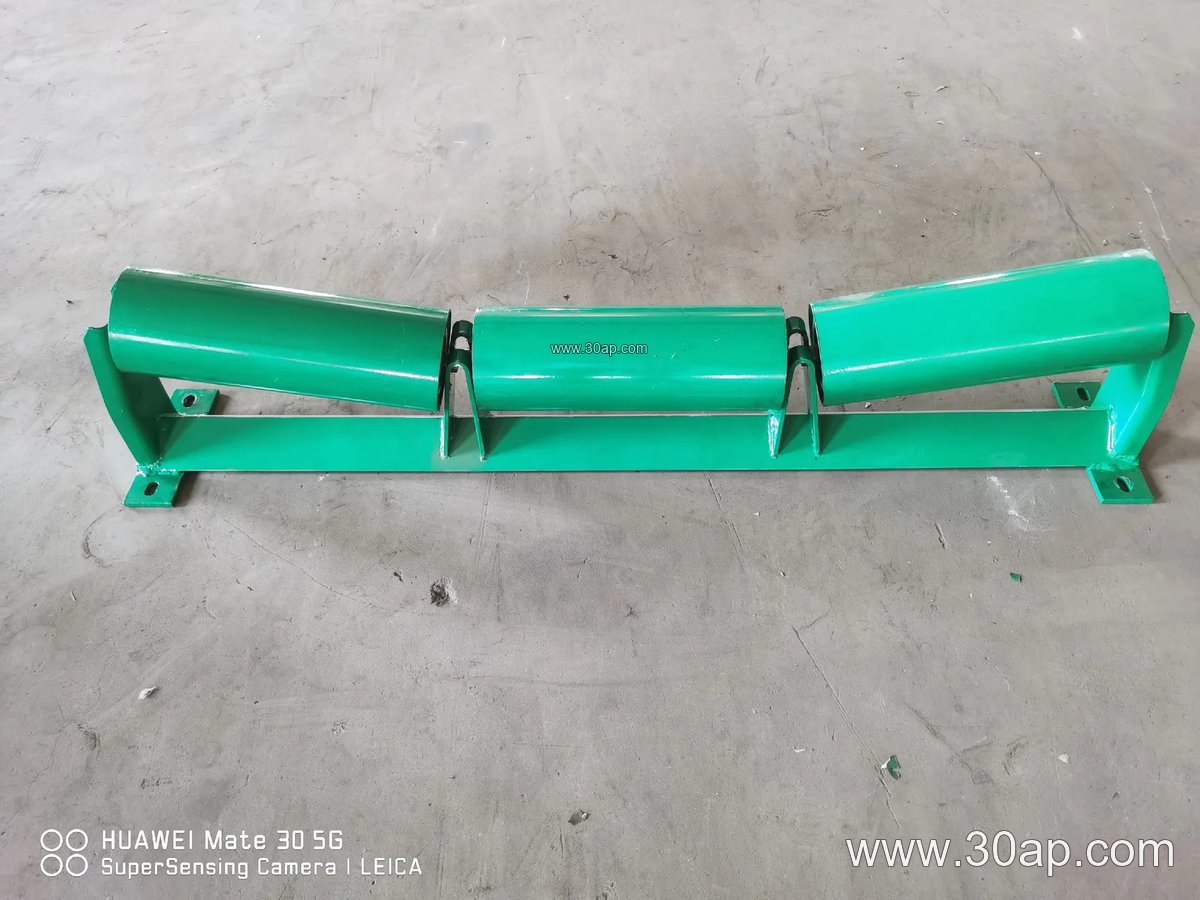
Before ordering, confirm the belt width, the trough angle and the idler shaft size. Ask whether the bracket is a fixed version or an adjustable type, since adjustable brackets let maintenance staff set the angle within a range instead of replacing the frame. Check the mounting hole pattern against the existing conveyor bracket on site, and confirm the material thickness suits the impact load.
Also confirm that the bracket is meant for impact idlers, not for a standard troughing idler or a return idler. The roller and frame are matched parts, and a mismatch can shorten belt life at the loading point.
Maintenance Notes
Inspect the bracket whenever impact idlers are replaced. Look for bent side plates, cracked welds, elongated bolt holes and loose fasteners. A frame that has lost its shape will let the roller sit low, and the conveyor belt will rub or flex excessively. Keep the area under the chute clear so material does not build up against the bracket. In dusty plants such as a limestone mine or a fertilizer handling facility, clean the mounting faces so the idler seats correctly.