What Is a Multi-Ply Fabric Core Conveyor Belt
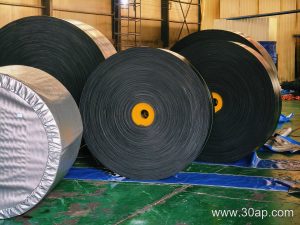
A multi-ply fabric core conveyor belt is a heavy-duty rubber belt built around several layers of woven fabric. These layers, known as plies, are bonded together with rubber and covered with top and bottom rubber sheets. The fabric core gives the belt strength and resistance to impact, while the rubber covers protect the carcass from abrasion, moisture and chemicals. In mines, cement works, power stations and sand and gravel yards, this type of belt is often the backbone of bulk material handling lines, carrying crushed rock, clinker, coal or aggregate over long distances.
Buyers may also see it called a multi-ply textile conveyor belt or a fabric-reinforced conveyor belt. These names refer to the same product family. The number of plies and the fabric material determine the belt’s tensile strength and load capacity, so selection should always start from the conveyor design rather than from a single catalog number.
Construction and Key Components
The carcass is usually made of EP (polyester warp, polyamide weft) or NN (nylon-nylon) fabric. EP fabric offers low elongation and good dimensional stability, while NN fabric provides high flexibility and impact resistance. The plies are pressed and vulcanized together with rubber skim layers between them. The top and bottom covers are made of abrasion-resistant, heat-resistant, oil-resistant or flame-retardant rubber compounds, depending on the duty. Edge construction can be cut edge or moulded edge; cut edge is common for general industrial use, while moulded edge suits applications where edge damage is a concern.
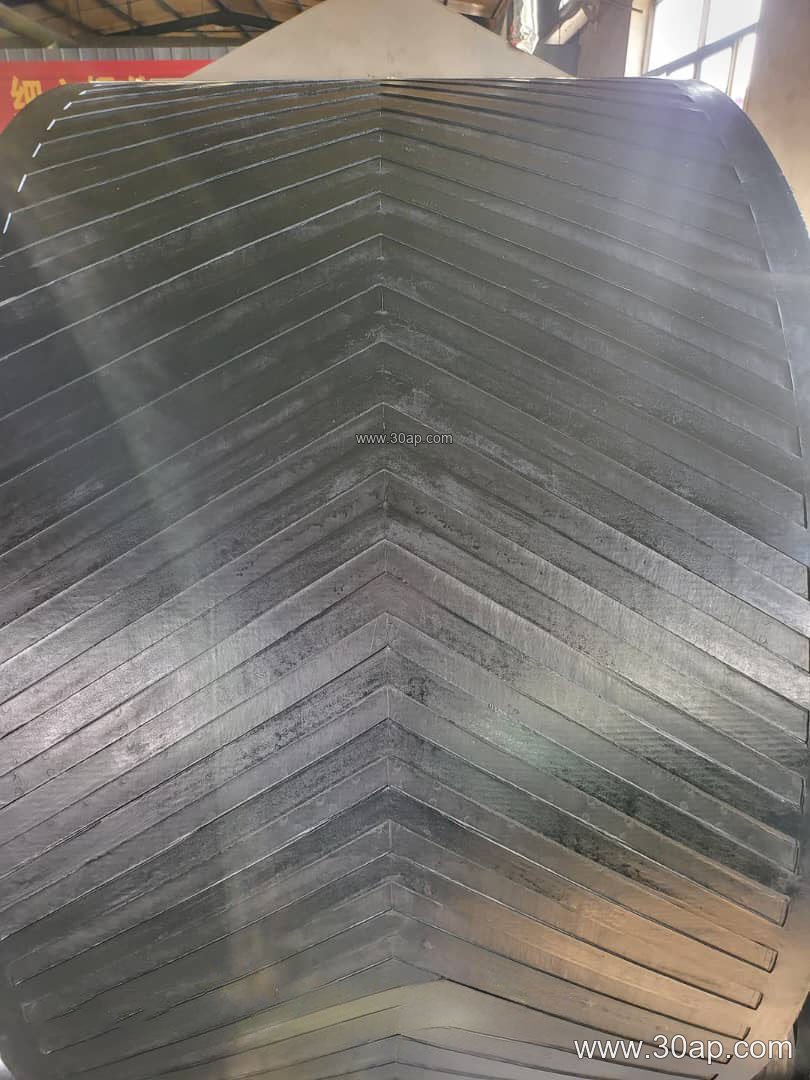
Typical cover thickness combinations include 3+1.5 mm, 4+2 mm, 5+2 mm, 6+2 mm and 8+3 mm. The first number is the top cover and the second is the bottom cover. The carcass usually has 2 to 6 plies. A belt with more plies is not automatically better; the right ply count depends on the required strength, pulley diameters and troughability.
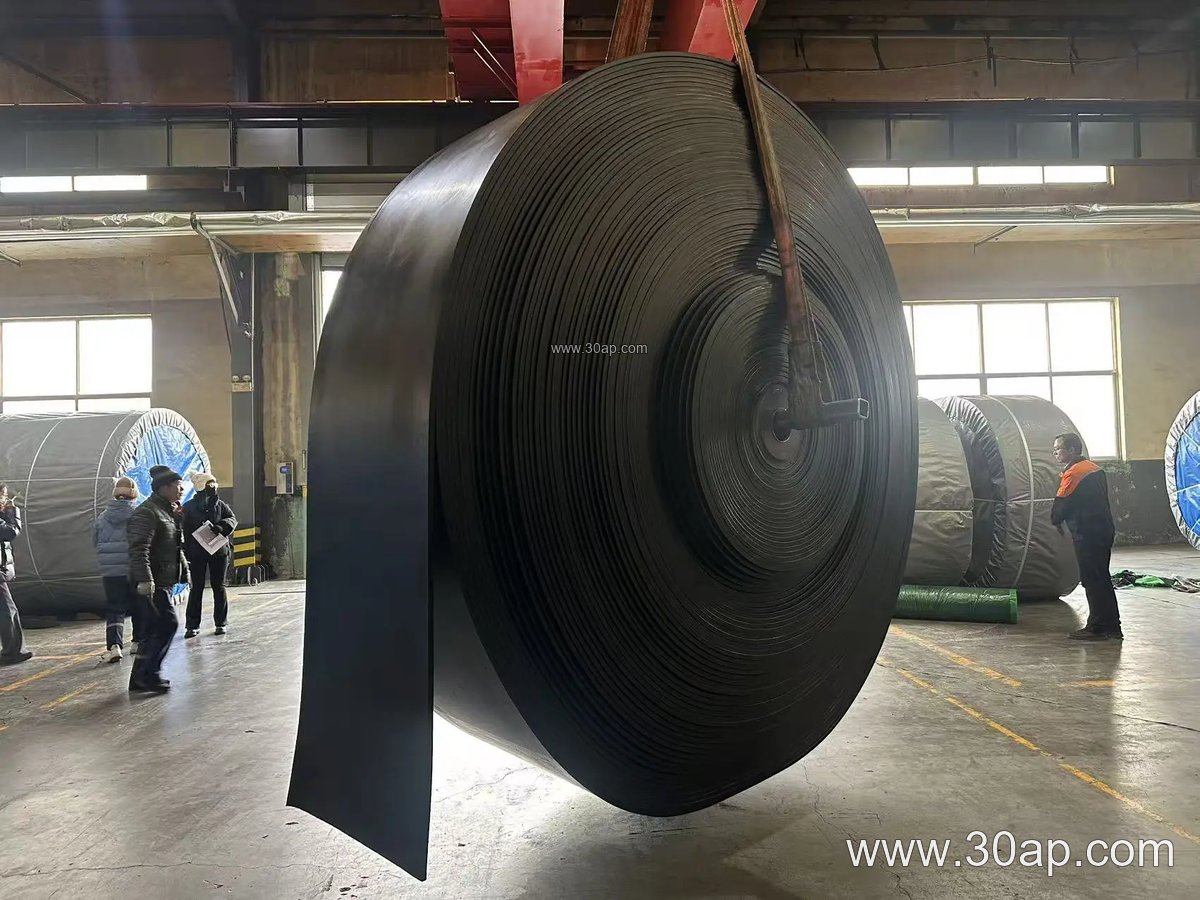
Common Specifications and Reference Data
The following table gives typical reference values for multi-ply fabric core belts. Actual values vary by manufacturer and should be confirmed against the conveyor design.
| Property | Common Reference Range |
|---|---|
| Belt type | EP or NN fabric core |
| Strength grade | EP200, EP315, EP400, EP500, EP630, EP800, EP1000, EP1250, EP1600, EP2000 |
| Belt width | B500, B650, B800, B1000, B1200, B1400, B1600, B1800, B2000 |
| Number of plies | 2 to 6 (commonly 3 to 5) |
| Cover thickness | 3+1.5 mm, 4+2 mm, 5+2 mm, 6+2 mm, 8+3 mm |
| Cover properties | Abrasion resistant, heat resistant, oil resistant, flame retardant, antistatic, cold resistant, acid and alkali resistant |
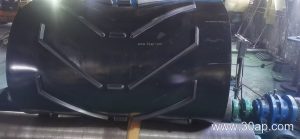
| Surface forms | Smooth, patterned, chevron, corrugated sidewall |
Strength grades such as EP200 or EP1000 indicate the nominal tensile strength of the carcass in newtons per millimeter of belt width. A higher grade does not replace correct engineering; belt width, speed, load and pulley sizes must all be checked together. For example, a B800 belt may run on different conveyor pulley diameters depending on the ply count and the system layout. There is no fixed rule that one belt width matches only one pulley diameter.
Where It Is Used
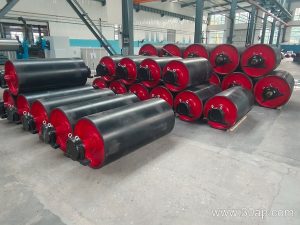
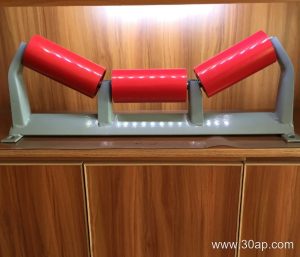
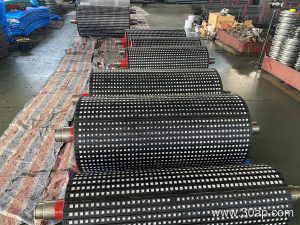
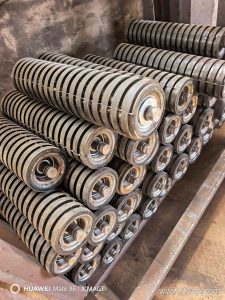
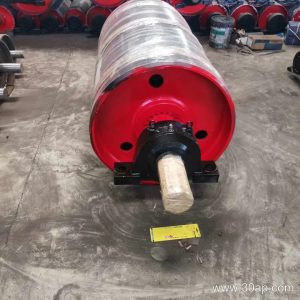
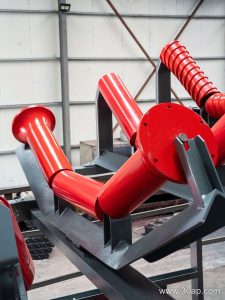
Multi-ply fabric core belts are widely used in primary and secondary crushing circuits, stockyard conveyors, coal handling systems and clinker transport. In a sand and gravel plant, they often carry abrasive aggregate and need good cut and gouge resistance. In a cement plant, heat-resistant grades may be needed after the kiln or clinker cooler. In a power plant, flame-retardant and antistatic belts are common for coal handling. The belt works together with conveyor pulleys, idler rollers and conveyor brackets, and the whole system should be reviewed when changing belt specifications.
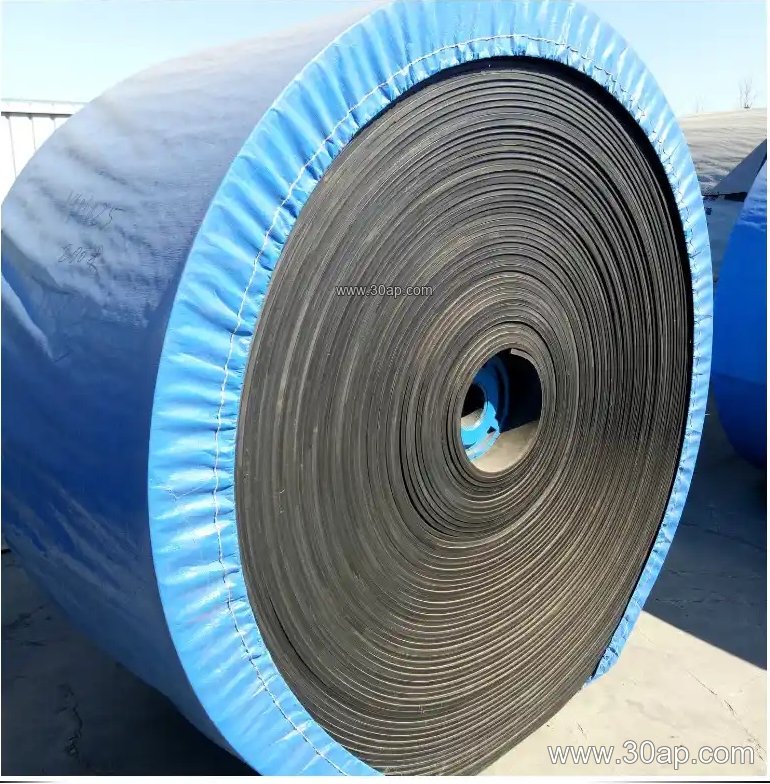
For comparison, a steel cord conveyor belt is another subtype used for very long, high-tension conveyors. It is not a replacement for a fabric core belt in every case; each has its own range of economic and technical suitability. Similarly, PVC and PVG belts serve different fire-safety and application needs and should not be treated as direct substitutes without a proper review.
Buyer Checklist
- Confirm the required strength grade and ply count from the conveyor design, not from guesswork.
- Match cover thickness and cover compound to the material being carried, such as abrasive rock, hot clinker or oily feedstock.
- Check belt width against the existing conveyor frame, idler roller arrangement and pulley face width.
- Review pulley diameters, take-up travel and transition distances to avoid excessive edge stress.
- Specify flame retardant and antistatic properties where the environment requires them.
- Ask for the manufacturer’s actual data sheet, because reference values in this article are not a supply promise.
Installation and Maintenance Notes
Correct splicing is critical. A poorly made splice can reduce belt life more than normal wear. Keep conveyor pulleys and idler rollers aligned, and maintain conveyor brackets so the belt trains properly. Avoid material buildup on return rolls, as it can cause tracking problems and edge damage. Store belts in a dry, shaded place and do not kink them during handling. When replacing a belt, compare the old and new specifications, including ply count, cover thickness and strength grade, to avoid a mismatch with the drive and tail pulleys.
In short, a multi-ply fabric core conveyor belt is a versatile and repairable solution for many bulk handling duties. The right choice comes from matching the carcass, covers and dimensions to the actual conveyor, not from selecting the highest strength number alone.