What a 650mm Conveyor Belt Is
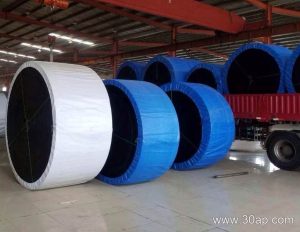
A 650mm conveyor belt is a belt with a nominal width of 650 millimeters, commonly written as B650 in specification sheets and project drawings. It sits between the narrower B500 and the wider B800 in the standard range, which makes it a practical middle choice for medium-capacity conveying lines. You will see it in mining tunnels, coal preparation plants, cement clinker lines, power station coal yards, sand and gravel pits, and general bulk handling yards where the tonnage does not justify a wider belt but the duty is still continuous and demanding.
Because the width is fixed, the real variety lies in construction. Two belts of 650mm width can behave very differently depending on carcass, cover grade, and surface form, so buyers should treat the width as the starting point rather than the whole specification.
How the Belt Is Built
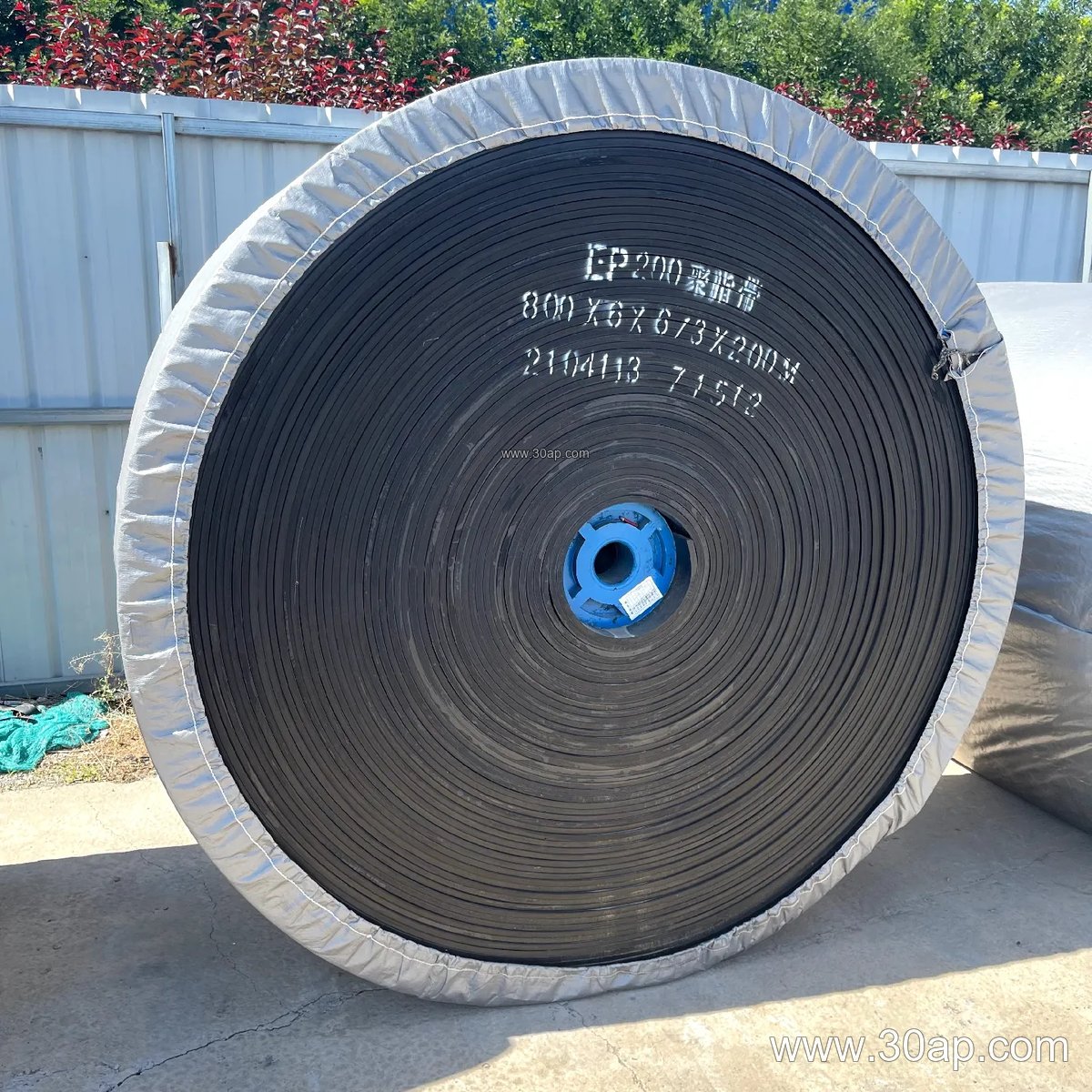
The carcass carries the tension. Common options include EP fabric (polyester-warp, nylon-weft), NN nylon fabric, and steel cord construction for heavier duty. EP grades such as EP200, EP315, EP400, EP500, EP630, and EP800 are frequently seen at this width, with higher grades used where the conveyor profile is long or the load is severe. Fabric belts usually have two to six plies, selected by the engineer rather than by habit.
Cover rubber protects the carcass. Typical thickness combinations are 3+1.5 mm, 4+2 mm, 5+2 mm, 6+2 mm, and 8+3 mm, where the first number is the top cover and the second is the bottom cover. The top cover takes the abrasion and impact; the bottom cover runs against the idler rollers. Cover compounds are chosen for the environment: abrasion resistant for sand and gravel, heat resistant for cement and clinker, oil resistant for certain industrial feeds, flame retardant and antistatic for coal mine use, and low-temperature grades for cold climates.
Width, Pulleys and Alignment
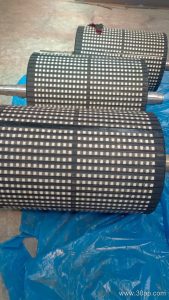
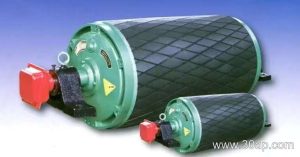
Belt width and pulley face width are related, but they are not a one-to-one rule. A 650mm conveyor belt is normally run on pulleys whose face is wider than the belt so the belt can track without edge damage. Drive pulleys, tail pulleys, and bend pulleys each do a different job, and none of them can simply stand in for another. The drive pulley transmits torque, the tail pulley returns the belt, and bend pulleys redirect it around the profile. A plant that changes its drive arrangement must review the pulley specification, not just the belt.
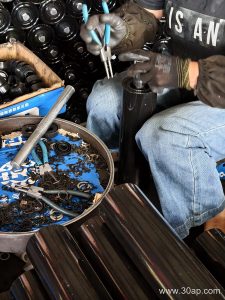
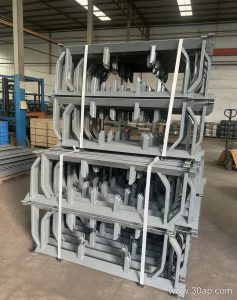
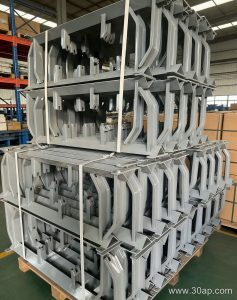
Trougher idler rollers support the loaded strand, while return idlers support the empty side. Idler spacing, trough angle, and frame alignment all affect how a 650mm belt wears. Conveyor brackets and frames should be checked for square and level during installation, because a belt that is forced to correct misalignment will fray at the edges.
Typical Duty and Where It Fits
At 650mm width, throughput is moderate but continuous. This suits transfer conveyors between crushing stages, bunker feed lines, stacker and loader feeds, and short-haul transport inside a plant. In coal handling, flame retardant and antistatic belts are often requested. In cement plants, heat resistant covers may be needed near clinker. In sand and gravel operations, abrasion resistant covers and impact resistance at loading points matter more than temperature.
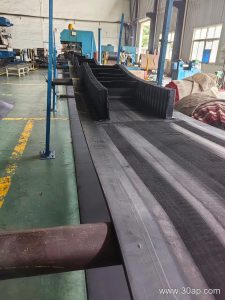
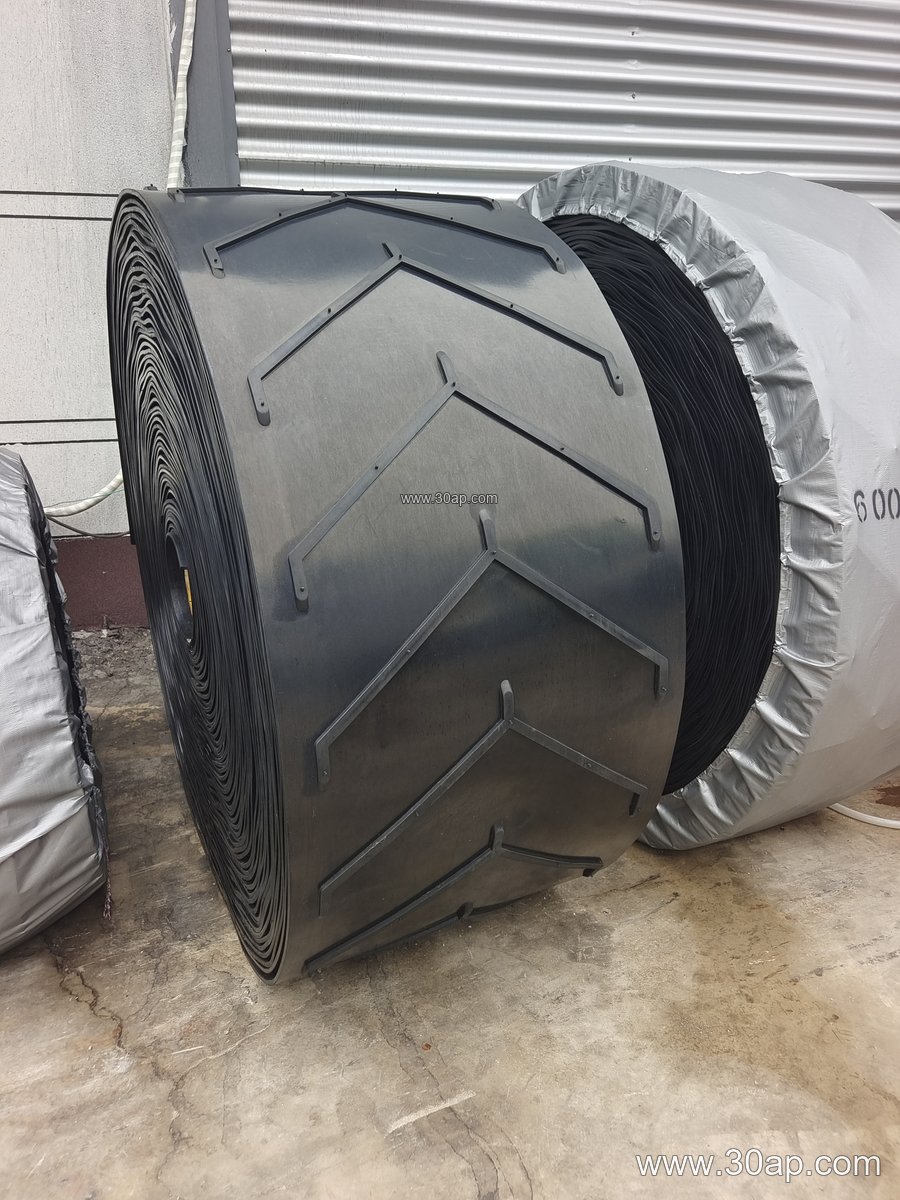
Surface form is another decision. Plain belts are standard for inclined haulage; chevron or cleated patterns help on steeper inclines; corrugated sidewall belts contain material on steep or confined routes. These are variants of the same 650mm belt, chosen for the angle and the material, not replacements for the base product.
Buyer Checklist
- Confirm the actual belt width on the drawing, not just the conveyor model number.
- State carcass type and strength grade, for example EP400 or EP630, and the number of plies.
- Specify top and bottom cover thickness, such as 5+2 mm or 6+2 mm, and the compound grade.
- Describe the environment: mine, cement plant, power station, or quarry; wet, dusty, oily, hot, or cold.
- Provide pulley diameters and the arrangement of drive, tail, and bend pulleys so belt flexibility can be checked.
- Ask for the recommended idler roller type and spacing for the load and belt speed.
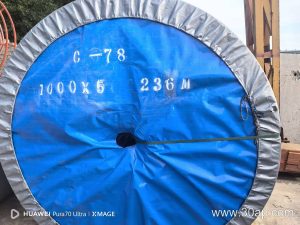
- Plan storage and splicing: belt rolls are heavy, and splice quality strongly affects service life.
None of these values should be assumed universal. Different manufacturers build to different standards, and the final specification belongs to the conveyor design, not to the width alone. A 650mm conveyor belt is a workhorse size, but it still deserves a proper engineering check before it goes into a mine, a cement line, or a power plant coal yard.