What a Conveyor Support Bracket Does on the Line
A conveyor support bracket is the structural part that holds the idler roller in place and keeps the conveyor belt at the intended profile. It sits between the idler and the conveyor frame, carrying the load from the belt and the material down into the stringers. In a quarry or a cement plant, a loose or mismatched bracket shows up quickly as belt wander, spillage, or uneven roller wear. The bracket is simple, but it sets the geometry of the whole carrying side.
Because the bracket locates the roller, it also fixes the trough angle the belt runs in. Change the bracket and the belt contact pattern changes with it. That is why this part is usually selected together with the roller, not after it.
How the Bracket Is Built
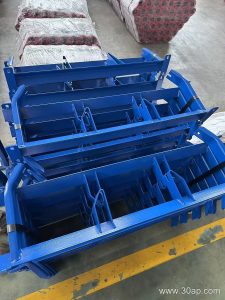
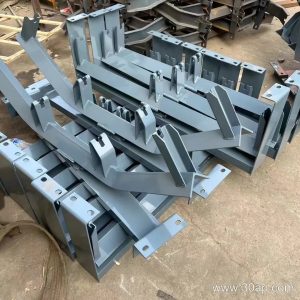
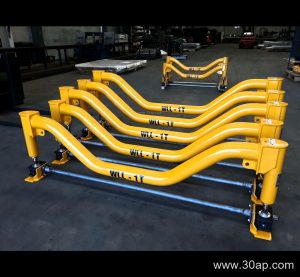
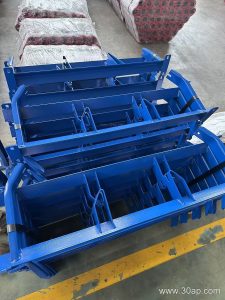
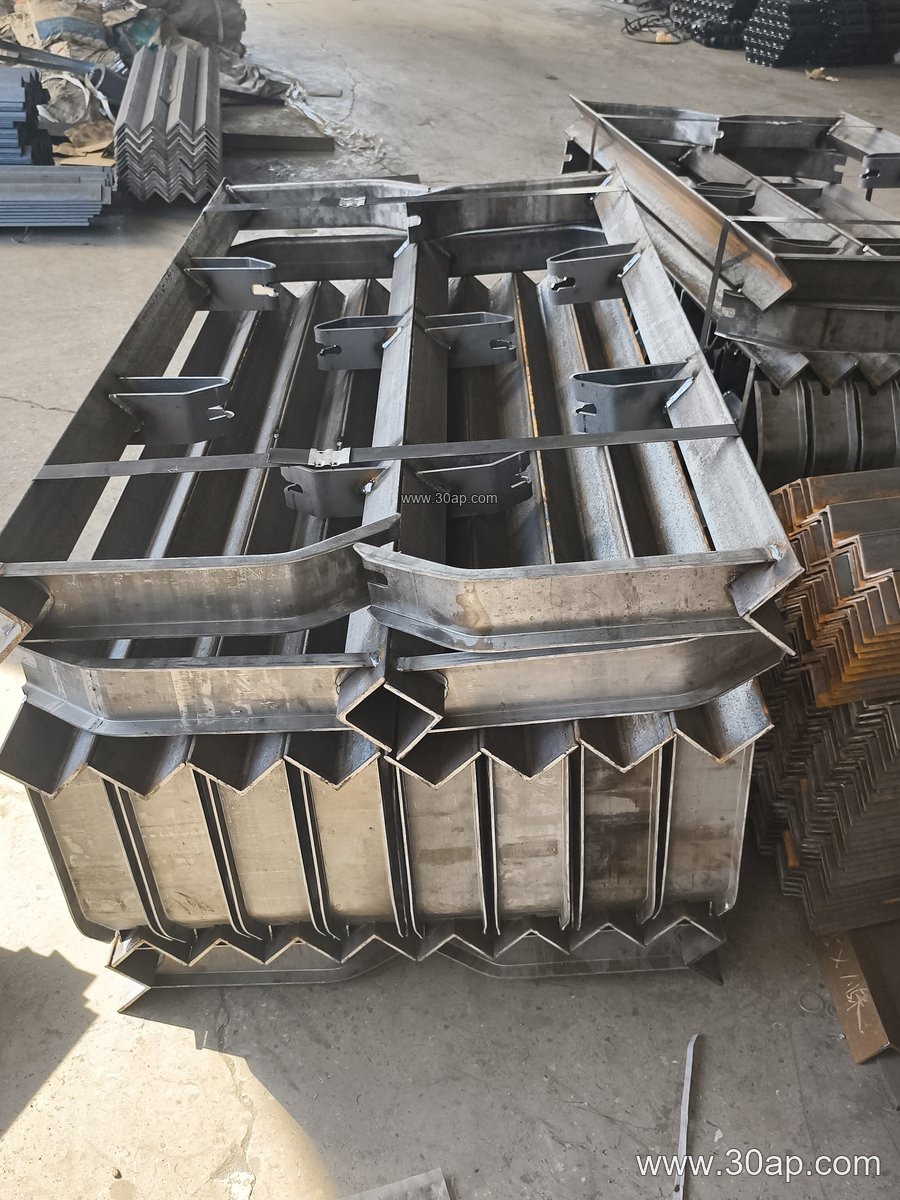
Most brackets are fabricated from angle steel, channel steel, or folded steel plate. The material choice follows the duty: a light sand and gravel line and a heavy iron ore transfer point do not need the same section thickness. Welded brackets usually have gussets or bent ears that stiffen the roller seat, and the mounting holes are drilled to suit the frame.
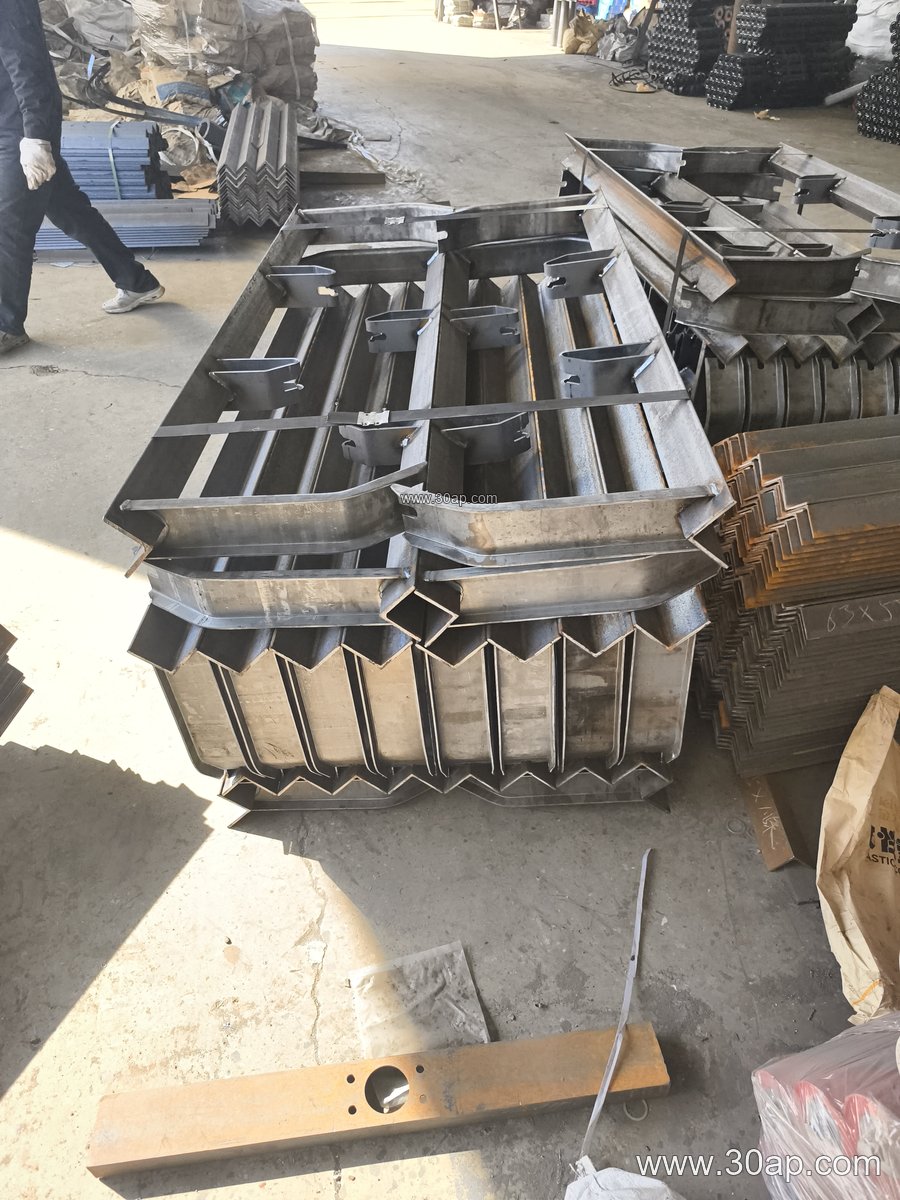
Three features matter in the build:
- The roller seat or cradle, which must hold the idler roller shaft square to the belt.
- The mounting face, which must sit flat on the stringer so the bracket does not rock under load.
- The finish, since dusty service in a coal washing plant or a power station coal yard punishes bare edges.
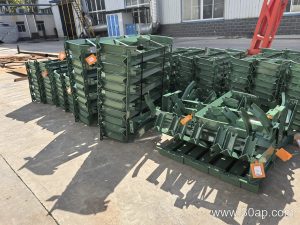
Fixed brackets are welded or bolted in one position. Adjustable brackets allow the trough angle to be set on site, which helps when a line is commissioned or when the belt is changed.
Common Types and Where They Sit
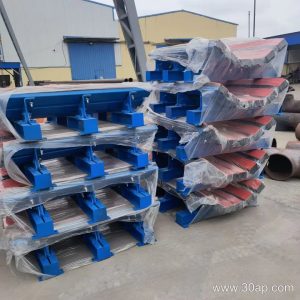
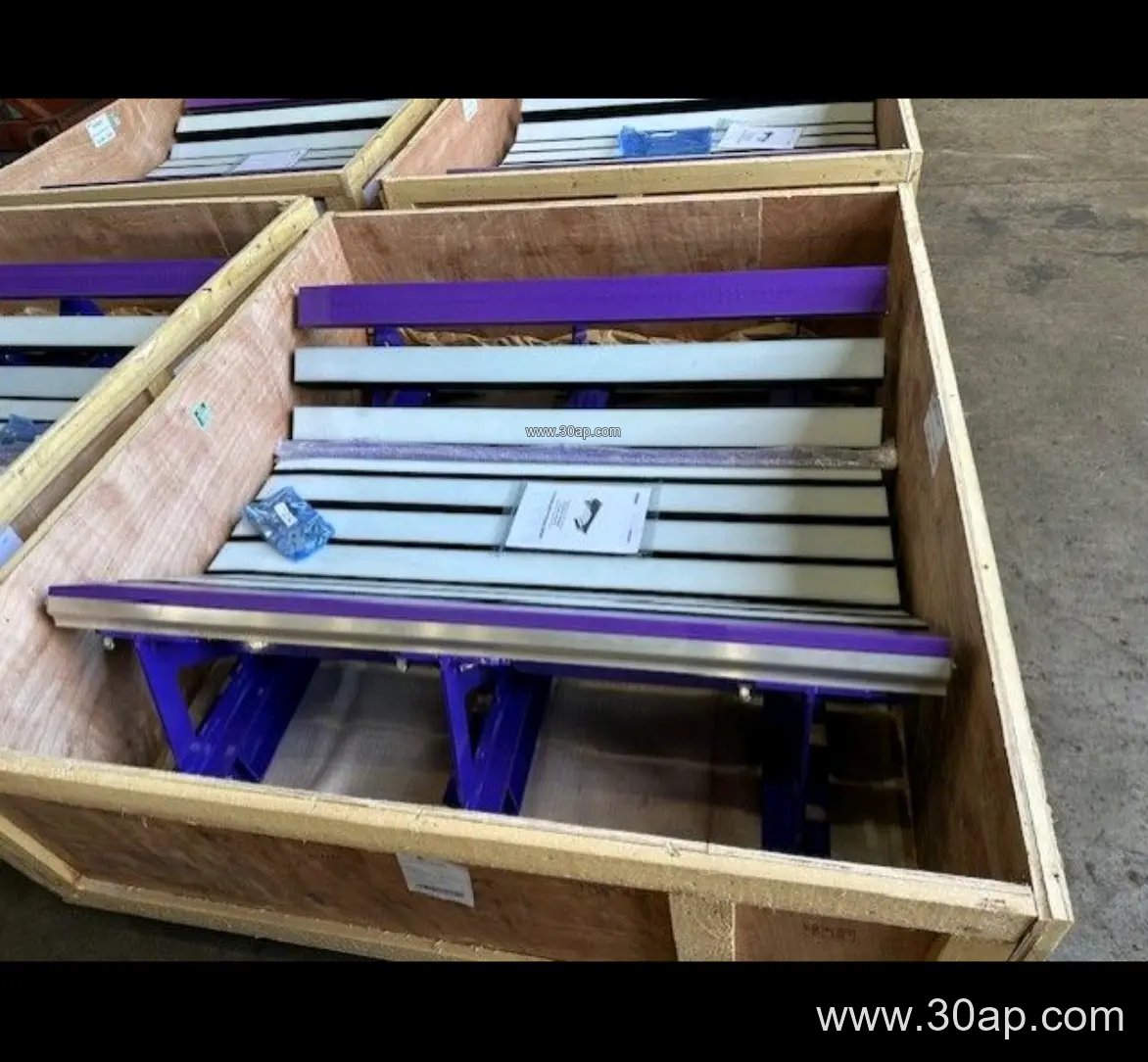
The carrying side usually takes a trough bracket, with three or five roller positions depending on belt width and load. The return side uses a flat bracket or a V-shaped return bracket. A transition bracket is fitted near the head or tail so the belt can move from flat to troughed without stress. Impact brackets with resilient roller mounts are used under loading points in stone crushing and sinter plants, where the belt takes direct falling material.
Self-aligning and forward-leaning brackets are a different group. They are chosen for tracking control rather than load support, and they work alongside the standard carrying brackets rather than replacing them.
Reference Dimensions Buyers Often Compare
The table below shows typical reference ranges, not fixed supply rules. Actual hole spacing and crossbeam length are set by the belt width, trough angle, and frame design.
| Item | Common reference values |
|---|---|
| Belt width | B500, B650, B800, B1000, B1200, B1400, B1600, B1800, B2000, B2200 |
| Trough angle | 20°, 30°, 35°, 45°; adjustable brackets can be set between these |
| Roller diameter | Ø89, Ø108, Ø133, Ø159, Ø194 |
| Forward lean (where used) | about 1.5° to 2° |
| Material | angle steel, channel steel, folded plate |
A B800 line at 35° with Ø108 rollers is a common combination, and a B1200 line at 45° with Ø133 rollers is another. Neither pairing is a rule. A wider belt does not lock the design to one roller diameter, and the same belt width may run at different trough angles in different sections of one plant.
Matching the Bracket to the Roller and the Belt
The bracket and the idler roller must agree on shaft size and seat position. If the bracket cradle is too wide, the roller will shift and the belt will drift. If it is too tight, the roller will not turn freely. Trough angle should follow the material: fine, dry material in a fertilizer or grain silo line often runs at a lower angle, while lumpy ore in a mine or a limestone quarry usually wants a deeper trough to hold the load.
On the return side, a V-shaped return bracket helps keep the belt centered and sheds dust. On the carrying side, transition brackets near the pulleys should match the pulley face and the belt path, because the conveyor pulley sets the belt line and the bracket must follow it.
Installation and Maintenance Points
- Check that all brackets in one section sit at the same height; a single high or low bracket distorts the belt.
- Use the correct bolt grade and tighten to the frame design, then recheck after the first weeks of running.
- Inspect for bent ears and cracked welds, especially after a belt jam or a large lump passing the loading point.
- Keep spare brackets for the most common sizes on the line so a damaged unit can be replaced without a long stop.
For a new project, give the supplier the belt width, trough angle, roller diameter, frame hole pattern, and the material being handled. Those five details settle most of the bracket design, and they keep the line running straight from the first start.