What a Q235 Conveyor Bracket Does on the Line
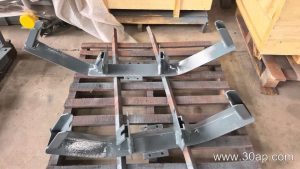
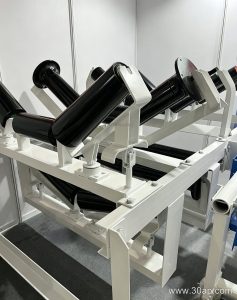
In a coal preparation plant or a limestone crushing circuit, the conveyor belt rarely gets attention until something under it shifts. The Q235 conveyor bracket is the steel component that holds the idler roller in position and keeps the belt profile stable along the run. It is, in effect, the mounting frame between the conveyor structure and the rollers, and its geometry decides the trough angle the belt takes.
The same item is often called a Q235 conveyor support bracket or a Q235 idler bracket, and those names point to the same product: a bracket fabricated from Q235 mild steel and used to carry idlers on a belt conveyor.
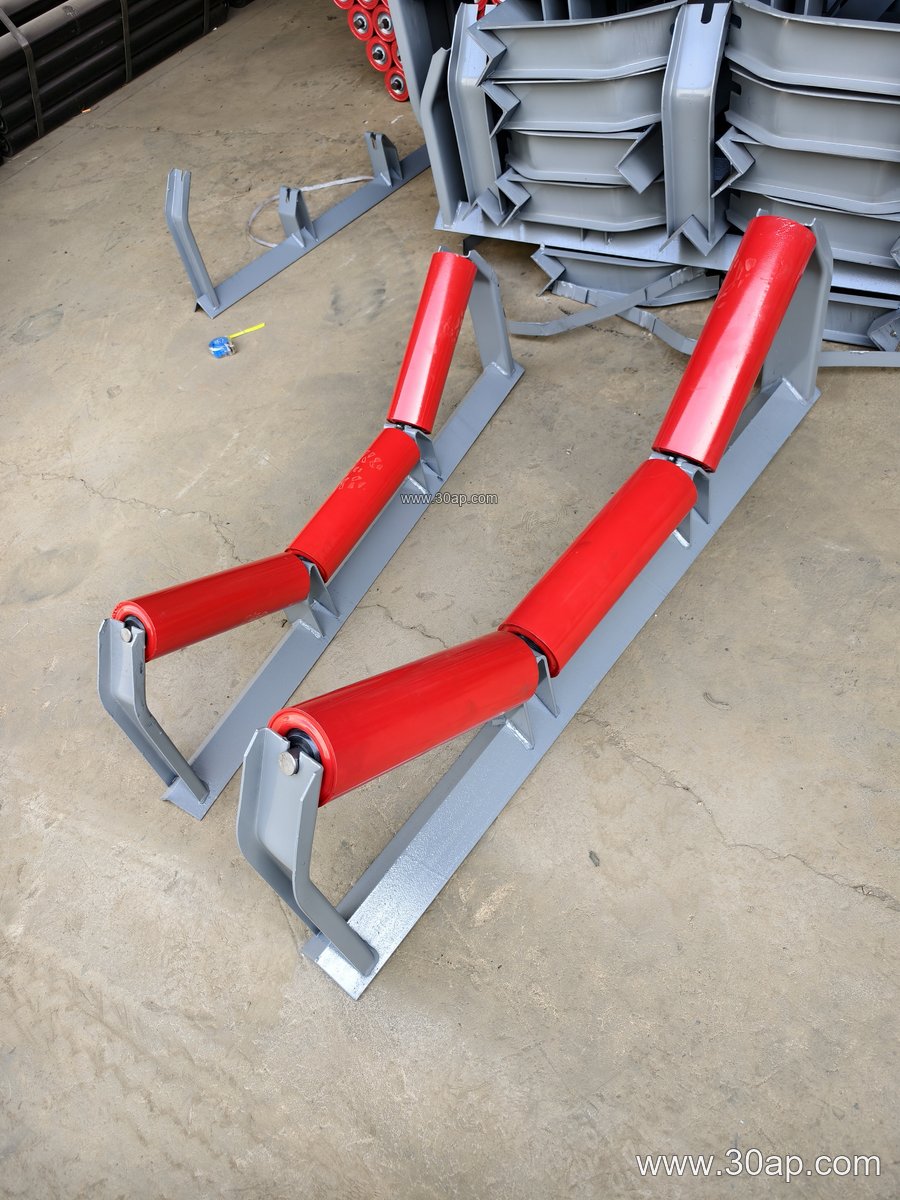
How the Bracket Is Built
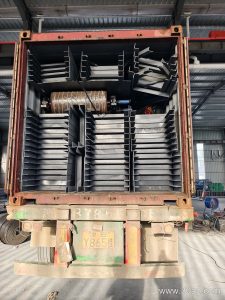
Most brackets are formed from angle steel, channel steel, or folded steel plate, welded into a shape that matches the roller positions. Q235 is a common carbon structural steel in this role because it welds easily and holds its shape under vibration. The fabrication usually includes mounting holes and a cross beam sized to the belt width and trough angle, so hole spacing and beam length vary from one design to the next.
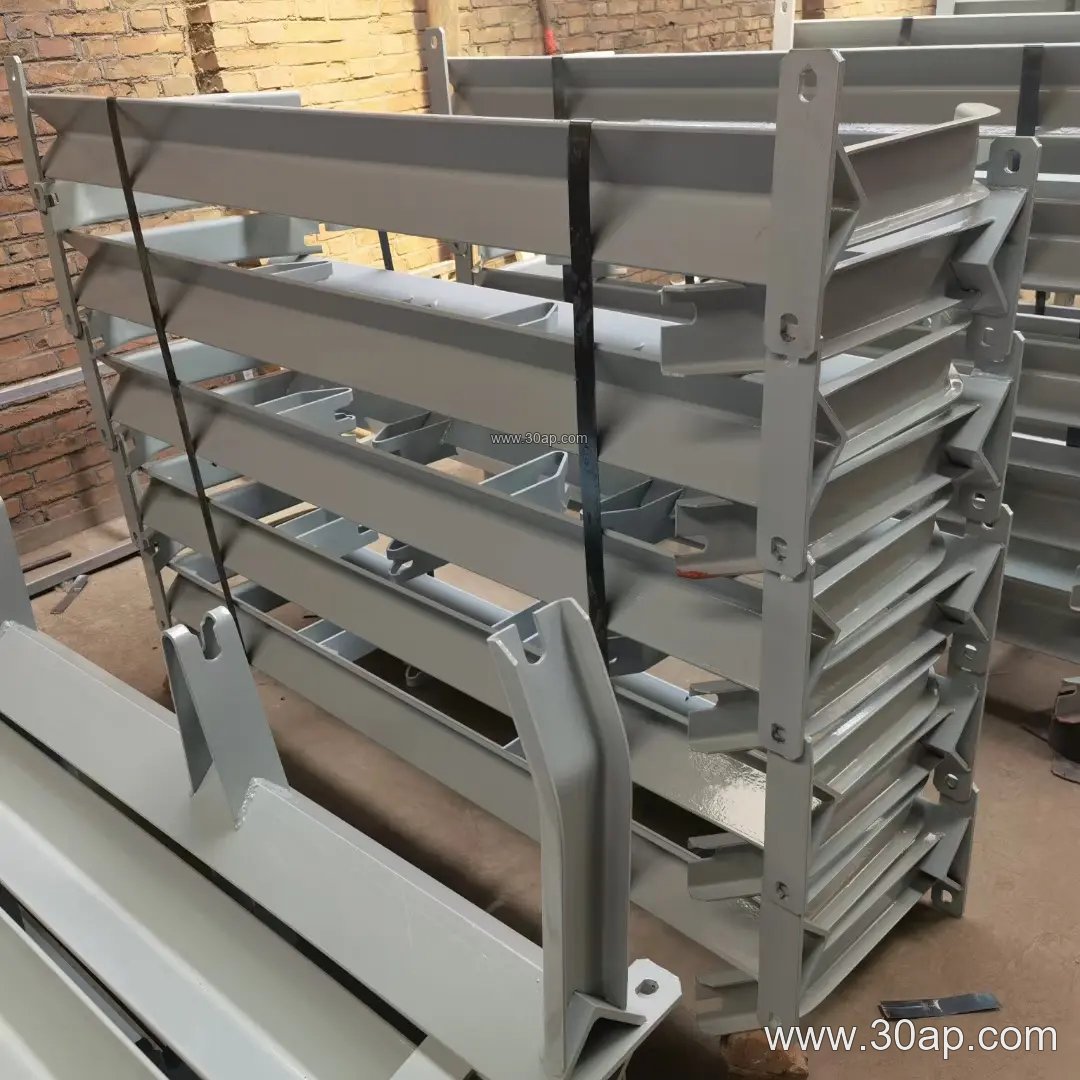
- Angle steel frames for light and medium runs
- Channel steel frames for heavier carry-side support
- Folded plate sections for compact mounting
Trough Angle and Bracket Type
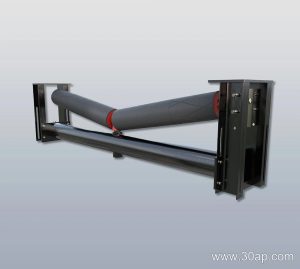
The trough angle is one of the first decisions in a support layout. Common values are 20 degrees, 30 degrees, 35 degrees, and 45 degrees. A fixed trough bracket is welded or bolted to one angle, while an adjustable bracket lets maintenance staff move between these angles on site. On the carry side, a troughing bracket holds three idlers; on the return side, a flat bracket or a V-return bracket supports the belt. Transition brackets near the head and tail pulleys ease the belt from flat to troughed.
| Bracket type | Typical position | Note |
|---|---|---|
| Troughing bracket | Carry side | Holds three rollers at a set trough angle |
| Transition bracket | Near pulleys | Gradual change of belt shape |
| Flat return bracket | Return side | Supports the empty belt |
| V-return bracket | Return side | Self-centering effect on the belt |
| Impact bracket | Load point | Carries buffer rollers under the chute |
| Self-aligning bracket | Long runs | Corrects minor belt drift |
Matching Belt Width, Roller Diameter, and Bracket
Belt width and roller diameter are linked through the bracket, but not in a one-to-one way. A B800 belt at 35 degrees may run with Ø108 idlers, while a B1200 line at 45 degrees often uses Ø133 rollers. Wider belts such as B1400 or B1600 may call for Ø159 or Ø194 rollers, depending on load and speed. B500, B650, B1000, and B2000 widths also appear across different duties. The bracket must be drilled for the chosen roller shaft and built to the cross beam length the design requires, so buyers should confirm the hole pitch rather than assume it.
Where the Bracket Fits in the Plant
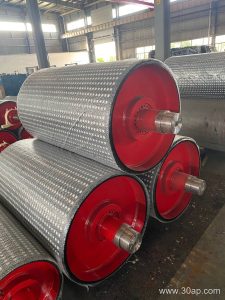
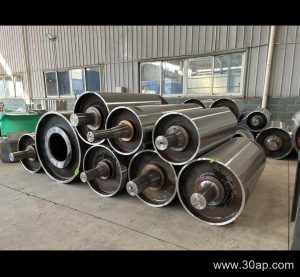
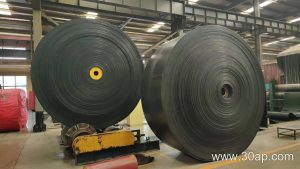
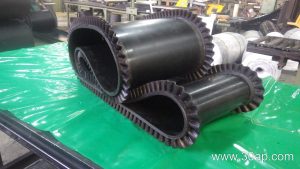
These brackets appear wherever a belt conveyor carries bulk material. In a cement plant they support the clinker and raw meal belts; in a power station coal yard they carry the coal belt through transfer towers; in a sand and gravel line they sit under the screen feed and stockpile conveyors. A wash plant, a sinter line, or a fertilizer granulation building can use the same bracket family. The conveyor pulley, the conveyor belt, and the idler roller all depend on the bracket being square and correctly positioned.
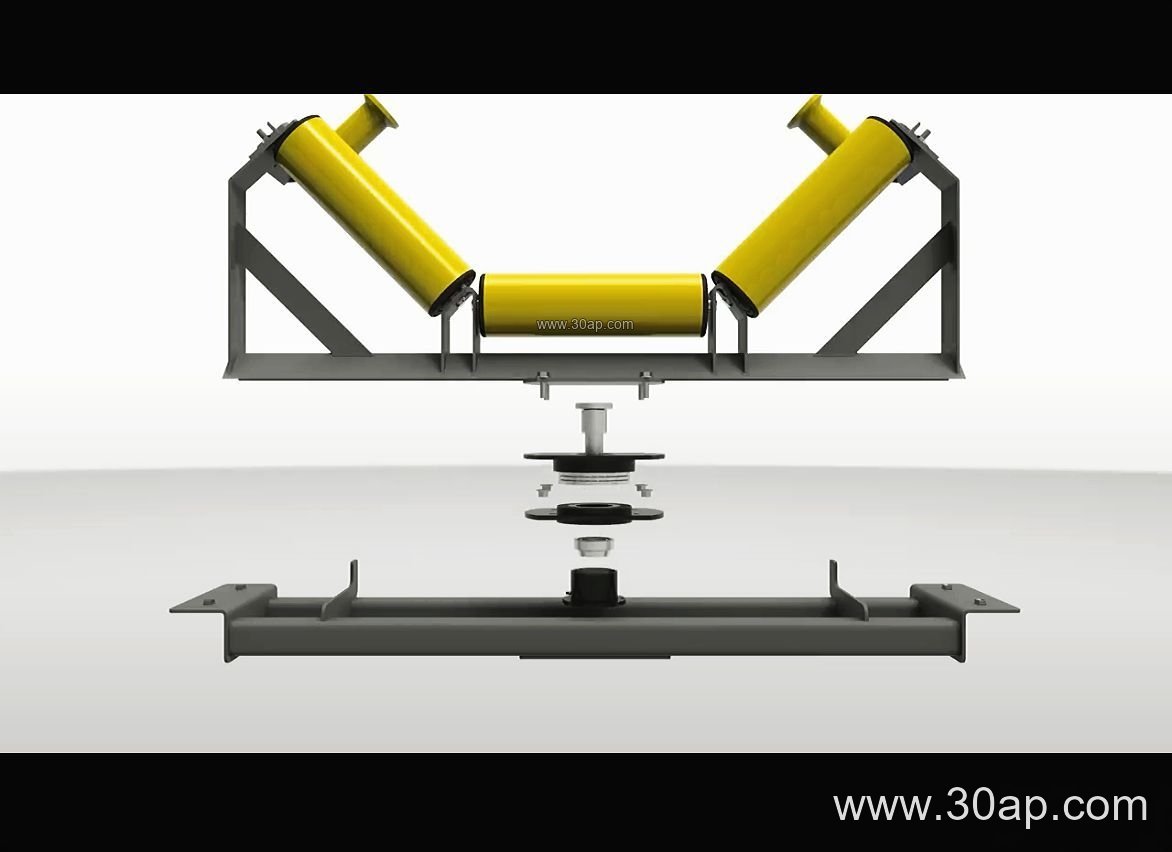
Selection and Maintenance Notes
Buyers should check the bracket material grade, the welding quality, the hole spacing, and the surface treatment before ordering. Galvanized or painted finishes help in wet or dusty service. During operation, loose bracket bolts and bent frames are common causes of roller misalignment, so periodic inspection of the support line is worthwhile. A slightly forward-tilted bracket, often about 1.5 to 2 degrees, can help belt tracking on some installations.
The Q235 conveyor bracket is a small item with a large effect on belt life, and matching it to the roller and belt width is the practical way to keep a conveyor running straight.