What a Galvanized Conveyor Bracket Does
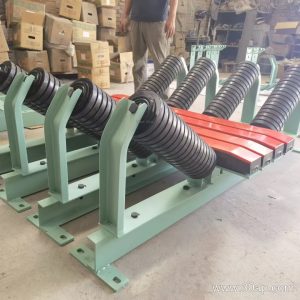
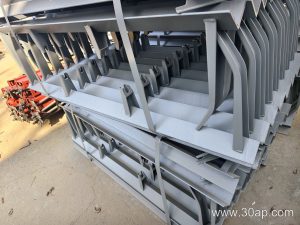
A galvanized conveyor bracket is the structural support that holds idler rollers in place along a conveyor belt. It keeps the rollers at the correct height and angle so the belt can carry material smoothly from one point to another. In a quarry, cement plant, or coal handling system, these brackets form the backbone of the idler station, and their galvanized coating helps them resist moisture, dust, and corrosive atmospheres that are common in such environments.
This bracket is also known as a galvanized idler bracket or galvanized roller support. It is not a drive pulley, tail pulley, or bend pulley, and it should never be confused with those components. The bracket is a stationary support, while pulleys transmit motion or change belt direction.
How It Is Built
Most galvanized conveyor brackets are fabricated from angle steel, channel steel, or bent steel plate. The raw steel is cut, punched, and formed, then hot-dip galvanized to create a zinc coating that protects against rust. The bracket typically includes mounting slots or holes that allow the idler roller shaft to sit securely. For troughing stations, the bracket is shaped to hold three rollers at a specific trough angle, usually 20, 30, 35, or 45 degrees. Adjustable versions let maintenance crews change the trough angle within that range to suit the material being conveyed.
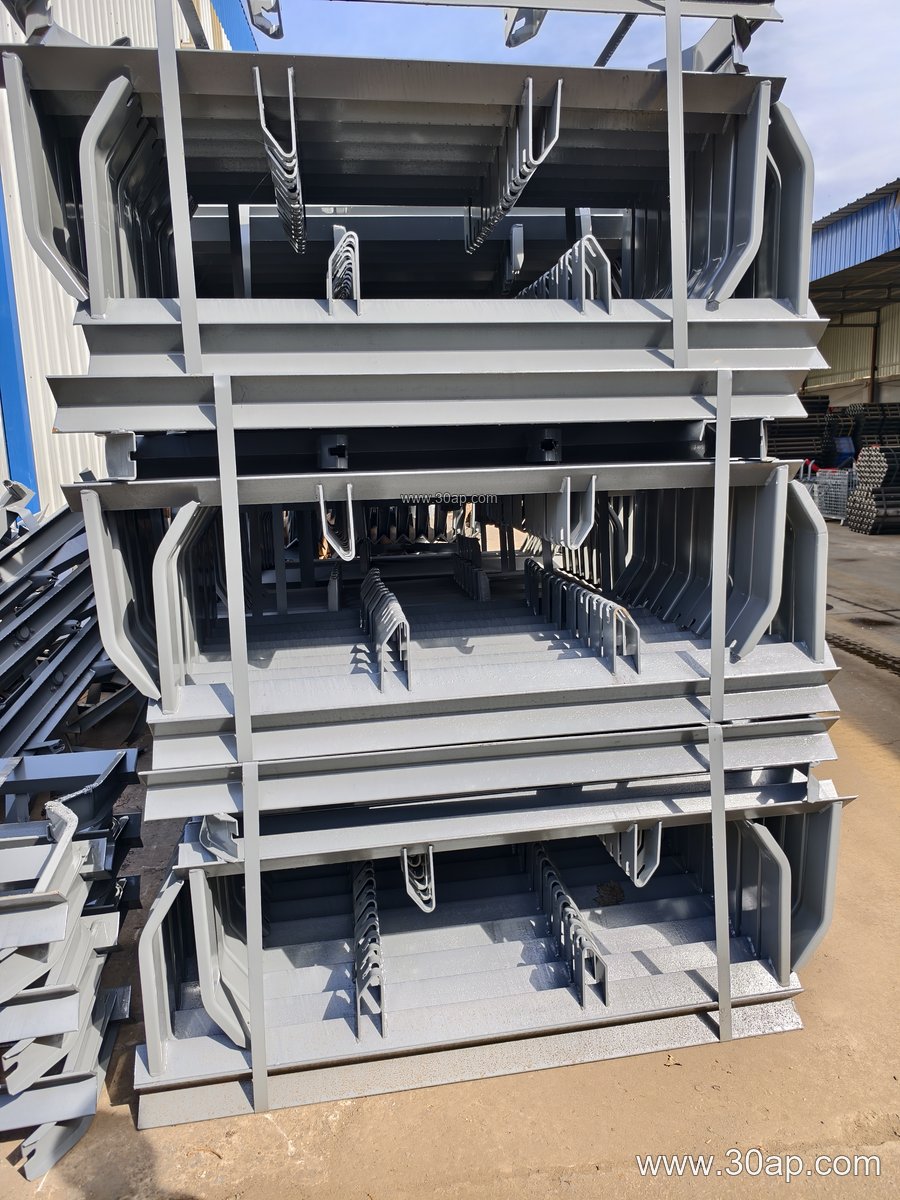
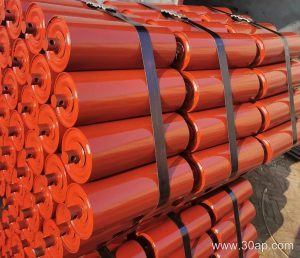
Common belt widths for these brackets include B500, B650, B800, B1000, B1200, B1400, B1600, B1800, B2000, and B2200. The bracket length and hole spacing are determined by the belt width and trough angle, so they are not fixed numbers. Roller diameters often used with these brackets are Ø89, Ø108, Ø133, Ø159, and Ø194. A typical combination might be B800 with a 35-degree trough angle and Ø108 rollers, but many other combinations are possible depending on the conveyor design.
Where It Is Used
Galvanized conveyor brackets are found in a wide range of bulk material handling operations. In a sand and gravel line, they support the troughing idlers that keep the belt in a curved shape to hold loose aggregate. In a coal preparation plant, the galvanized finish helps the brackets withstand wash-down and humid conditions. Cement plants use them on clinker and raw material conveyors, while power plant coal yards rely on them for continuous fuel feed. Other common locations include crushing and screening plants, fertilizer handling, and grain silos.
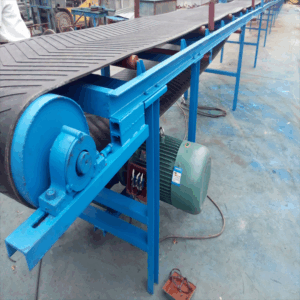
These brackets work together with the conveyor belt, idler rollers, and conveyor pulleys. The drive pulley pulls the belt, the tail pulley provides tension, and the bend pulley changes direction where needed. The brackets, meanwhile, hold the idlers that support the belt along its entire length. A well-matched bracket and roller set reduces belt sag and helps prevent material spillage.
Types and Selection Points
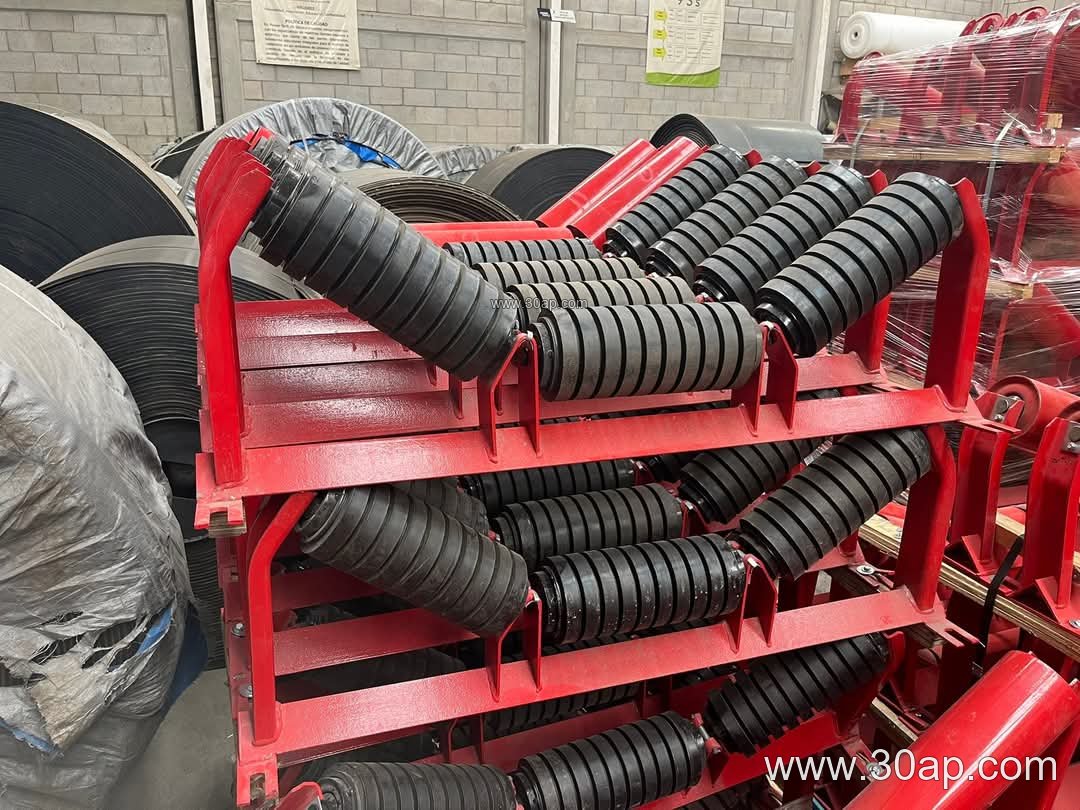
Several bracket styles are available for different positions on the conveyor. Troughing brackets carry the loaded side of the belt. Return brackets support the empty side. Impact brackets are used at loading points to absorb shock. Self-aligning brackets help keep the belt centered. Transition brackets guide the belt from flat to troughed shape. Adjustable brackets allow angle changes, while fixed brackets are set at one angle.
When choosing a galvanized conveyor bracket, buyers should confirm the belt width, the required trough angle, and the roller diameter. They should also check the mounting hole pattern to ensure it matches the idler roller frame. The bracket material and galvanizing thickness should suit the site conditions, especially in wet or corrosive areas. Installation height and available space may limit the choice between fixed and adjustable designs.
For maintenance, inspect the brackets for loose bolts, bent edges, or damaged galvanizing. Replacing a worn bracket early helps avoid roller misalignment and premature belt wear. Keeping the brackets clean and free of buildup also extends their service life.