What a Heavy-Duty Steel Conveyor Bracket Does
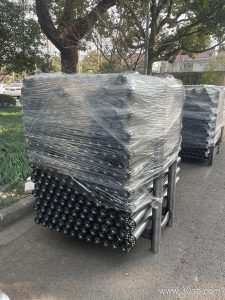
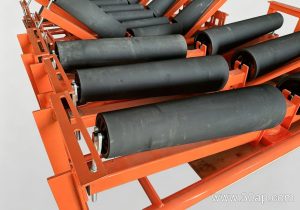
A heavy-duty steel conveyor bracket is the structural support that holds idler rollers in position along a belt conveyor. It keeps the conveyor belt at the intended profile, carries the load of material, and maintains the spacing that lets the belt track smoothly. In a quarry, a cement plant, or a power station coal yard, this bracket is often the quiet workhorse that determines how well the whole line behaves.
Although it is a simple-looking component, the bracket must resist vibration, impact from lump material, and the constant pull of the belt. That is why heavy-duty versions are made from thicker sections rather than light sheet metal.
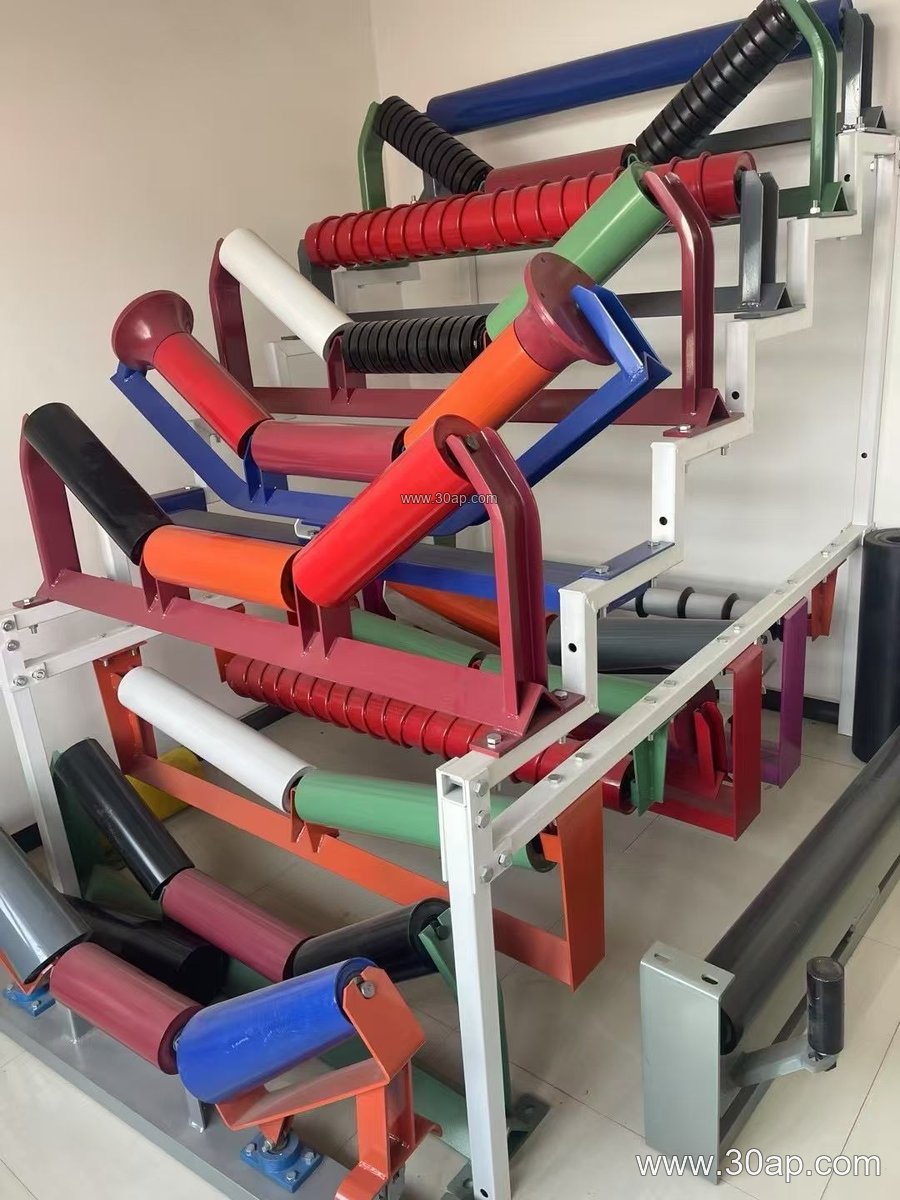
How the Bracket Is Built
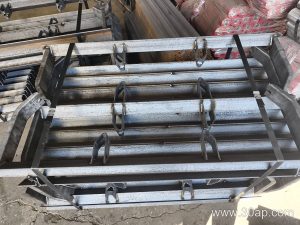
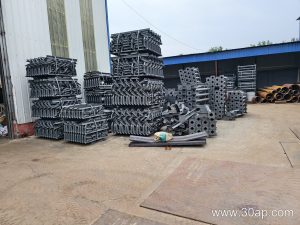
Most heavy-duty steel conveyor brackets are fabricated from angle steel, channel steel, or folded steel plate. The frame is welded or bolted into a trough shape, and mounting slots are positioned to accept the idler roller shafts. A typical bracket may include a base beam, two or three inclined arms, and reinforced gussets at the joints.
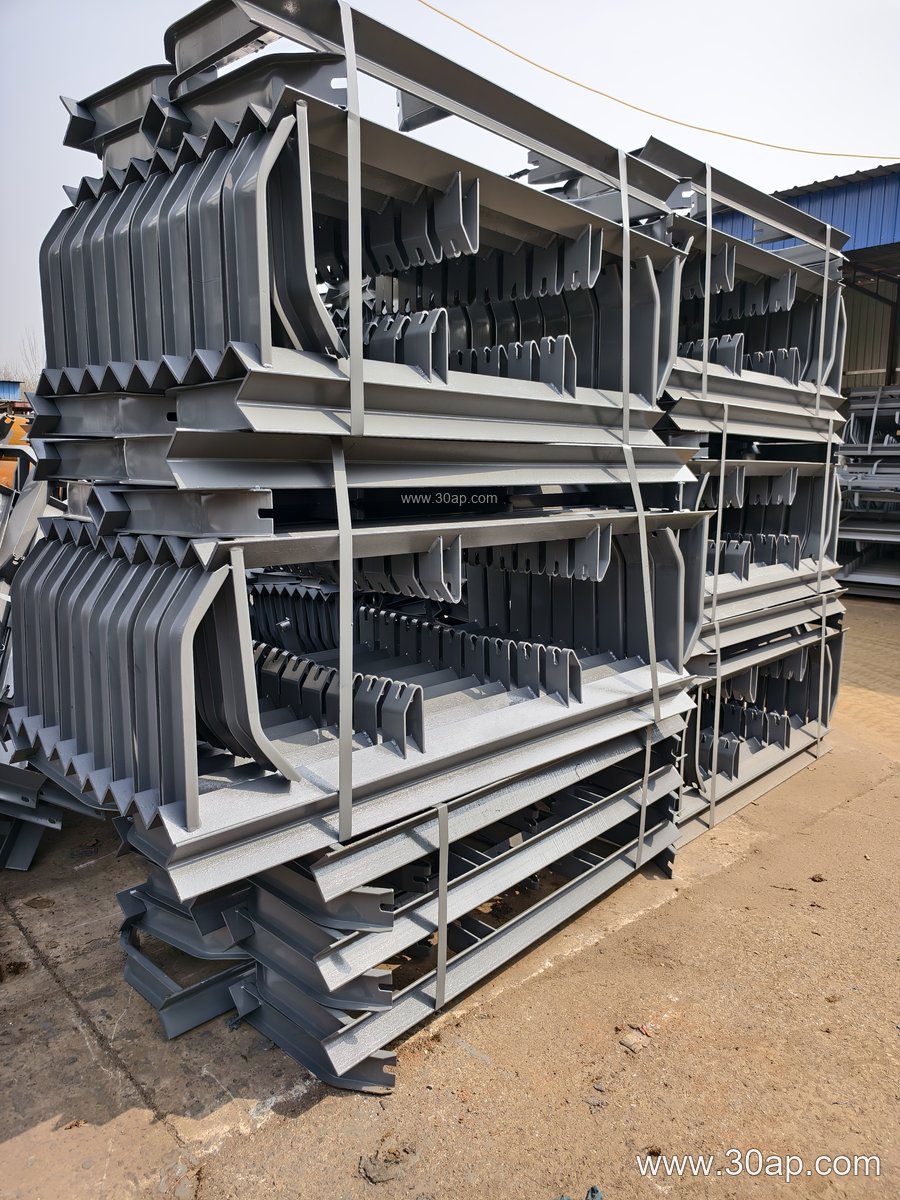
The surface is usually painted or galvanized to slow corrosion in wet or dusty conditions. On a crushing and screening line, the bracket often sits close to the ground, so drainage and coating quality matter as much as steel thickness.
- Material options: angle steel, channel steel, folded plate
- Common belt widths: B500 to B2200, depending on line capacity
- Trough angles: 20, 30, 35, or 45 degrees
- Idler diameters used with these brackets: Ø89, Ø108, Ø133, Ø159, Ø194
Where It Fits on the Conveyor
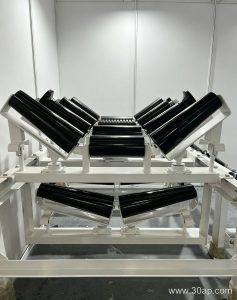
The heavy-duty steel conveyor bracket appears mainly on the carrying side, where the conveyor belt is loaded. A trough bracket with a 35-degree angle and Ø133 idlers is a common arrangement on a B1200 belt in a limestone mine, but the same width might use a different angle and roller size in another plant. Selection depends on material lump size, belt speed, and the load the belt must carry.
Transition brackets are used near the head and tail to guide the belt from a flat profile into the trough. Return-side brackets, such as a V-type return bracket, support the empty belt on its way back. These are different support functions; a trough bracket is not a substitute for a return bracket, and a bend pulley or tail pulley serves a completely different purpose in the drive and take-up system.
Installation and Adjustment Notes
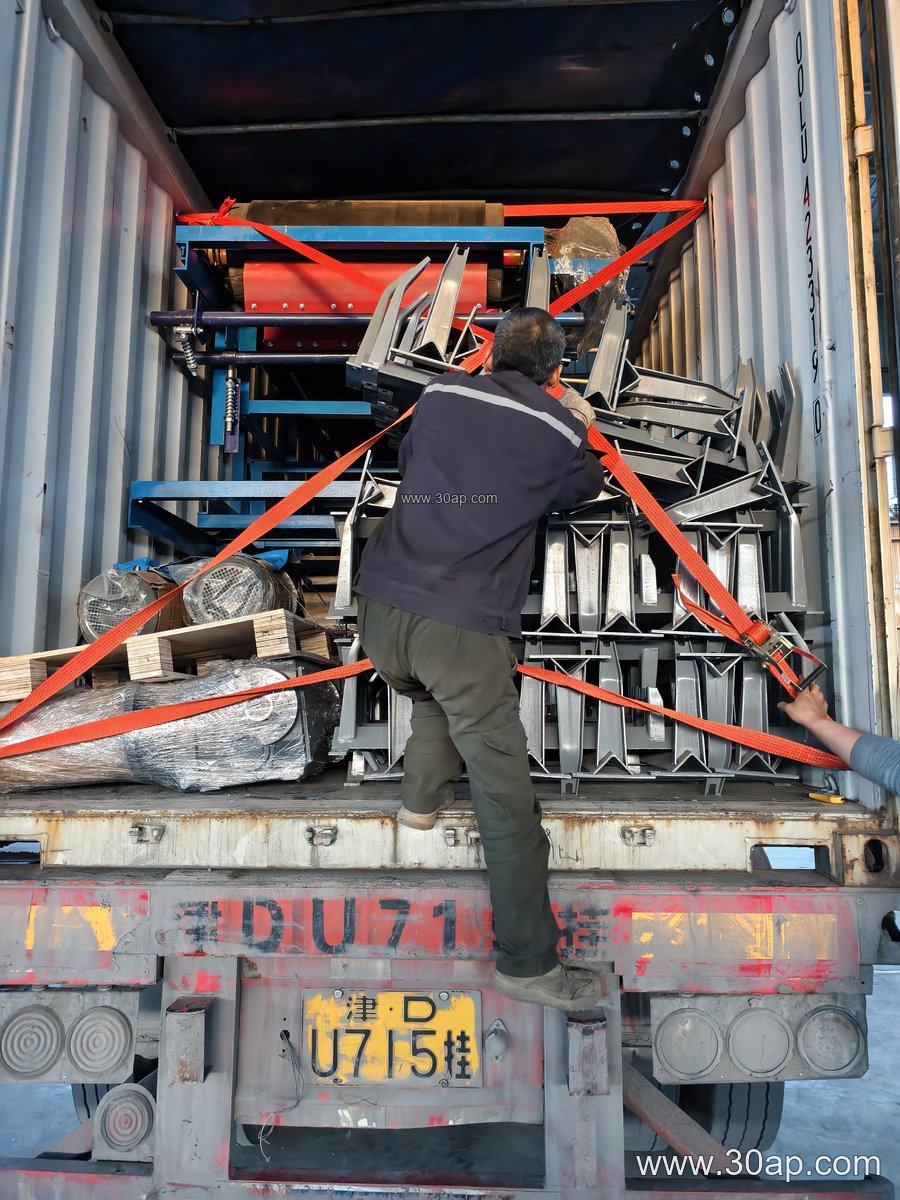
Bracket spacing and mounting hole distance are set by the conveyor design, not by a single universal number. When installing, align the bracket square to the belt centerline so the idler roller sits perpendicular to travel. A misaligned bracket can make the belt drift and wear the edge.
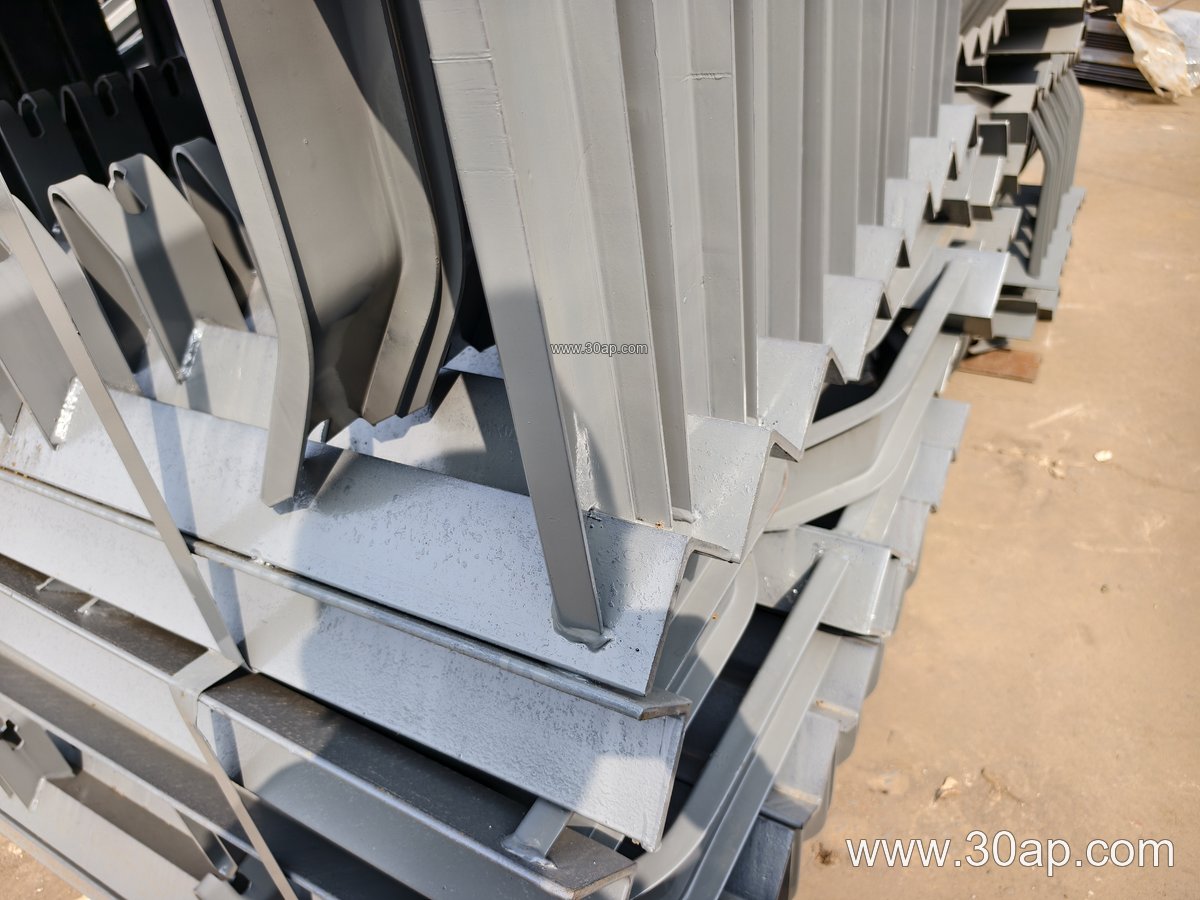
Adjustable brackets allow the trough angle to be changed within a range, which helps when a line handles both fine material and larger lumps. Fixed brackets are simpler and often preferred where the duty is stable. Forward-leaning brackets, commonly around 1.5 to 2 degrees, are used to encourage belt tracking, but they should not be confused with self-aligning designs.
Buyer Checklist
Before ordering, confirm the belt width, the required trough angle, the roller diameter, and the mounting interface. Ask for the steel section size and the coating method, since these affect service life in a fertilizer plant or a grain silo as much as in a mine. Check that the bracket geometry matches the conveyor pulley and frame layout, and request drawings for the hole spacing rather than assuming a standard.
A well-chosen heavy-duty steel conveyor bracket, matched to the conveyor belt, idler roller, and pulley arrangement, reduces downtime and keeps material moving at a steady rate.