What a PVG Conveyor Belt Is
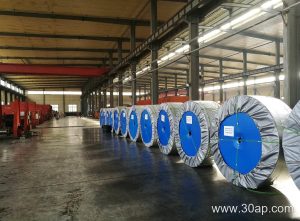
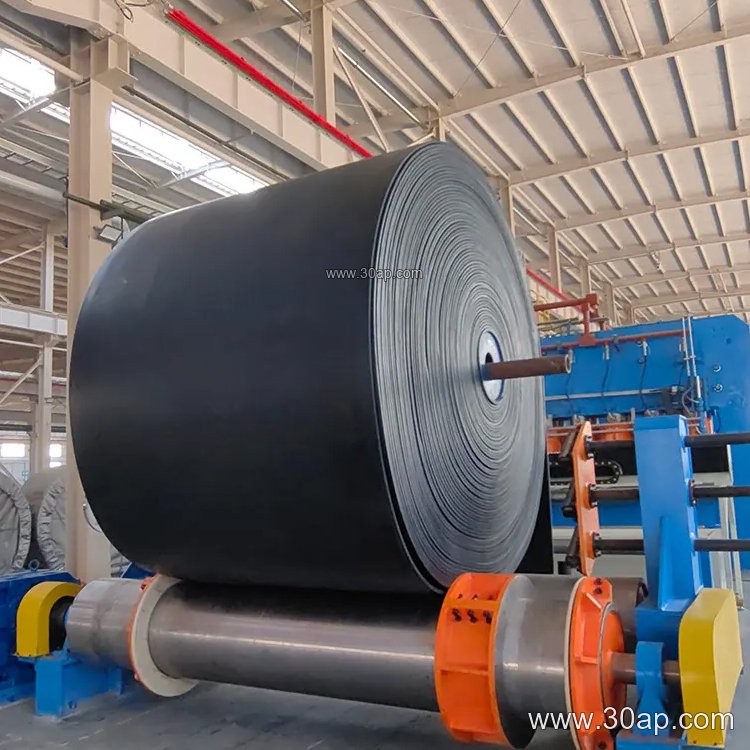
A PVG conveyor belt is a solid-woven fabric belt with polyvinyl chloride (PVC) covers, often referred to as a PVC/PVG belt. The “G” denotes a grade formulated for flame resistance and antistatic performance, which makes this belt a common choice in underground coal mines and other enclosed material-handling systems. Unlike multi-ply rubber belts, the PVG conveyor belt uses a single or dual-layer woven carcass impregnated and coated with PVC, giving it a relatively low weight, good troughability, and resistance to moisture and rotting.
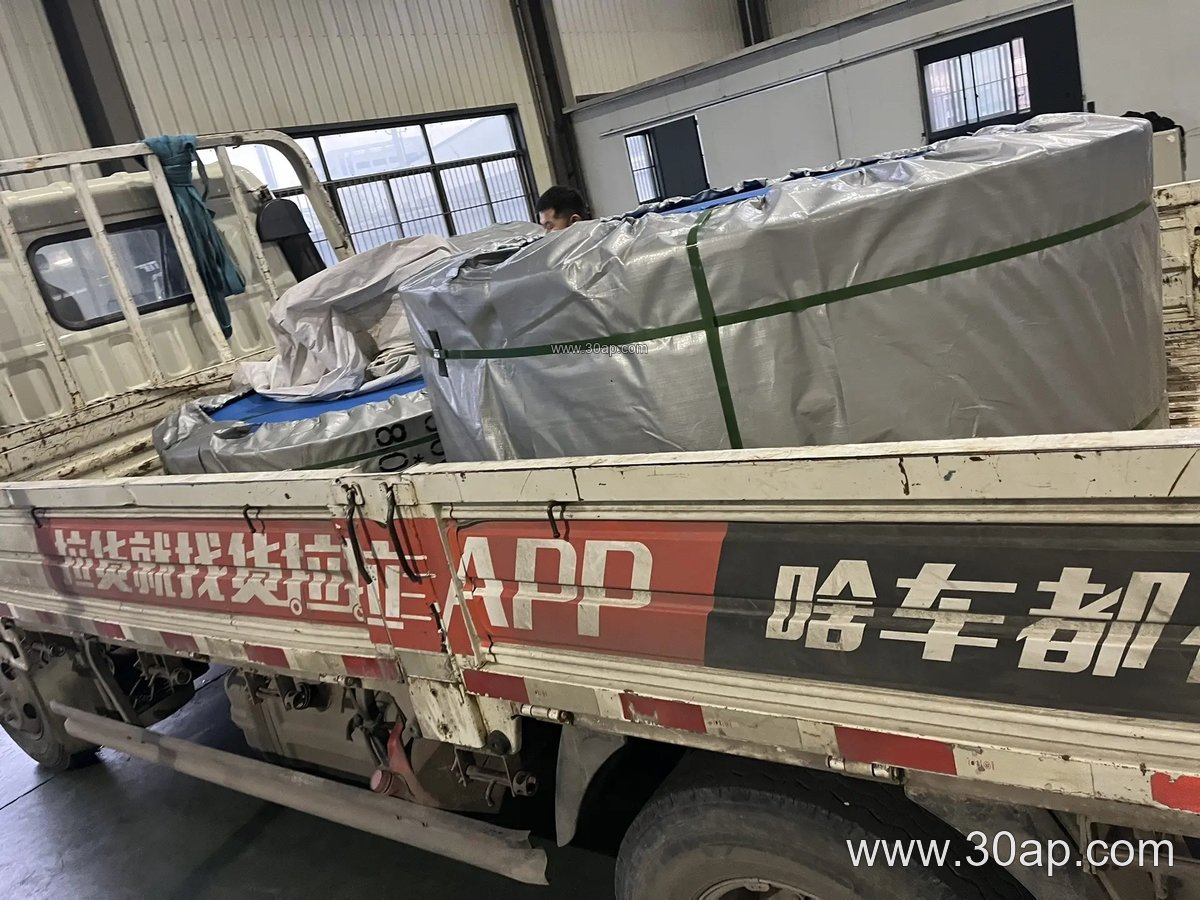
Construction and Materials
The carcass of a PVG conveyor belt is typically a solid-woven polyester or nylon fabric. The fabric is dipped and coated with PVC paste, then covered on both sides with PVC covers. The cover thickness is usually expressed as a pair of numbers, such as 3+1.5 mm or 4+2 mm, where the first figure is the top cover and the second is the bottom cover. The belt edges may be cut or molded. The PVC compound can be formulated for flame resistance and antistatic properties, and may also include additives for oil resistance or low-temperature flexibility. The belt is not the same as a multi-ply EP or NN rubber belt; it is a distinct product family suited to different operating conditions.
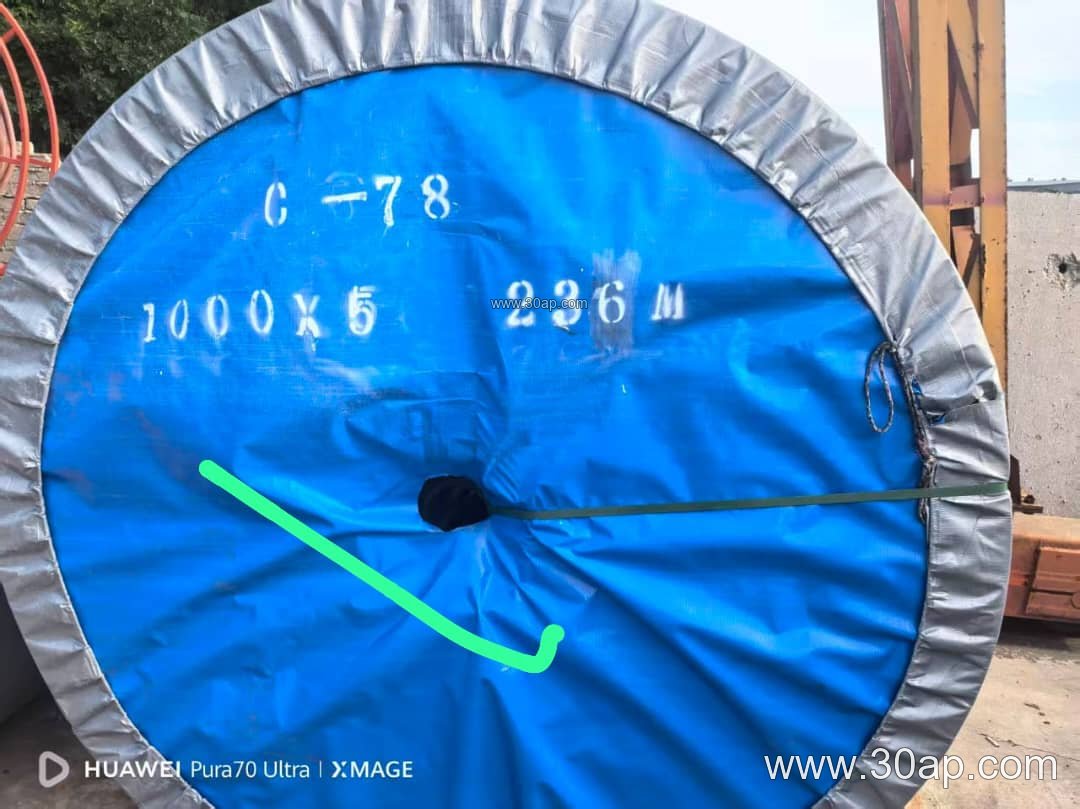
Where PVG Belts Are Used
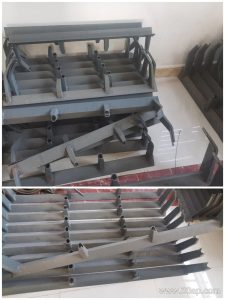
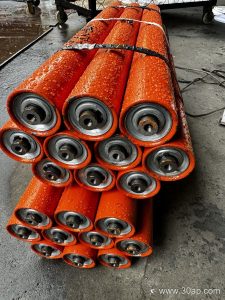
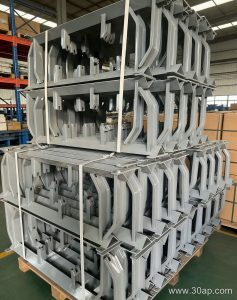
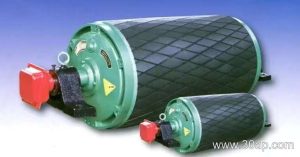
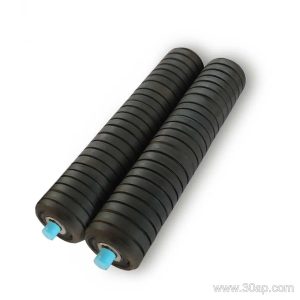
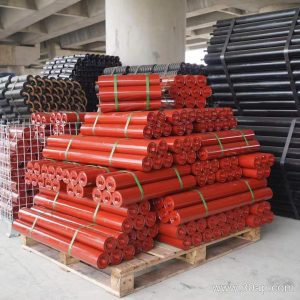
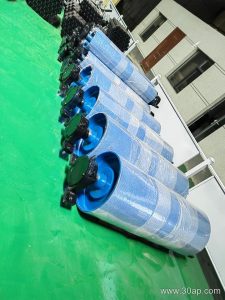
PVG conveyor belts are widely used in coal mines, power plants, cement plants, and sand and gravel yards. In underground coal haulage, the flame-resistant and antistatic grades help reduce the risk of fire and static discharge. In surface installations, they handle coal, limestone, clinker, and other bulk materials where moisture resistance and easy cleaning are valued. The belt runs over idler rollers and is trained by conveyor pulleys at the head and tail. Drive pulleys transmit the motive force, while bend pulleys and take-up pulleys maintain tension and route the belt. Conveyor brackets and frames support the idlers and pulleys, and the complete system must be matched to the belt’s tensile strength and cover thickness.
Common Specifications
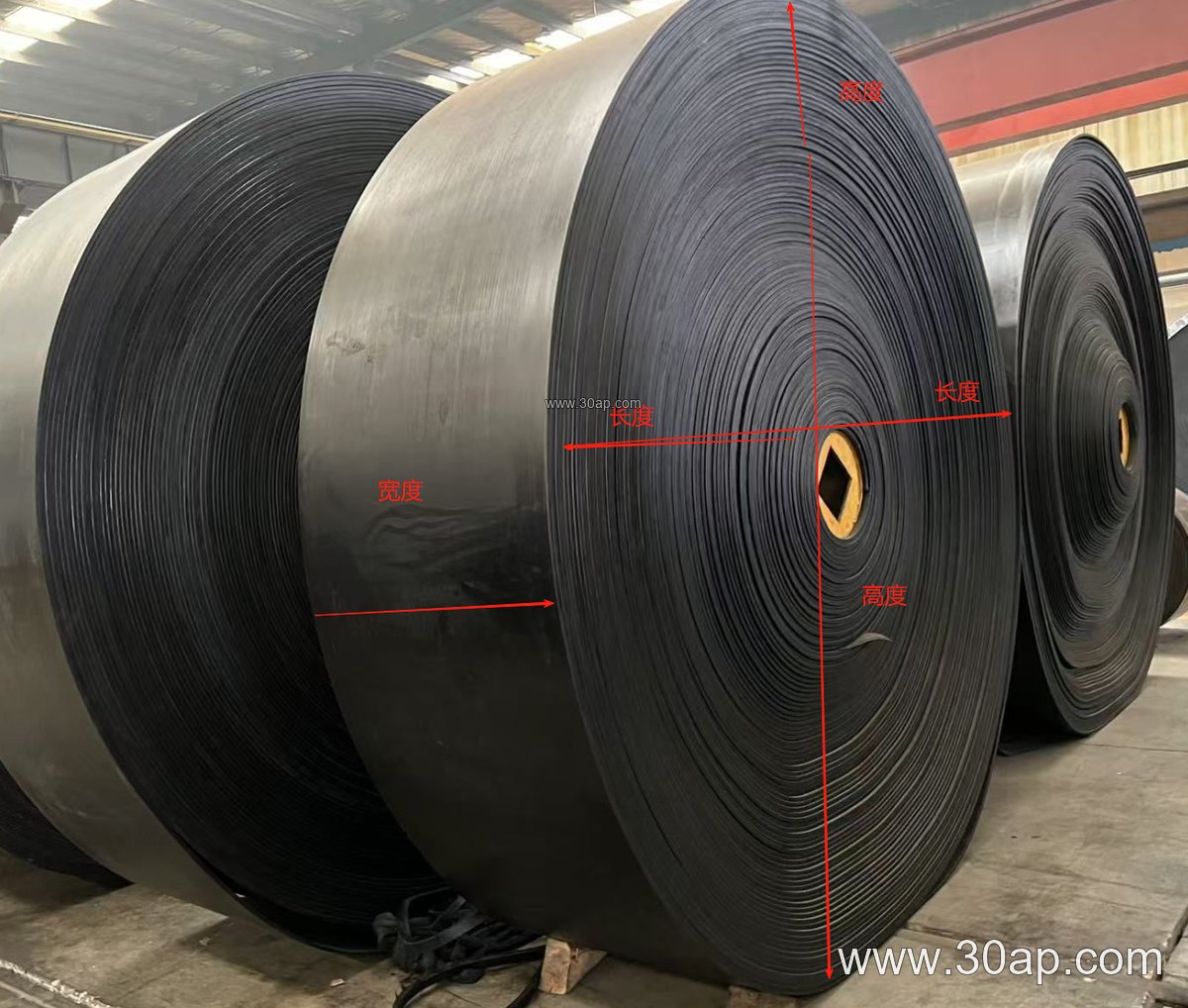
PVG conveyor belts are available in a range of widths and strength grades. The table below shows typical reference values; actual supply depends on the manufacturer and the application.
| Property | Typical Range |
|---|---|
| Belt width | B500, B650, B800, B1000, B1200, B1400, B1600, B1800, B2000 |
| Cover thickness (top+bottom) | 3+1.5 mm, 4+2 mm, 5+2 mm, 6+2 mm, 8+3 mm |
| Carcass | Solid-woven fabric, 1 to 2 layers |
| Strength grade | Commonly 630 N/mm to 2000 N/mm (varies by design) |
| Cover compound | PVC, flame-retardant and antistatic grades available |
These figures are for reference only. A belt width does not dictate a single pulley diameter; the pulley size is determined by the belt’s tensile strength, cover thickness, and the system’s tension requirements. Similarly, shaft diameter is a function of the pulley and bearing design, not the belt width alone.
Buyer’s Checklist
- Flame resistance and antistatic properties: For underground coal mining, confirm the belt meets the required safety grade. Do not assume all PVG belts are identical.
- Tensile strength: Match the belt grade to the conveyor’s calculated maximum tension. A belt that is too weak will stretch and fail; one that is too strong adds unnecessary weight and cost.
- Cover thickness: Consider the abrasive and impact conditions. Thicker covers last longer in heavy-duty service but add weight and reduce flexibility.
- Pulley and idler compatibility: Check that the drive pulley, tail pulley, and bend pulleys are sized for the belt’s thickness and strength. Idler roller spacing and trough angle affect belt training and wear.
- Environmental factors: For oil-contaminated or cold environments, ask for the appropriate PVC compound. Standard PVG belts may not perform well in all conditions.
Maintenance and Handling
Keep the belt clean and properly tensioned. Material buildup on idler rollers and pulleys can cause tracking problems and cover damage. Inspect the belt edges for cuts and the covers for wear. When splicing, follow the belt manufacturer’s instructions; a poor splice is a common cause of failure. Store spare belts in a dry, shaded area and avoid sharp bends that could crack the PVC covers. With proper care, a PVG conveyor belt can provide reliable service in demanding mining, cement, and power plant applications.