What a Mining Equipment Idler Does
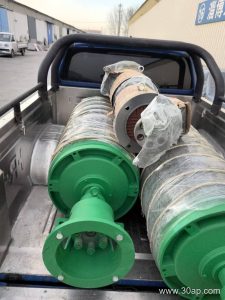
A mining equipment idler is the rotating roller assembly that supports and guides the conveyor belt along its run. In a quarry, coal preparation plant, cement works, or power station coal yard, the belt carries heavy, abrasive material, and the idlers bear that load while keeping the belt tracking in line. The idler roller itself is a simple component, but its condition directly affects belt life, drive power demand, and spillage. When people talk about a conveyor idler in this context, they mean the full assembly: the roller shell, shaft, bearings, seals, and often the bracket that fixes it to the conveyor frame.
How the Roller Is Built
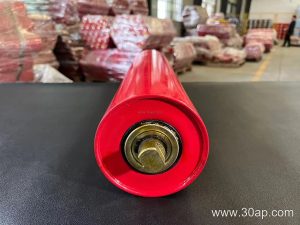
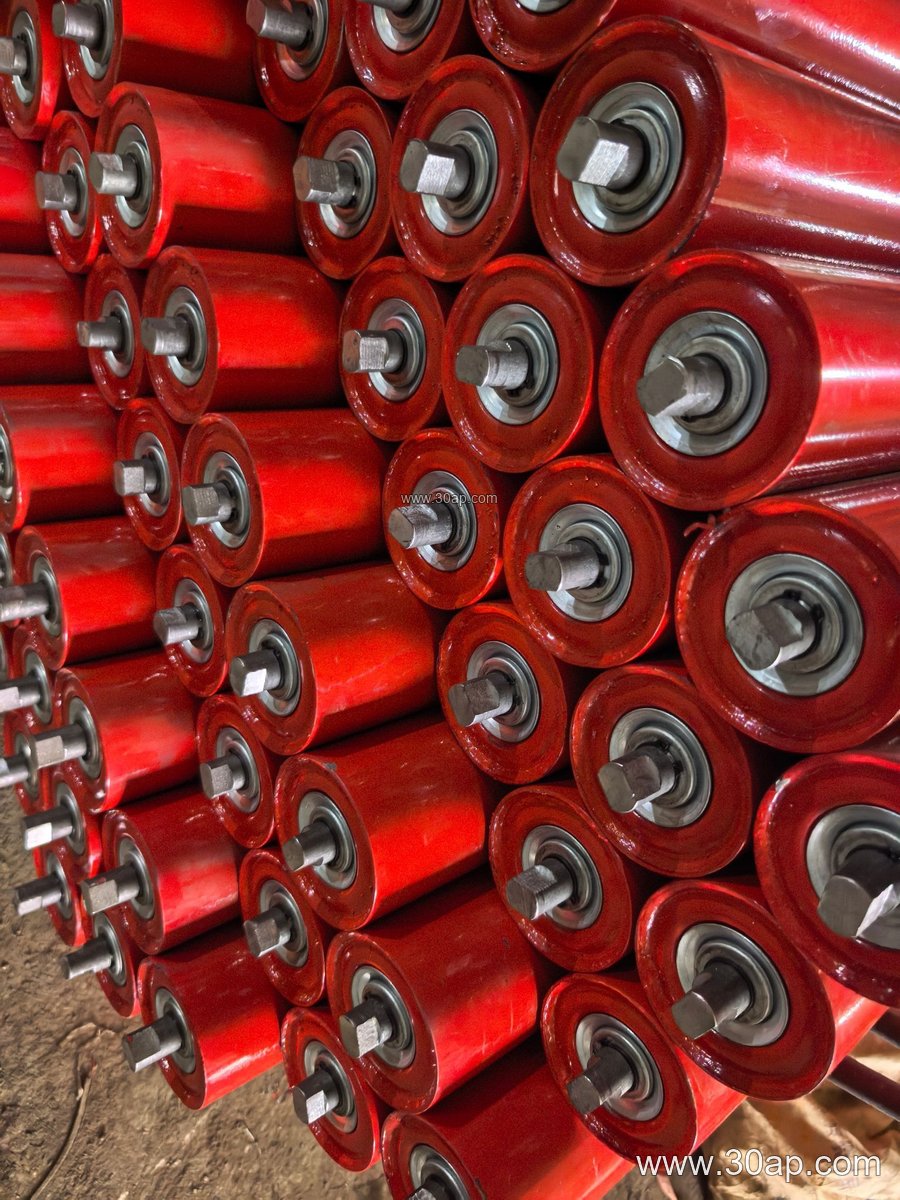
Most idler rollers combine a steel tube shell with a through shaft, bearing housings at each end, and a sealing arrangement. Roller surfaces vary: plain steel tube for general service, nylon for lighter duties, ceramic lagging where wear is aggressive, and rubber rings on impact sections. Bearings are typically deep-groove ball types such as 6204, 6205, 6305, 6306, 6308, or 6310, selected according to load and speed rather than matched to one shell diameter.
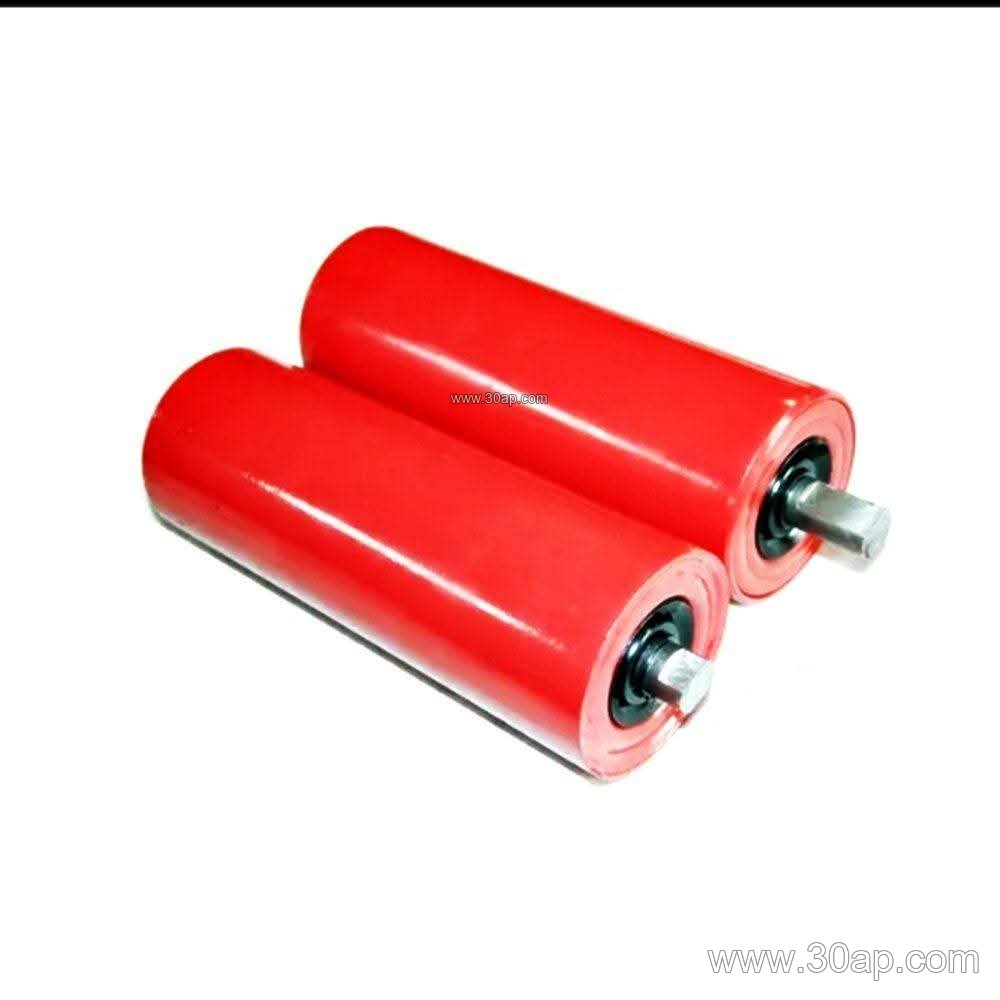
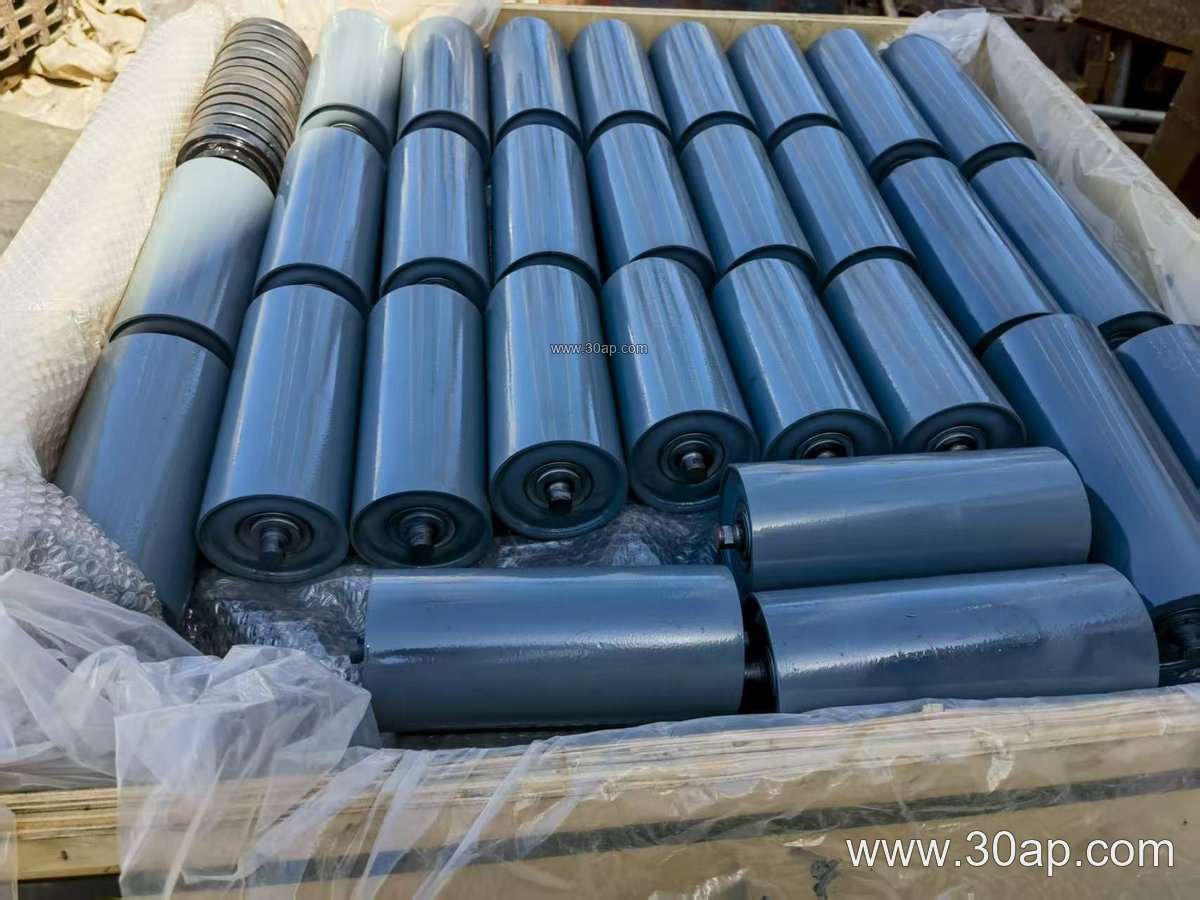
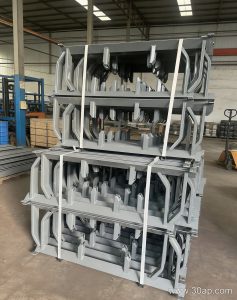
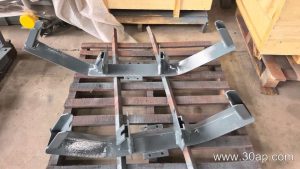
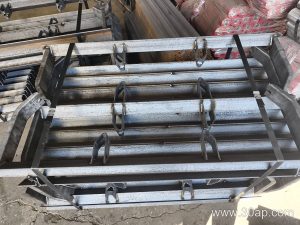
Sealing deserves attention in dusty plants. Labyrinth seals and multi-stage lip seals are common because fine material from a crushing circuit or a limestone mine will destroy a bearing quickly if it gets past the housing. The frame side of the assembly is held by a conveyor bracket, and the bracket style should match the frame so the roller sits at the intended height.
Common Idler Types and Where They Sit
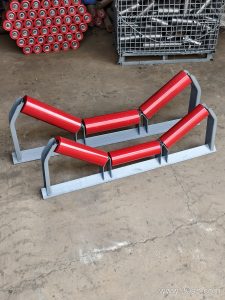
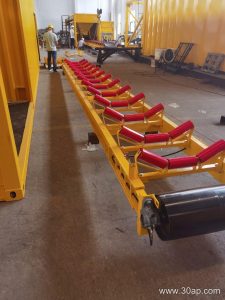
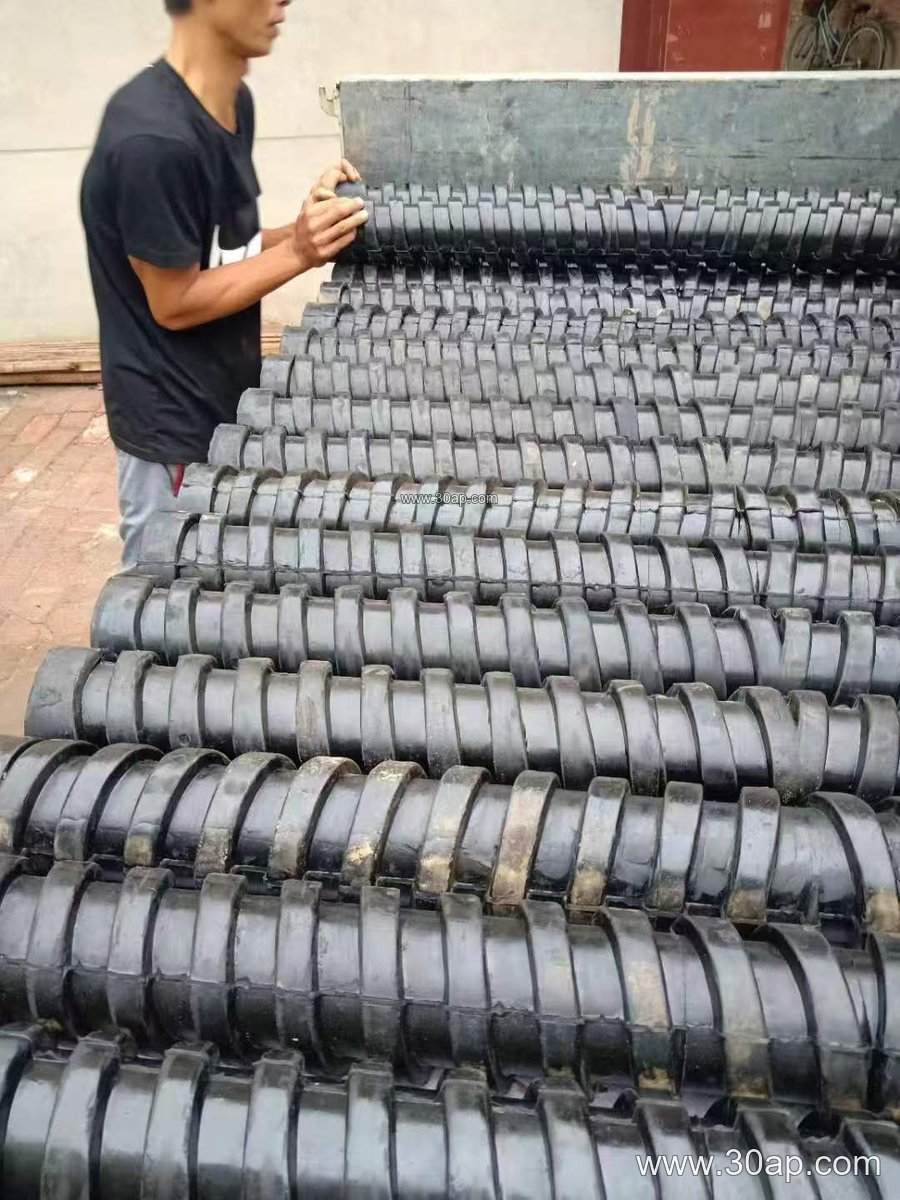
The carry side usually uses three-roll troughing sets, with a trough angle of 20, 30, 35, or 45 degrees depending on the material’s angle of repose. Transition idlers ease the belt from flat to troughed near a conveyor pulley. On the return side, flat return rollers or V-return rollers support the empty belt. Training idlers, including friction and tapered designs, correct misalignment. Impact idlers with rubber rings are placed under loading points in a copper mine or aggregate line where lump size is large.
- Troughing idlers: main carry run, three rolls common
- Transition idlers: near head and tail pulleys
- Return and V-return idlers: empty strand support
- Impact and rubber-ring idlers: load zones
- Training idlers: belt alignment control
- Spiral and comb idlers: sticky or wet material
Dimensions Buyers Should Confirm
Roller diameter and belt width are related through the conveyor design, not by a fixed rule. Common roller diameters include 63, 76, 89, 102, 108, 127, 133, 159, 178, 194, and 219 mm, while belt widths commonly run from B400 to B2400. Roll length changes with belt width, trough angle, and roll position; for a three-roll troughing set, a B800 belt often uses rolls around 315 mm long and a B1200 belt around 465 mm, but side rolls and center rolls can differ. These figures are reference examples, not fixed pairings.
Reference dimensions
| Item | Common range |
|---|---|
| Roller diameter | 63 to 219 mm |
| Belt width | B400 to B2400 |
| Trough angle | 20, 30, 35, 45 degrees |
| Roll surface | Steel, nylon, ceramic, rubber ring |
| Bearing | 6204, 6205, 6305, 6306, 6308, 6310 |
Forward tilt of about 1.5 to 2 degrees is sometimes used on training or troughing sets to help belt tracking. Shaft diameter should be confirmed from the conveyor manufacturer’s design, since belt width alone does not determine it.
Selection and Maintenance Notes
When specifying a mining equipment idler, match the roller to the duty: abrasive ore calls for thicker shells or ceramic facing, while a wash plant handling wet fines may benefit from spiral or comb rollers that shed material. Check that the bracket and frame holes align, and confirm the bearing and seal class for the environment. During operation, listen for seized rollers and watch for belt wander; a single failed idler can wear the conveyor belt edge and increase power draw. Keep spare rollers on hand for load-zone positions, and rotate stock so seals do not age in storage.
Remember that drive pulleys, tail pulleys, and bend pulleys are separate components with their own selection criteria; the idler is the supporting roller, not a substitute for any pulley. A well-chosen set of rollers, correctly spaced and maintained, keeps a belt conveyor running quietly from the crusher to the stockpile.