What an Idler Bracket Does
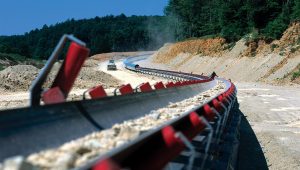
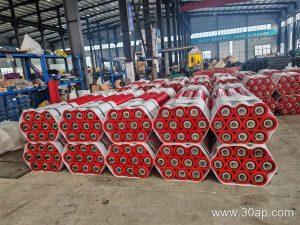
An idler bracket is the structural support that holds conveyor idler rollers in the correct position under the belt. Also called a conveyor bracket or idler frame, it keeps the rollers aligned at the proper trough angle and spacing so the conveyor belt runs smoothly. Without a sturdy bracket, idlers can shift, causing belt misalignment, premature wear, and spillage. The bracket connects the idler roller to the conveyor’s main frame and must withstand continuous load, vibration, and material impact.
Construction and Materials
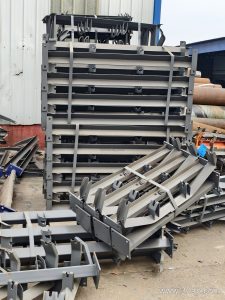
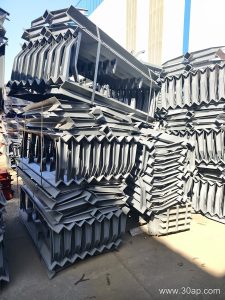
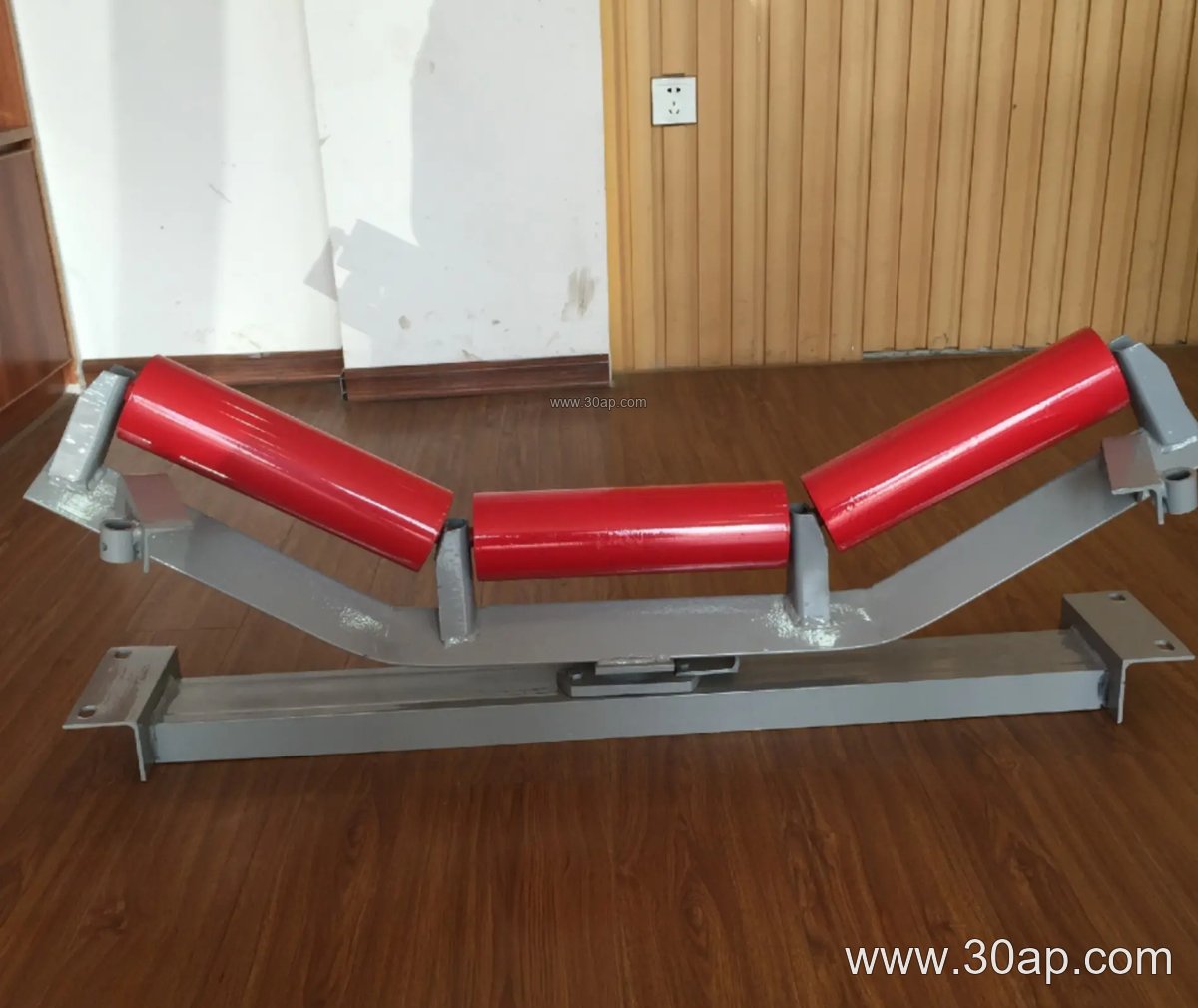
Most idler brackets are fabricated from angle steel, channel steel, or folded steel plate. The choice of material depends on the load and environment. In a limestone quarry or cement plant, brackets are often made from heavier channel steel to resist dust and shock. For a coal washing plant or power station coal handling line, folded plate brackets may be used to reduce weight while maintaining strength. The bracket typically includes mounting holes or slots for the idler shaft, and may have a fixed or adjustable trough angle.
Common Types and Their Roles
Idler brackets come in several designs, each matched to a specific position on the conveyor:
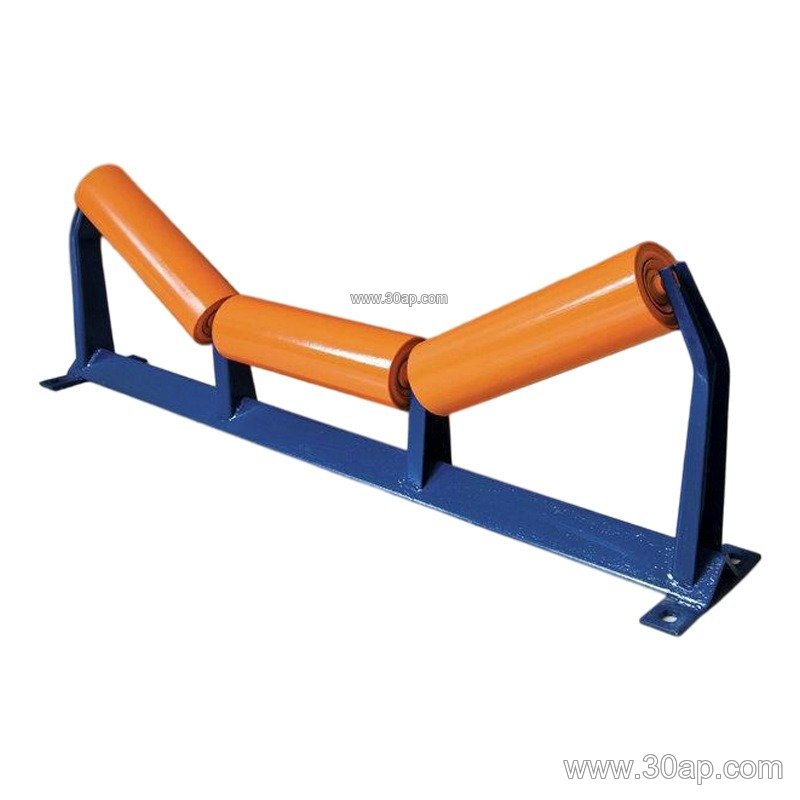
- Troughing idler bracket – supports three idlers in a trough shape on the carrying side. Common trough angles are 20, 30, 35, and 45 degrees.
- Transition bracket – used near pulleys to gradually change belt shape and reduce stress.
- Return bracket – holds return idlers on the lower strand. A V-return bracket helps center the belt.
- Impact bracket – reinforced to support impact idlers at loading points.
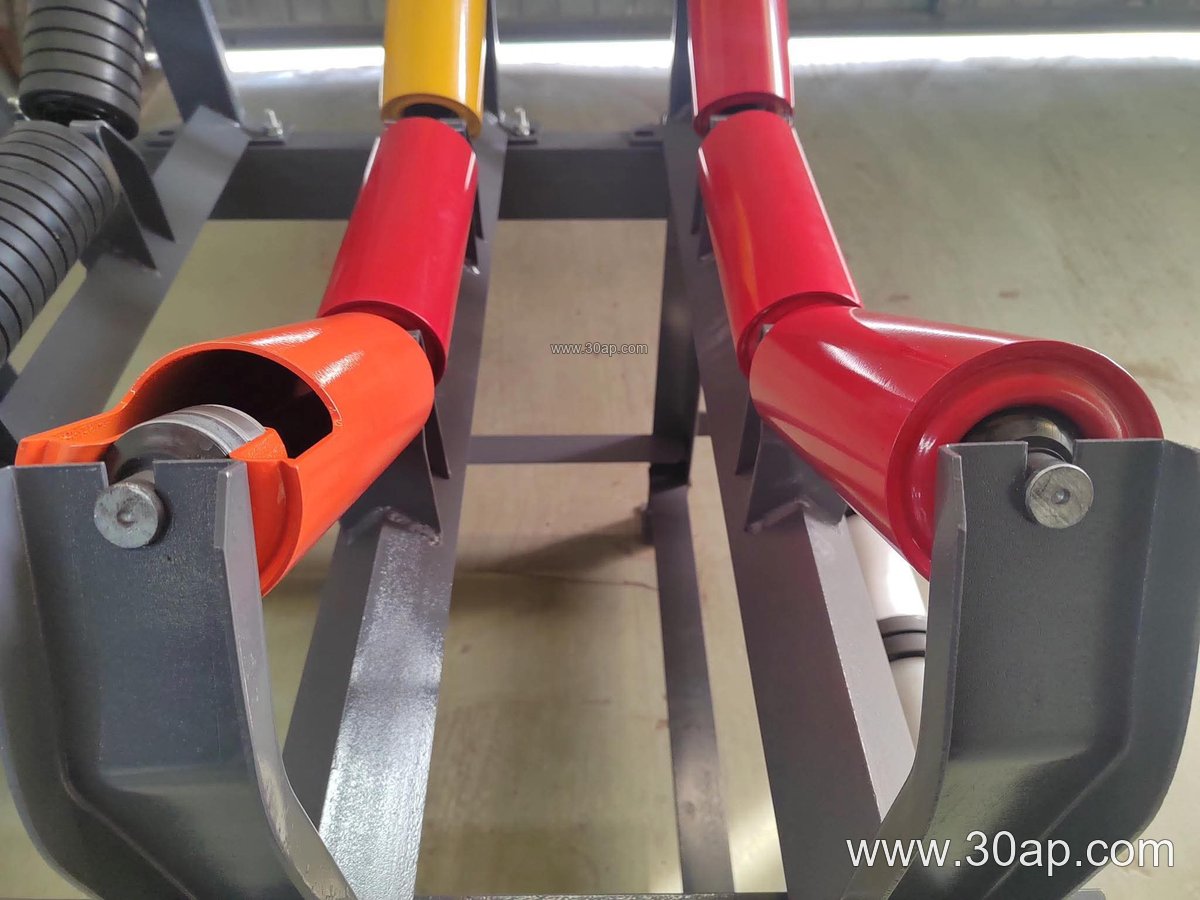
- Self-aligning bracket – allows slight movement to correct belt tracking.
- Adjustable bracket – permits changing the trough angle on site, useful for different materials.
Other types include forward-tilt brackets (often around 1.5 to 2 degrees) and spiral idler brackets, but these are selected for specific tracking or cleaning needs.
Where Idler Brackets Are Used
These brackets appear in almost every belt conveyor system. In a sand and gravel line, troughing brackets hold idlers that carry abrasive aggregate. In a coal mine, heavy-duty brackets support the belt through transfer points. In a fertilizer plant, corrosion-resistant brackets may be needed. The bracket must match the conveyor belt width and idler roller diameter to ensure proper fit and load distribution.
Key Parameters for Buyers
When specifying an idler bracket, consider the belt width, trough angle, and idler diameter. The table below shows common reference combinations, but these are not mandatory fixed matches.
| Belt Width (B) | Trough Angle | Idler Diameter | Typical Bracket Material |
|---|---|---|---|
| B500 | 20° | Ø89 | Angle steel |
| B650 | 30° | Ø89 | Angle steel |
| B800 | 35° | Ø108 | Channel steel |
| B1000 | 35° | Ø133 | Channel steel |
| B1200 | 45° | Ø133 | Folded plate |
| B1400 | 45° | Ø159 | Folded plate |
| B1600 | 35° | Ø159 | Channel steel |
| B1800 | 35° | Ø194 | Channel steel |
Note that installation hole spacing and crossbeam length vary with belt width and trough angle. Always confirm dimensions with the conveyor design. A bracket for B800 does not automatically fit every idler of Ø108; the mounting pattern must match the idler shaft.
Selection and Maintenance Tips
Choose a bracket that matches the conveyor’s duty and environment. In a tunnel excavation or steel mill sinter line, impact and abrasion may require reinforced brackets. Adjustable brackets are helpful where material characteristics change. During maintenance, check for bent brackets, loose bolts, or worn mounting holes. A misaligned bracket can quickly damage the conveyor belt and idler roller. Replace brackets that show cracks or severe corrosion. Keep the bracket and idler roller assembly clean to prevent material buildup that affects belt tracking.
For any conveyor system, the idler bracket is a small but critical component. Selecting the right type, material, and dimensions ensures the belt runs true and the idlers last longer.