What the EP500 Conveyor Belt Is
The EP500 conveyor belt is a multi-ply rubber belt built on a polyester (E) and polyamide (P) fabric carcass. The number 500 refers to the nominal tensile strength of the carcass, commonly expressed as 500 N/mm. This places it in the mid-to-high strength range of EP belts, above EP400 and below EP630. The polyester warp provides low stretch and good dimensional stability, while the polyamide weft gives resistance to impact and fatigue. Together these fibers make the EP500 conveyor belt a practical choice for long hauls and abrasive loads.
Construction and Cover Options
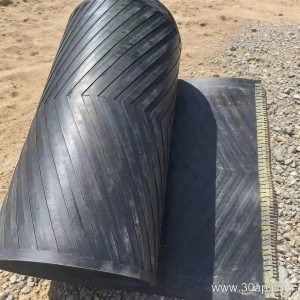
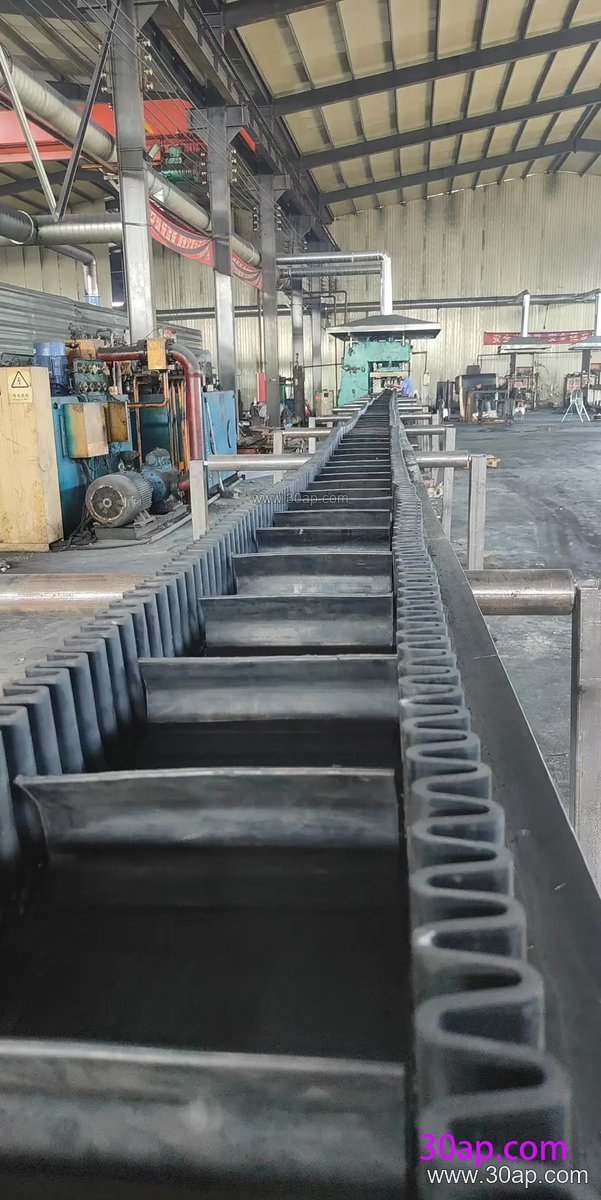
A typical EP500 belt has 2 to 6 fabric plies, depending on the required strength and the pulley arrangement. The carcass is protected by rubber covers on both the top and bottom. Common cover thickness combinations include 3+1.5 mm, 4+2 mm, 5+2 mm, 6+2 mm and 8+3 mm. The top cover takes the abrasion from the material, while the bottom cover protects against wear from idler rollers and conveyor pulleys. Cover compounds can be selected for heat, oil, flame resistance, antistatic behavior, cold, or acid and alkali exposure. Surface forms such as smooth, patterned, chevron, or corrugated sidewall are also available when the application calls for them.
Where It Fits in the Conveying System
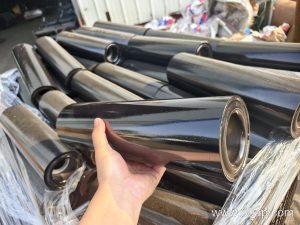
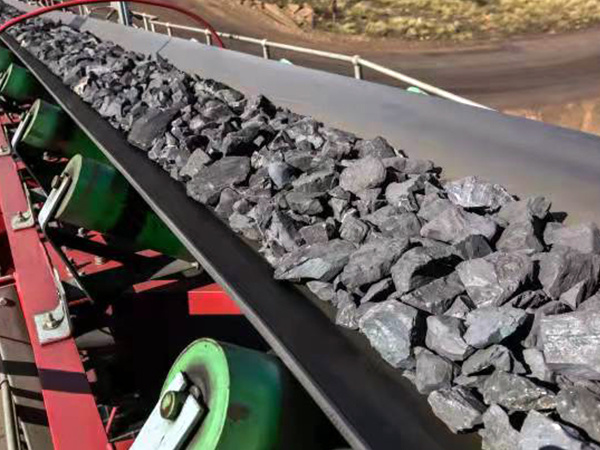
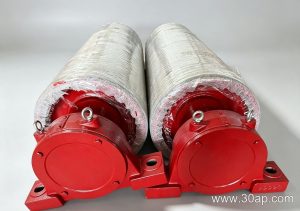
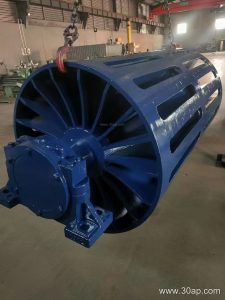
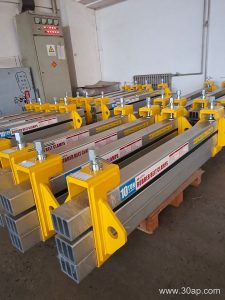
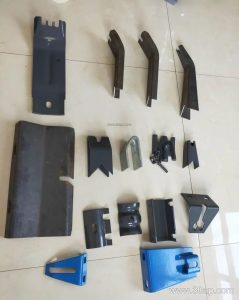
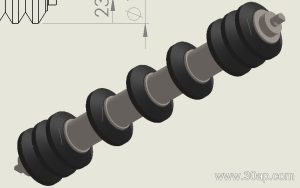
The EP500 conveyor belt runs over a series of conveyor pulleys. The drive pulley transmits power, the tail pulley returns the belt, and bend pulleys guide it through curves or tension zones. These three pulley roles are not interchangeable, and each is selected for its own duty. Between the pulleys, idler rollers support the belt and the load. Conveyor brackets hold the idlers and pulleys in alignment along the frame. In a typical mining or cement plant layout, the belt may travel hundreds of meters, so low stretch and stable tracking matter as much as raw strength.
Typical Applications and Industries
Because of its balanced strength and fatigue resistance, the EP500 belt is often found in:
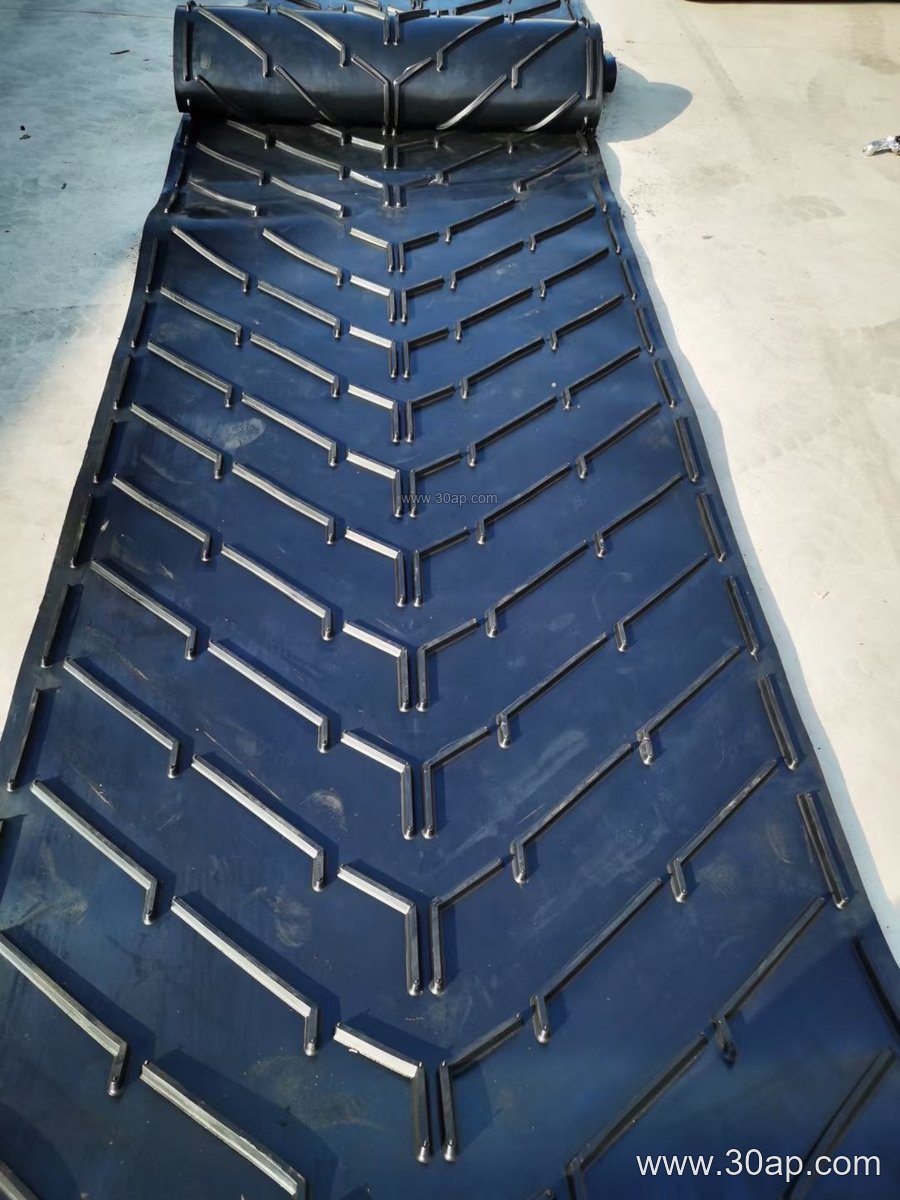
- Mines and coal preparation plants handling crushed ore and coal
- Cement kilns and clinker lines moving hot or abrasive material
- Power stations feeding limestone, coal, or ash
- Sand and gravel pits with high-impact loading points
- Steel mills and foundries where oil or heat may be present
In these settings, the belt works alongside idler rollers, conveyor pulleys, and brackets that must be matched to the belt width and load. A well-matched system reduces spillage and extends belt life.
Widths, Strength Grades, and Selection Notes
EP500 belting is commonly produced in widths from B500 to B2000, with B800, B1000, and B1200 being frequent choices in bulk material handling. Strength grades in the EP family range from EP200 up to EP2000, so EP500 sits in the middle of the range. The table below shows reference data that buyers often compare. These values are typical and should be confirmed with the manufacturer for a specific order.
| Property | Common Reference |
|---|---|
| Strength grade | EP500 (500 N/mm) |
| Fabric plies | 2 to 6 |
| Belt width | B500, B650, B800, B1000, B1200, B1400, B1600, B1800, B2000 |
| Top/bottom cover | 3+1.5, 4+2, 5+2, 6+2, 8+3 mm |
| Cover type | wear-resistant, heat-resistant, oil-resistant, flame-retardant, antistatic, cold-resistant, acid and alkali resistant |
| Surface | smooth, patterned, chevron, corrugated sidewall |
Do not assume that one belt width can only match one pulley diameter. Pulley size depends on the number of plies, the carcass flexibility, the load, and the drive design. Likewise, shaft diameter is not fixed by belt width alone; it follows the torque, bending load, and bearing selection. A belt that is too stiff for a small pulley may crack, while an oversized pulley may add unnecessary cost.
What a Buyer Should Check
Before ordering an EP500 conveyor belt, gather the following information:
- Required tensile strength and number of plies
- Belt width and overall length
- Material type, lump size, and temperature
- Top and bottom cover thickness
- Special properties such as flame resistance or antistatic behavior
- Pulley diameters and the smallest bend pulley in the system
- Idler roller spacing and loading conditions
Also confirm the splice method, because a poor joint can reduce the belt’s effective strength. Storage matters too: keep the belt away from direct sunlight, ozone sources, and sharp objects. When the belt is installed, check that the conveyor pulleys and idler rollers are aligned, and that brackets are tight. A small tracking error can cause edge damage long before the carcass wears out.
Maintenance and Long Service
Inspect the EP500 belt regularly for cover wear, edge cuts, and exposed fabric. Replace worn idler rollers that do not turn freely, because a seized roller can rub through the bottom cover. Check the drive pulley lagging and the tail pulley for material buildup. If the belt is used in a coal mine or a dusty cement plant, clean the return side and keep the skirt rubber adjusted. These steps help the belt reach its expected service life without unexpected downtime.