What a Mining Conveyor Bracket Does
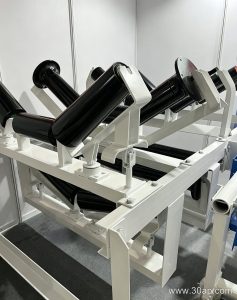
In a quarry, coal preparation plant, or cement kiln feed line, the conveyor belt is only as reliable as the structures that support it. A mining conveyor bracket — often called a conveyor support bracket or idler bracket — is the steel component that holds the idler roller in the correct position under the belt. It sets the trough angle, maintains alignment, and transfers the load from the belt and material down to the conveyor frame. Without a properly built bracket, the belt would sag, drift, and wear out quickly.
This article covers how these brackets are made, the main types you will see, where they are used, and what to check before ordering.
Construction and Materials
Most mining conveyor brackets are fabricated from angle steel, channel steel, or bent steel plate. The choice depends on the load and the environment. In a sand and gravel line, a simple bent plate bracket may be enough. In an iron ore mine or a power plant coal yard, heavier channel or angle sections are common because the belt carries dense material and may run at high tension.
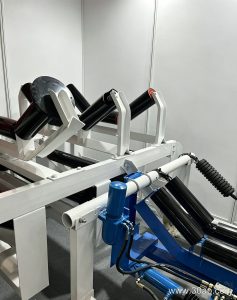
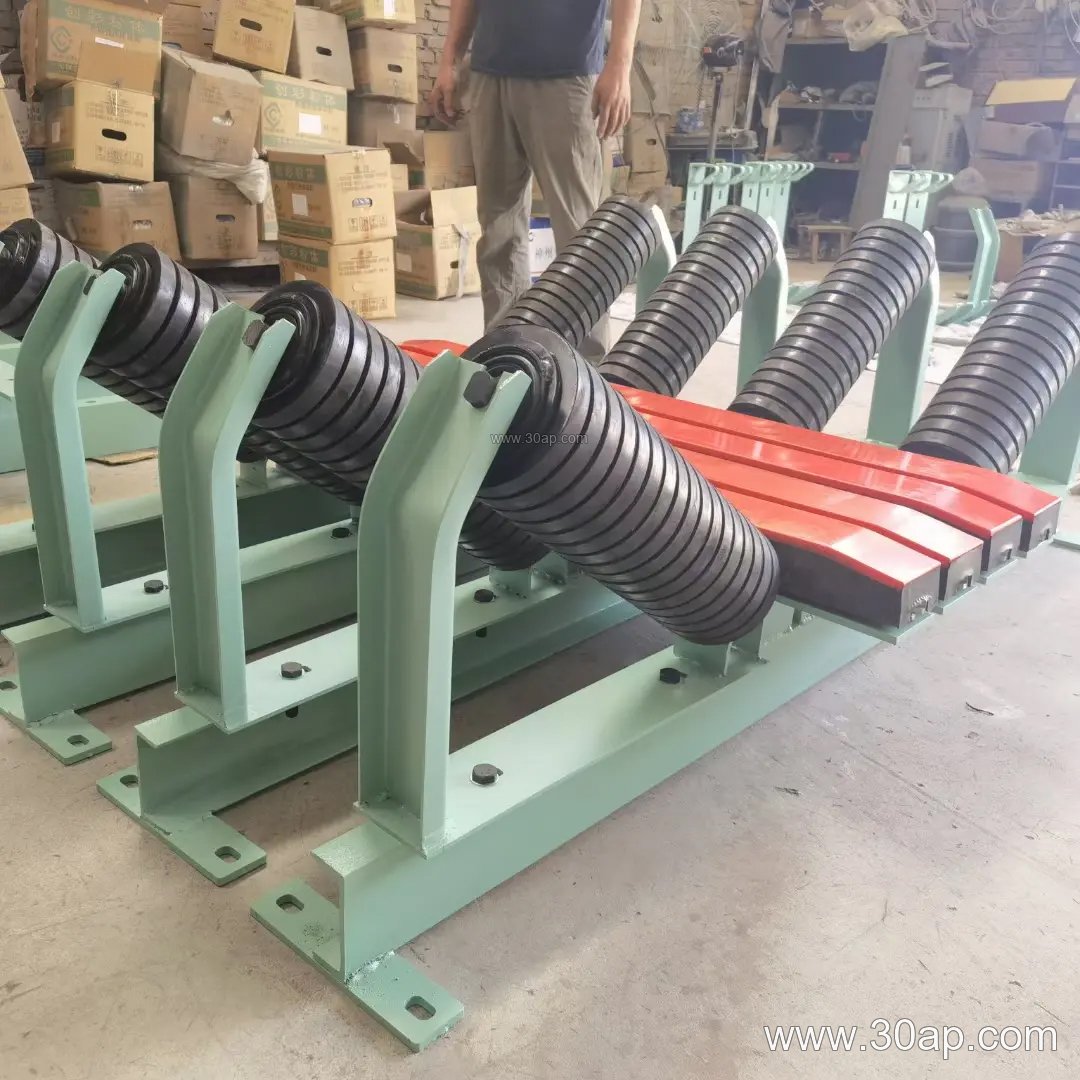
The bracket usually includes mounting holes or slots for the idler shaft, and may have a base plate that bolts to the conveyor stringer. Fixed brackets hold the roller at one set angle. Adjustable brackets use slotted holes or rotating segments so the trough angle can be changed on site. Common trough angles are 20, 30, 35, and 45 degrees. A slight forward tilt of about 1.5 to 2 degrees is sometimes built into the bracket to help the belt track straight.
Common Types of Conveyor Brackets
Different positions along the conveyor call for different bracket designs. The table below lists typical types and their usual role.
- Troughing bracket (carrying side) – supports three idlers to form a trough; used on the loaded run.
- Transition bracket – placed near the head or tail pulley to guide the belt from flat to troughed shape.
- Return bracket – supports the belt on the empty return run; may be flat or V-shaped.
- Impact bracket – fitted with cushion rollers under the loading point to absorb material impact.
- Self-aligning bracket – allows the idler to pivot slightly and correct belt misalignment.
- Adjustable bracket – lets maintenance staff change the trough angle without replacing the frame.
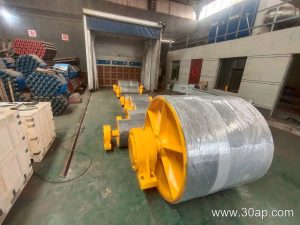
These types are not interchangeable. A return bracket, for example, is not a substitute for a troughing bracket, and a transition bracket has a different geometry from a standard carrying bracket. Drive, tail, and bend pulleys also serve separate functions and should not be confused with the brackets that hold idlers.
Where Mining Conveyor Brackets Are Used
You will find these brackets in almost any bulk material handling system. In a limestone quarry, they support belts that carry crushed rock from the crusher to the stockpile. In a coal washing plant, they hold idlers that keep the belt centered through wet, sticky conditions. Cement plants use them on clinker and raw meal conveyors. Power plant coal handling, steel sinter lines, and tunnel muck removal systems also rely on them. The bracket must suit the belt width, the idler diameter, and the material load.
Key Parameters to Check Before Buying
Belt width and idler diameter are the first things to confirm. Common belt widths include B500, B650, B800, B1000, B1200, B1400, B1600, B1800, B2000, and B2200. Typical idler roller diameters are Ø89, Ø108, Ø133, Ø159, and Ø194. A bracket for B800 belt with 35-degree trough and Ø108 idler is a common combination, but it is not the only one. A wider belt may use a larger roller, and the same belt width can work with different trough angles depending on the material.
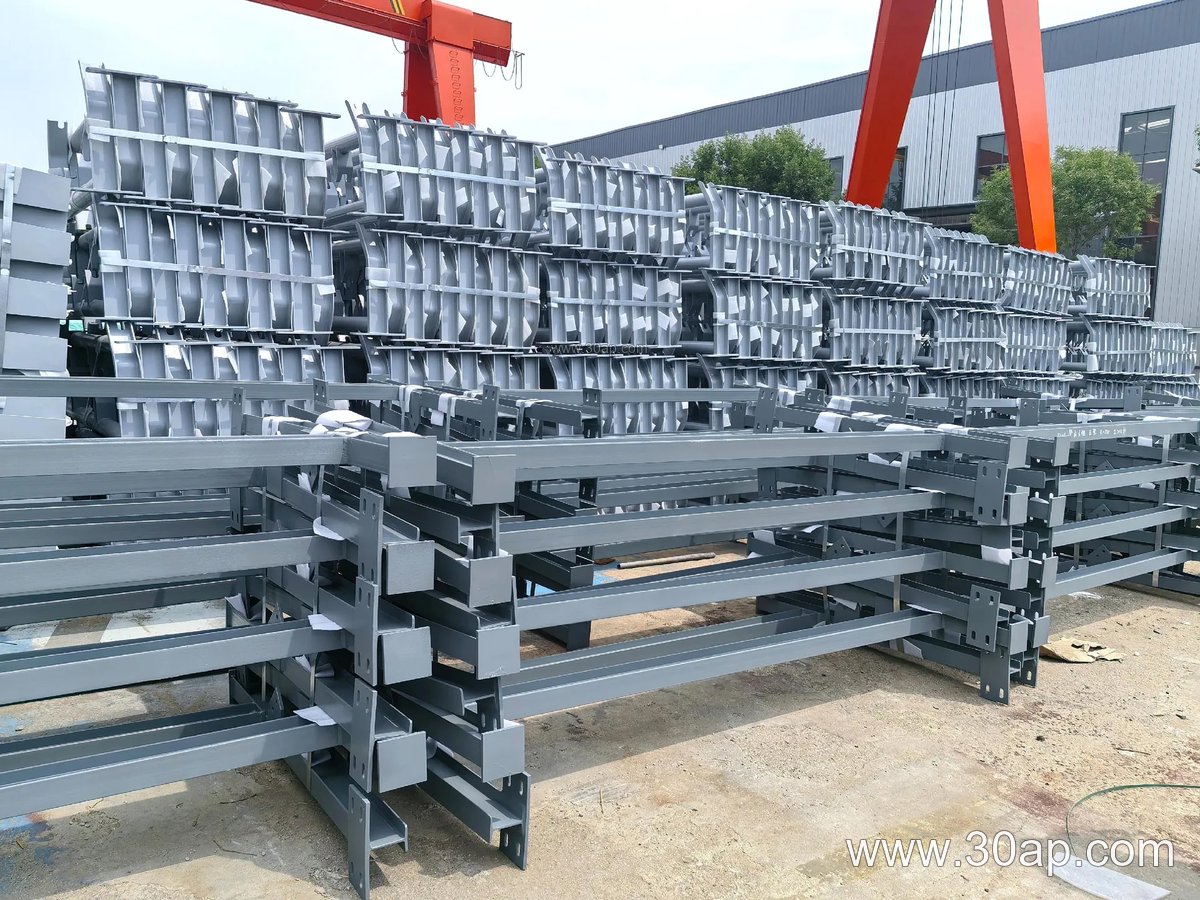
Mounting hole spacing and beam length change with belt width and trough angle, so these should be confirmed from the conveyor drawing rather than assumed. The table below shows a few reference combinations, not fixed rules.
| Belt Width | Trough Angle | Idler Diameter | Typical Bracket Type |
|---|---|---|---|
| B650 | 30° | Ø89 | Troughing, return |
| B800 | 35° | Ø108 | Troughing, impact |
| B1200 | 45° | Ø133 | Troughing, transition |
| B1600 | 35° | Ø159 | Troughing, self-aligning |
Other factors include the material of the bracket, the surface treatment, and whether the design allows for easy roller replacement. In dusty or corrosive sites, a coated or galvanized bracket may last longer. For heavy impact zones, a reinforced bracket with cushion idlers is worth considering.
Installation and Maintenance Notes
Correct installation keeps the belt running true. Brackets should be aligned square to the conveyor centerline, and all bolts should be tightened to the recommended torque. Check that the trough angle matches the belt training plan. On adjustable brackets, mark the current setting before making changes. During routine inspections, look for bent brackets, elongated holes, or loose fasteners. A damaged bracket can cause the idler roller to sit at the wrong height, which leads to belt edge damage and spillage.
When replacing a bracket, confirm the belt width, idler shaft size, and mounting hole pattern. Do not mix brackets from different positions on the conveyor unless the design allows it. A small mismatch can affect belt tracking and shorten the life of the conveyor belt.