What the 1200mm Conveyor Belt Represents
A 1200mm conveyor belt is a wide-format belt built for conveying bulk materials in demanding industries such as mining, coal preparation, cement plants, power stations, and sand and gravel yards. The 1200mm figure refers to the belt width, often written as B1200 in technical documents. This width sits in the heavy-duty range and is commonly paired with three-roll troughing idler sets, a drive pulley, a tail pulley, and a bend pulley that guide the belt through the conveyor structure. The belt itself is not a single rubber slab. It is a composite product that combines a load-carrying cover, a skeleton reinforcement, and a pulley-side cover, all vulcanized into one continuous strip.
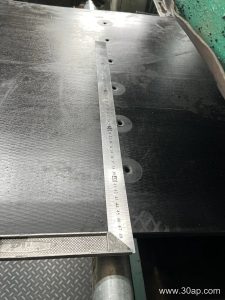
Construction of a 1200mm Wide Belt
The reinforcement, or carcass, determines the belt’s tensile strength and troughability. Common carcass types include EP fabric, NN nylon, and steel cord. For a 1200mm conveyor belt, the carcass may contain two to six fabric plies, depending on the duty. Steel cord constructions are also produced in this width for long-haul, high-tension routes.
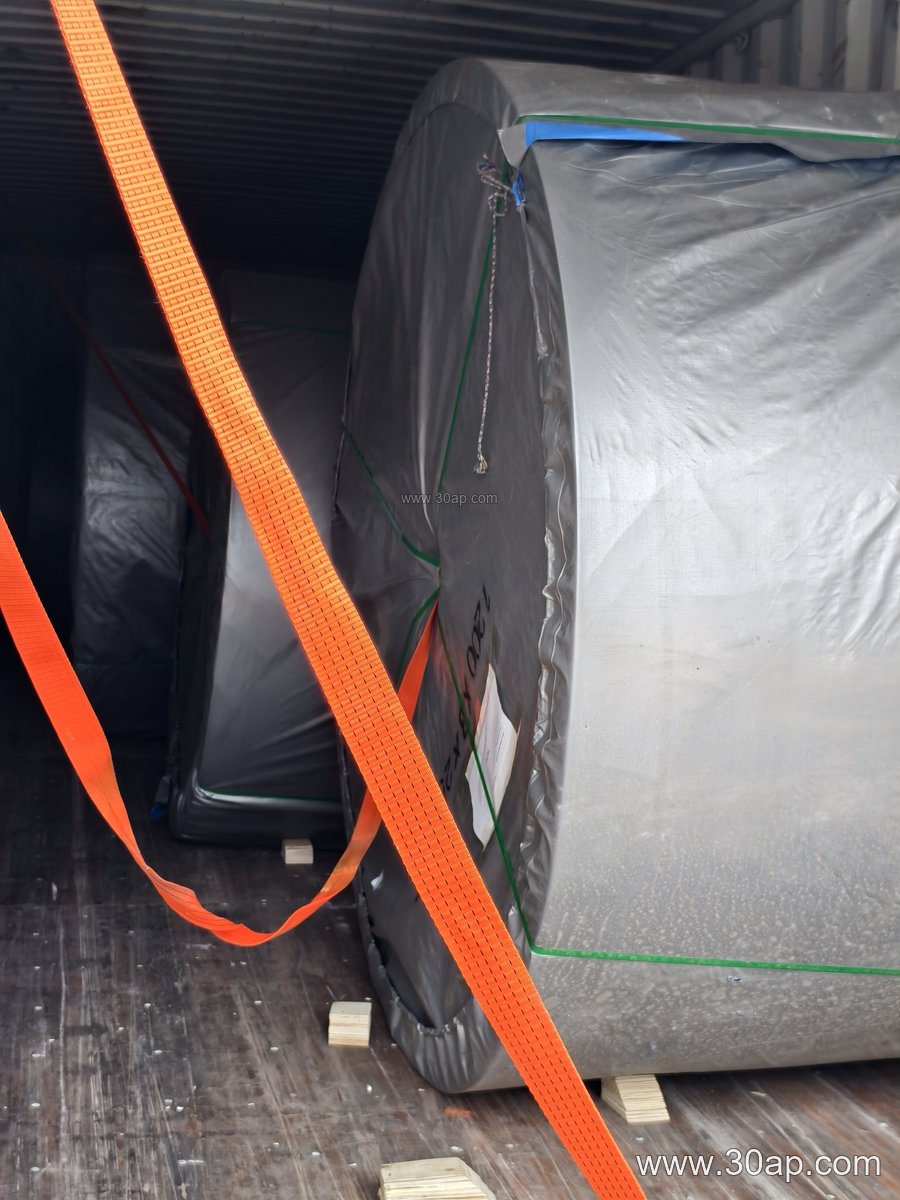
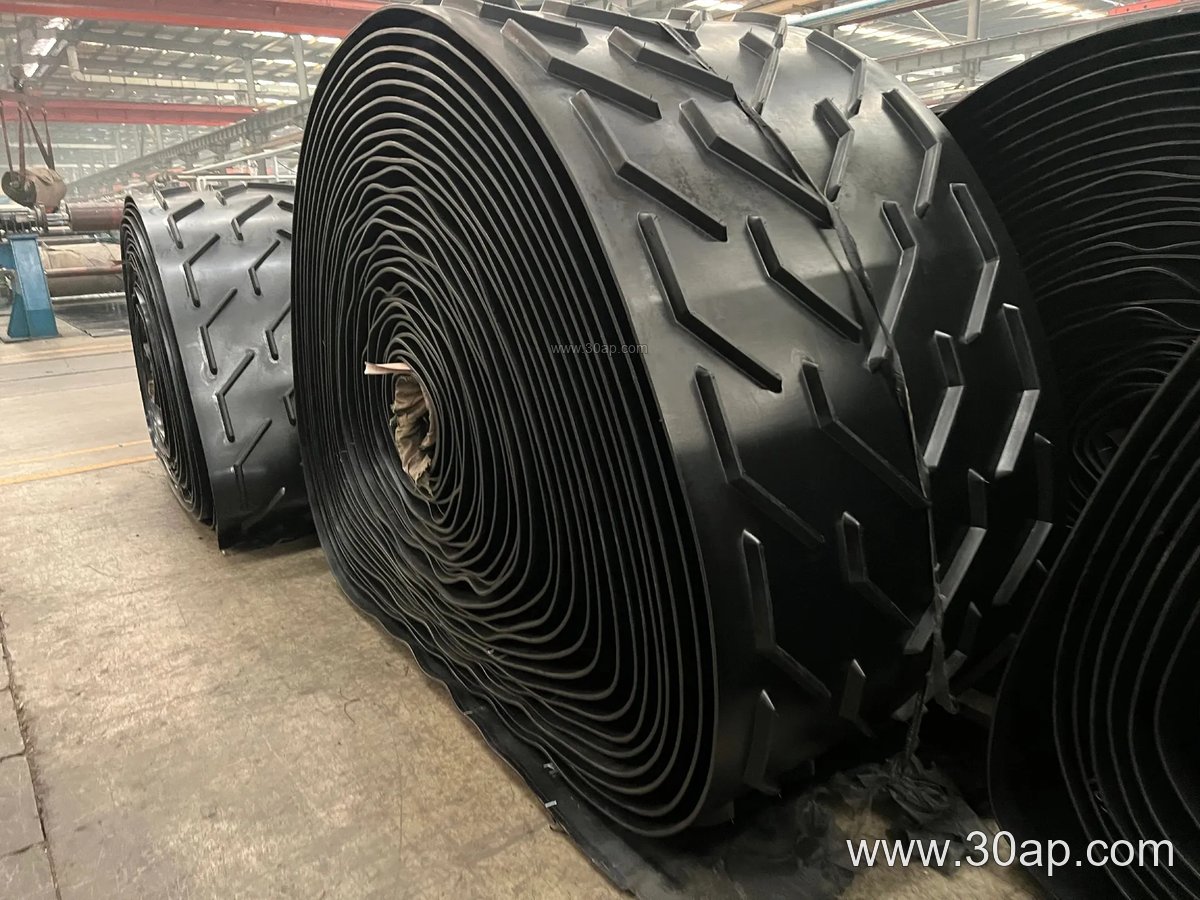
Cover rubber grades are selected to match the material being moved. A cement plant handling hot clinker may specify a heat-resistant cover, while a coal mine often requires flame-retardant and anti-static properties. Oil resistance, acid and alkali resistance, and cold resistance are other options. Surface forms such as smooth, chevron, and corrugated sidewall are available, but they serve different functions: chevron helps on inclines, while corrugated sidewall contains material on steep or vertical lifts.
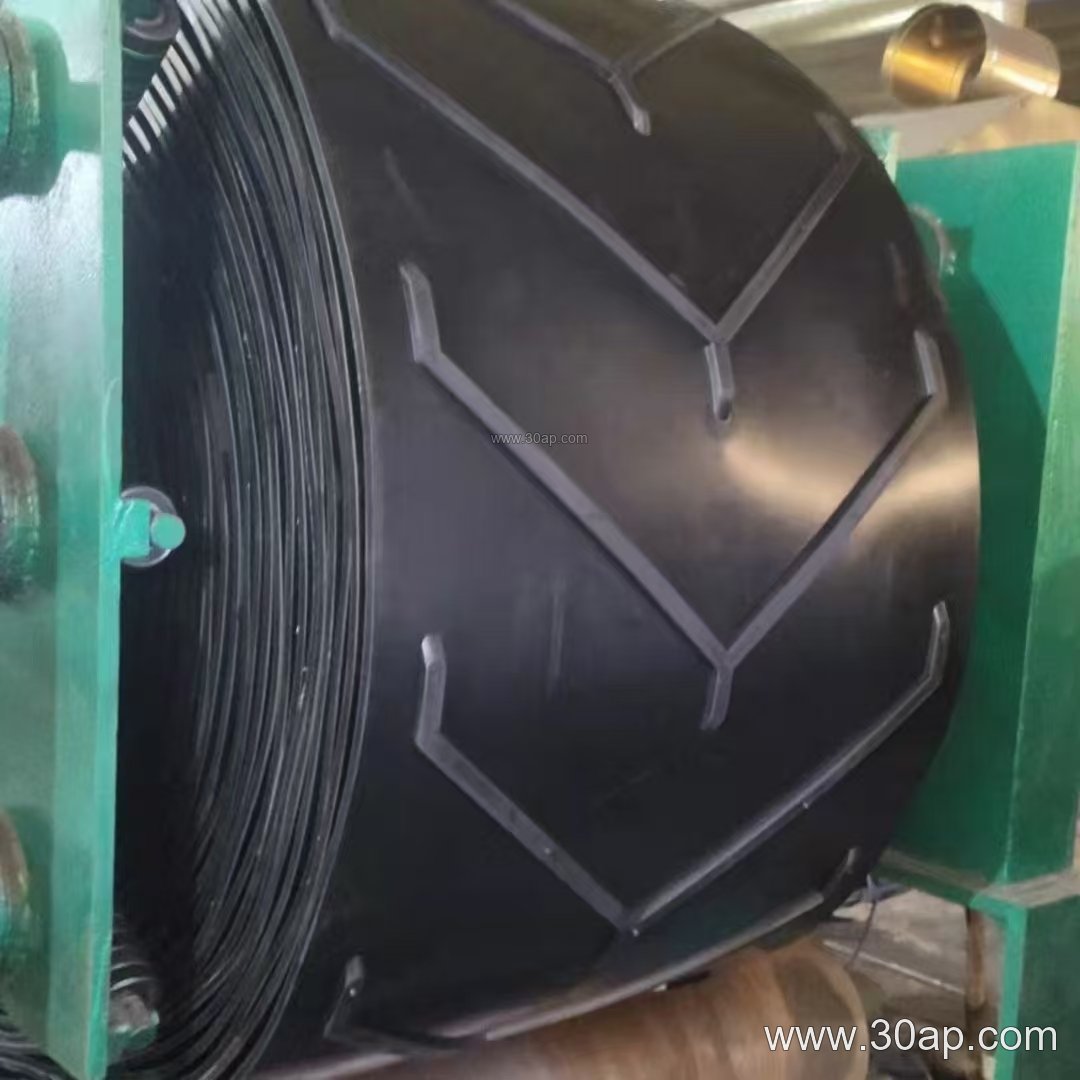
The following table lists representative strength and cover combinations. These are reference values, not fixed supply promises. Actual specifications are confirmed by the manufacturer against the conveyor design.
| Property | Common Options |
|---|---|
| Belt width | B1200 mm (1200mm conveyor belt) |
| Fabric strength grades | EP200, EP315, EP400, EP500, EP630, EP800, EP1000, EP1250, EP1600, EP2000 |
| Cover thickness | 3+1.5 mm, 4+2 mm, 5+2 mm, 6+2 mm, 8+3 mm |
| Ply count | Usually 2 to 6 layers |
Where a 1200mm Belt Fits in the Conveyor Line
This belt width is often chosen when the required conveying capacity and lump size exceed what narrower belts can handle efficiently. In a coal handling system, a 1200mm conveyor belt may run from a primary crusher to a stockpile stacker. In a cement plant, it may carry limestone, clinker, or gypsum between process stages. In a power station, it can feed coal to a bunker or boiler. Sand and gravel operations use it on main haul conveyors and transfer points.
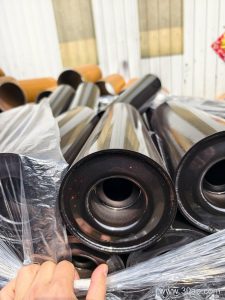
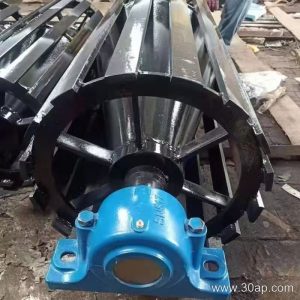
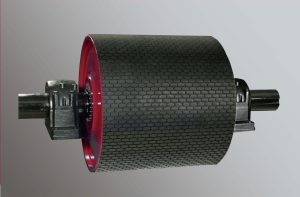
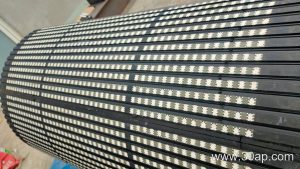
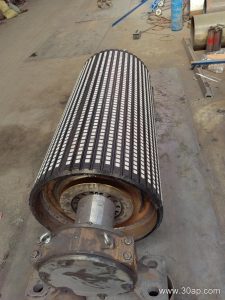
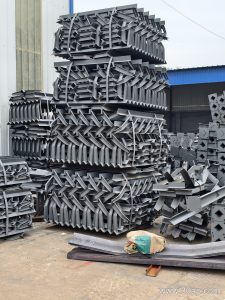
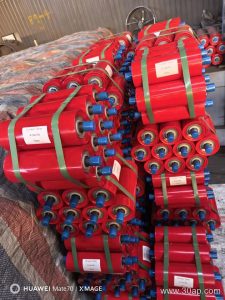
The belt interacts with several components. Troughing idler rollers support the loaded strand; return idler rollers support the empty side. A drive pulley transmits power, a tail pulley provides turning, and a bend pulley changes the belt path. Conveyor brackets hold the idlers and pulleys in position. These parts are not interchangeable: a drive pulley, tail pulley, and bend pulley have different roles, and selecting the wrong one affects belt tracking and tension.
Selection Points for Buyers
When specifying a 1200mm conveyor belt, the buyer should first confirm the material characteristics: bulk density, lump size, temperature, moisture, and chemical exposure. These factors narrow the cover grade and carcass type. Next, the conveyor’s tensile requirement determines the fabric strength and ply count. The pulley diameters and shaft sizes are separate design decisions; they should never be guessed from belt width alone. A wider belt does not automatically require one specific pulley diameter, and no fixed shaft diameter follows from B1200.
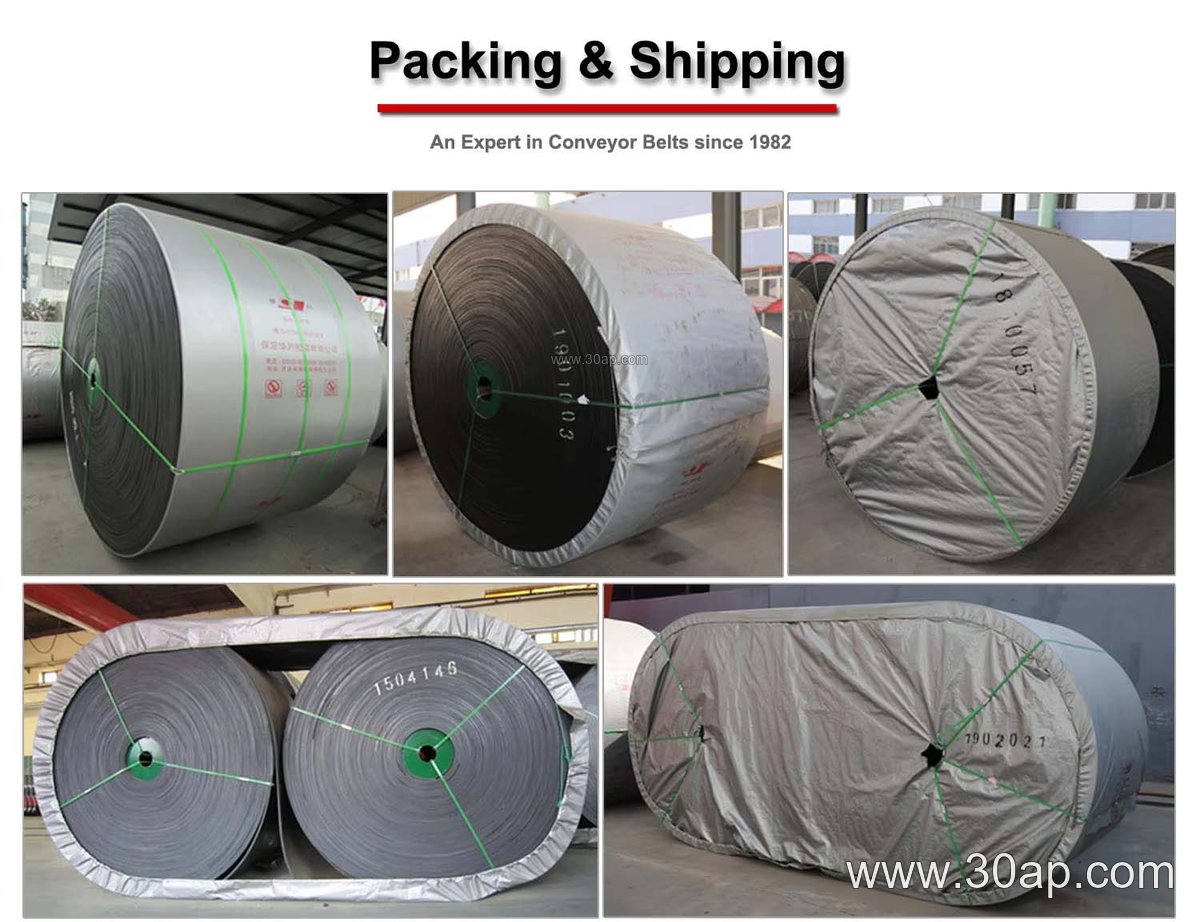
Installation details also matter. The belt edge condition, splice method, and troughing angle affect how well a 1200mm belt tracks. A vulcanized splice is common for permanent joints, while mechanical fasteners may be used for temporary repairs. Adequate storage, avoiding sharp bends, and protecting the belt from sunlight and ozone help extend service life.
Maintenance should focus on alignment, idler rotation, and pulley lagging. A misaligned idler roller can cause edge wear on a wide belt, and a seized roller increases drag and power demand. Regular inspection of the drive pulley, tail pulley, and bend pulley for lagging wear and material buildup keeps the system running smoothly. Conveyor brackets should be checked for looseness after the first few weeks of operation and periodically thereafter.
In short, a 1200mm conveyor belt is a heavy-duty belt width suited to high-capacity bulk handling. Its performance depends on matching the carcass, cover, and surface form to the application, and on keeping the idlers, pulleys, and brackets in good condition. For any project, the final specification should be confirmed with the belt manufacturer and conveyor designer.