What a 1500mm Conveyor Belt Is
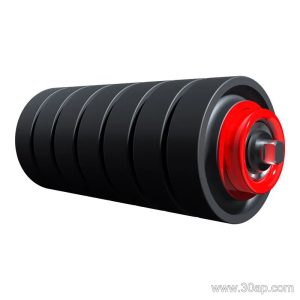
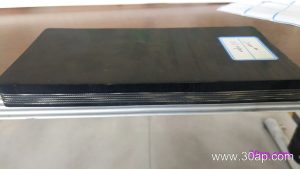
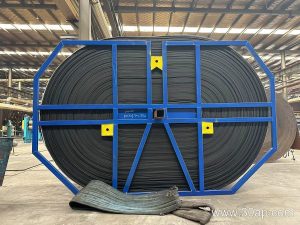
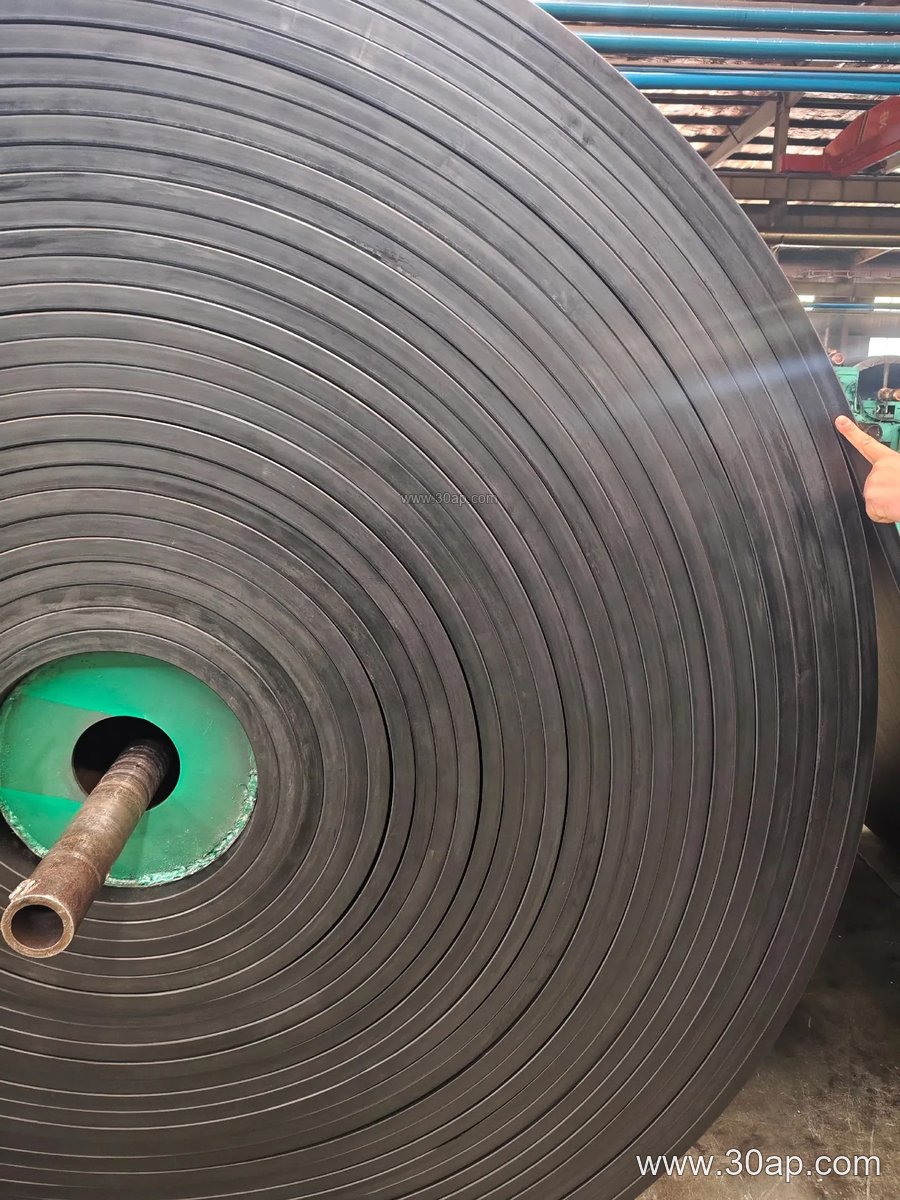
A 1500mm conveyor belt is a wide-format rubber or PVC belt with a nominal width of 1500 millimeters, often written as B1500 in specifications. It is the same product as a 1500 mm wide conveyor belt, and the two terms can be used interchangeably. This width is common in high-capacity systems where a narrower belt would need to run faster to move the same tonnage. The extra width also helps spread the load, which can reduce wear on the belt surface and on supporting components such as the idler roller and conveyor pulley.
Construction and Common Specifications
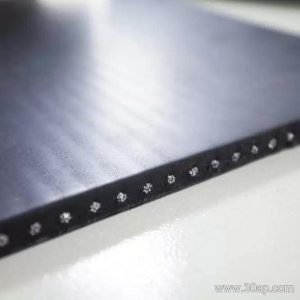
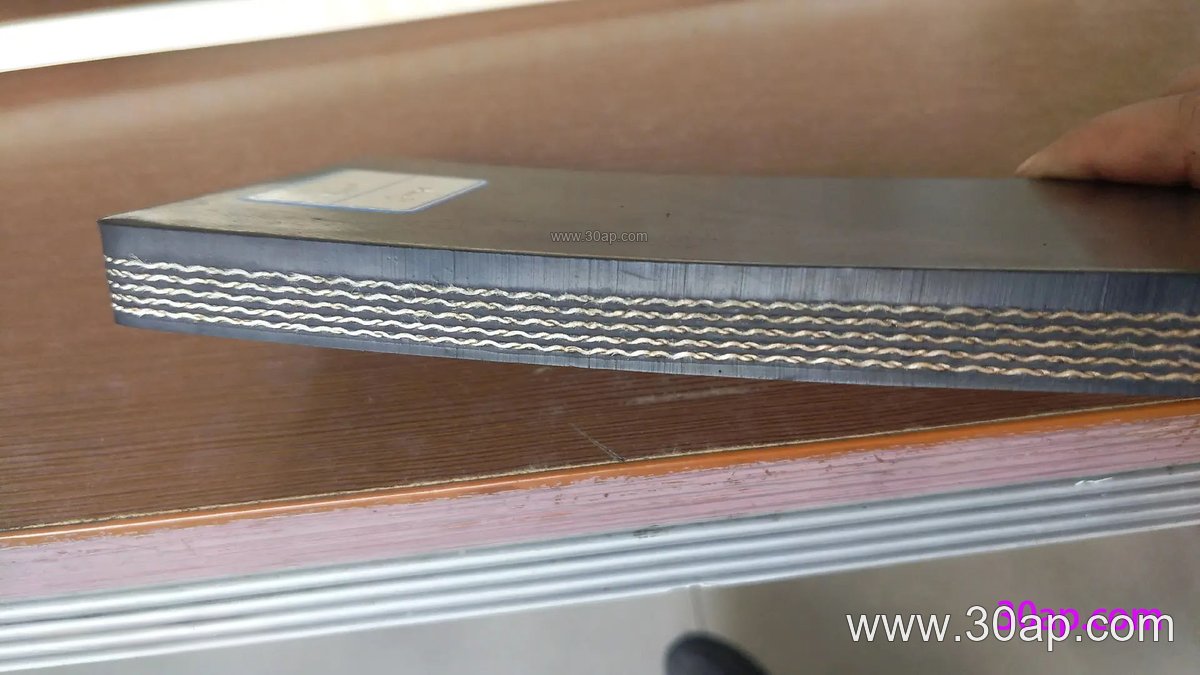
The belt is usually built around a fabric or steel cord carcass, with rubber covers on both sides. Fabric types include EP and NN, while steel cord belting is chosen for very long runs and high tension. Cover grades can be selected for wear, heat, oil, flame resistance, or cold conditions. The table below shows common reference values; actual values are set by the manufacturer and by the conveyor design.
| Item | Common Options |
|---|---|
| Belt width | B1500 (1500 mm) |
| Fabric type | EP, NN, steel cord |
| Strength grade | EP200, EP315, EP400, EP500, EP630, EP800, EP1000, EP1250 |
| Cover thickness | 3+1.5, 4+2, 5+2, 6+2, 8+3 mm |
| Ply count | 2 to 6 layers, typical |
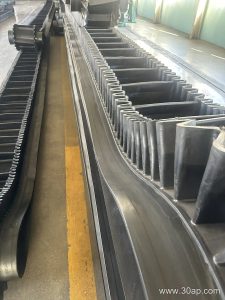
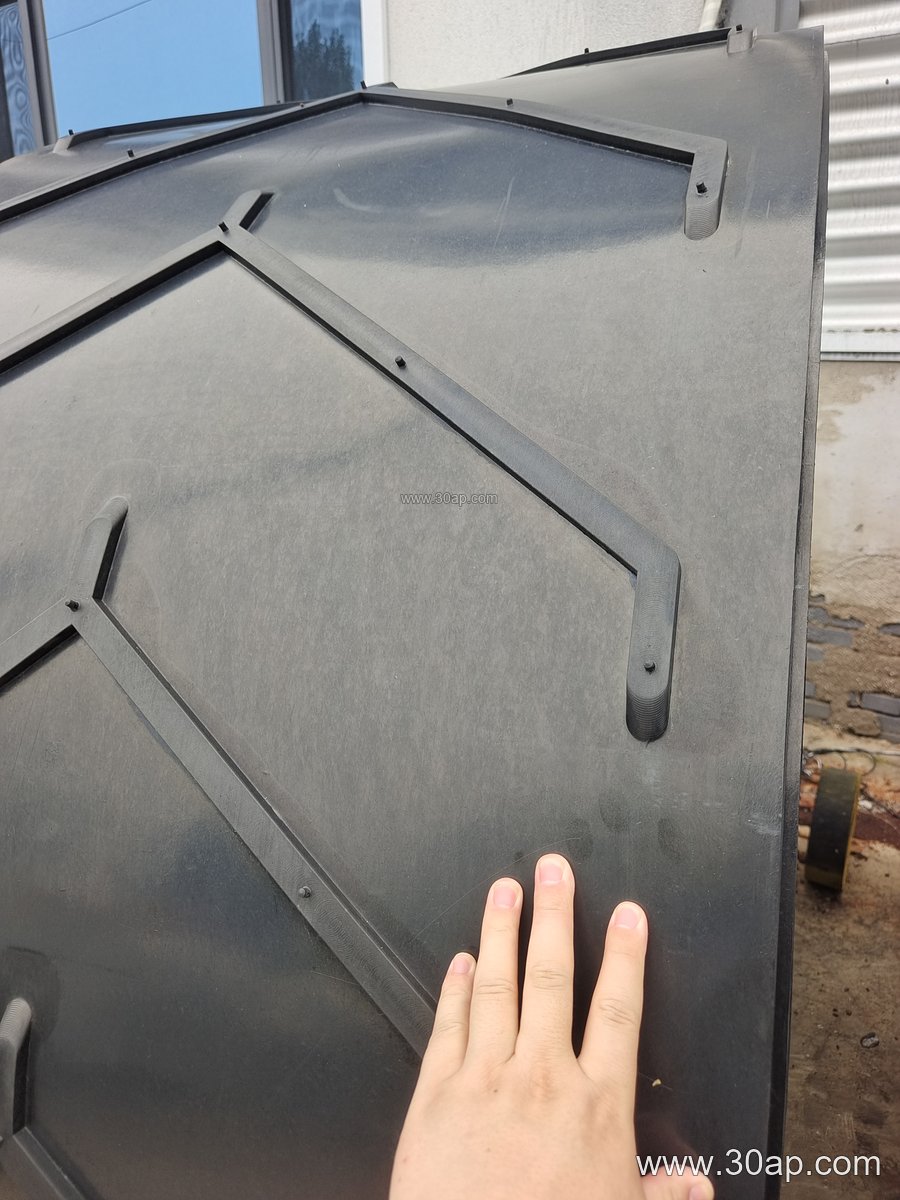
| Surface form | smooth, chevron, patterned, sidewall |
Where It Fits in a Conveyor
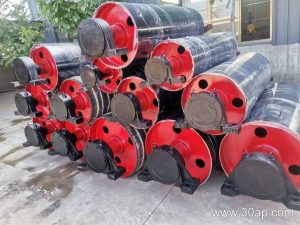
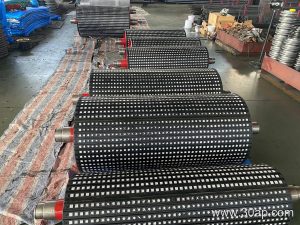
A B1500 belt runs over a drive pulley, a tail pulley, and bend pulleys that change the belt path. These pulleys are not interchangeable: the drive pulley transmits torque, the tail pulley returns the belt, and a bend pulley redirects it. The belt is supported by idler rollers, which are held by a conveyor bracket or frame. In mines, coal preparation plants, cement works, power stations, and sand and gravel yards, this width is often used on main haulage or stockyard lines where throughput is high and the material is heavy or abrasive.
Choosing the Right Belt for the Job
Width alone does not decide the pulley diameter, the shaft size, or the idler spacing. Those values come from the belt tension, the load, the trough angle, and the conveyor profile. A 1500 mm belt may be paired with different pulley diameters depending on the carcass and the duty. When selecting a belt, consider:
- Material type and lump size, which affect cover grade and impact resistance.
- Ambient and material temperature, especially in cement or foundry service.
- Oil, chemical, or flame exposure in coal or process plants.
- Belt tension and take-up length, which guide the carcass and strength grade.
- Loading and transfer points, where impact idlers and skirt rubber protect the belt.
For a relevant comparison, a narrower belt such as B1200 may suit a secondary line, while the 1500mm width is often reserved for the primary high-tonnage path. The choice depends on the required capacity and the space available, not on a fixed rule.
Installation and Maintenance Notes
Correct alignment matters more as width increases. A 1500 mm belt can drift if the pulleys are not square or if the idlers are misaligned. Check that the drive pulley, tail pulley, and bend pulleys are parallel and level. Keep the belt cleaner working, because carryback on a wide belt can build up on return idlers and cause tracking problems. Inspect the belt edges for fraying, and look for cover gouges near the loading zone. Replace worn idler rollers before they damage the belt surface. Store spare belts flat and away from direct sunlight, ozone sources, and sharp objects.