What a 1600mm Conveyor Belt Is
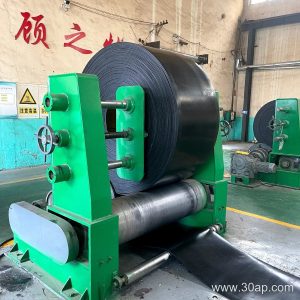
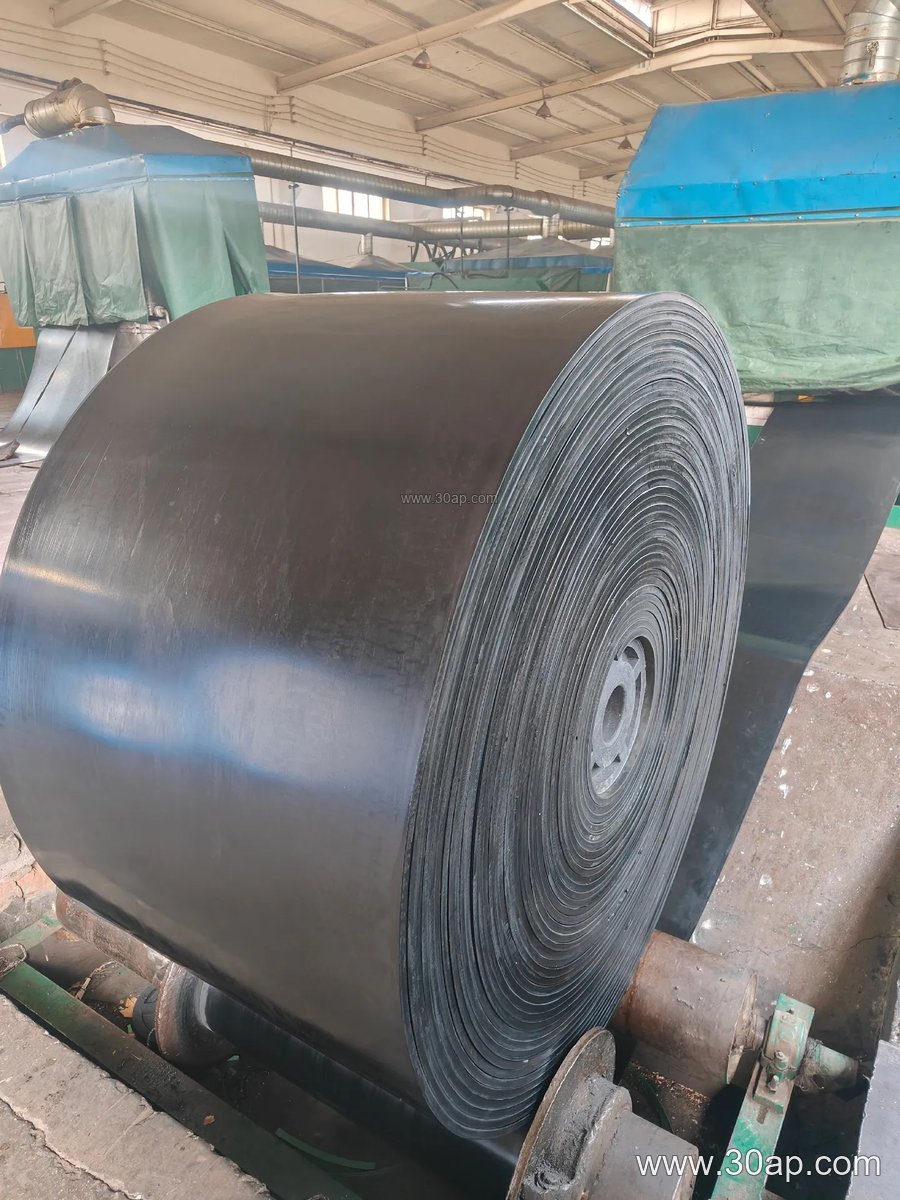
A 1600mm conveyor belt is a wide-format rubber belt with a nominal width of B1600. It is used on large belt conveyors where high tonnage and wide material streams must be moved continuously. In mining, coal preparation, cement plants, power stations, and sand and gravel yards, this width helps reduce spillage and supports stable tracking under heavy loads.
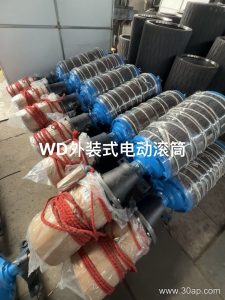
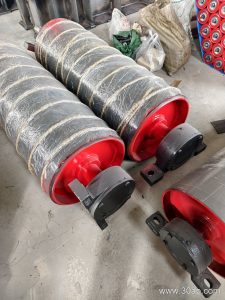
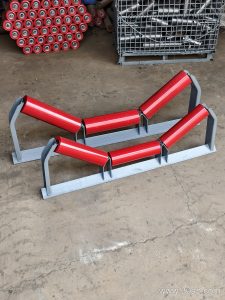
The product is also called a 1600 mm wide conveyor belt when the width is written as a metric dimension. Both names refer to the same belt, not to a drive pulley, tail pulley, or bend pulley. A conveyor pulley, idler roller, and conveyor bracket are separate components that support or drive the belt.
Construction and Common Specifications
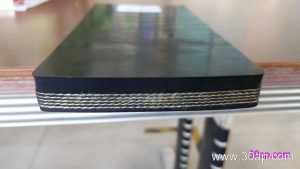
The belt usually has a fabric or steel cord carcass covered with rubber. The carcass carries the tension, while the cover protects against abrasion, impact, and environmental conditions. Common carcass options include EP conveyor belt, NN nylon conveyor belt, and steel cord conveyor belt. Cover compounds may be selected for wear resistance, heat, oil, flame retardance, antistatic behavior, cold, or acid and alkali exposure.
Specifications vary by design and manufacturer. The following values are typical reference data, not a universal supply promise.
| Item | Common Range or Example |
|---|---|
| Belt width | B1600 / 1600 mm |
| Fabric types | EP, NN |
| Strength grades | EP200, EP315, EP400, EP500, EP630, EP800, EP1000 |
| Cover thickness | 4+2 mm, 5+2 mm, 6+2 mm, 8+3 mm |
| Fabric plies | 2 to 6 layers |
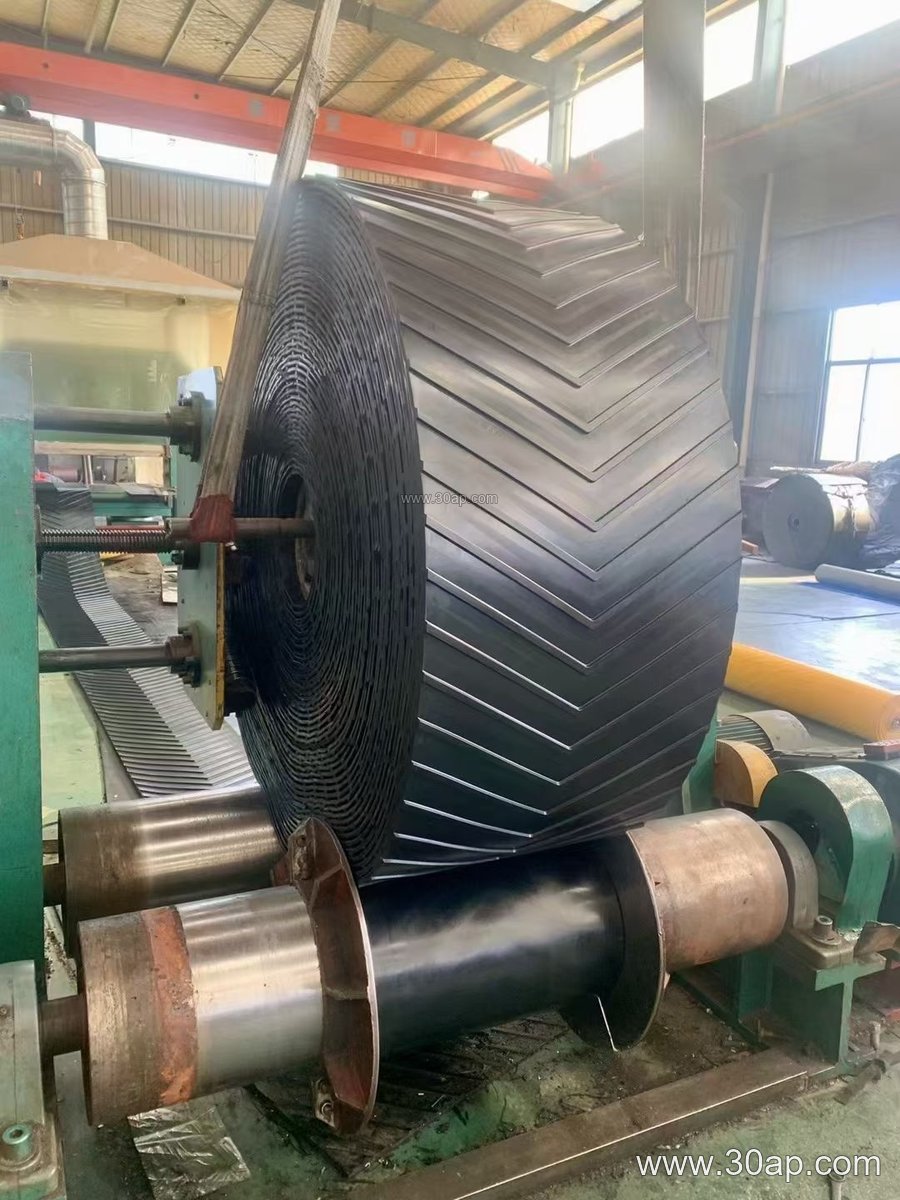
| Surface forms | smooth, patterned, chevron, corrugated sidewall |
Surface form should match the duty. A smooth belt suits general transport, while a patterned or chevron belt can help on inclines where material tends to slide back. A corrugated sidewall belt may be chosen for steep or vertical conveying, but it is a different belt design and should not be treated as a direct replacement for a standard 1600mm belt.
Where It Is Used
This belt width is common in bulk material systems that handle large volumes. Typical industries include:
- Mining and metal ore transport
- Coal mines and coal preparation plants
- Cement plants and clinker lines
- Power stations and fuel handling
- Sand and gravel plants, quarries, and aggregate yards
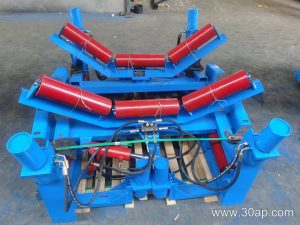
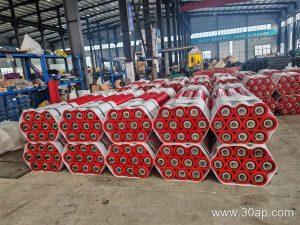
In these settings, the belt works with conveyor idler rollers that support the load, a conveyor pulley that drives or redirects the belt, and conveyor brackets that hold the structure together. The wide format is especially useful where the conveyor receives material from a crusher, screen, or transfer chute and needs to avoid excessive edge spillage.
Selection Points for Buyers
Buyers should first confirm the actual belt width, because B1600 is a nominal size and the finished edge may differ slightly by manufacturer. Next, check the strength grade and number of plies against the conveyor tension and load. The cover grade should match the material and environment, for example abrasive ore, hot clinker, oily parts, or cold outdoor service.
Pulley diameter is not fixed by belt width alone. A 1600mm conveyor belt can run on different pulley diameters depending on carcass type, tension, and conveyor design. The same applies to shaft diameter. These values must come from the conveyor designer, not from the belt width by itself.
Other practical checks include:
- Belt edge condition and cut quality
- Cover thickness for top and bottom surfaces
- Joint method and splice compatibility
- Tracking behavior on the existing idler roller arrangement
- Compatibility with the drive pulley, tail pulley, and bend pulley
Installation and Maintenance Notes
Correct alignment matters on a wide belt. Misaligned idler rollers, a worn conveyor pulley lagging, or a bent conveyor bracket can cause edge damage and shorten belt life. During installation, keep the belt centered and follow the manufacturer’s tensioning instructions. Inspect the belt regularly for cuts, cover wear, and exposed carcass.
Storage should be dry and away from direct sunlight, ozone sources, and sharp objects. When joining a 1600mm conveyor belt, use a splice method suitable for the carcass and operating tension. A poorly made joint can fail long before the belt body wears out.
For any project, match the belt to the conveyor duty rather than assuming one width fits every line. The 1600mm format is a strong choice for high-volume, wide-stream conveying, but strength grade, cover compound, and surface form should be selected for the specific mine, cement plant, power station, or sand and gravel yard where it will run.