What a Trough Idler Bracket Set Does
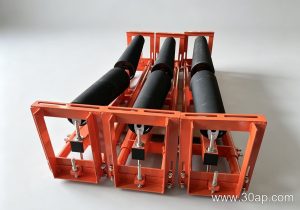
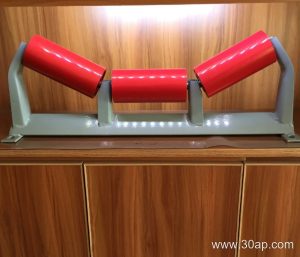
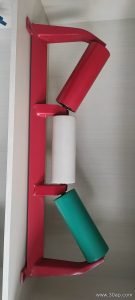
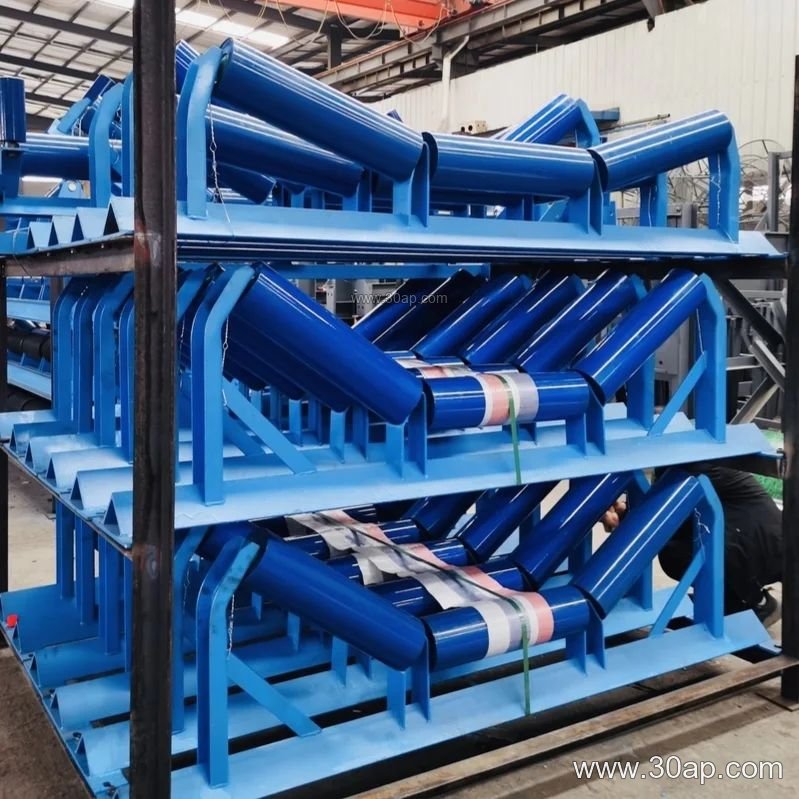
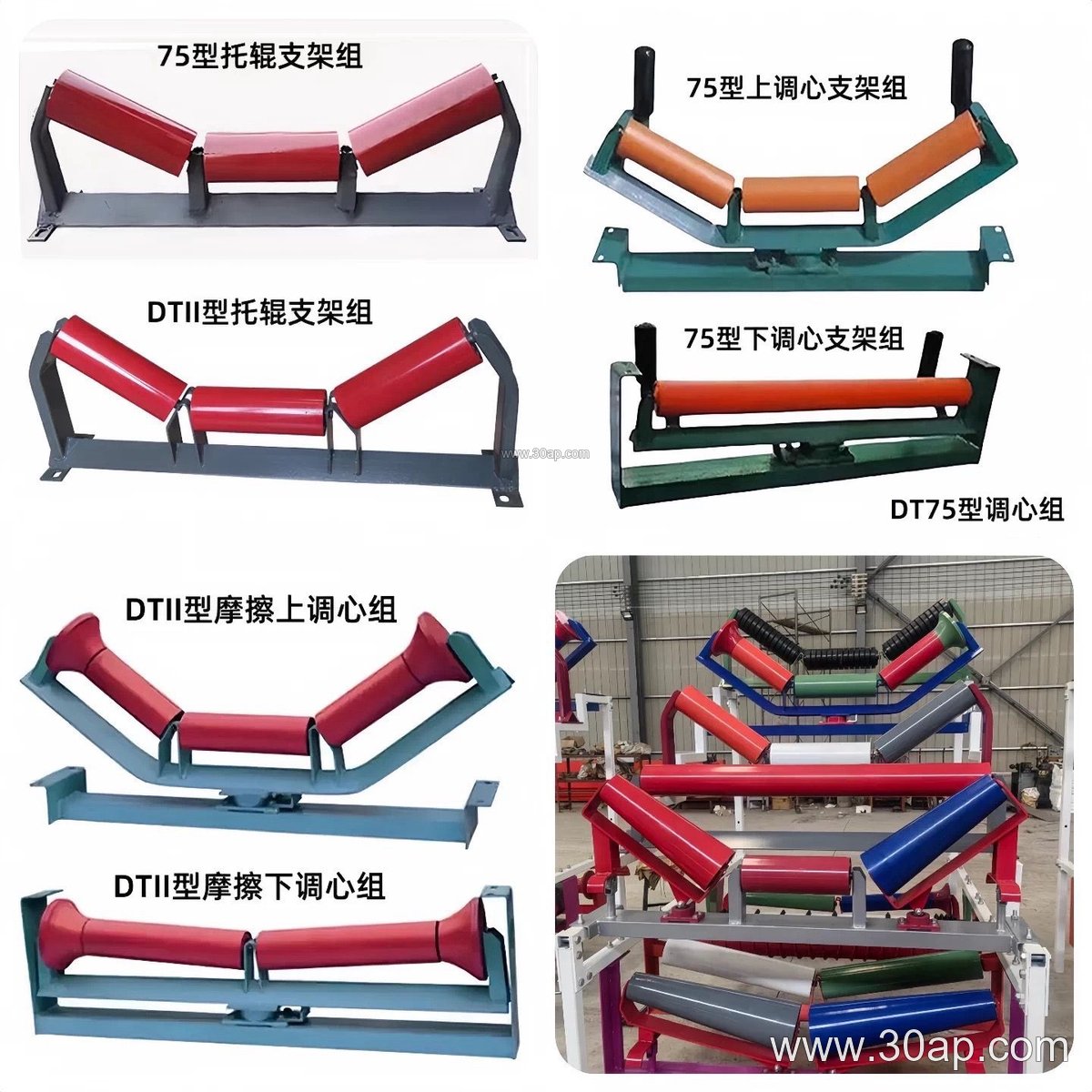
A trough idler bracket set is the structural group that holds the idler rollers in a troughed shape along the carrying side of a conveyor. In a quarry, cement plant, or coal handling line, this bracket set keeps the conveyor belt cupped so material stays centered during transport. The set usually includes the main cross beam, mounting plates, and the angled supports that position each idler roller. Without a proper bracket set, the belt may sag, spill material, or wear unevenly.
How the Bracket Set Is Built
Most trough idler bracket sets are fabricated from angle steel, channel steel, or folded steel plate. The frame is drilled or slotted to accept standard idler shafts, and the trough angle is fixed or adjustable depending on the design. Common trough angles are 20, 30, 35, and 45 degrees. Adjustable brackets allow the same set to be set to different angles, which helps when the conveyor handles materials with different flow characteristics. A typical bracket set for a B800 belt might use three idler rollers with a 35 degree trough angle and Ø108 rollers, but the exact combination is always determined by the conveyor design and the material being moved.
Where It Fits in a Conveying System
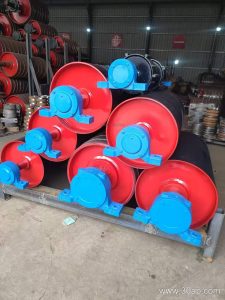
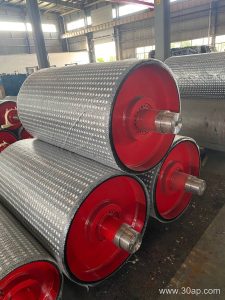
This bracket set is installed on the carrying side of the conveyor, between the tail pulley and the head pulley. It works together with the conveyor belt, idler rollers, and the conveyor pulley at each end. In a sand and gravel line, for example, a trough idler bracket set may be placed every 1 to 1.5 meters along the carrying run. The return side often uses a different bracket type, such as a flat return bracket or a V-return bracket, but those are separate components and not part of the trough set. The trough set itself is not interchangeable with a bend pulley or a drive pulley, which serve completely different functions.
Typical Parameters and Size Range
Bracket sets are available for many belt widths, roller diameters, and trough angles. The table below shows common reference values, not fixed rules. Any belt width can be paired with more than one roller diameter or trough angle depending on the conveyor duty.
| Belt Width | Common Trough Angle | Common Roller Diameter | Typical Application |
|---|---|---|---|
| B500 | 20° – 30° | Ø89 | Small aggregate or grain conveyors |
| B650 | 30° – 35° | Ø89 – Ø108 | Sand and gravel, light cement duty |
| B800 | 35° – 45° | Ø108 – Ø133 | Coal handling, limestone crushing |
| B1000 | 35° – 45° | Ø133 – Ø159 | Iron ore, power plant coal feed |
| B1200 | 35° – 45° | Ø133 – Ø159 | Heavy mining, large stone plants |
| B1400 – B1600 | 35° – 45° | Ø159 – Ø194 | High capacity bulk handling |
Mounting hole spacing and beam length change with belt width and trough angle, so they are always specified per project. A bracket set for a B1200 belt will not have the same dimensions as one for a B650 belt.
Selection and Maintenance Notes
When choosing a trough idler bracket set, match the bracket to the idler roller shaft diameter and the required trough angle. Check that the bracket material suits the environment — for example, a dusty cement plant may need a design that resists material build-up. Adjustable brackets are useful when the conveyor may handle different materials over time. During maintenance, inspect the bracket for bent beams, worn mounting holes, or loose bolts. A damaged bracket can misalign the idler rollers and cause the conveyor belt to track poorly.
Buying Checklist
- Confirm belt width and required trough angle.
- Match roller diameter to the idler roller shaft.
- Decide between fixed and adjustable bracket set.
- Check material and finish for the working environment.
- Verify mounting hole spacing against the conveyor frame.
A trough idler bracket set is a simple but critical part of a conveyor. Getting the right bracket for the belt width, roller size, and trough angle keeps the conveyor belt running true and reduces spillage in mines, quarries, and processing plants.