What Is an EP Fabric Core Conveyor Belt
An EP fabric core conveyor belt is a heavy-duty rubber belt built around a carcass of polyester (E) and polyamide (P) warp and weft yarns. This is the same product often called a polyester-nylon conveyor belt or simply an EP belt. The EP carcass gives the belt low elongation, high tensile strength, and good resistance to impact and moisture. It is a common choice on long overland conveyors and in tough bulk-handling industries such as mining, coal, cement, power generation, and sand and gravel plants.
Unlike a steel cord belt, which uses steel wires for the tension member, an EP belt uses woven fabric plies. The number of plies and the strength grade determine how much load the belt can carry. A buyer can think of the EP carcass as the backbone, while the rubber covers protect that backbone from abrasion, heat, oil, or fire.
Construction of an EP Belt
The belt is built in layers. The core consists of two to six plies of EP fabric, bonded with rubber friction and skim compounds. Above and below the plies are the top and bottom rubber covers. The cover thickness is usually written as a pair, for example 4+2 mm, 5+2 mm, or 6+2 mm, where the first number is the top cover and the second is the bottom cover.
- Top cover: protects against abrasion and impact from the carried material.
- Bottom cover: runs against the idler rollers and pulleys, so it needs good wear resistance too.
- EP fabric plies: provide tensile strength and resist stretching under load.
- Edge construction: cut edges or molded edges, depending on the application.
Common strength grades include EP200, EP315, EP400, EP500, EP630, EP800, EP1000, EP1250, EP1600, and EP2000. Belt widths commonly range from B500 to B2000. These values are reference data, not universal rules; the final selection should be confirmed by the conveyor designer.
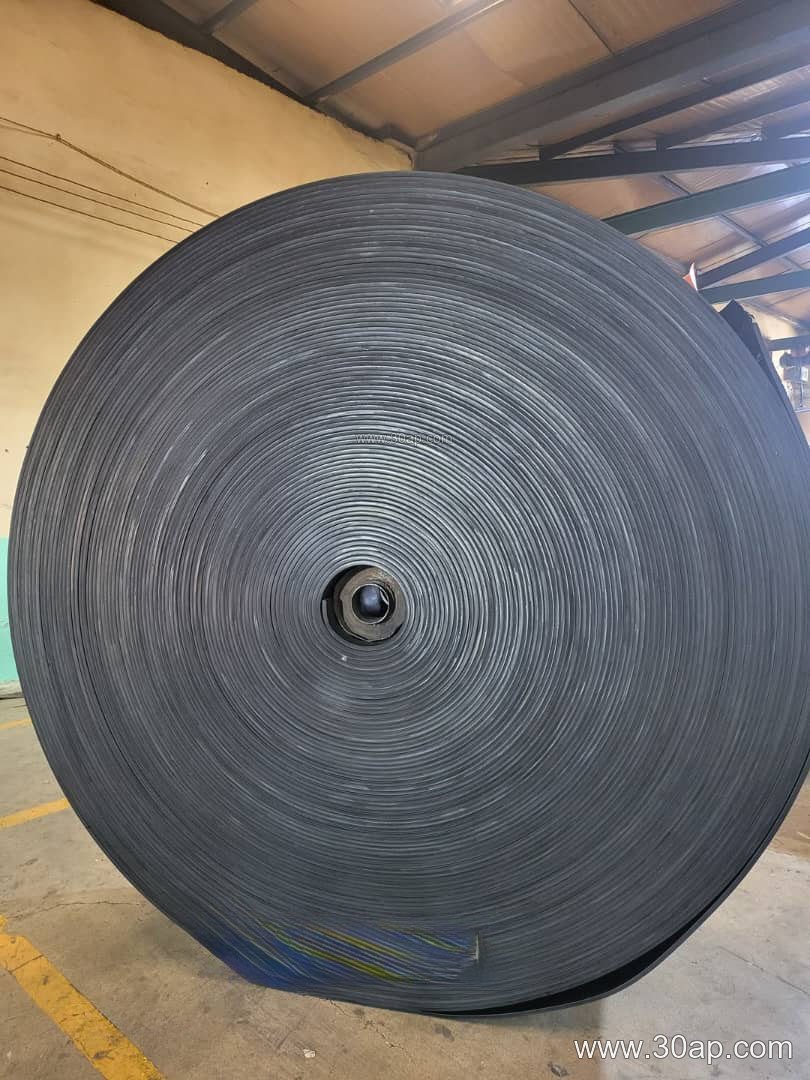
Where EP Conveyor Belts Are Used
Because the EP carcass handles both tension and impact well, this belt type appears in many bulk material systems. Typical users include:
- Mining and coal preparation plants handling ore, coal, and waste rock.
- Cement plants moving clinker, limestone, and additives.
- Power stations feeding coal or biomass.
- Sand and gravel yards, quarries, and aggregate depots.
- Ports and storage yards loading and stacking bulk cargo.
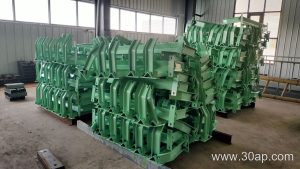
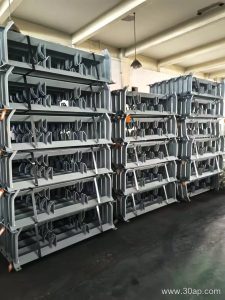
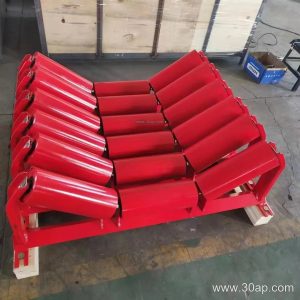
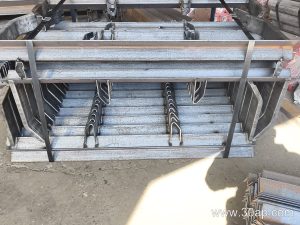
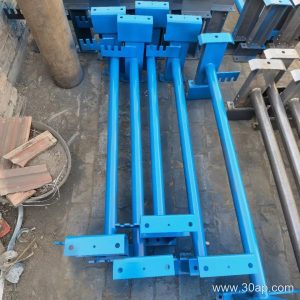
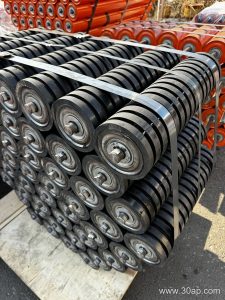
In these systems, the belt runs over idler rollers, wraps around conveyor pulleys, and is supported by conveyor brackets and frames. A drive pulley pulls the belt, a tail pulley returns it, and bend pulleys change its direction. These parts are not interchangeable: each pulley has its own role and its own design requirements.
Types and Surface Forms
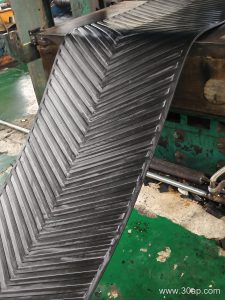
EP fabric core belts can be supplied with different rubber compounds and surface patterns. Common variations include abrasion-resistant, heat-resistant, oil-resistant, flame-retardant, antistatic, cold-resistant, and acid-alkali resistant grades. Surface forms include smooth, patterned, chevron or herringbone, and corrugated sidewall. A chevron or herringbone top cover helps on inclined conveyors where material might slip back. A corrugated sidewall belt is used where the material must be contained on steep inclines.
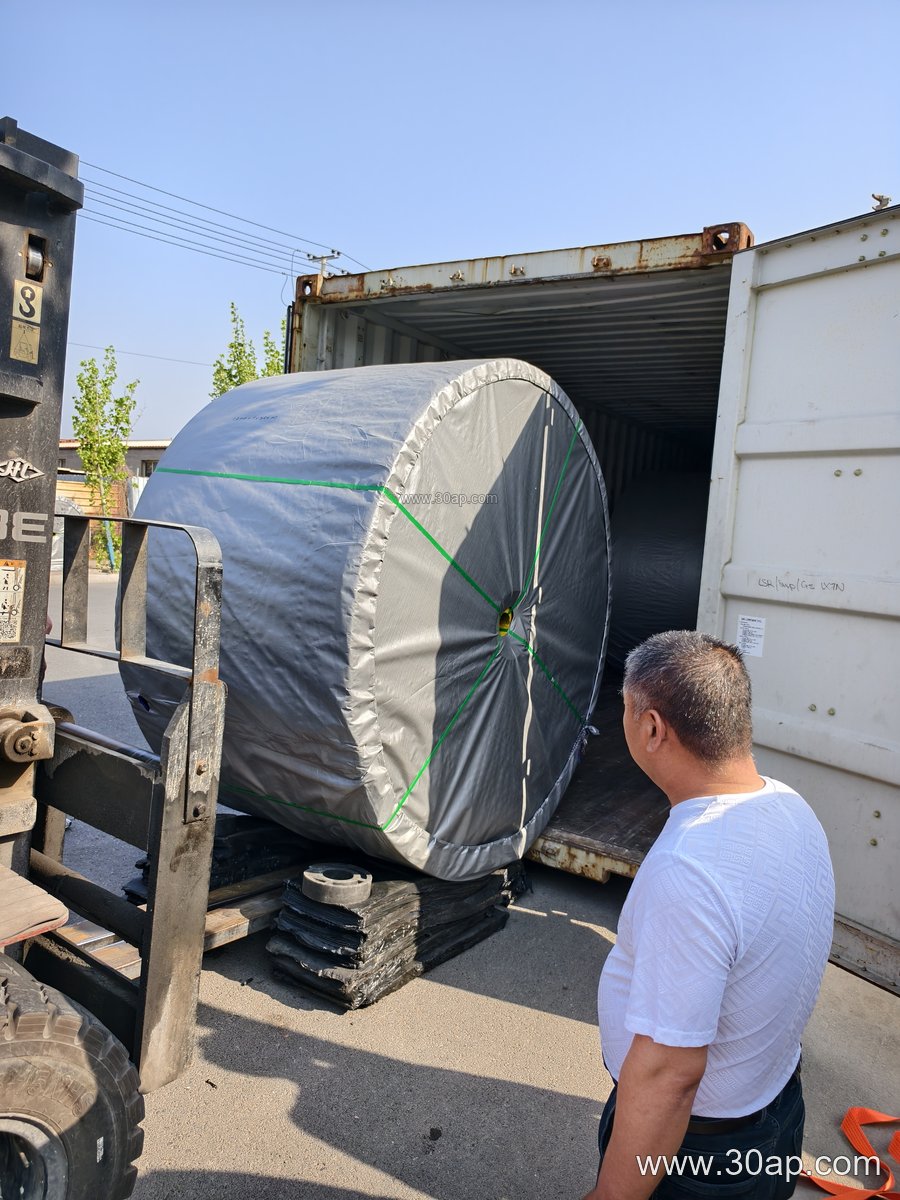
For comparison, an NN nylon conveyor belt also uses a fabric carcass but with nylon in both directions, which gives higher elongation. A steel cord belt is chosen when very high strength and low stretch are needed over long distances. PVC and PVG belts are often used in underground coal mines where fire resistance is required. Each type has its place; the EP belt remains a versatile general-purpose choice.
What a Buyer Should Know
When specifying an EP fabric core conveyor belt, several points matter:
- Belt width and strength grade must match the conveyor design.
- Cover thickness and compound should suit the material, lump size, and operating temperature.
- Number of plies affects flexibility and troughability.
- Splice type and pulley diameters influence belt life.
- Storage and handling should avoid direct sunlight, ozone, and sharp bends.
Do not assume that one belt width can only match one pulley diameter. Pulley sizing depends on belt thickness, ply count, and tension, not width alone. Likewise, shaft diameter is not determined by belt width by itself. A qualified engineer should calculate the drive and take-up requirements.
| Parameter | Common Reference Range |
|---|---|
| Strength grade | EP200 to EP2000 |
| Belt width | B500 to B2000 |
| Cover thickness | 3+1.5 mm to 8+3 mm |
| Number of plies | 2 to 6 |
Maintenance is straightforward. Check belt tracking, clean idler rollers, inspect pulley lagging, and repair small cuts before they grow. Keep the conveyor brackets and frames aligned so the belt runs true. With proper care, an EP fabric core conveyor belt can deliver long service in demanding mining, cement, power, and aggregate operations.