What the EP800 Conveyor Belt Actually Is
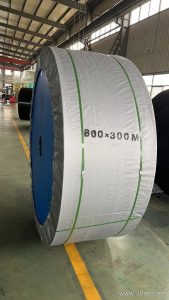
An EP800 conveyor belt is a multi-ply rubber belt built around an EP (polyester warp, nylon weft) fabric carcass. The number 800 refers to the nominal tensile strength of the carcass, typically expressed as 800 N/mm. In practice, this places the belt in the medium-to-heavy duty range, making it a common choice for moving bulk materials over long distances or up steep inclines in mines, cement plants, power stations, and sand and gravel yards.
It is not a single fixed product. The EP800 designation describes the strength class of the carcass; the final belt is defined by the number of fabric plies, the cover rubber grade and thickness, and any special surface features. That flexibility is why the same EP800 carcass can appear in a coal handling line, a clinker conveyor, or a stone crushing circuit.
How the EP800 Belt Is Built
The construction is straightforward but the details matter. A typical EP800 conveyor belt uses two to six plies of EP fabric, bonded with rubber skim compound. The top and bottom covers protect the carcass from abrasion, impact, and moisture. Common cover thickness combinations include 3+1.5 mm, 4+2 mm, 5+2 mm, 6+2 mm, and 8+3 mm, though the final choice depends on the material being carried and the pulley diameters on the conveyor.
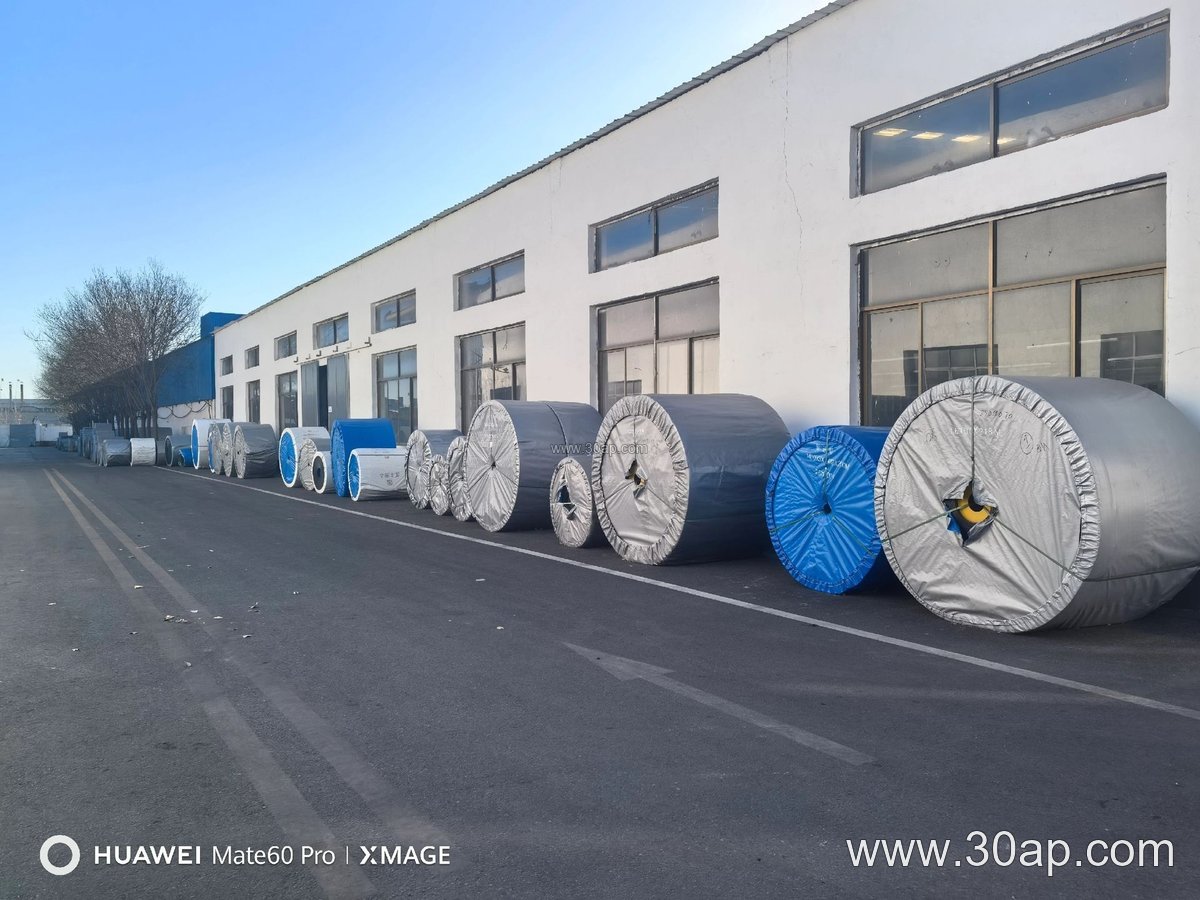
Cover rubber grades are selected for the working environment. A crusher discharge belt might use an abrasion-resistant cover, while a cement kiln feed line may need heat resistance. In coal mines, flame-retardant and anti-static properties are often specified. For cold climates, a cold-resistant compound helps prevent cracking.
Common EP Strength Classes for Reference
| Strength Class | Typical Application Range |
|---|---|
| EP200 | Light duty, short conveyors |
| EP315 | General purpose, small to medium lines |
| EP400 | Medium duty, aggregate and sand |
| EP500 | Medium to heavy duty |
| EP630 | Heavy duty, long distance |
| EP800 | Heavy duty, high tension, steep inclines |
| EP1000 | Very heavy duty, primary crushers |
| EP1250 | High tension, long overland conveyors |
| EP1600 | Extreme duty, large tonnage |
| EP2000 | Highest standard EP class |
These values are reference data. Actual belt selection depends on the conveyor profile, loading conditions, and the pulley and idler roller arrangement.
Where EP800 Belts Are Used
The EP800 conveyor belt fits applications where a standard EP400 or EP500 belt would be overstressed but a steel cord belt would be unnecessarily expensive or difficult to splice. Typical industries include:
- Mining and coal preparation – moving raw coal, gangue, and middlings on incline conveyors.
- Cement plants – clinker, limestone, and gypsum transport, often with heat-resistant covers.
- Power stations – coal feeding lines and ash handling systems.
- Sand and gravel yards – washed stone, sand, and aggregate on stackers and transfer conveyors.
- Ports and bulk terminals – loading and unloading grain, fertilizer, and ore.
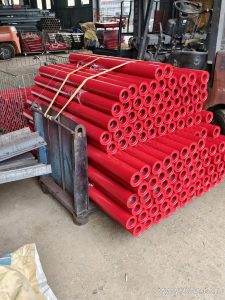
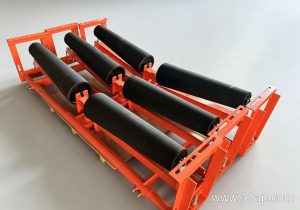
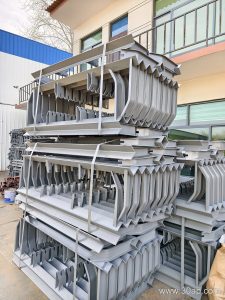
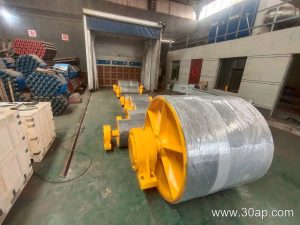
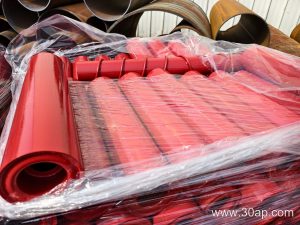
In these settings, the belt works alongside conveyor pulleys, idler rollers, and conveyor brackets. The drive pulley, tail pulley, and bend pulley each have a specific role and are not interchangeable. A drive pulley transmits power; a tail pulley returns the belt; a bend pulley changes direction. The EP800 belt must be matched to the pulley diameters and the troughing idler arrangement to avoid excessive stress.
Selection and Maintenance Notes for Buyers
When specifying an EP800 conveyor belt, consider the following:
- Belt width – common widths include B500, B650, B800, B1000, B1200, B1400, B1600, B1800, and B2000. The width must suit the material size and the conveyor structure.
- Number of plies – two to six plies are typical. More plies increase strength but also reduce flexibility.
- Cover thickness – choose based on abrasion, impact, and heat. A 4+2 mm cover is common for general aggregate; 6+2 mm or 8+3 mm for sharp, heavy rock.
- Surface form – smooth, patterned, chevron, or with sidewalls. Patterned and chevron belts help on inclines; sidewall belts contain material on steep angles.
- Special properties – flame retardant, anti-static, oil resistant, acid and alkali resistant, or cold resistant. These are not universal; specify according to the site.
No single belt width can only match one pulley diameter. The relationship between belt width, ply rating, and minimum pulley diameter is determined by the conveyor design, not by a fixed rule. Always confirm the recommended minimum pulley diameter with the belt supplier and the conveyor designer.
During operation, check belt tracking, cover wear, and splice condition. Worn idler rollers or misaligned pulleys can damage an EP800 belt quickly. Keeping the conveyor bracket and frame square helps extend belt life.
EP800 Compared to Other Belt Types
For lighter duties, an EP200 or EP315 belt may be sufficient. For very high tension or long overland curves, a steel cord belt often replaces the EP800. PVC and PVG belts are common in underground coal mines where fire resistance is critical, but they have different strength ranges. The EP800 conveyor belt remains a practical middle ground: strong enough for demanding bulk handling, flexible enough for standard pulleys, and available in a wide range of cover compounds and widths.