What a Long-Distance Conveyor Idler Does on Extended Routes
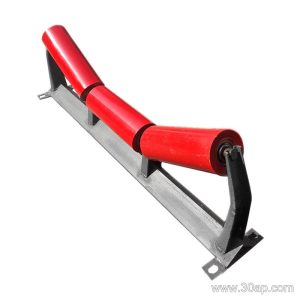
A long-distance conveyor idler is the rotating support that carries the conveyor belt across kilometres of overland or underground routing. On these extended systems, the idler roller must maintain belt alignment, absorb continuous dynamic loads, and keep rolling resistance low enough to control power demand. While a single idler may look simple, the cumulative effect of hundreds or thousands of units directly influences belt life, splice integrity, and energy consumption in mines, cement plants, and power station coal yards.
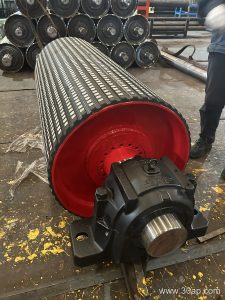
This article focuses on the long-distance conveyor idler itself. Drive, tail, and bend pulleys serve completely different functions and are not interchangeable with idlers. Where a comparison helps, other idler variants are mentioned only to clarify a design choice.
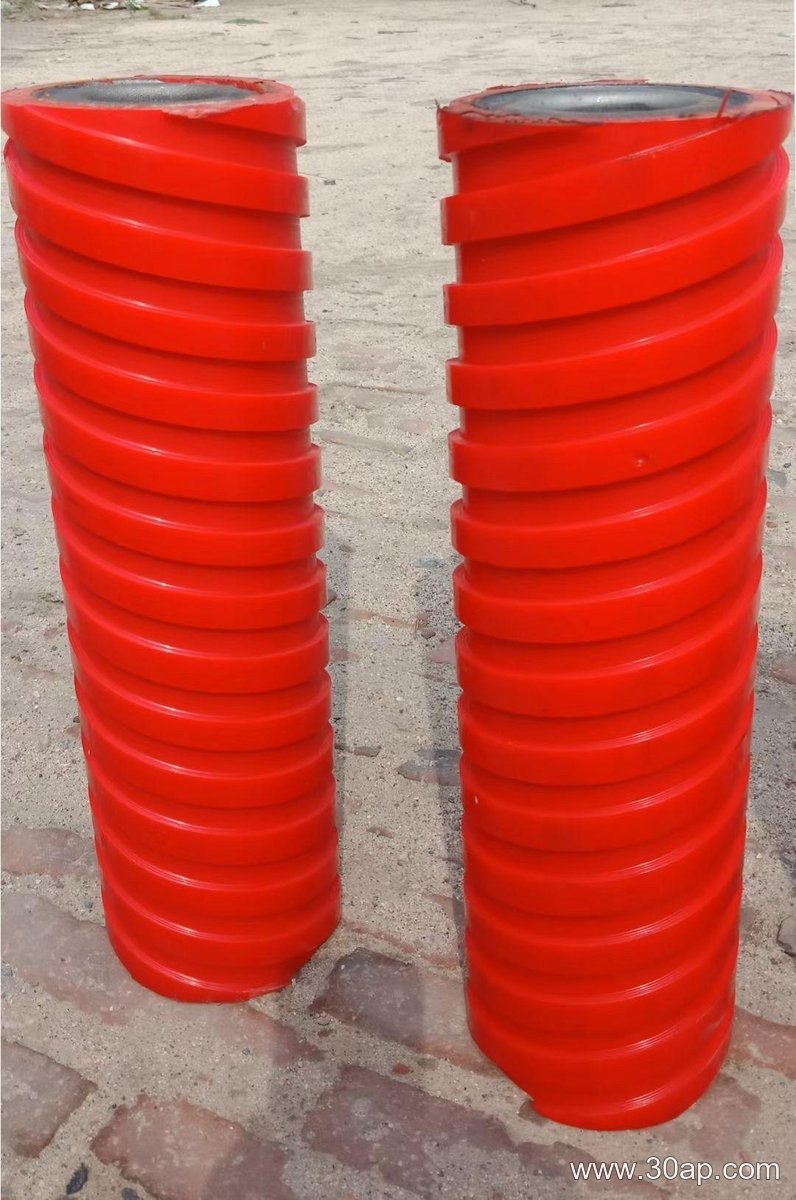
Construction Details That Matter Over Long Spans
The long-distance conveyor idler is typically built around a steel tube shell, a shaft, bearing housings, and a sealing arrangement. Roller diameters commonly include Ø63, Ø76, Ø89, Ø102, Ø108, Ø127, Ø133, Ø159, Ø178, Ø194, and Ø219 mm. The shell may be plain steel, nylon, ceramic, or rubber-covered, depending on abrasion and impact conditions.
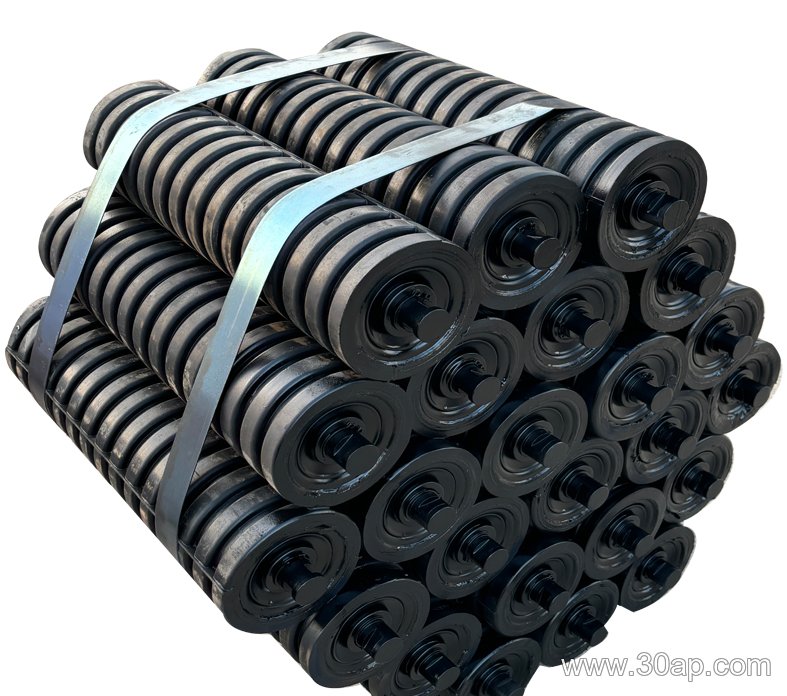
Bearings such as 6204, 6205, 6305, 6306, 6308, and 6310 are used across different idler sizes. A specific bearing is not locked to one roller diameter; the selection depends on load, speed, and expected service life. Sealing quality is especially important on long overland routes where dust, moisture, and temperature swings are constant.
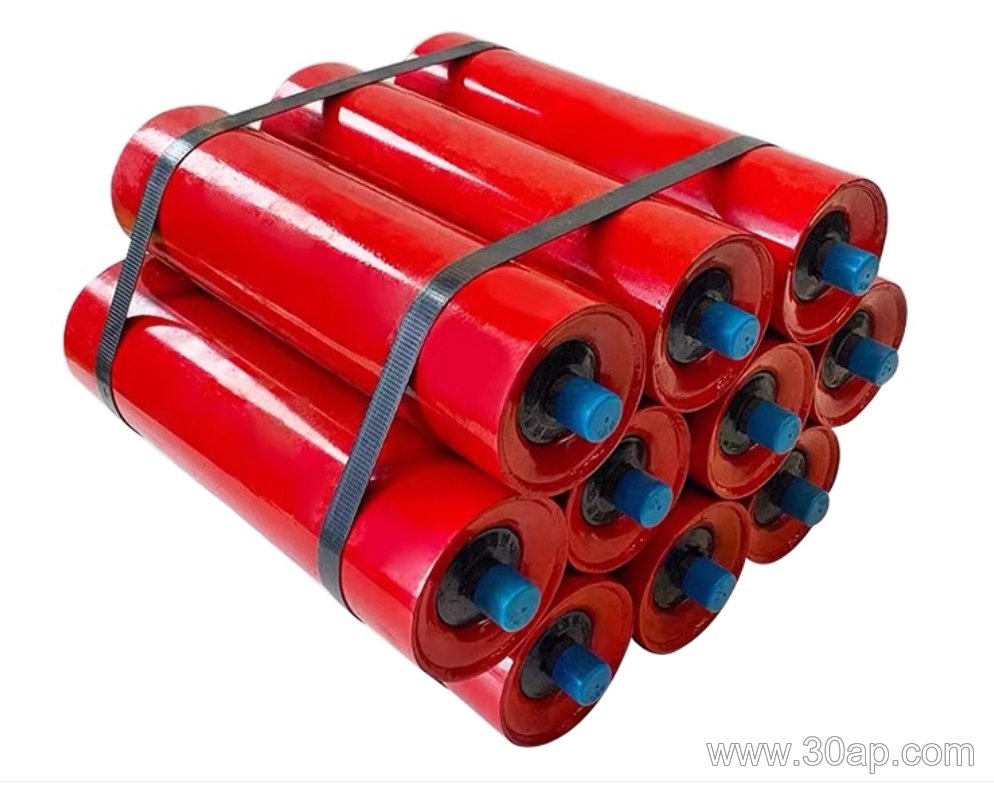
Common Idler Groupings and Belt Width Reference
On a long-distance conveyor, the idler arrangement usually follows the belt width and the troughing angle. Three-roll troughing sets are common, with side rollers inclined at 20, 30, 35, or 45 degrees. Transition idlers are placed near pulleys to gradually change belt profile. Return idlers may be flat, V-shaped, or spiral type.
| Belt Width | Typical Roller Length for Three-Roll Troughing |
|---|---|
| B500 | about 200 mm |
| B650 | about 250 mm |
| B800 | about 315 mm |
| B1000 | about 380 mm |
| B1200 | about 465 mm |
| B1400 | about 530 mm |
| B1600 | about 600 mm |
| B1800 | about 670 mm |
| B2000 | about 750 mm |
These values are common examples, not fixed pairings. Side rollers and centre rollers can differ in length within the same idler set. Belt widths range from B400 up to B2400, and the final roller dimensions should be confirmed against the conveyor design.
Where Long-Distance Conveyor Idlers Are Used
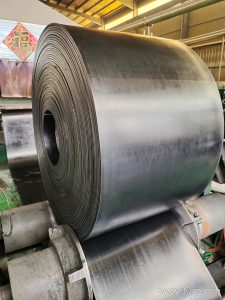
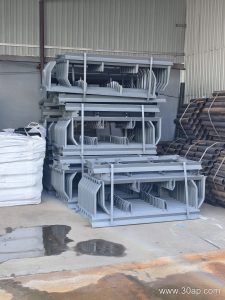
Overland and underground routes in hard rock mining, coal washing plants, limestone quarries, and aggregate crushing lines rely on these idlers for continuous transport. A long-distance conveyor idler also appears in tunnel muck removal, fertiliser handling, and grain terminals where gentle belt support is needed. In each case, the conveyor belt runs over idler rollers and around conveyor pulleys, all held by conveyor brackets and structural frames.
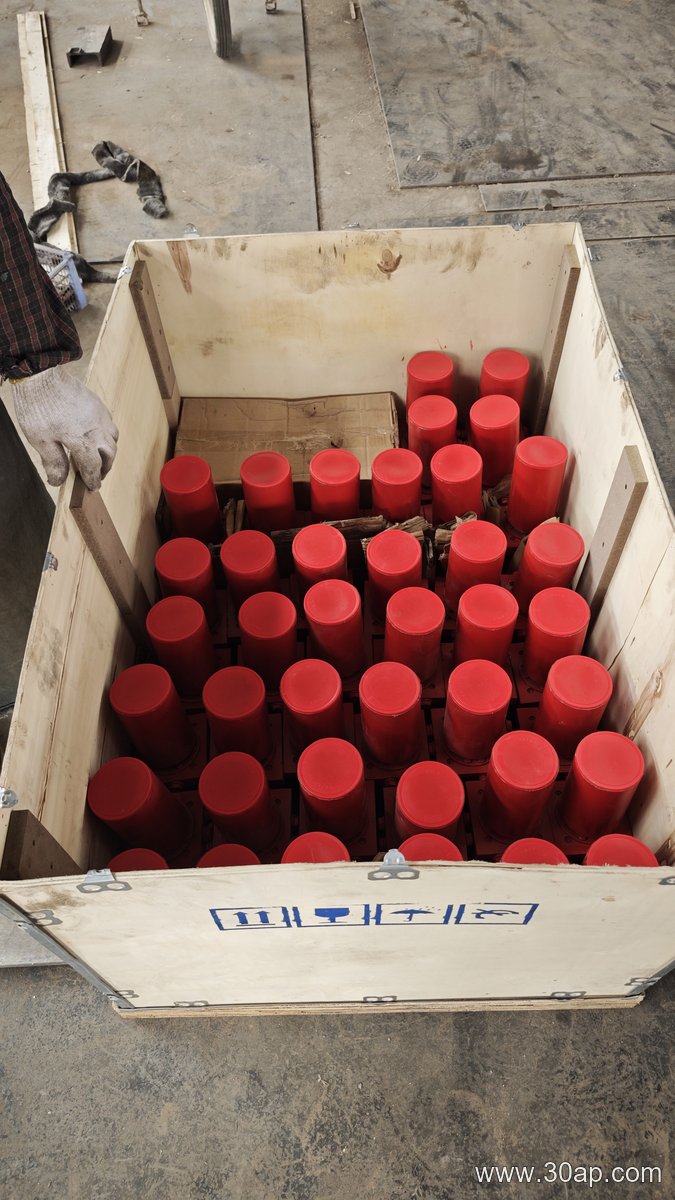
Impact zones near loading points often use buffer idlers with rubber rings to protect the belt. Self-aligning idlers, including friction and tapered types, help correct tracking on long spans where minor misalignment can grow into serious edge damage. Spiral return idlers assist with material carryback release.
Buyer Checklist for Long-Haul Systems
- Confirm belt width and troughing angle before choosing roller length.
- Match roller diameter to load and speed; larger diameters generally reduce rotational speed and bearing stress.
- Review seal type for dust, water, and temperature exposure.
- Check bearing size independently from roller diameter.
- Consider impact, alignment, and return needs separately from standard troughing idlers.
- Verify shaft and bracket compatibility with the existing conveyor structure.
A well-chosen long-distance conveyor idler reduces downtime and keeps the belt running true from the load point to the discharge end. The right combination of shell material, bearing, seal, and grouping depends on the specific route, material, and operating conditions.