What a Trough Idler Bracket Does on a Conveyor
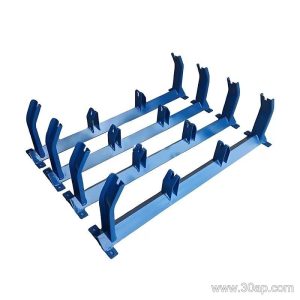
A trough idler bracket is the structural support that holds the carrying idlers in a troughed arrangement, giving the conveyor belt its characteristic U shape. In a quarry, cement plant, or coal handling system, this bracket keeps the idler roller at the correct angle so material stays centered on the belt. It is distinct from a return bracket, which supports the belt on the empty side, and from a transition bracket used near the head or tail pulley. The bracket itself does not turn; it positions the rollers that do the turning.
Also called a troughing idler bracket or troughing frame, this component works together with the conveyor belt, idler roller, and conveyor pulley. On a typical stone crushing line or power plant coal yard, dozens of these brackets are bolted to the conveyor stringer at regular intervals. Their alignment affects belt tracking, material spillage, and the life of both the belt and the rollers.
Construction and Common Materials
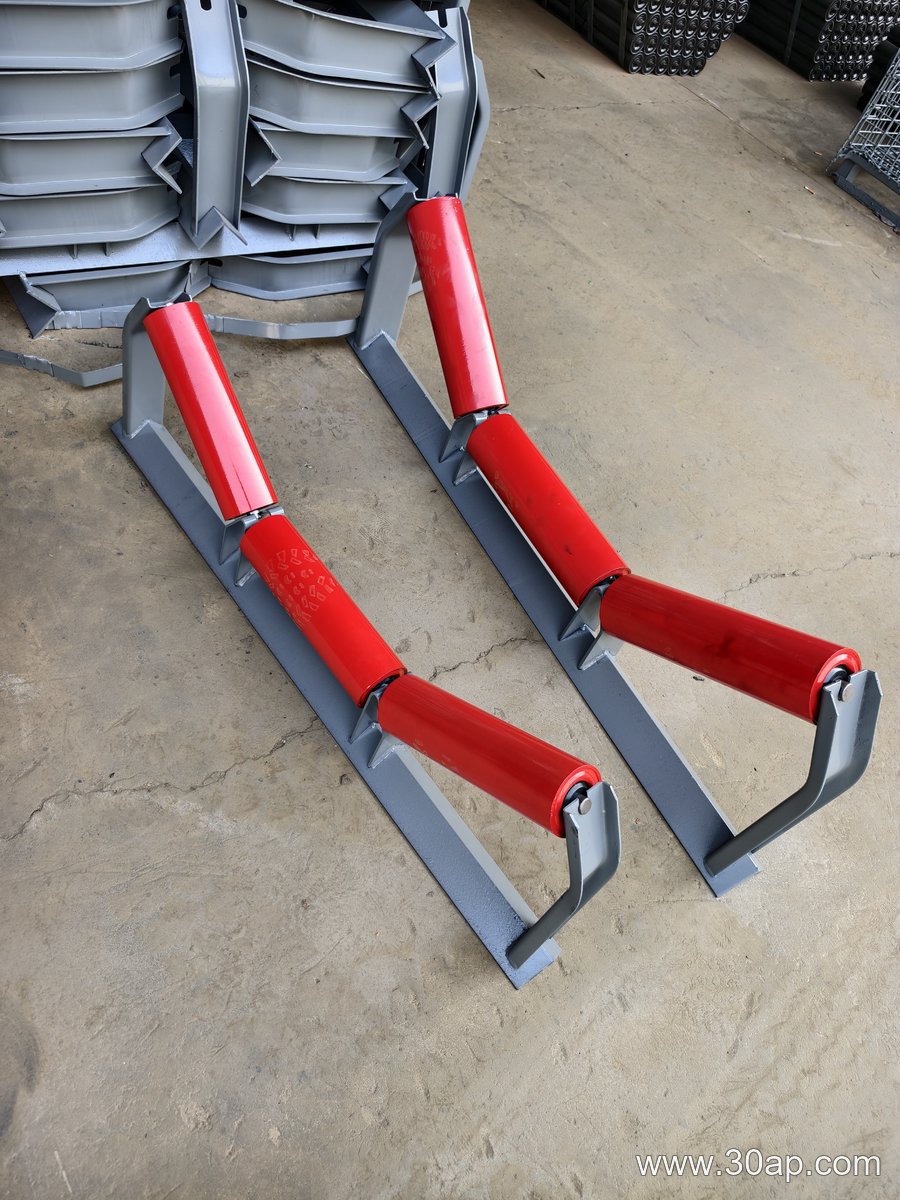
Most trough idler brackets are made from angle steel, channel steel, or bent steel plate. The fabrication method depends on the load and belt width. A welded channel frame is common for heavy-duty mining conveyors, while a folded plate design may be used on lighter sand and gravel lines. The bracket includes mounting holes for the idler shafts and slots or holes for bolting to the conveyor frame. Installation hole spacing and beam length change with belt width and trough angle, so they are determined by design rather than fixed numbers.
Surface treatment is usually painted or galvanized to resist dust and moisture, but the exact coating should be confirmed with the supplier. The bracket must be strong enough to carry the weight of the belt, material, and idlers without bending. For abrasive environments such as limestone mines or fertilizer plants, a robust steel grade and proper welding quality matter more than a fancy finish.
Types and Trough Angles
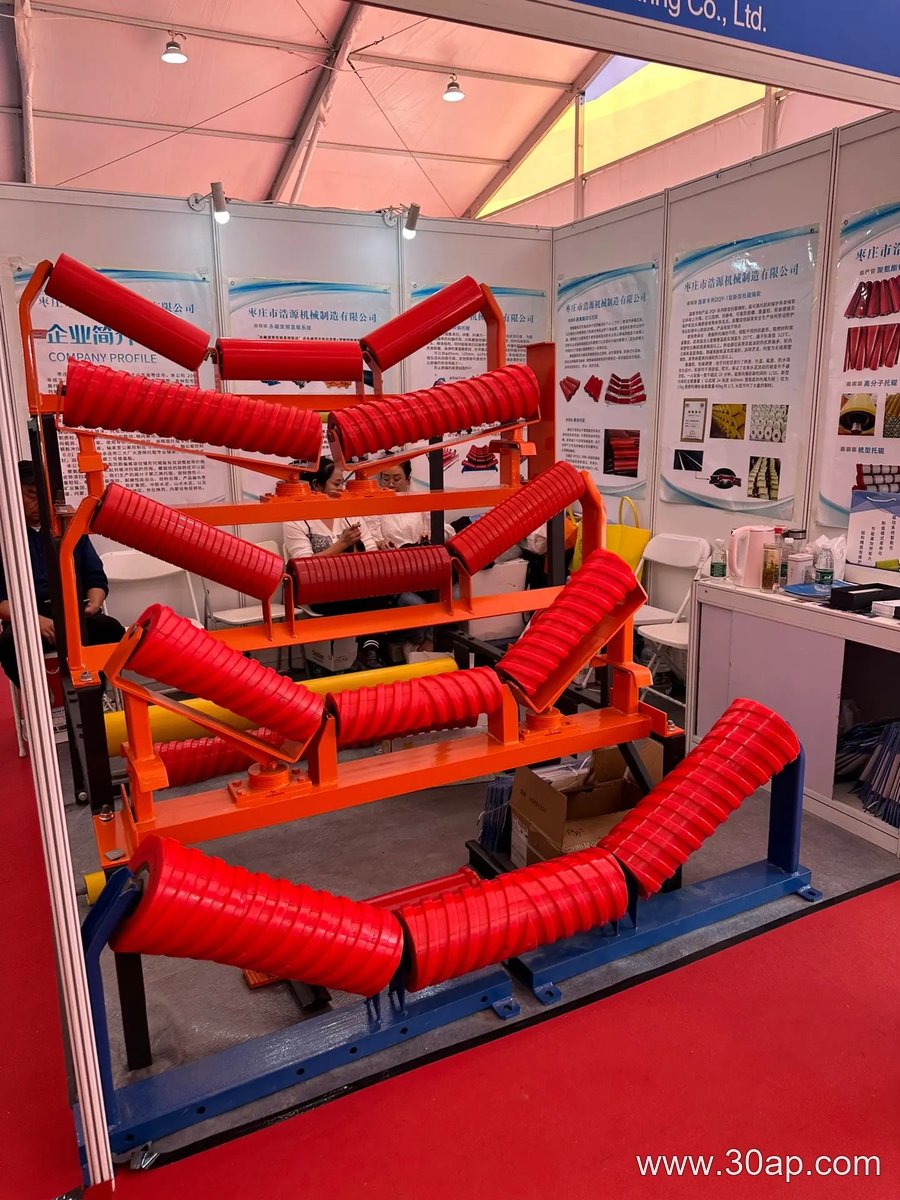
Trough idler brackets come in several forms. Fixed troughing brackets hold a set trough angle, while adjustable brackets allow the angle to be changed. Common trough angles include 20, 30, 35, and 45 degrees. A 30-degree bracket is widely used on general bulk handling, while a 45-degree bracket may suit sticky materials that need a deeper trough. Some brackets are designed for forward tilt of about 1.5 to 2 degrees to help belt training. Others include impact brackets for loading zones or self-aligning brackets for problem areas, but these are different subtypes and should not be confused with the standard troughing bracket.
When selecting a bracket, match it to the idler roller diameter and belt width. Typical roller diameters include Ø89, Ø108, Ø133, Ø159, and Ø194. Belt widths range from B500 up to B2200, but not every width pairs with every roller diameter. For example, a B800 belt might use Ø108 rollers at 35 degrees, while a B1200 conveyor could use Ø133 rollers at 45 degrees. These are common combinations, not mandatory rules. The actual choice depends on capacity, material, and conveyor design.
Where Trough Idler Brackets Are Used
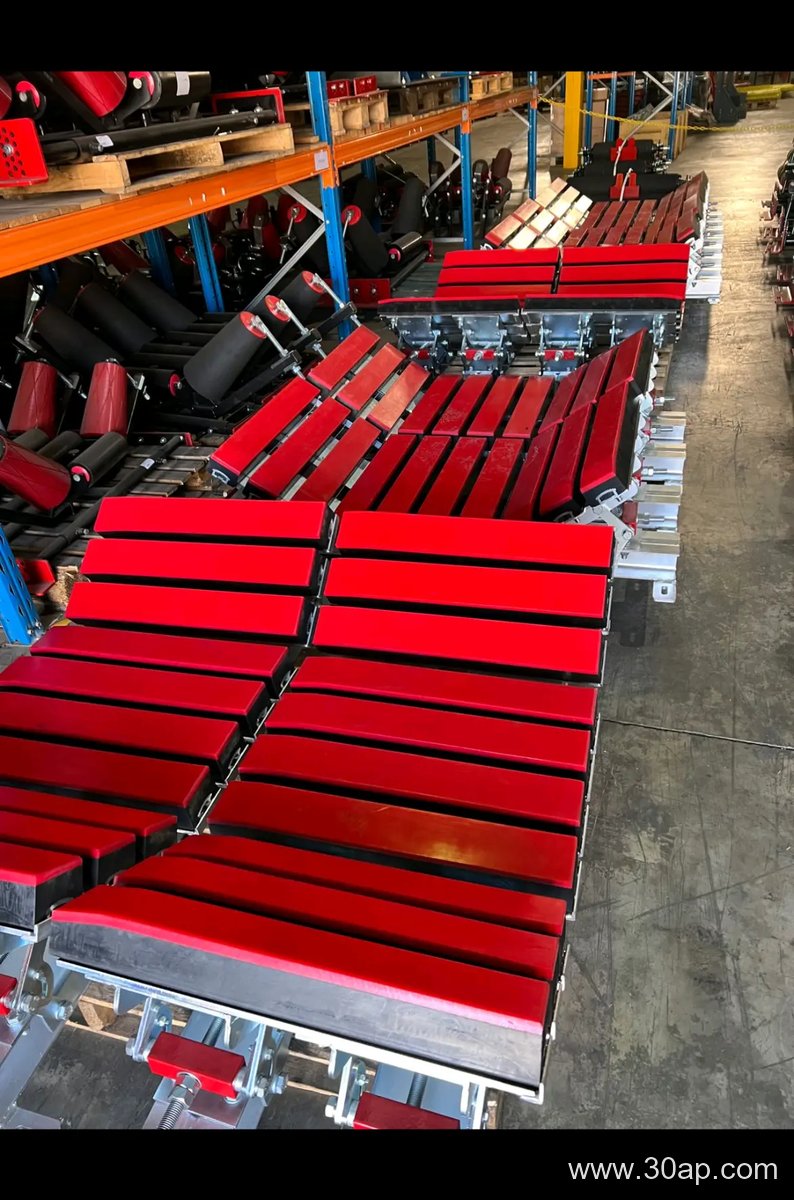
You will find these brackets in almost any bulk material handling system. In a coal mine, they support the belt on the main haulage conveyor. In a cement plant, they handle clinker and raw meal. In a port terminal, they keep the belt stable during high-tonnage loading. Other industries include iron ore, sintering, tunnel mucking, grain silos, and chemical fertilizer plants. The common thread is a conveyor belt that needs reliable troughing to prevent spillage and extend belt life.
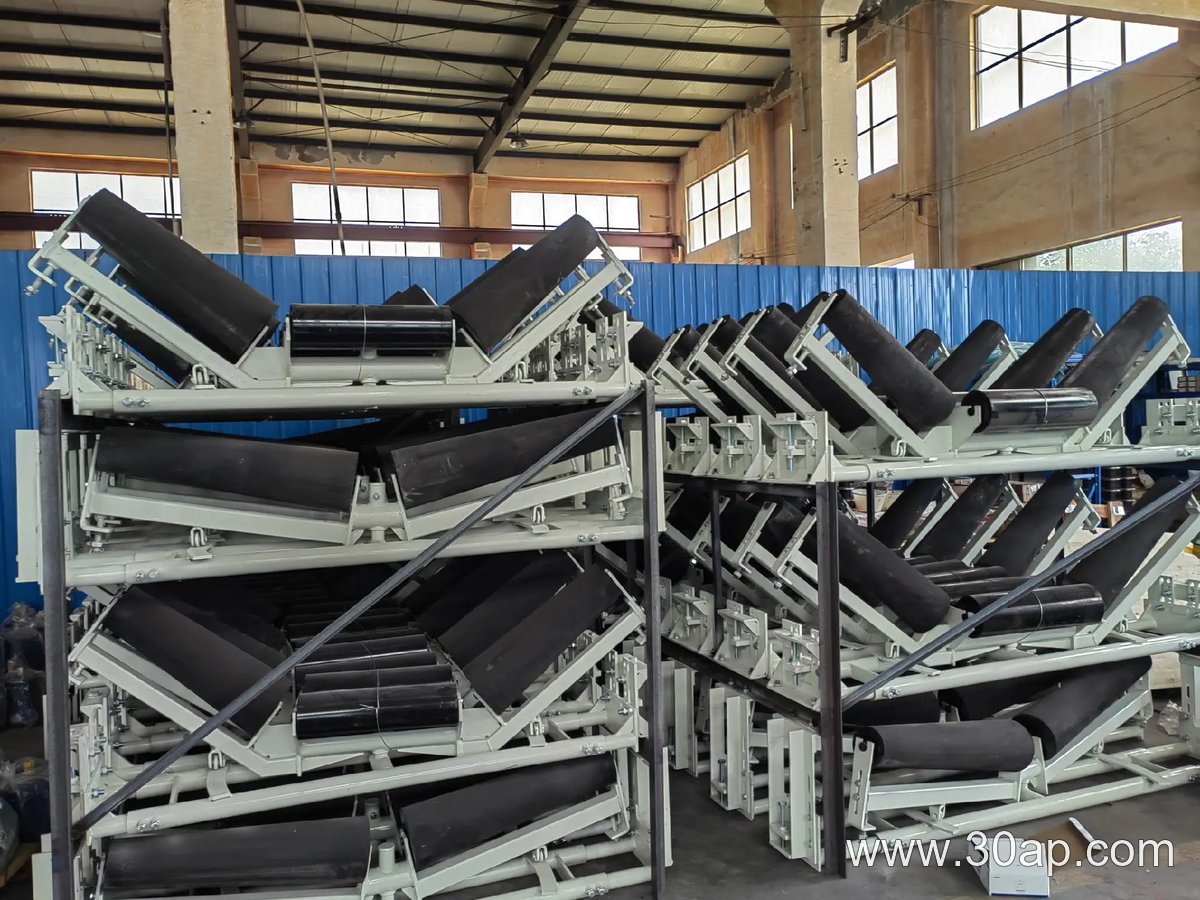
Although the bracket is a simple part, it interacts with the conveyor pulley at the head and tail, and with the return idlers on the bottom run. A misaligned troughing bracket can cause the belt to run off-center, which then wears the pulley lagging and edges. That is why installation and periodic inspection are important.
What Buyers Should Check
Before ordering, confirm the belt width, trough angle, and roller diameter. Ask for the mounting hole dimensions and beam length, because these vary with design. Check whether you need a fixed or adjustable bracket, and whether the environment calls for extra corrosion protection. For a quarry or coal yard, a heavy channel steel bracket is often a safe choice. For a food or fertilizer plant, a cleaner design with fewer crevices may be preferred.
Do not assume that one bracket fits all conveyors. A bracket for a B650 belt at 30 degrees is not the same as one for a B1400 belt at 45 degrees. Also remember that a trough idler bracket is not a substitute for a return bracket or a transition bracket. Each has its place. If you are unsure, provide the conveyor duty, belt width, and idler diameter to your supplier and let them recommend the correct bracket.
Maintenance Notes
Inspect brackets for bending, loose bolts, and corrosion. A bent bracket can tilt the idlers and cause belt mistracking. Replace damaged brackets promptly, and keep spares for critical conveyors. During shutdowns, check that all brackets are square to the belt line. This simple step helps avoid premature wear on the conveyor belt, idler roller, and conveyor pulley.