What an Impact Resistant Conveyor Belt Is
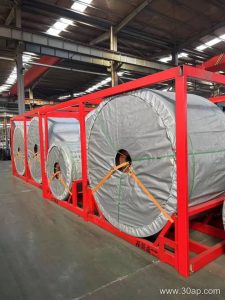
An impact resistant conveyor belt is a heavy-duty rubber belt engineered to survive the shock of large, sharp or heavy material hitting the belt surface at the loading point. In mines, coal preparation plants, cement works, power stations and sand and gravel yards, the belt often takes the worst abuse right where the chute drops rock onto it. A standard belt may cut, gouge or break through in weeks, while an impact resistant conveyor belt is built to absorb that energy and keep the line running.
The product is also called a shock-resistant conveyor belt or high-impact conveyor belt. These names describe the same item, not a different product family. It is still a fabric or steel-cord belt; the difference lies in the cover compound, the carcass and the way the two are bonded.
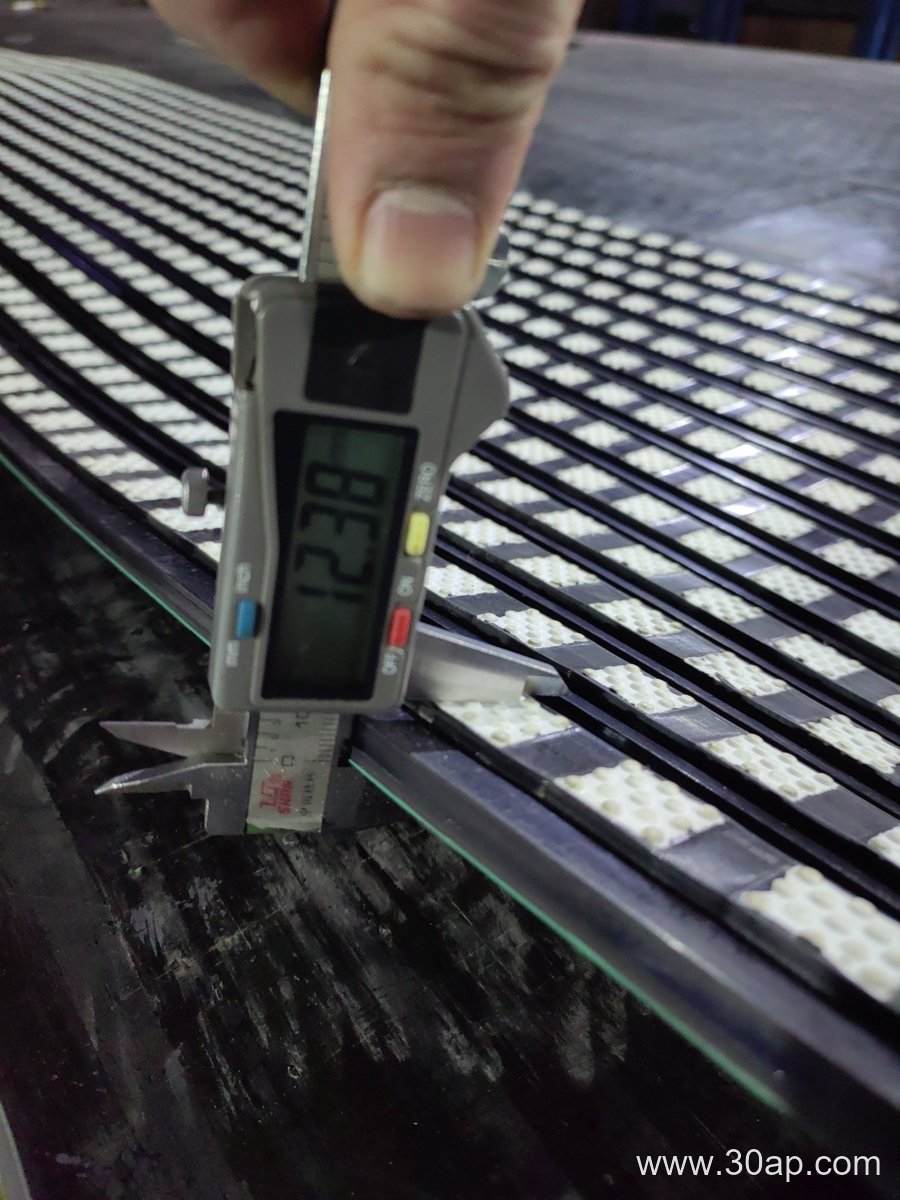
How the Belt Is Built
Impact resistance comes from a combination of layers. The top cover is usually a thick, tough rubber compound with high tensile strength and good cut resistance. Under it, the carcass provides the pulling strength and holds the belt together. Common carcass types include EP (polyester-cotton) fabric, NN nylon fabric and steel cord, and they may be built with 2 to 6 fabric plies depending on the duty. A breaker layer or reinforced skim between the cover and the first ply helps spread the point load from a falling lump.
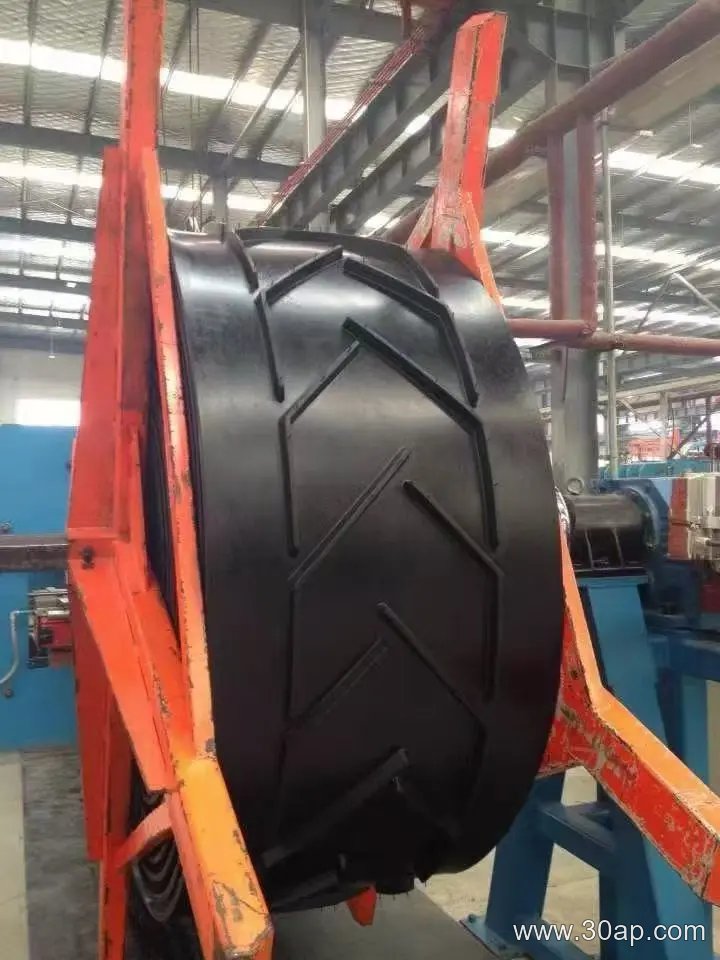
Cover thickness is often expressed as top plus bottom, for example 4+2 mm, 5+2 mm, 6+2 mm or 8+3 mm. A thicker top cover gives more rubber to absorb impact and abrasion. Typical strength grades for this kind of belt include EP200, EP315, EP400, EP500, EP630, EP800, EP1000, EP1250, EP1600 and EP2000, though the final choice should follow the conveyor design, the material and the drop height.
Common Reference Data
The values below are common examples, not fixed rules. Actual supply depends on the manufacturer and the application.
- Belt width: B500, B650, B800, B1000, B1200, B1400, B1600, B1800, B2000
- Fabric strength grade: EP200 to EP2000, NN100 to NN500
- Cover thickness: 3+1.5, 4+2, 5+2, 6+2, 8+3 mm
- Carcass plies: usually 2 to 6 layers
- Special grades: anti-static, flame retardant, oil resistant, heat resistant, cold resistant, acid and alkali resistant, chevron or cleated top cover
Where It Is Used
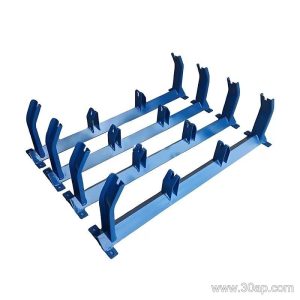
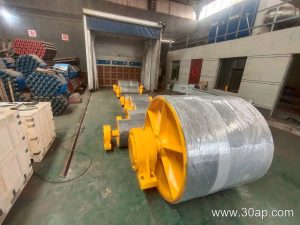
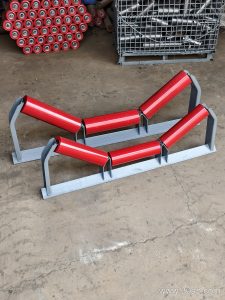
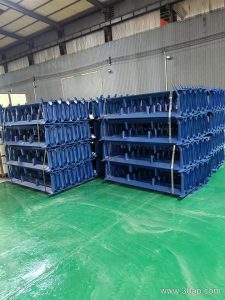
This belt suits the first transfer point of a handling system, where the material falls from a crusher, screen or truck. In a coal mine it may carry run-of-mine coal with lumps and rock. In a cement plant it can feed clinker or limestone. In a power plant it may handle coal and ash. In a sand and gravel yard it takes gravel, crushed stone and sometimes recycled concrete with steel wire. In all these places the belt works together with idler rollers, a conveyor pulley at the drive and tail, and a conveyor bracket that holds the rollers in line.
Impact resistant belting is not the same as a general-purpose belt, and it is not a replacement for a heat-resistant or oil-resistant belt when those properties are the real problem. It can, however, combine impact resistance with a flame retardant or anti-static grade when the site needs it.
What a Buyer Should Check
Before ordering, confirm the belt width, the strength grade, the number of plies, the cover thickness and the rubber grade. Ask about the maximum lump size and the drop height at the loading point, because these decide how thick the cover and how strong the carcass should be. Check the pulley diameter at the drive, tail and bend positions; a stiffer belt needs a larger pulley, and a belt width alone does not fix the pulley or shaft size. The take-up travel, trough angle and the type of idler roller also affect belt life.
On site, keep the loading chute centered so material lands in the middle of the belt, use impact idlers or a cushion bed under the drop zone, and avoid overloading the belt edge. Regular inspection of the cover for cuts and of the splices for openings will extend service life. A correctly chosen impact resistant conveyor belt can cut downtime in a crushing circuit, a coal handling line or a cement plant, but it should always be matched to the actual duty rather than picked by width or price alone.