What the EP1250 Conveyor Belt Is
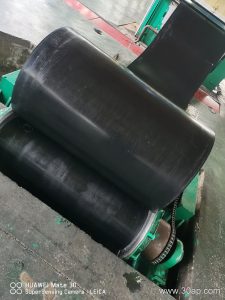
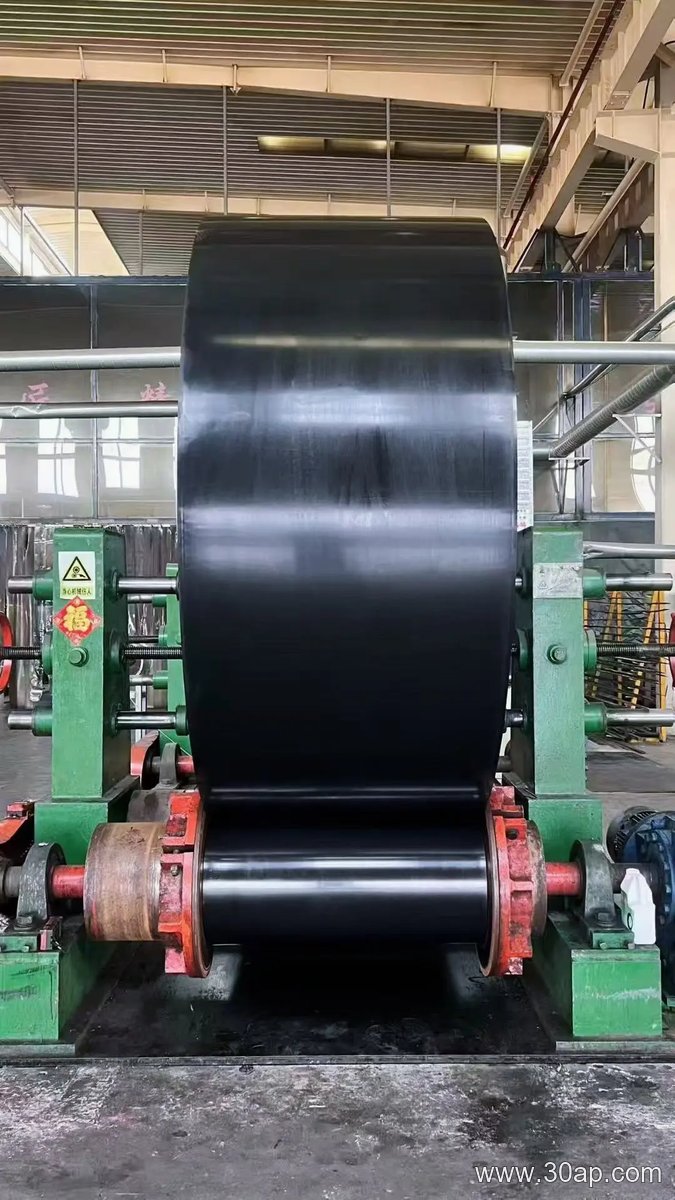
The EP1250 conveyor belt is a polyester/nylon (EP) fabric-reinforced rubber belt with a nominal tensile strength of 1250 N/mm. It belongs to the EP series of multiply belts, where the carcass is made from interwoven polyester warp and nylon weft cords. This construction gives the belt low elongation under load, good troughability, and reliable tracking on long overland conveyors. In mining, coal preparation, cement plants, power stations, and sand and gravel yards, the EP1250 grade is often selected for main haulage lines that move crushed ore, clinker, limestone, or aggregate at high tonnage.
Construction and Common Specifications
The belt is built from a rubber cover, an EP fabric carcass, and a skim layer between plies. Buyers will see data such as ply number, cover thickness, and belt width. Typical reference values for the EP1250 grade are shown below. These are common ranges, not a fixed supply promise; actual construction follows the design duty and the manufacturer’s data sheet.
| Property | Common Range |
|---|---|
| Tensile strength | 1250 N/mm |
| Fabric plies | 2 to 6 layers |
| Belt width | B650, B800, B1000, B1200, B1400, B1600, B1800, B2000 |
| Top cover / bottom cover | 4+2 mm, 5+2 mm, 6+2 mm, 8+3 mm |
| Cover grades | wear resistant, heat resistant, oil resistant, flame retardant, antistatic, cold resistant, acid and alkali resistant |
| Surface forms | smooth, patterned, chevron, corrugated sidewall |
Width and ply count are matched to the belt tension, load, and pulley diameter. A wider belt is not automatically correct for every application, and one belt width does not dictate a single pulley diameter. Head, tail, and bend pulleys are different components and are selected from the belt tension and shaft load, not from belt width alone.
Where It Fits in a Conveyor System
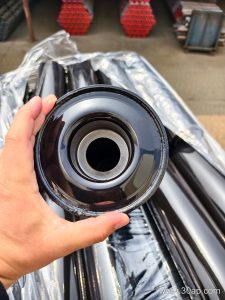
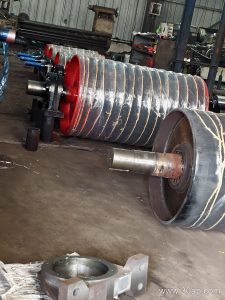
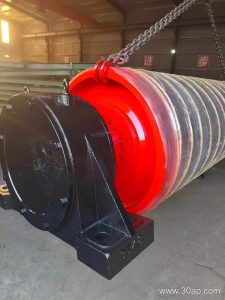
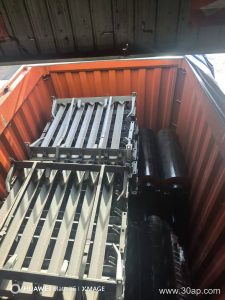
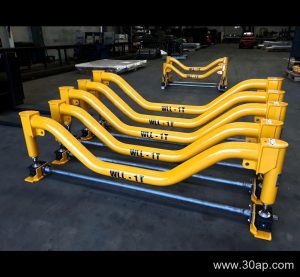
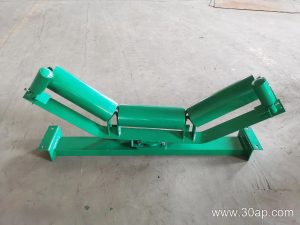
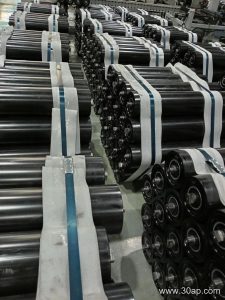
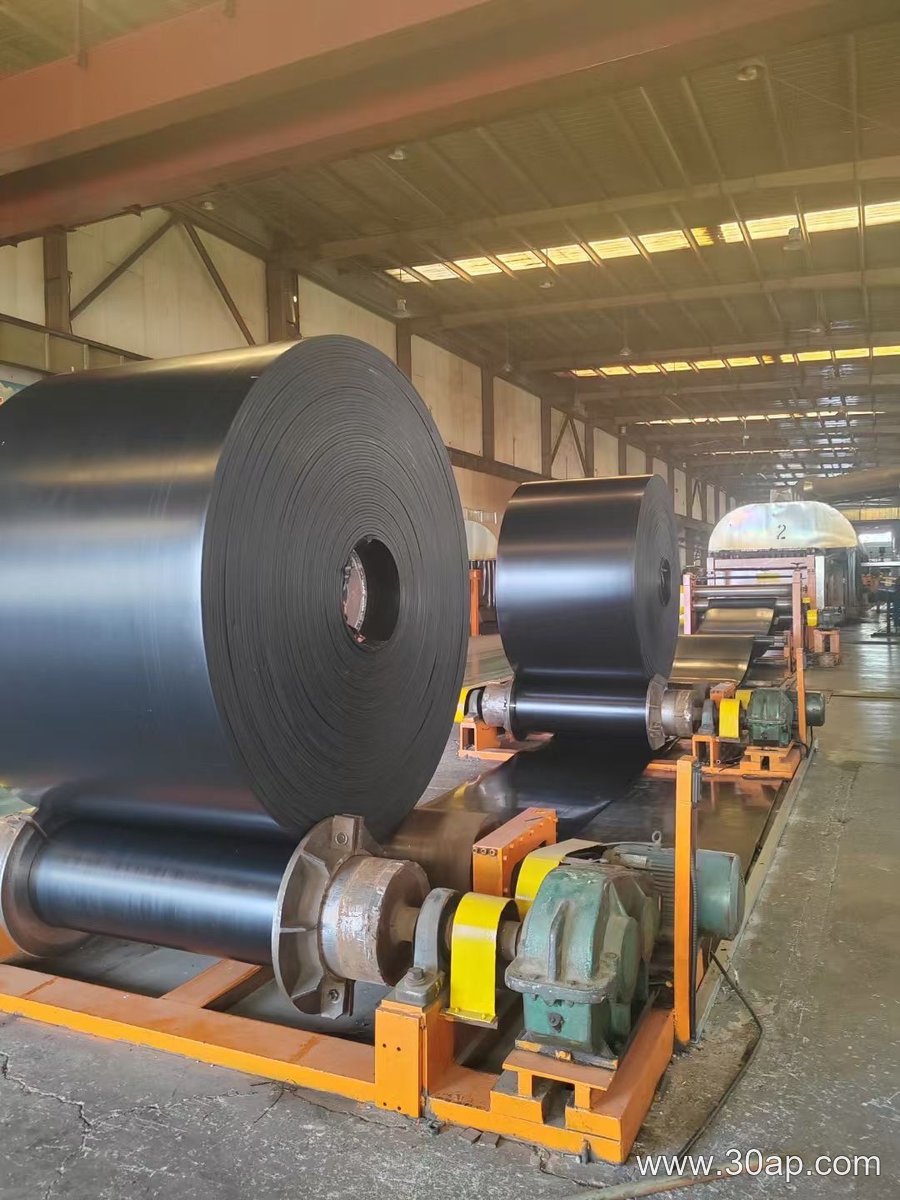
An EP1250 belt runs over a drive pulley, a tail pulley, and often one or more bend pulleys. The drive pulley transmits torque, the tail pulley returns the belt, and the bend pulley changes its direction. Supporting idler rollers carry the belt and material along the carrying side, while return idlers support the empty side. Conveyor brackets hold the idlers and pulleys in alignment. In a coal mine or cement plant, a misaligned pulley or worn bracket can cause edge damage even on a strong belt, so the mechanical components deserve the same attention as the carcass.
Applications and Working Conditions
The EP1250 conveyor belt is used in heavy duty lines where impact, abrasion, and long distance are present. It suits primary crushing discharge, stockyard conveyors, ship loading, and power plant coal handling. For hot clinker or sinter, a heat resistant cover is used; for underground coal, a flame retardant and antistatic version is common. In cold regions, a cold resistant compound helps avoid cracking. Where the belt must carry material up a steep incline, chevron or corrugated sidewall forms can be considered, but they are separate surface designs, not replacements for the standard EP1250 belt.
Selection and Maintenance Notes
- Check the actual tensile load and safety factor before choosing ply number and cover thickness.
- Match the belt width to the conveyor frame, idler roller length, and pulley face width.
- Confirm the pulley diameter and shaft size from the conveyor design, not from the belt width alone.
- Keep drive, tail, and bend pulleys clean and aligned; inspect conveyor brackets for looseness.
- Store the belt away from direct sunlight, oil, and sharp objects.
- Review splice type and cure time; a weak joint can limit the whole line.
For an EP1250 conveyor belt inquiry, provide the material type, lump size, capacity, belt width, pulley diameters, and working environment. That information allows the supplier to recommend a suitable EP carcass, cover grade, and surface form without over-specifying or guessing.