What a Coal Conveyor Belt Does
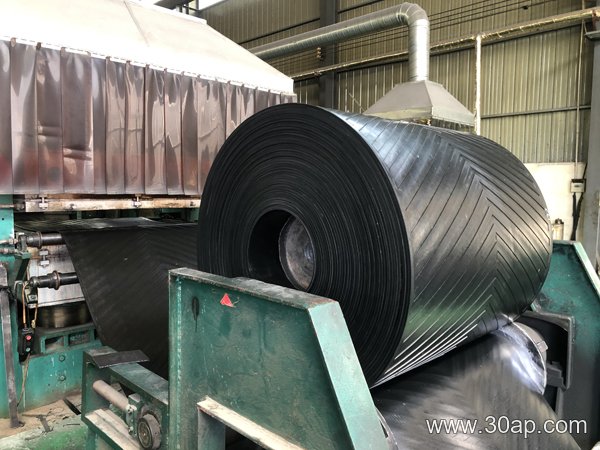
A coal conveyor belt is the load-carrying component of a bulk handling system that moves crushed or lump coal from one point to another. In a coal mine, a coal-fired power plant, a cement plant, or a sand and gravel yard, this belt runs over idler rollers and wraps around conveyor pulleys at the head and tail. The belt is not simply a rubber strip; it is a composite structure that must resist abrasion, impact, and sometimes heat or fire risk.
People often call the same product a coal hauling belt or a rubber belt for coal transport. These are accurate equivalent names for the same item. The core function is identical: receive coal at the loading point, carry it along the trough, and discharge it at the head pulley.
Construction of the Belt
A typical coal conveyor belt has three main parts:
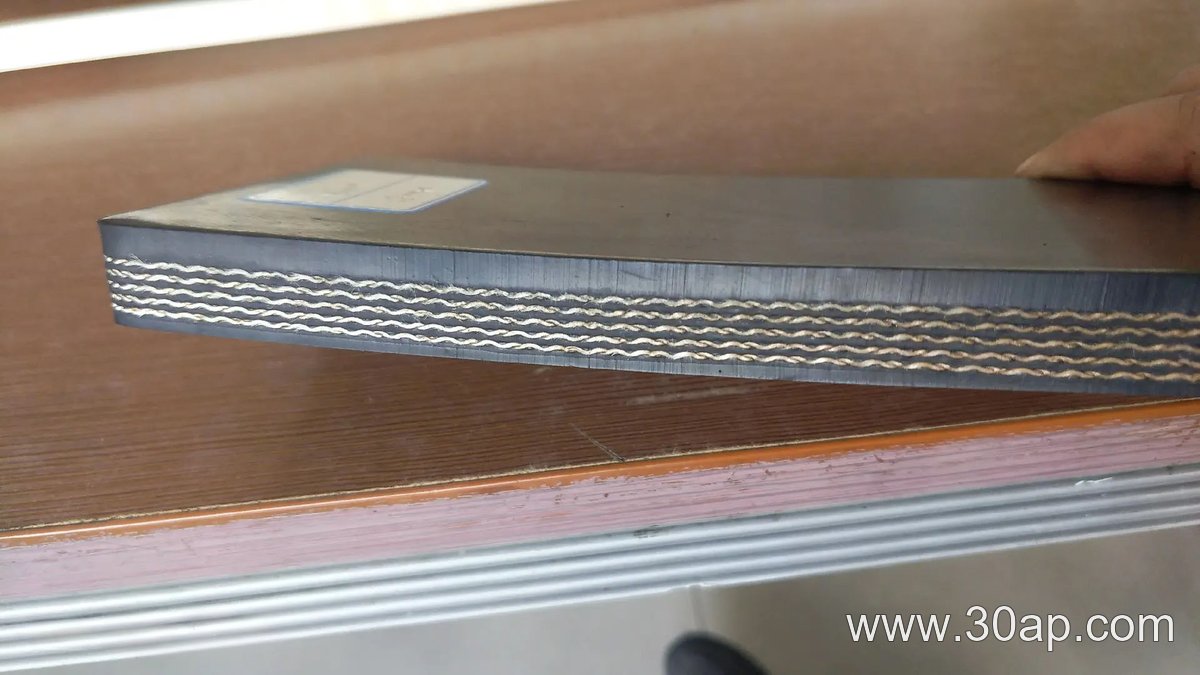
- Carcass — the strength member, usually made of EP fabric, NN nylon fabric, or steel cord. The carcass determines tensile strength and elongation.
- Cover rubber — the top and bottom layers that protect the carcass from abrasion, moisture, and coal dust. Common cover grades include wear-resistant, flame-retardant, and antistatic versions.
- Edge and skim compound — the rubber between fabric plies that keeps the structure bonded.
For coal handling, flame resistance and antistatic properties are frequently requested because coal dust can create a fire or explosion risk. PVC and PVG solid-woven belts are also used in some underground or enclosed coal transport lines, while steel cord belts serve long-distance, high-tension routes.
Common Specifications and Reference Data
Specifications are not universal. The values below are common reference ranges, not fixed supply promises. Final selection follows the actual conveyor design.
Belt Width
Belt width is matched to the required capacity and lump size. Common widths include B500, B650, B800, B1000, B1200, B1400, B1600, B1800, and B2000. A wider belt does not automatically mean a larger pulley diameter; the two are selected from the conveyor layout, tension, and shaft load.
Tensile Strength Grades
EP belts are often specified by grade:
- EP200, EP315, EP400, EP500
- EP630, EP800, EP1000
- EP1250, EP1600, EP2000
Higher grades suit longer conveyors or higher tension. A short yard conveyor in a sand and gravel plant may use a lower grade, while a main line in a coal mine may require a higher one.
Cover Thickness
Top and bottom cover thickness is written as a pair, for example 3+1.5 mm, 4+2 mm, 5+2 mm, 6+2 mm, or 8+3 mm. Thicker covers help where coal is sharp, abrasive, or dropped from height. The carcass may have 2 to 6 fabric plies depending on strength needs.
Where Coal Belts Are Used
These belts appear in many industries:
- Coal mines and preparation plants
- Thermal power stations and coal yards
- Cement plants burning coal in kilns
- Ports and stockyards handling bulk coal
- Sand and gravel plants that also move coal or mixed aggregate
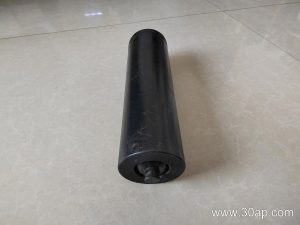
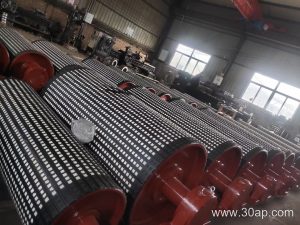
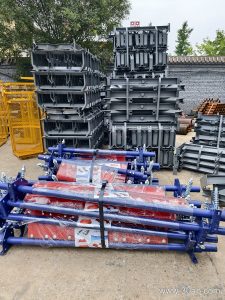
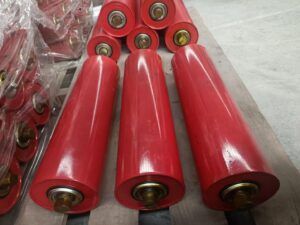
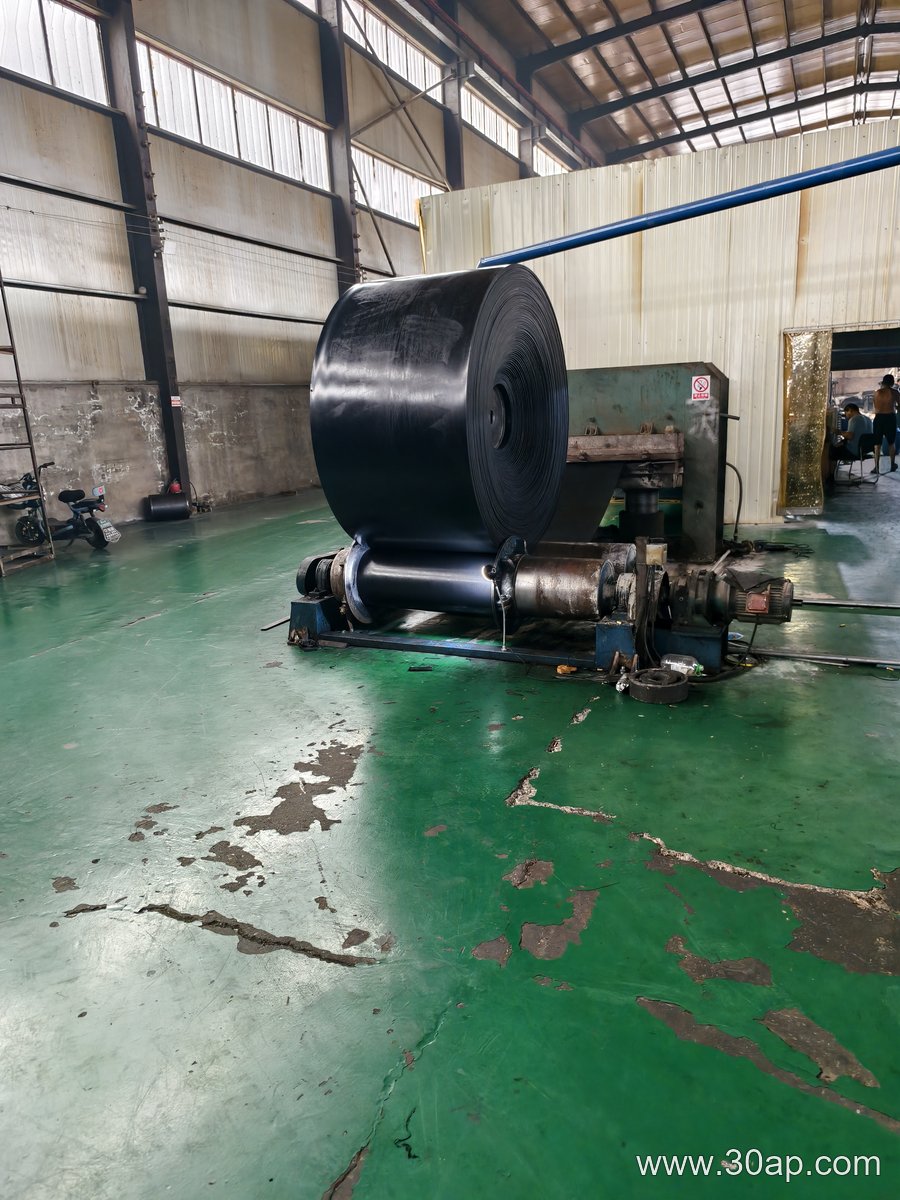
In each case, the belt works with conveyor idler rollers, a head pulley, a tail pulley, bend pulleys, and supporting conveyor brackets. Drive, tail, and bend pulleys are different components and are not interchangeable. The drive pulley transmits power; the tail pulley helps track and tension the belt; bend pulleys change belt direction. A buyer should not treat them as the same part.
What a Buyer Should Check
Before ordering, gather the following information:
- Conveyor capacity in tons per hour and coal lump size
- Belt width and required tensile grade
- Cover thickness and cover grade, such as wear-resistant, flame-retardant, or antistatic
- Belt length, splice type, and trough angle
- Ambient conditions — outdoor cold, wet coal, or hot material
- Pulley diameters and shaft sizes from the conveyor design, not guessed from belt width alone
Special surface forms such as patterned, chevron, or corrugated sidewall belts are chosen only when the incline or material behavior requires them. They are not replacements for a standard coal belt on a flat or gently inclined route.
Maintenance matters too. Check belt tracking, idler roller rotation, pulley lagging, and cover wear at the loading zone. A coal conveyor belt that is correctly matched to its pulleys, rollers, and brackets will run longer and need fewer shutdowns.