What the 800mm Conveyor Belt Means in Practice
An 800mm conveyor belt, often written as B800 or 800 mm width, is a belt with a nominal width of 800 millimetres. It sits in the middle of the common belt width range, above B650 and below B1000. Because of that position, it is a practical choice for medium-capacity material handling in mines, coal preparation plants, cement works, power stations and sand and gravel yards. The width influences the load the belt can carry, the size of lumps it can accept and the layout of the whole conveyor, but it does not by itself define the pulley, roller or bracket sizes.
Construction of an 800mm Wide Belt
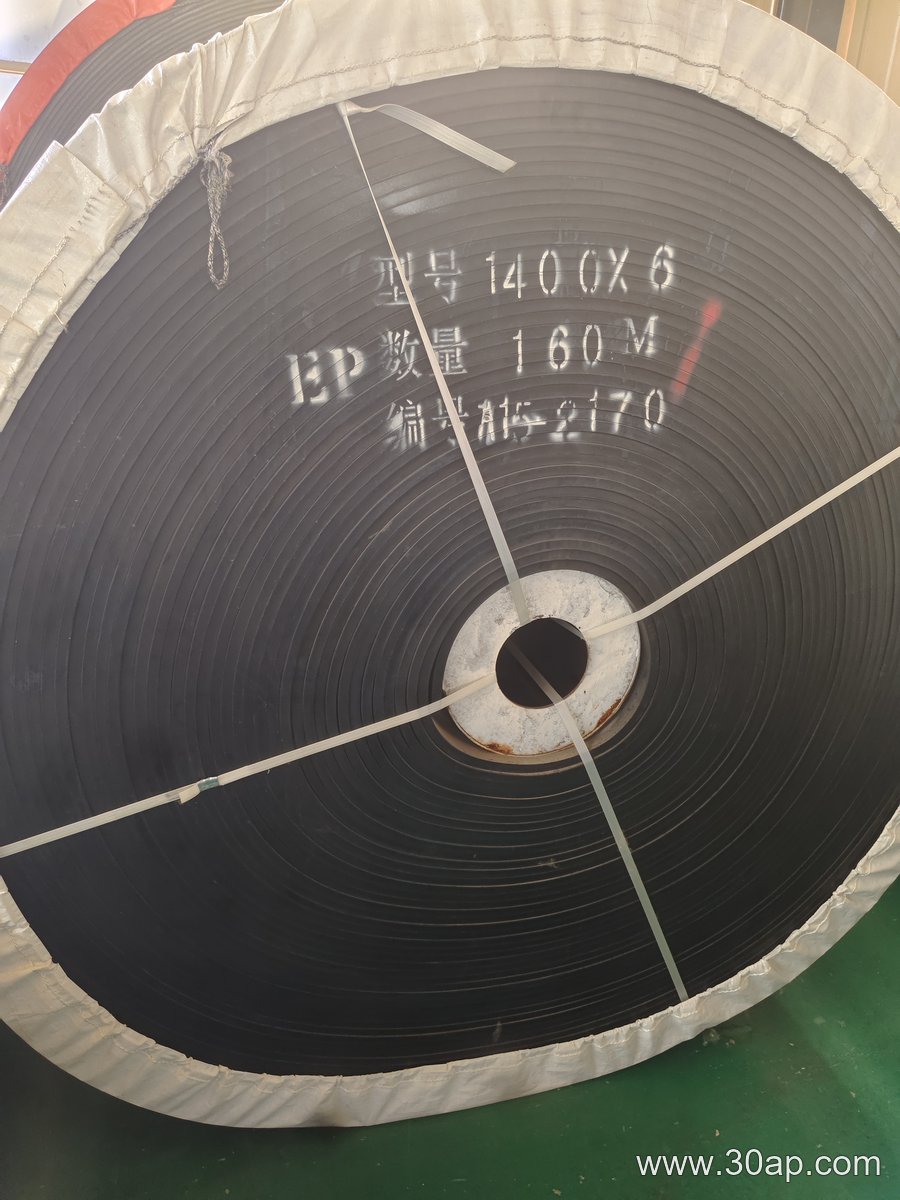
The belt is a composite product. A carcass provides tensile strength and resistance to stretching, while rubber or PVC covers protect the carcass from abrasion, impact, heat or chemicals. Common carcass types include EP fabric, NN nylon fabric and steel cord. Cover thickness is usually written as top cover plus bottom cover, for example 4+2 mm or 5+2 mm. A typical 800mm belt might use two to six fabric plies depending on the duty.
| Item | Common Options |
|---|---|
| Belt width | B800 (800 mm) |
| Carcass type | EP, NN, steel cord |
| Strength grade | EP200, EP315, EP400, EP500, EP630 |
| Cover thickness | 3+1.5, 4+2, 5+2, 6+2 mm |
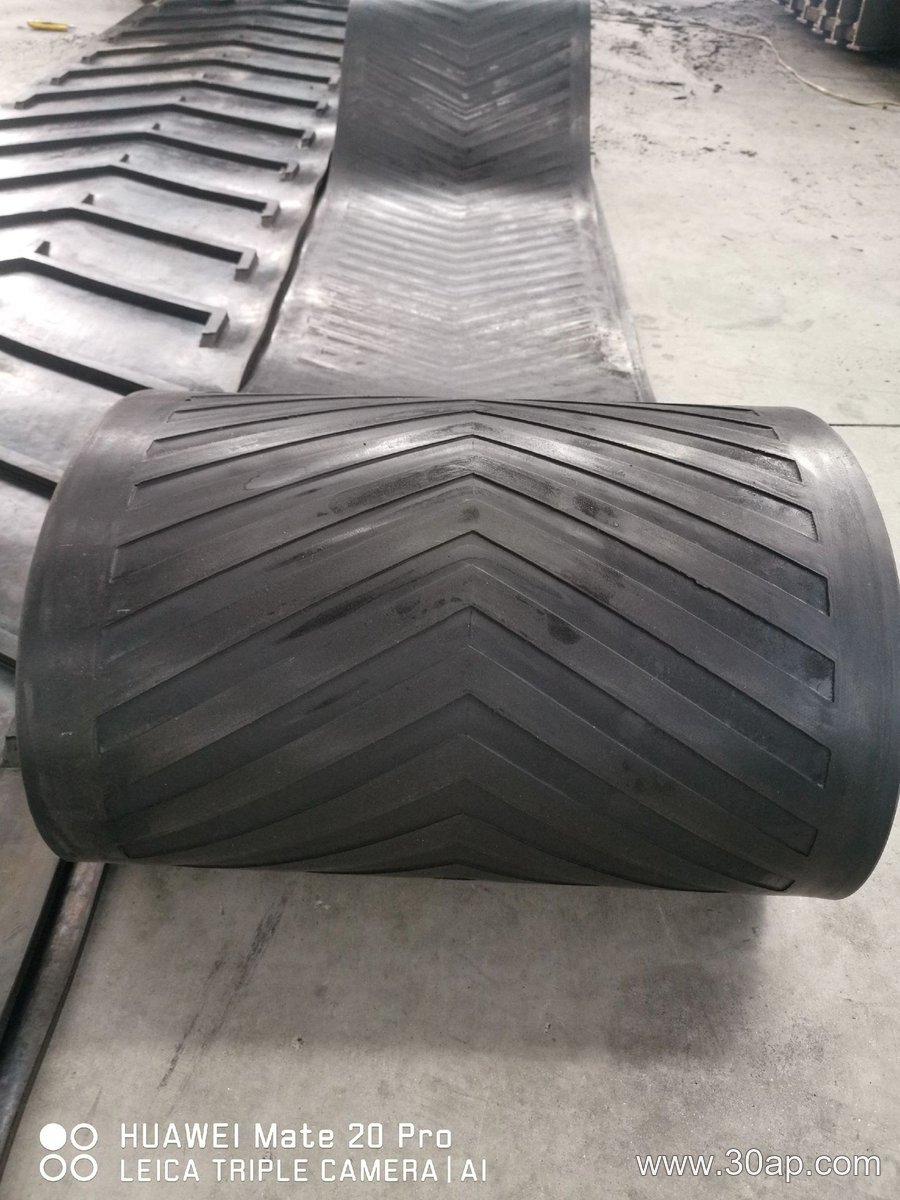
| Surface form | smooth, patterned, chevron, sidewall |
| Special grades | wear resistant, heat resistant, oil resistant, flame retardant, antistatic, cold resistant, acid and alkali resistant |
These values are reference data. Actual specifications are determined by the conveyor design, the material being carried and the operating environment.
Where an 800mm Belt Fits in the Conveyor Line
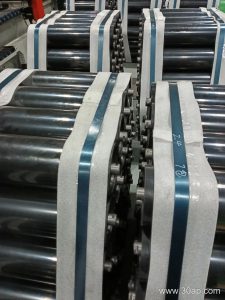
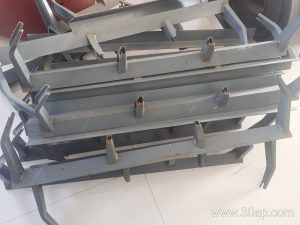
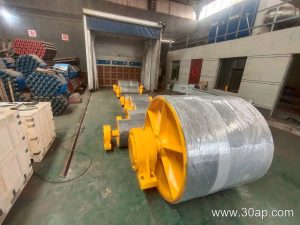
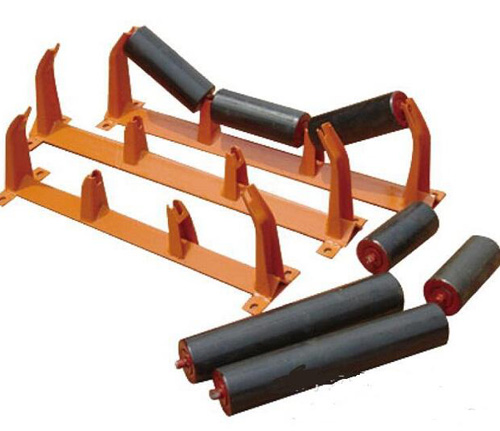
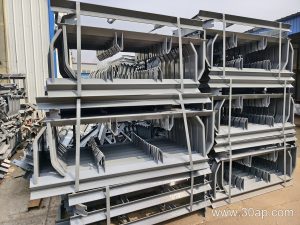
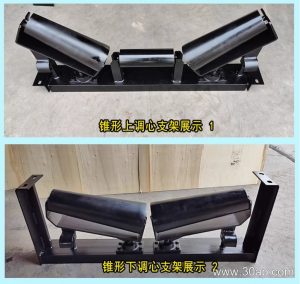
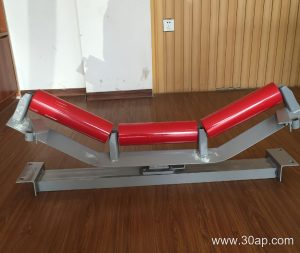
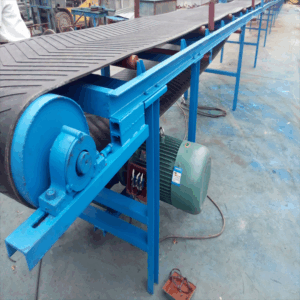
The belt runs over a drive pulley that transmits power, a tail pulley that returns the belt, and bend pulleys that change its direction. These three pulley functions are not interchangeable, and their diameters are selected from the belt tension, the number of plies and the allowable bend radius, not from the belt width alone. Idler rollers support the loaded belt on the carrying side and the empty belt on the return side. A conveyor bracket holds the idlers in position and keeps the trough shape stable.
In a coal mine, an 800mm belt may feed a crusher or a transfer tower. In a cement plant it can move clinker, limestone or gypsum. In a power station it may handle coal or ash. In a sand and gravel yard it often works with a mobile or modular conveyor. The same belt width can appear in all these industries because the required capacity and material size are similar, even though the belt grade and cover may differ.
Choosing the Right Belt for the Duty
Selection starts with the material. Sharp, heavy rock calls for a thick, abrasion-resistant cover and a strong carcass. Hot clinker needs a heat-resistant compound. Coal in an underground mine usually needs flame retardant and antistatic properties. Grain or packaged goods may suit a PVC belt. If the conveyor is inclined, a chevron or patterned surface can help hold the load, while a sidewall belt saves space where a steep angle is unavoidable.
- Check the maximum lump size against the 800 mm width to avoid spillage.
- Match the strength grade to the calculated belt tension, not to habit.
- Confirm the pulley diameters with the belt manufacturer, because a small drive pulley can overstress the carcass.
- Review the idler roller spacing on the carrying side for heavy or impact-loaded material.
- Consider the environment: dust, water, oil, heat, cold or chemicals all affect cover choice.
Installation and Maintenance Notes
An 800mm belt should be stored away from direct sunlight, heat and oil before installation. During fitting, keep the belt centered on the drive pulley and tail pulley, and check that the bend pulleys are aligned. After the first few days of running, recheck the bolt tension on the conveyor brackets and the condition of the idler rollers. A misaligned belt wears its edges quickly, and a seized roller can damage the bottom cover. Regular inspection of splices, cover thickness and pulley lagging helps avoid unplanned stoppages in mines, cement plants and power stations.
Buyer Checklist
When ordering an 800mm conveyor belt, provide the width, carcass type, strength grade, cover thickness, cover grade and any special requirement such as flame retardancy or oil resistance. Also state the material, capacity, incline angle and ambient conditions. The supplier can then recommend a belt that matches the conveyor, rather than a generic size. Remember that an 800 mm belt is one part of a system: the drive pulley, tail pulley, bend pulleys, idler rollers and brackets must all be selected together for reliable operation.