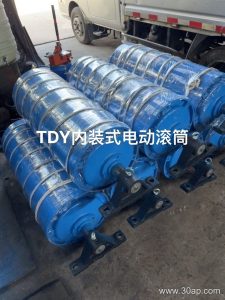
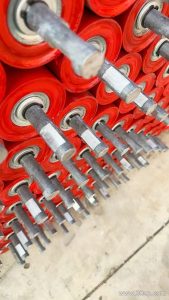
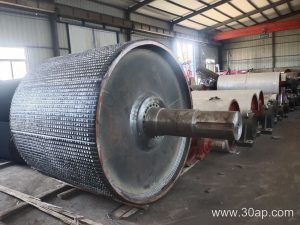
What a Thermal Power Plant Conveyor Pulley Does
In a coal-fired power station, the coal handling system moves millions of tons of fuel from stockpiles to bunkers and mills. The thermal power plant conveyor pulley is the rotating drum that drives, redirects, or tensions the conveyor belt through this entire network. Unlike a simple idler roller that supports the belt, a pulley transmits power or changes the belt’s direction. It is a critical component, and when it fails, the entire fuel supply chain can stop.
The main pulley types in a power plant coal conveyor are drive pulleys, tail pulleys, and bend pulleys. They are not interchangeable. A drive pulley, also called a head or discharge pulley, is located at the discharge end and transmits torque from the gearbox to the belt. A tail pulley sits at the loading end and often serves as a tensioning point. Bend pulleys change the belt path around a tensioning system or transfer tower. Each has a distinct role, and specifying the wrong type for a position can cause belt slip, excessive wear, or structural failure.
Construction and Surface Options
A typical thermal power plant conveyor pulley consists of a cylindrical shell, two end discs, a shaft, and a locking assembly or keyed connection. The shell is usually seamless steel tube or rolled plate, machined to a slight crown to help the belt track. Shaft diameters are selected by torque and bending load, not by belt width alone. Common shaft sizes range from Ø50 mm to Ø200 mm, but the final value depends on the drive power and the load carried.
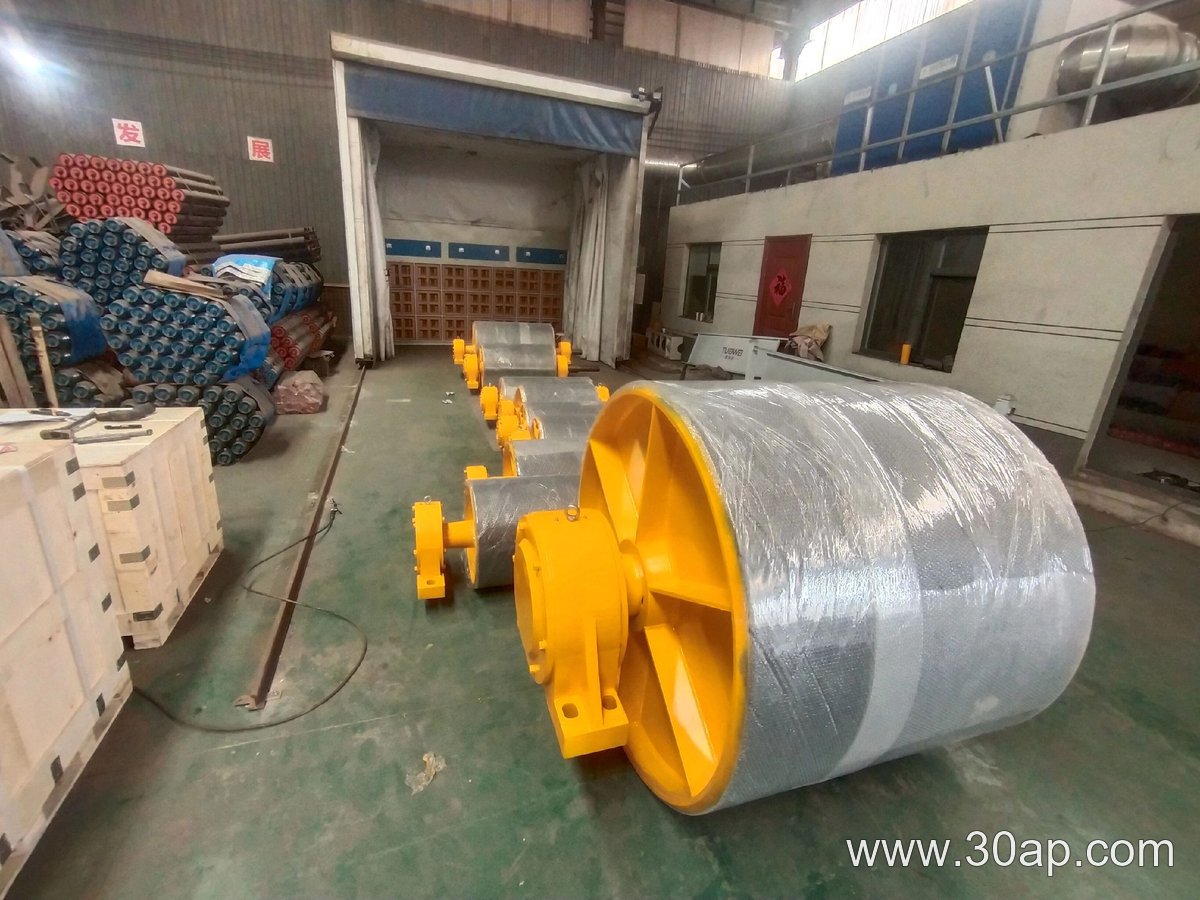
Surface treatment is a key decision for coal handling. Laggings improve grip and reduce slip, especially in wet or dusty conditions. Options include:
- Plain steel (light duty, dry conditions)
- Cold-bonded rubber lagging (8–12 mm thick)
- Hot vulcanized rubber lagging (10–15 mm thick)
- Diamond or herringbone grooved lagging for water drainage
- Ceramic lagging for extreme abrasion
Lagging thickness is often 8, 10, 12, 15, or 20 mm. The choice depends on belt speed, material moisture, and whether the pulley is on the clean or dirty side of the system. In a coal plant, drive pulleys are usually lagged, while tail and bend pulleys may be plain or lightly lagged.
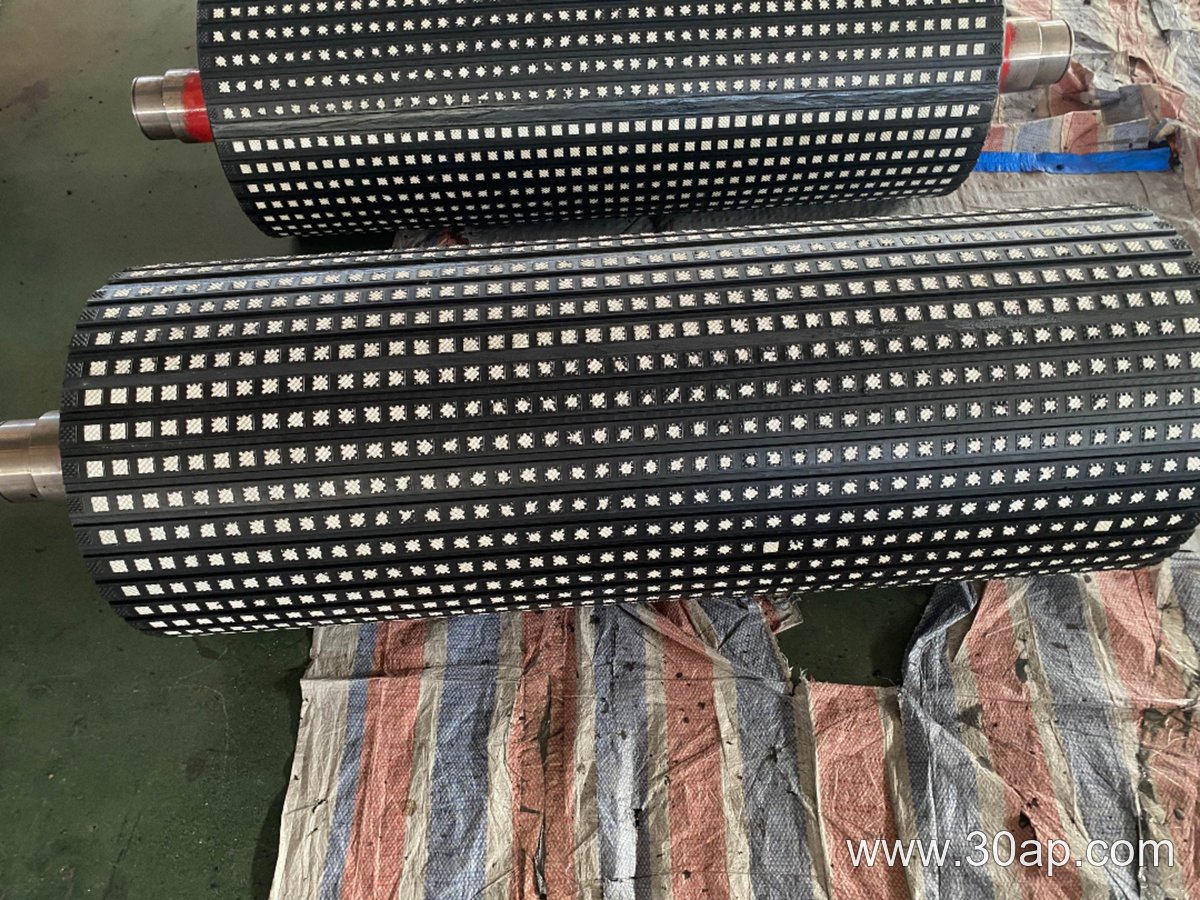
Where It Fits in the Power Plant Layout
Coal arrives by train, barge, or truck and is stockpiled. From there, a series of belt conveyors transport it to the crusher house, then to the boiler bunkers. A thermal power plant conveyor pulley appears at every transfer point. For example, the head pulley at the crusher discharge drives the belt toward the boiler, while a bend pulley at a transfer tower redirects the belt around a 90-degree turn. A tension pulley maintains the correct belt sag between the tail and the take-up system.
In a typical coal conveyor with a belt width of B1200 mm, the drive pulley might be Ø1000 mm with a 12 mm diamond lagging. A tail pulley for the same belt could be Ø800 mm with plain surface. These are common combinations, but they are not fixed rules. Belt width and pulley diameter are matched by the conveyor designer based on belt tension, wrap angle, and available space.
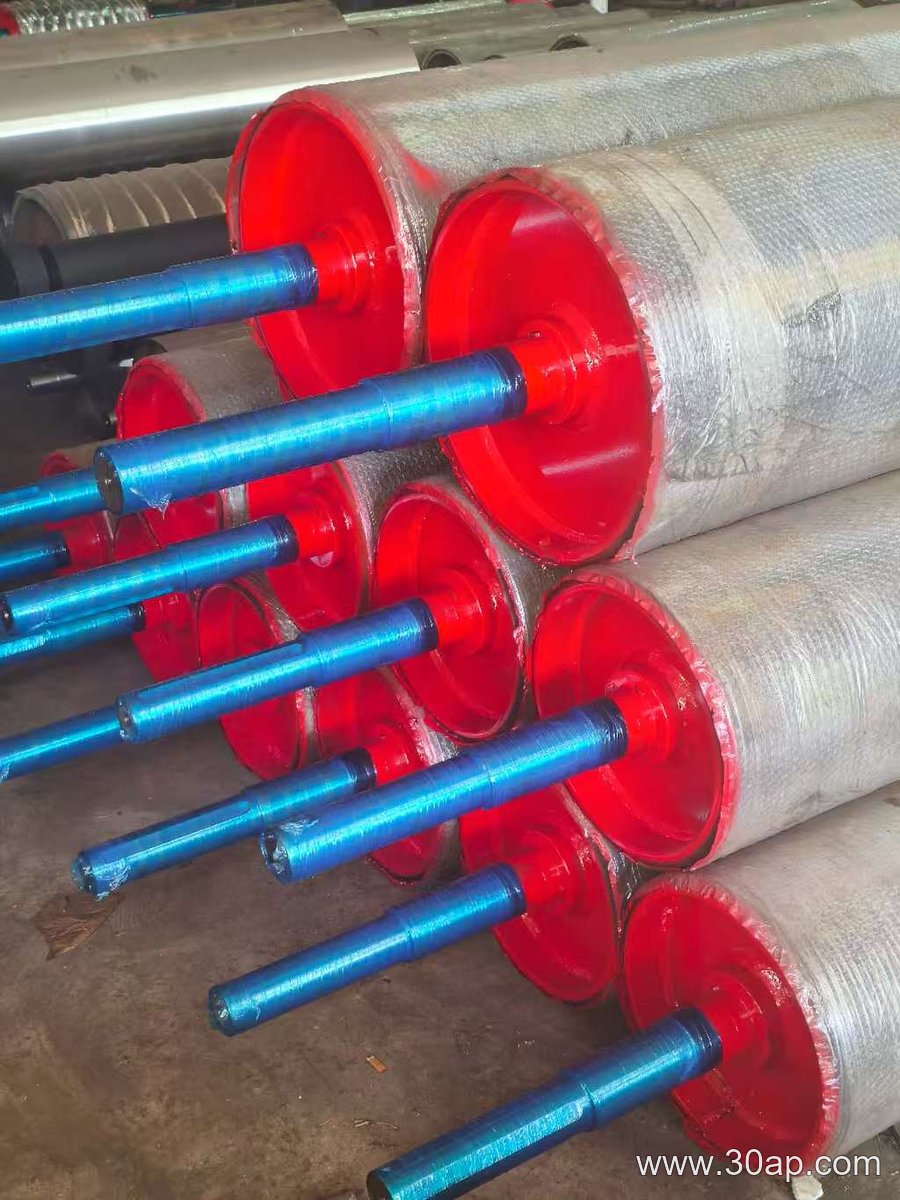
What a Buyer Should Verify Before Ordering
When sourcing a replacement pulley for a power plant, do not rely on belt width alone. Provide the following information:
- Pulley type and position (drive, tail, bend, tension, take-up)
- Belt width and pulley face width (e.g., B1000 mm belt typically needs about 1150 mm face width)
- Required shaft diameter and bearing centers
- Lagging type and thickness (plain, rubber, ceramic, groove pattern)
- Locking assembly style (keyed, shrink disc, or QD bushing)
- Operating environment (coal dust, moisture, temperature)
Also confirm the pulley’s dynamic balance requirement. In power plants, high-speed conveyors often require balancing to reduce vibration. A poorly balanced pulley can damage bearings and the conveyor belt itself.
Maintenance and Wear Checks
Regular inspection of the thermal power plant conveyor pulley focuses on lagging wear, shell cracks, shaft deflection, and bearing condition. Worn lagging reduces friction, leading to belt slip and increased power consumption. If the lagging thickness drops below 50% of its original value, replacement is usually advised. Check for material buildup on the pulley face, which can cause belt misalignment. Also inspect the conveyor bracket and support structure for looseness, since vibration from an unbalanced pulley can loosen bolts over time.
Keep the belt cleaner and the idler roller aligned. A misaligned belt wears the pulley edges unevenly. In coal dust environments, use sealed bearings and periodic lubrication. When replacing a pulley, always verify the new unit matches the original shaft diameter, keyway, and face width. Do not assume that a B800 mm belt pulley will fit a B1000 mm belt line without checking the frame dimensions.