What a High-Angle Conveyor Trough Idler Does
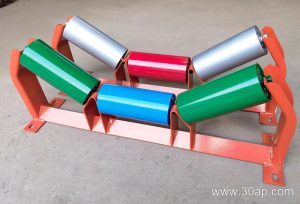
A high-angle conveyor trough idler is a carrying roller set designed to support the conveyor belt on steep inclines, typically above 18 degrees. In a quarry, limestone mine, or tunnel boring spoil line, the belt must hold material against gravity without excessive spillage. The trough idler achieves this by forming the belt into a deep U or V shape, using two or three rolls arranged at a steep trough angle. Unlike a standard 20-degree idler, this high-angle variant keeps the load centered and reduces the chance of material rolling back. It is not a drive pulley or a bend pulley—those handle power transmission and direction changes—but a support component that works with the belt and frame.
Construction and Key Components
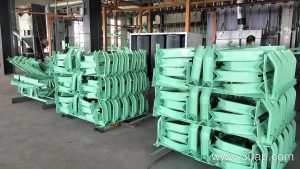
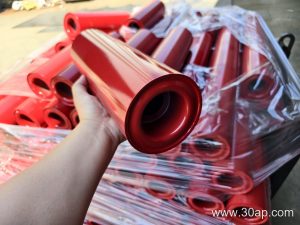
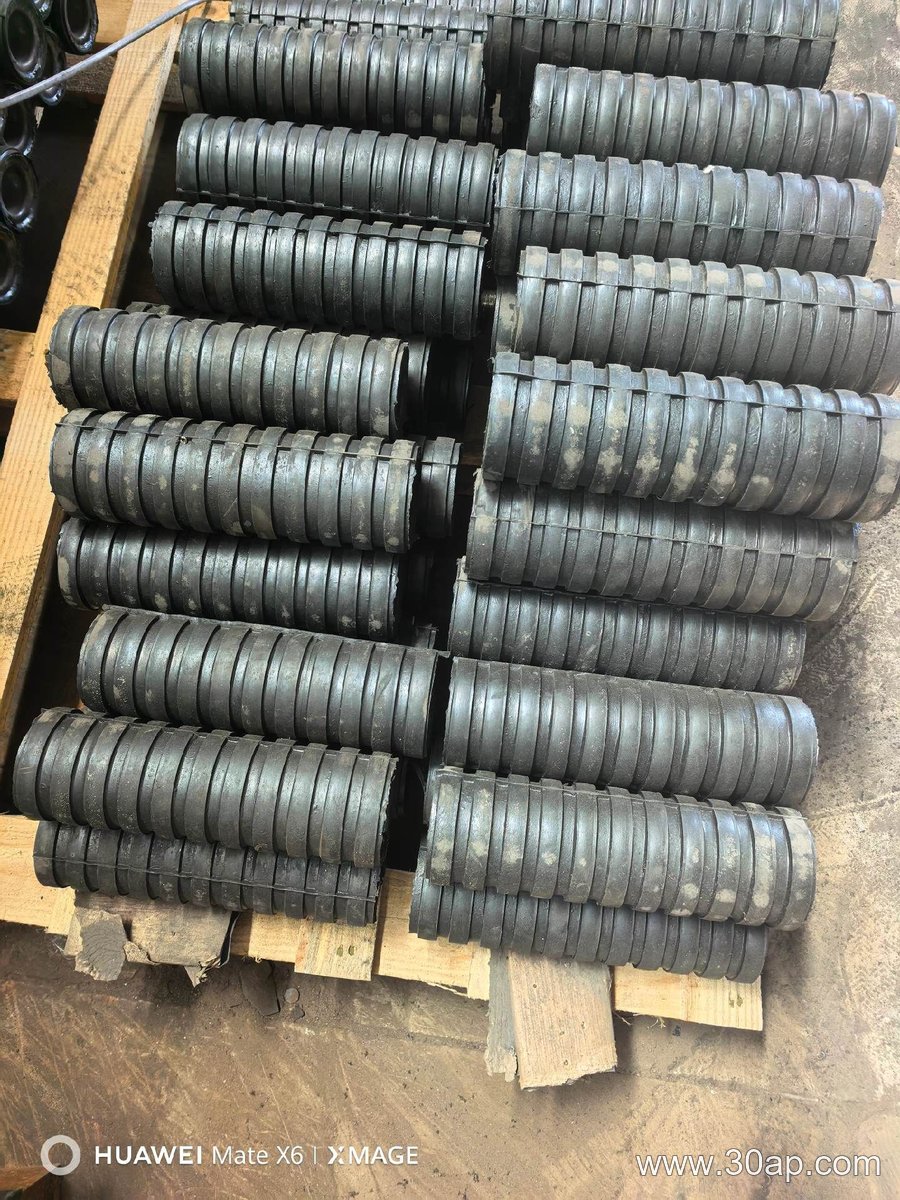
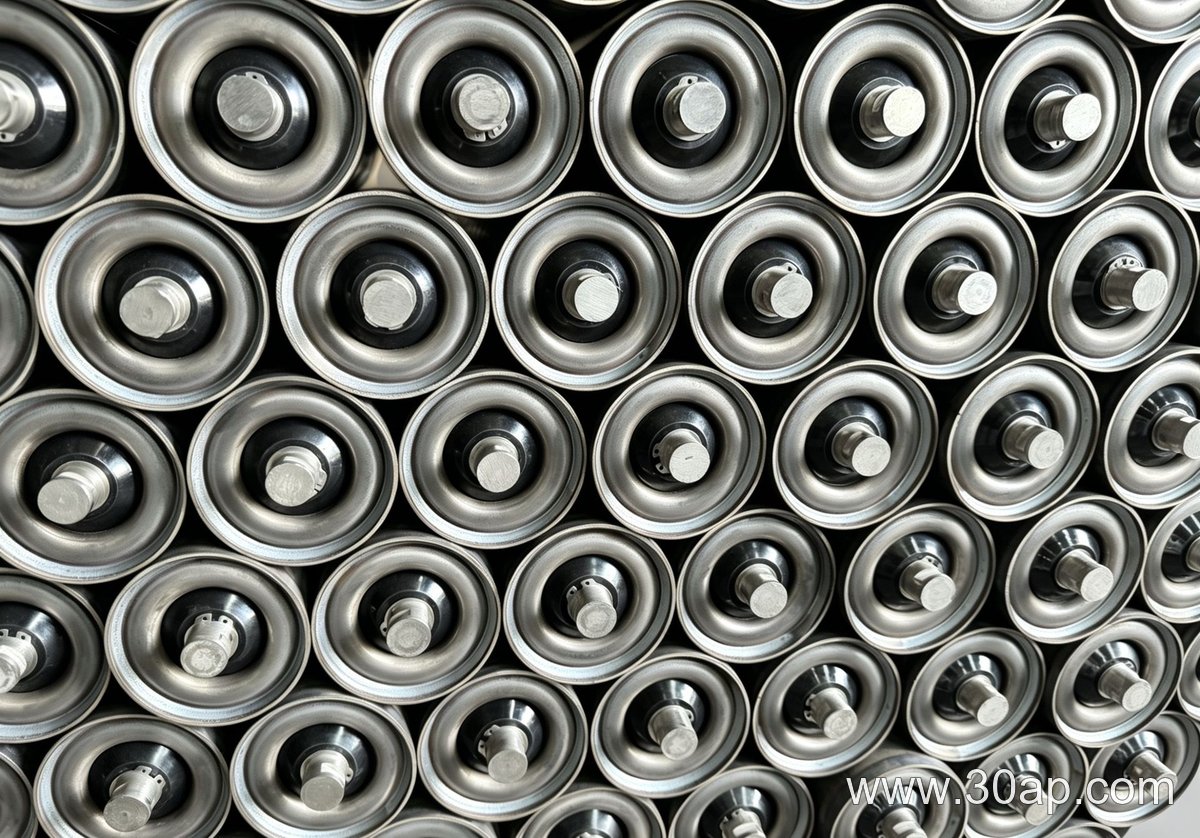
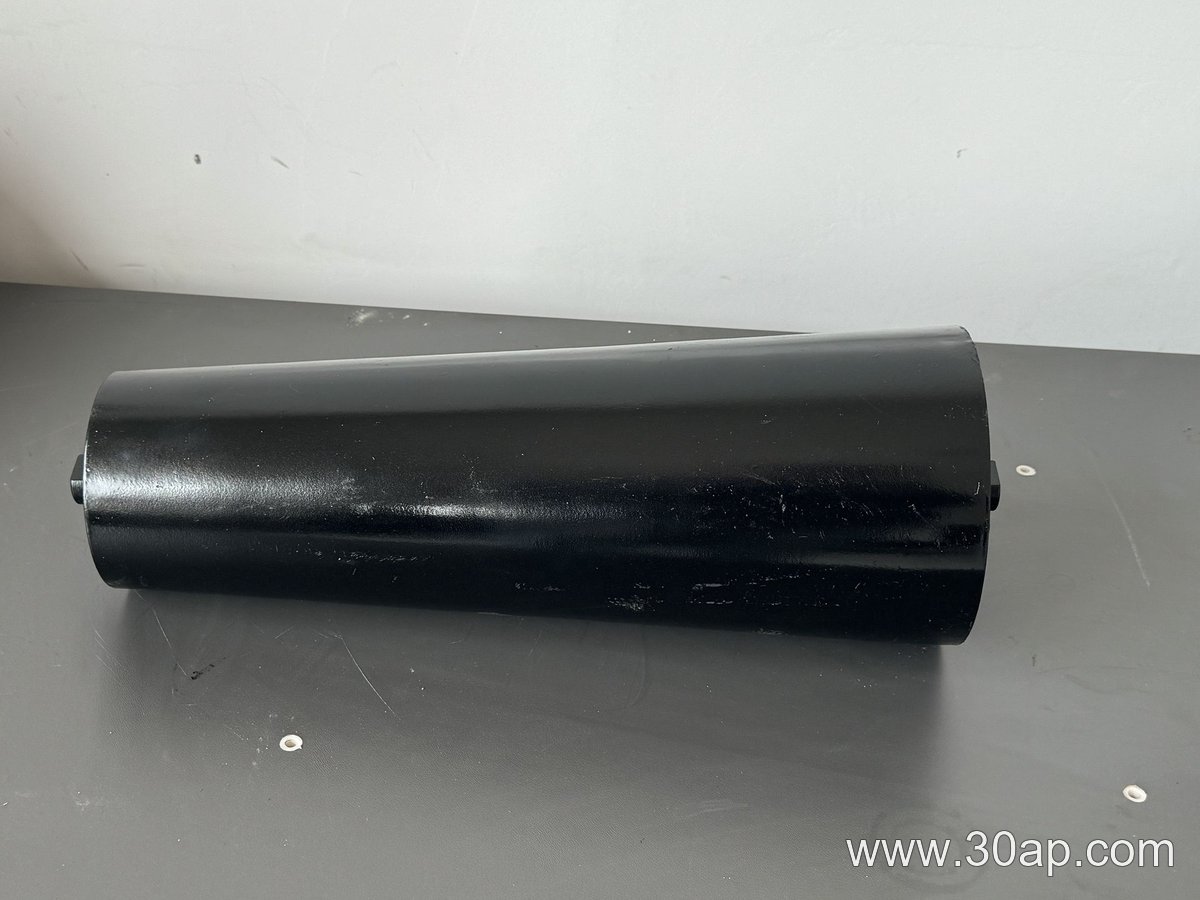
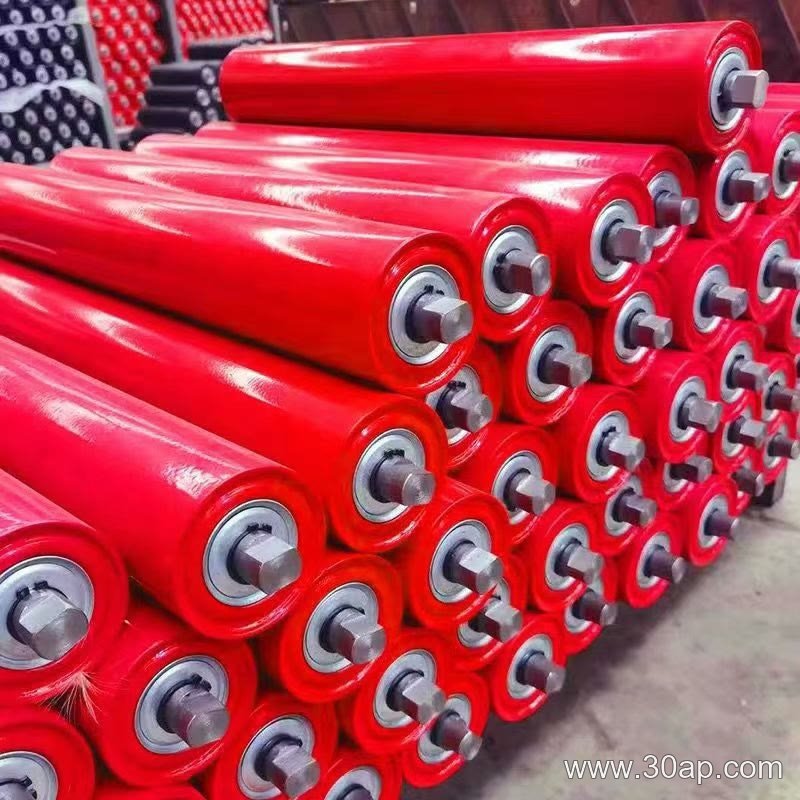
The assembly usually consists of a steel or rubber-covered idler roller, a shaft, bearing housings, and a bracket that bolts to the conveyor frame. The rolls are mounted at a fixed trough angle, often 35, 45, or even 60 degrees for very steep lines. The roller shell can be plain steel, nylon, or ceramic-coated for abrasive materials like cement clinker or iron ore. Bearings such as 6205, 6306, or 6308 are common, but the exact bearing size depends on load and roll diameter, not just belt width. Sealing is critical: labyrinth or contact seals keep fines out of the bearing cavity in dusty coal preparation plants or sand and gravel yards.
Typical Sizes and Configuration
Roll diameter and length are matched to the conveyor belt width and the required trough profile. The table below shows common reference values, but these are not universal pairings. A single belt width can accept different roll diameters depending on speed, capacity, and idler spacing.
| Belt width | Common roll diameter (mm) | Typical roll length for 3-roll trough (mm) |
|---|---|---|
| B500 | Ø63, Ø76, Ø89 | 200 |
| B650 | Ø76, Ø89, Ø102 | 250 |
| B800 | Ø89, Ø102, Ø108 | 315 |
| B1000 | Ø102, Ø108, Ø127 | 380 |
| B1200 | Ø108, Ø127, Ø133 | 465 |
| B1400 | Ø127, Ø133, Ø159 | 530 |
| B1600 | Ø133, Ø159, Ø178 | 600 |
| B1800 | Ø159, Ø178, Ø194 | 670 |
| B2000 | Ø178, Ø194, Ø219 | 750 |
Note that side rolls and center rolls may differ in length. A high-angle trough idler often uses a shorter center roll and two longer side rolls to create a deeper pocket. Trough angles of 35° and 45° are common; 20° is too shallow for most high-angle duties. Some designs add a 1.5° to 2° forward tilt to help center the belt, but this is a separate feature from the trough angle itself.
Where It Fits in the Conveyor Line
These idlers are placed along the carrying run, especially on inclined sections after the loading point. In a coal washing plant, they support the belt as it climbs from the primary crusher to the stockpile. In a limestone quarry, they keep the load stable on a 25-degree incline. They are not used on the return run—that is where V-return or flat return idlers do the job. A high-angle trough idler can be compared with a buffer idler, which absorbs impact at the loading chute, but the two serve different purposes. The buffer idler protects the belt from falling lumps; the high-angle trough idler maintains the trough shape on the incline.
Buyer Checklist
- Confirm the actual belt width and the required trough angle. A 45-degree trough needs a different roll arrangement than a 35-degree one.
- Match roll diameter to belt speed and material weight. Heavier loads and higher speeds usually call for larger diameters such as Ø133 or Ø159.
- Check the bearing and seal type for the environment. Dusty cement or coal dust demands better sealing than a clean grain terminal.
- Verify the bracket and shaft dimensions fit the existing conveyor frame. Do not assume a shaft diameter from belt width alone; measure the frame hole spacing.
- Consider roller surface. Rubber-covered rolls reduce noise and protect the belt in some applications, while ceramic or nylon rolls resist abrasion in iron ore or sinter lines.
- Ask for the idler spacing calculation. High-angle conveyors often need closer spacing to prevent belt sag and material rollback.
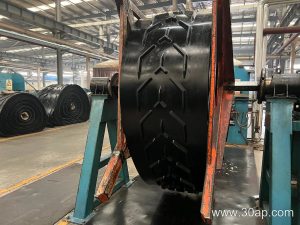
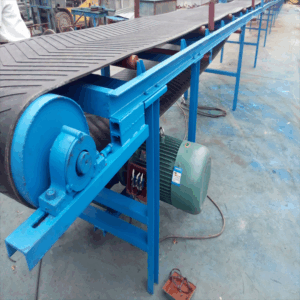
Keep in mind that a high-angle conveyor trough idler is one part of a system that includes the conveyor belt, conveyor pulley, and conveyor bracket. A well-chosen idler reduces spillage, extends belt life, and keeps the incline running smoothly from the mine or quarry to the next stage.