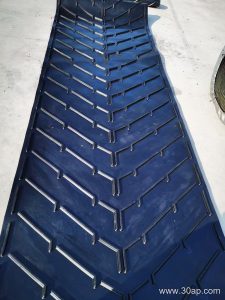
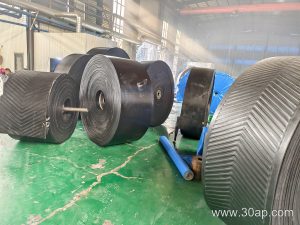
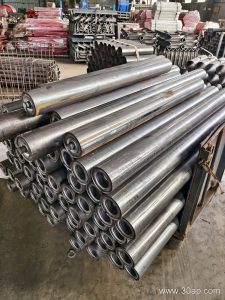
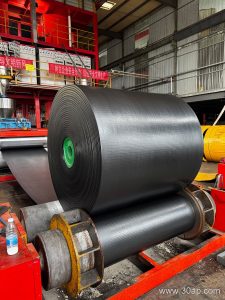
What a Large Drive Pulley Does
In a belt conveyor system, the large drive pulley is the component that transfers motor torque to the conveyor belt. It is often the head pulley at the discharge end, and its diameter is typically larger than other pulleys on the same conveyor. This size difference increases the contact arc between the belt and the pulley surface, improving traction and reducing the risk of slip under heavy loads. While a tail pulley or bend pulley only redirects the belt, the drive pulley is the one that actually powers movement. The term large drive pulley describes a head or drive drum sized for high-tension, high-capacity duties.
Construction and Surface Options
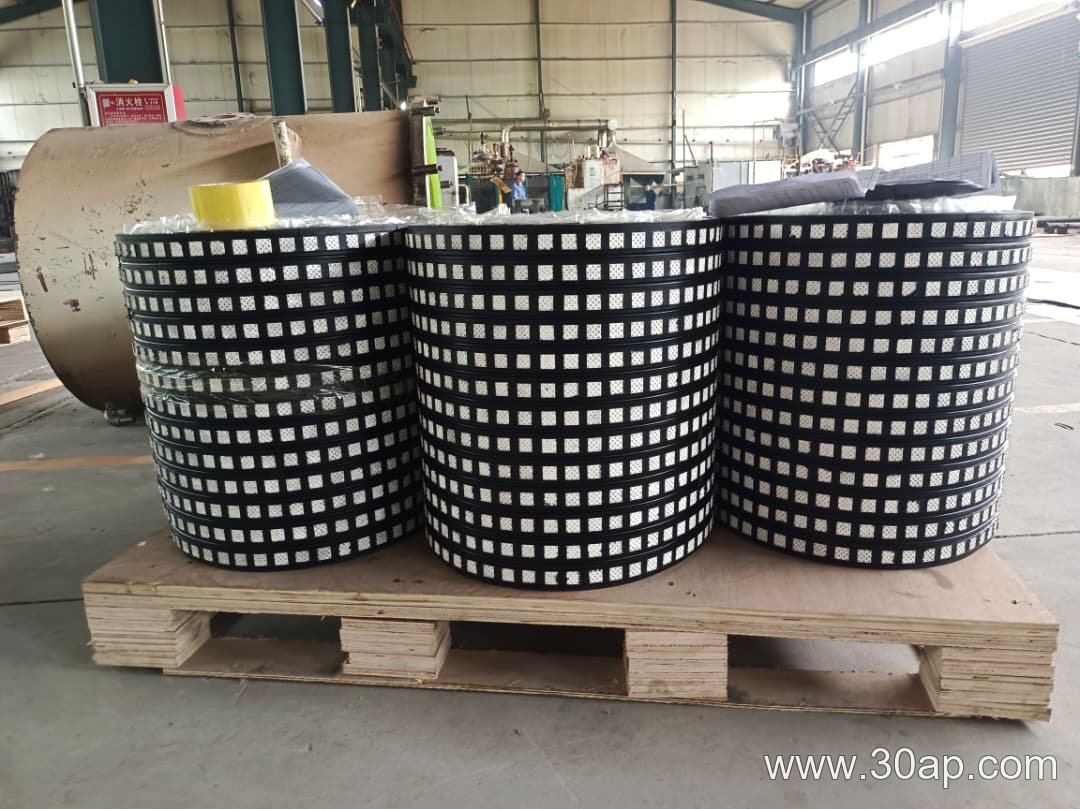
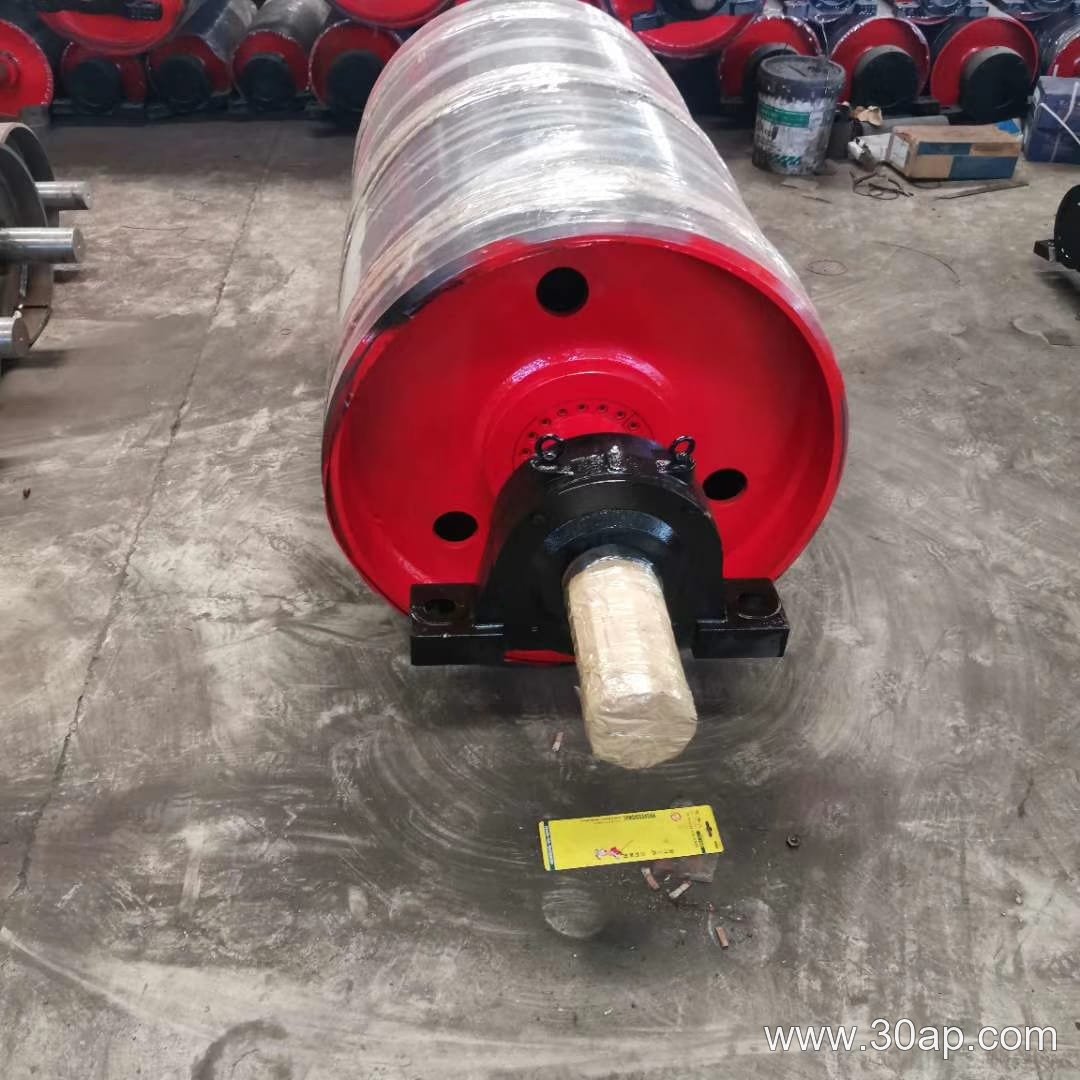
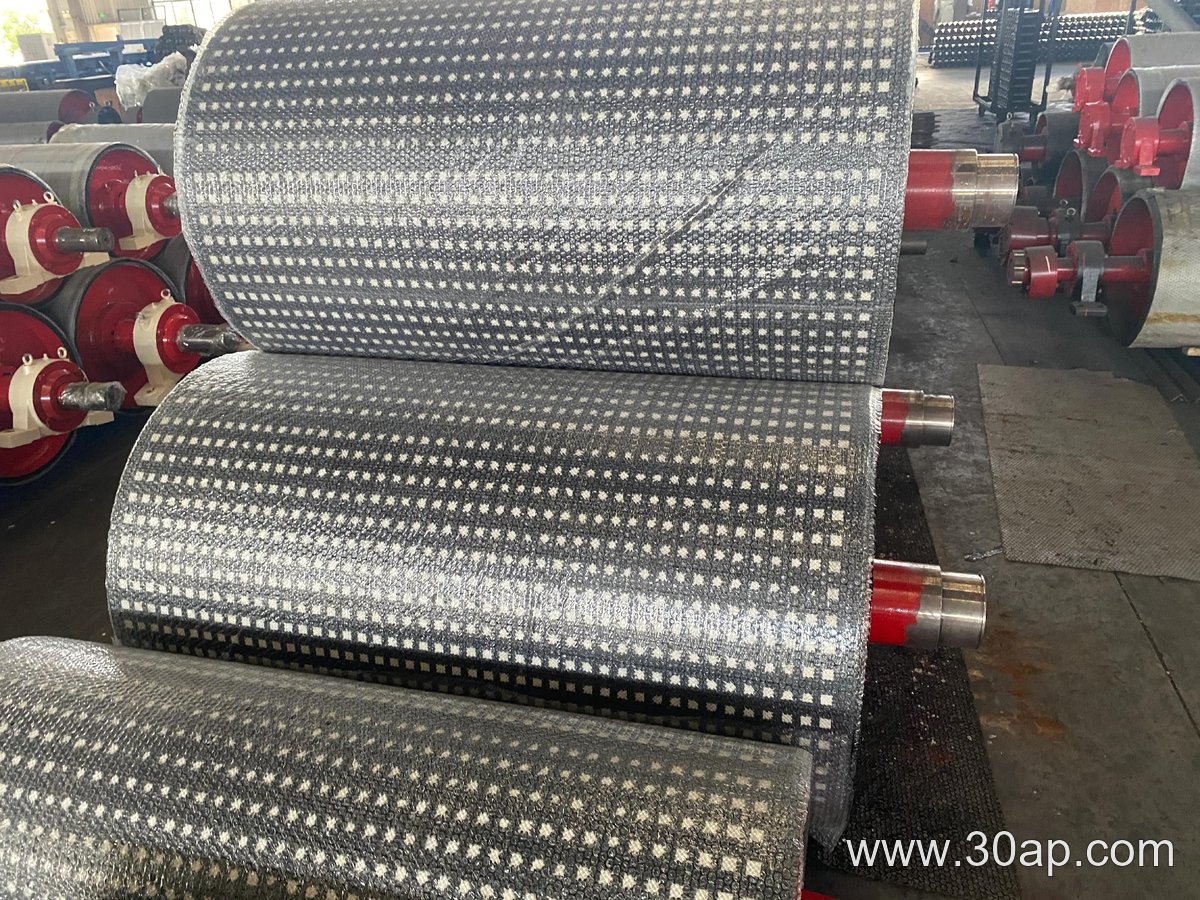
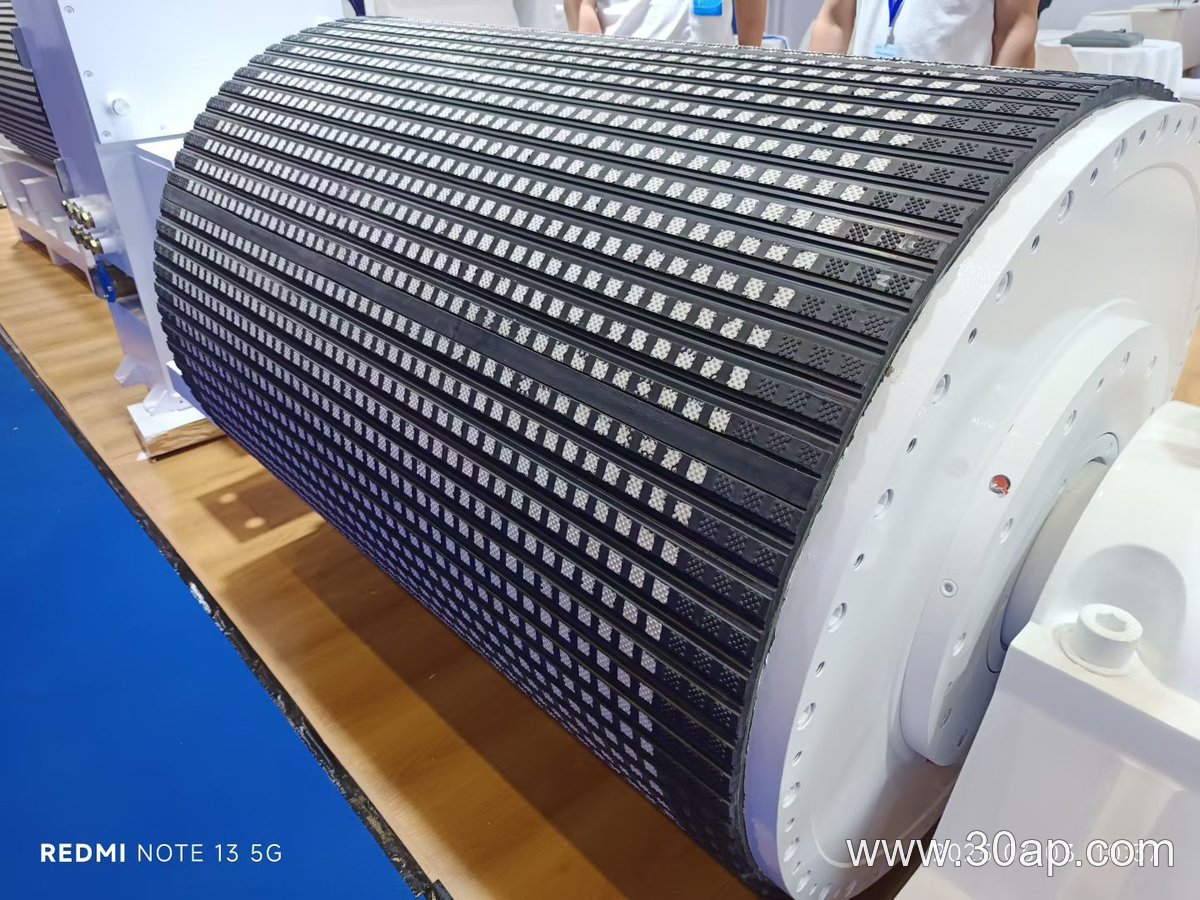
A large drive pulley is usually built from a steel cylindrical shell, two end discs, and a shaft. The shell may be machined to a slight crown to help the belt track centrally. Surface treatment is critical for grip. Common surface forms include plain steel, cast rubber, cold-bonded rubber, hot-vulcanized rubber, diamond grooving, herringbone grooving, and ceramic lagging. Rubber lagging thickness is often 8, 10, 12, 15, or 20 mm. For abrasive conditions such as a limestone quarry or a coal-fired power plant coal handling line, ceramic lagging can extend service life. The shaft diameter is determined by torque and bending load, not by belt width alone. Typical shaft sizes range from Ø50 to Ø200 mm, but each design must be calculated separately.
Where It Fits in the Conveyor
The large drive pulley is most often installed at the head end, where the belt discharges material. It can also be used as a tension pulley or a dual-drive pulley in long overland systems. In a sand and gravel plant, a single large drive pulley may drive a B1000 belt with a Ø800 pulley. In a cement plant clinker line, a B1200 belt might use a Ø1000 drive pulley. These combinations are examples, not fixed rules. The pulley face width is normally wider than the belt. For instance, a B800 belt often matches a pulley face of about 950 mm, while a B1400 belt may use a face width near 1600 mm. The extra width helps accommodate belt misalignment.
Key Dimensions and Common Sizes
When specifying a large drive pulley, buyers should consider belt width, pulley diameter, face width, shaft diameter, and lagging type. The table below lists common reference values. These are not mandatory for every conveyor.
| Belt Width (mm) | Typical Pulley Face (mm) | Common Diameter Range (mm) | Typical Shaft Range (mm) |
|---|---|---|---|
| B400 | 500 | 200–315 | 50–70 |
| B650 | 750 | 315–500 | 60–90 |
| B800 | 950 | 400–630 | 80–120 |
| B1000 | 1150 | 500–800 | 100–140 |
| B1200 | 1400 | 630–1000 | 120–160 |
| B1400 | 1600 | 800–1250 | 140–180 |
| B1600 | 1800 | 1000–1400 | 160–200 |
Do not assume that one belt width can only match one pulley diameter. A B1200 belt may work with a Ø800 drive pulley in a short conveyor or a Ø1250 pulley in a high-tension application. The correct choice depends on belt tension, wrap angle, and starting torque.
Buyer Checklist for Large Drive Pulleys
- Confirm the belt width and the required face width, remembering that face width is usually greater than belt width.
- Check the calculated shaft diameter based on torque, not just belt width.
- Select lagging type according to material abrasiveness and moisture. Diamond or herringbone grooving helps with wet conditions.
- Verify the pulley diameter against the belt’s minimum pulley diameter recommendation to avoid excessive bending stress.
- Ensure the pulley is balanced for the intended belt speed. Large drive pulleys for high-speed lines may need dynamic balancing.
- Inspect the conveyor bracket and bearing housing to confirm the shaft and keyway fit.
Large drive pulleys work together with conveyor idlers, conveyor brackets, and the conveyor belt itself. In a tunnel boring operation or a fertilizer handling facility, a well-matched drive pulley reduces downtime and keeps material moving. Buyers should request a dimensional drawing and material report from the supplier, and avoid treating any single size as universal. The right large drive pulley is the one that matches the actual load, speed, and environment of the conveyor.