What Is an ST3150 Conveyor Belt
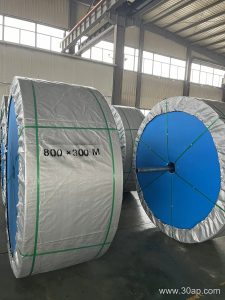
The ST3150 conveyor belt is a steel cord conveyor belt with a nominal tensile strength of 3150 N/mm. In the steel cord family, it sits in the high-strength range, above ST2500 and below ST3500 and ST4000. You will sometimes see it written as ST 3150 or ST3150 steel cord belt. That is the same product, just a different way of writing the name. It is not a fabric-reinforced belt such as EP or NN nylon, and it is not a solid woven PVC or PVG belt. Those products serve different duty levels and different pulley diameters.
This belt is chosen when a single flight has to move a large tonnage over a long distance, or when the material is heavy and abrasive. Typical industries include mines, coal preparation plants, cement works, power stations, and sand and gravel yards.
How the Belt Is Built
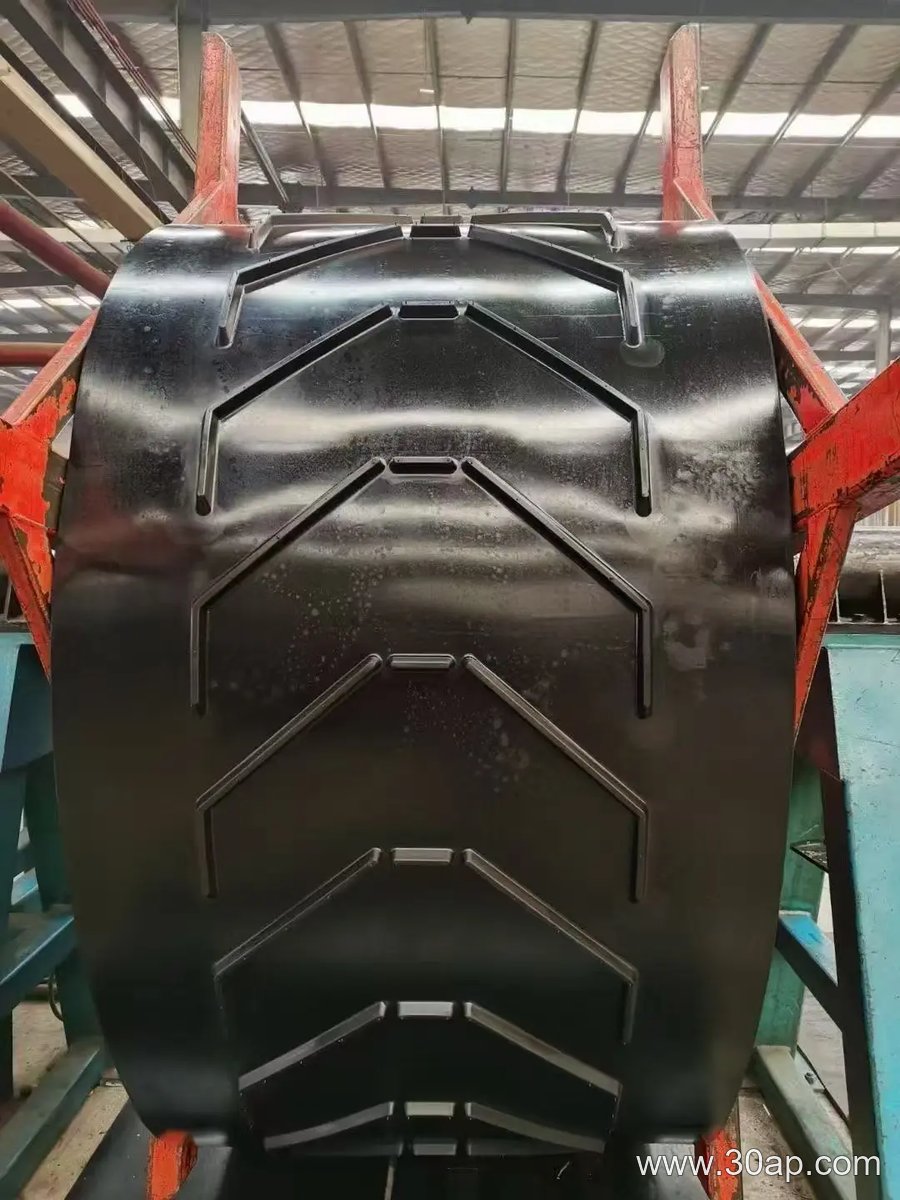
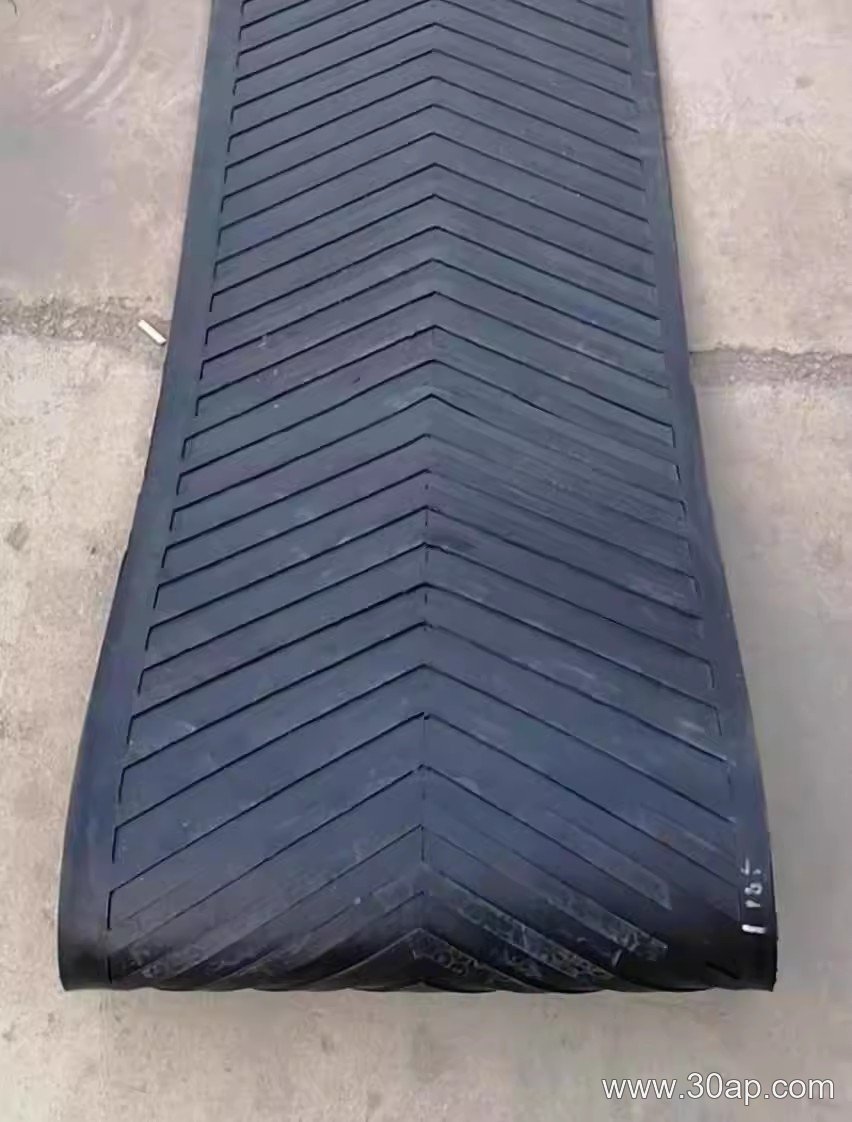
The carcass is made from parallel steel cords, usually brass-coated, embedded in a rubber compound. The cords carry the tension, so the belt stretches very little under load. A typical construction uses a top cover, a bottom cover, and a cord layer in between, with a rubber skim between the cords. Common cover grades include wear-resistant, heat-resistant, oil-resistant, flame-retardant, antistatic, cold-resistant, and acid and alkali resistant. Some belts also come with a patterned surface, such as herringbone or chevron, or with corrugated sidewalls for steep inclines.
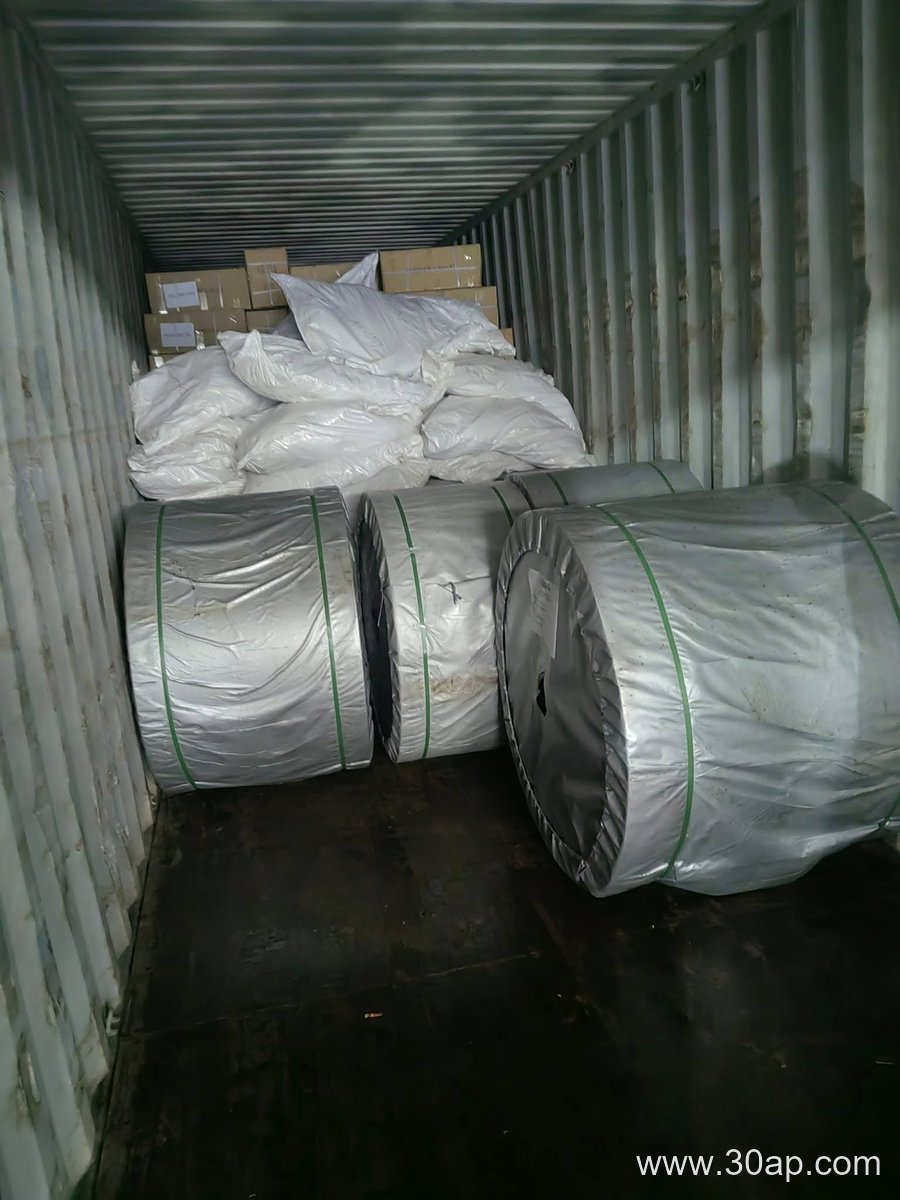
Cover thickness is usually given as two numbers, top plus bottom. Examples you may see are 6+2 mm, 8+3 mm, and 5+2 mm. The correct choice depends on lump size, drop height, and abrasiveness, not on a fixed rule.
Common Reference Data
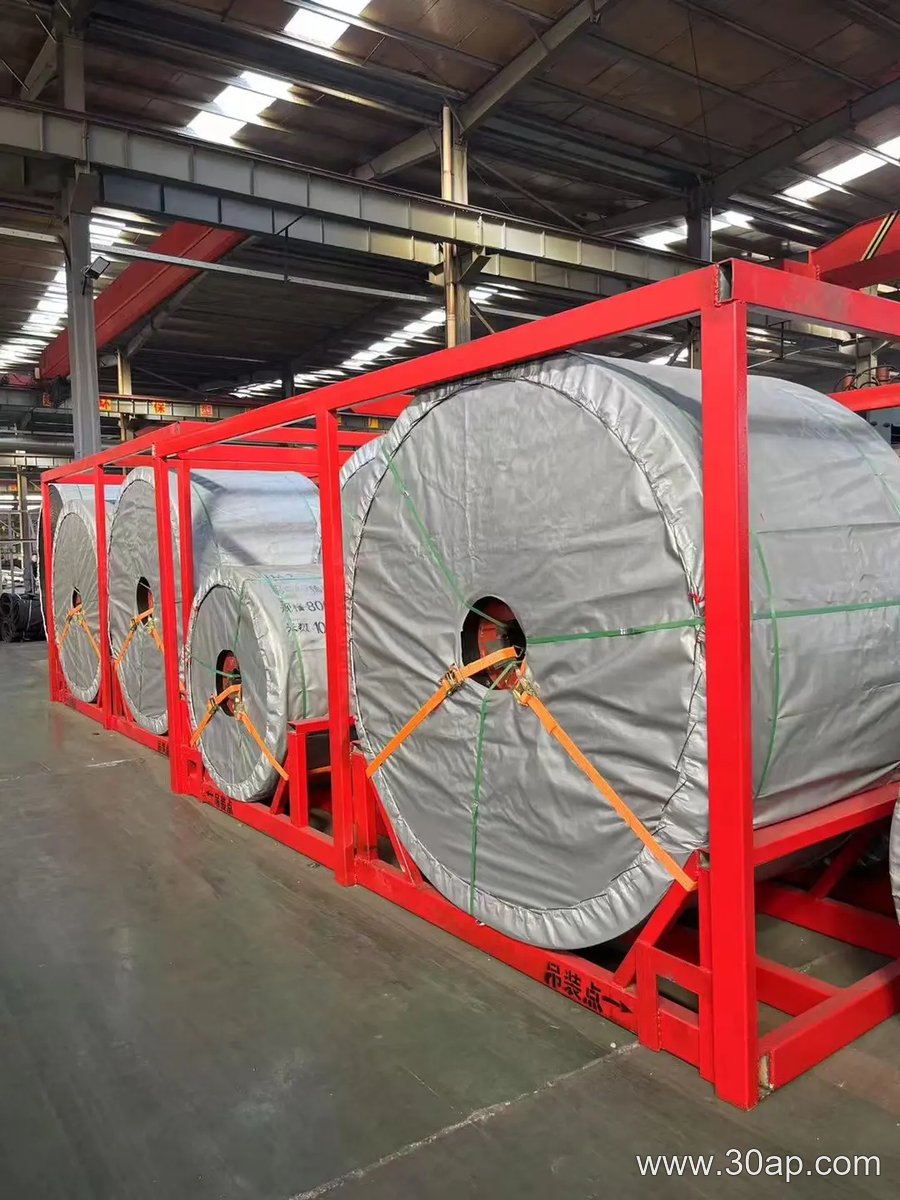
The table below shows values that appear in general product literature. They are reference figures, not a supply promise. Actual belt construction is confirmed by the manufacturer for each project.
| Item | Common reference values |
|---|---|
| Belt type | ST3150 steel cord |
| Nominal strength | 3150 N/mm |
| Belt width | B800, B1000, B1200, B1400, B1600, B1800, B2000 |
| Cover thickness | 5+2, 6+2, 8+3 mm and other combinations |
| Cover grade | Wear-resistant, heat-resistant, flame-retardant, antistatic, oil-resistant |
| Surface form | Smooth, patterned (herringbone, chevron), corrugated sidewall |
For comparison, a fabric belt such as EP315 or EP630 is used on shorter, lighter conveyors. A steel cord belt at the ST3150 level is not a drop-in replacement for those, and the reverse is also true.
Where It Is Used
Steel cord belts at this strength level are common in main haulage conveyors. You may find them in underground coal mines, open pit metal mines, cement clinker lines, and power plant coal handling. They also appear in large sand and gravel plants and in port bulk terminals.
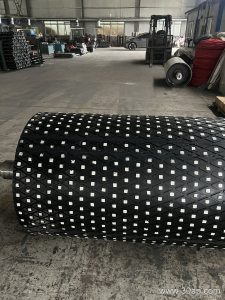
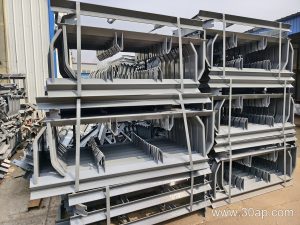
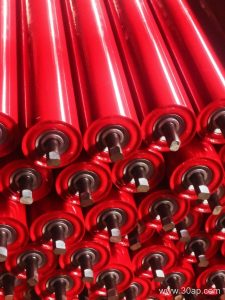
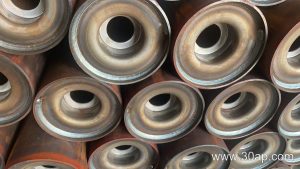
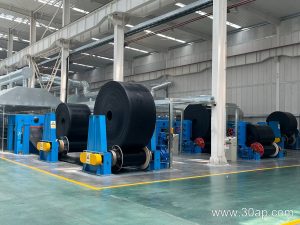
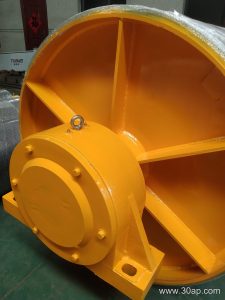
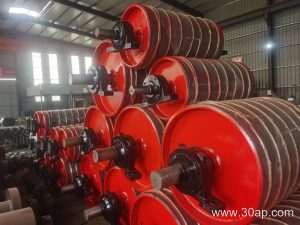
The belt runs over a drive pulley, a tail pulley, and bend pulleys, and is supported by idler rollers along the carrying and return sides. Frames and brackets hold the idlers and pulleys in line. The drive pulley, tail pulley, and bend pulley each have a different job, so they are not interchangeable names.
What a Buyer Should Check
- Confirm the required tensile strength and belt width for the conveyor design. Do not assume that one belt width matches only one pulley diameter.
- Match the cover grade to the material: abrasive rock, hot clinker, oily scrap, or flammable dust each needs a different compound.
- Check the minimum pulley diameter recommended for the cord construction. This value comes from the belt maker, not from the width alone.
- Ask how the belt will be spliced. Steel cord belts are usually spliced on site, and the splice method affects long-term reliability.
- Review the take-up travel and the required elongation. Steel cord belts stretch less than fabric belts, but the take-up still needs enough stroke.
- Think about the idler roller spacing and the pulley lagging, because both affect belt life on a heavy-duty line.
For any project, the final belt specification should come from the conveyor design and from the belt manufacturer. The values above are only a starting point for discussion.