What Conveyor Bracket Procurement Covers
Conveyor bracket procurement is the process of sourcing the structural supports that hold idler rollers in place along a conveyor system. These brackets, often called idler frames or roller supports, keep the conveyor belt at the correct trough angle and alignment. In a quarry, cement plant, or coal handling facility, the right bracket selection affects belt tracking, roller life, and maintenance downtime. This article explains how these brackets are built, where they are used, and what buyers should verify before placing an order.
Construction and Common Materials
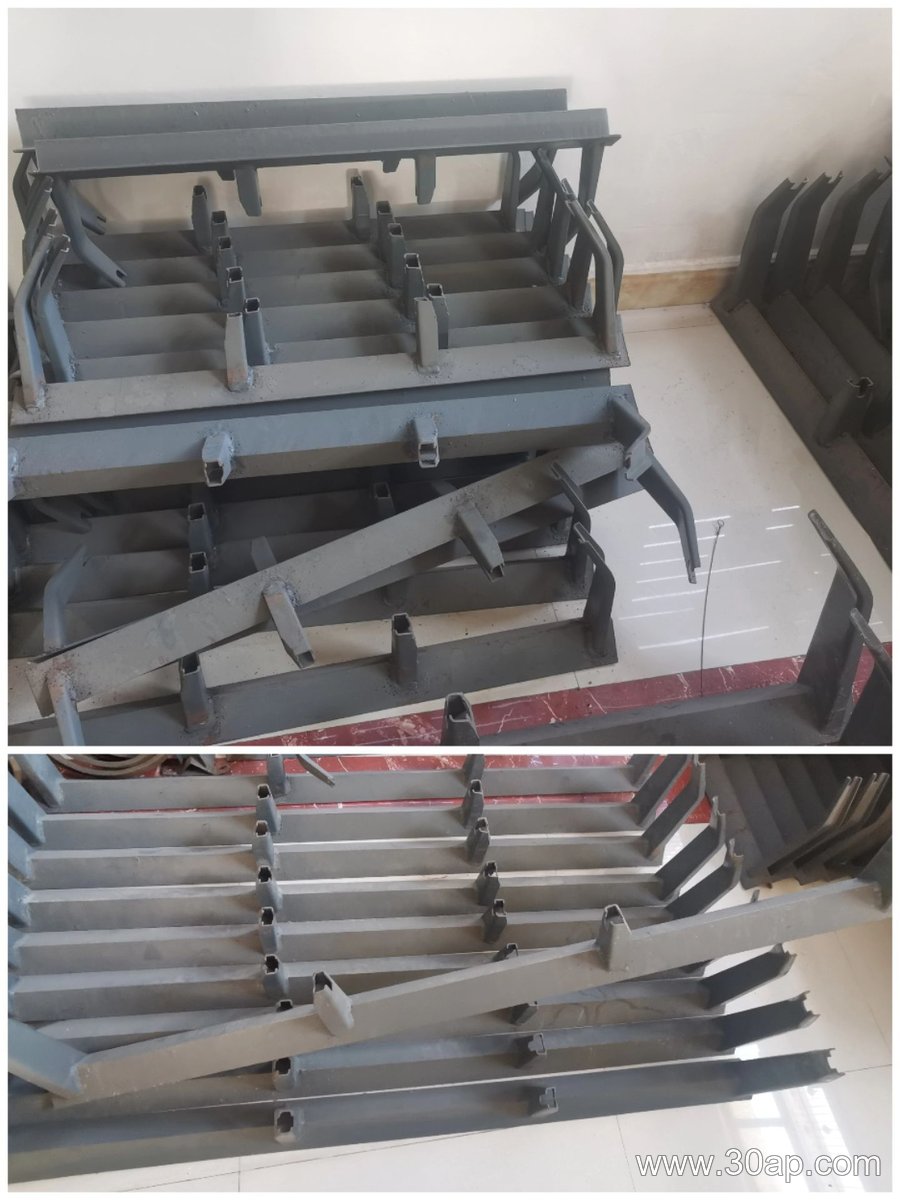
Most conveyor brackets are fabricated from angle steel, channel steel, or folded steel plate. The choice of material depends on load, environment, and required stiffness. A troughing bracket for a B800 belt might use 50x50x5 angle, while a heavier B1400 application could use 100x50x6 channel. Surface treatment such as painting or galvanizing is often specified for outdoor or wet conditions, but the exact coating should be confirmed with the supplier.
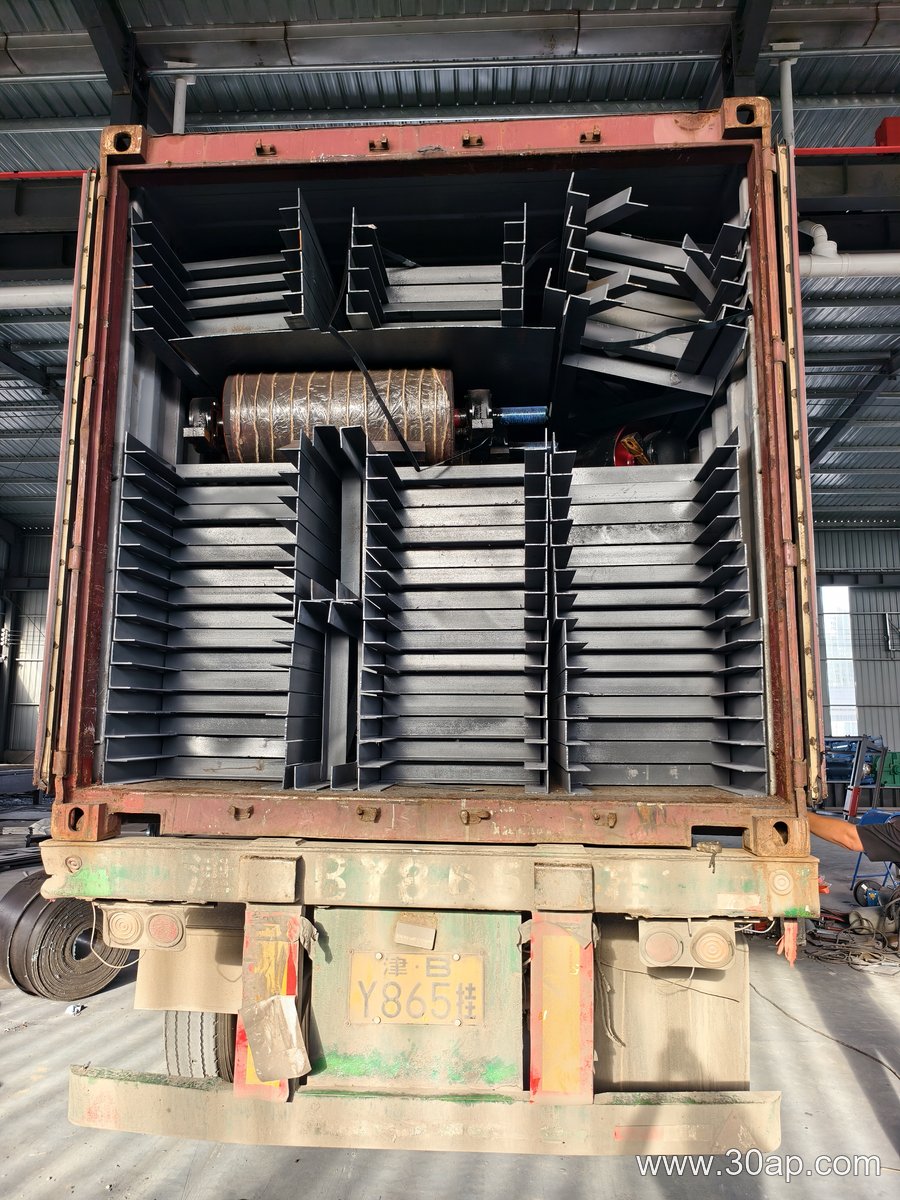
Types and Their Roles
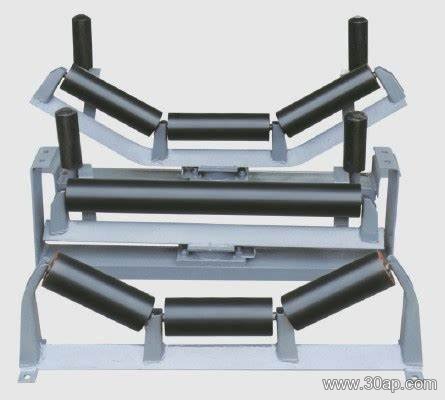
Different bracket types serve different positions on the conveyor. Common categories include:
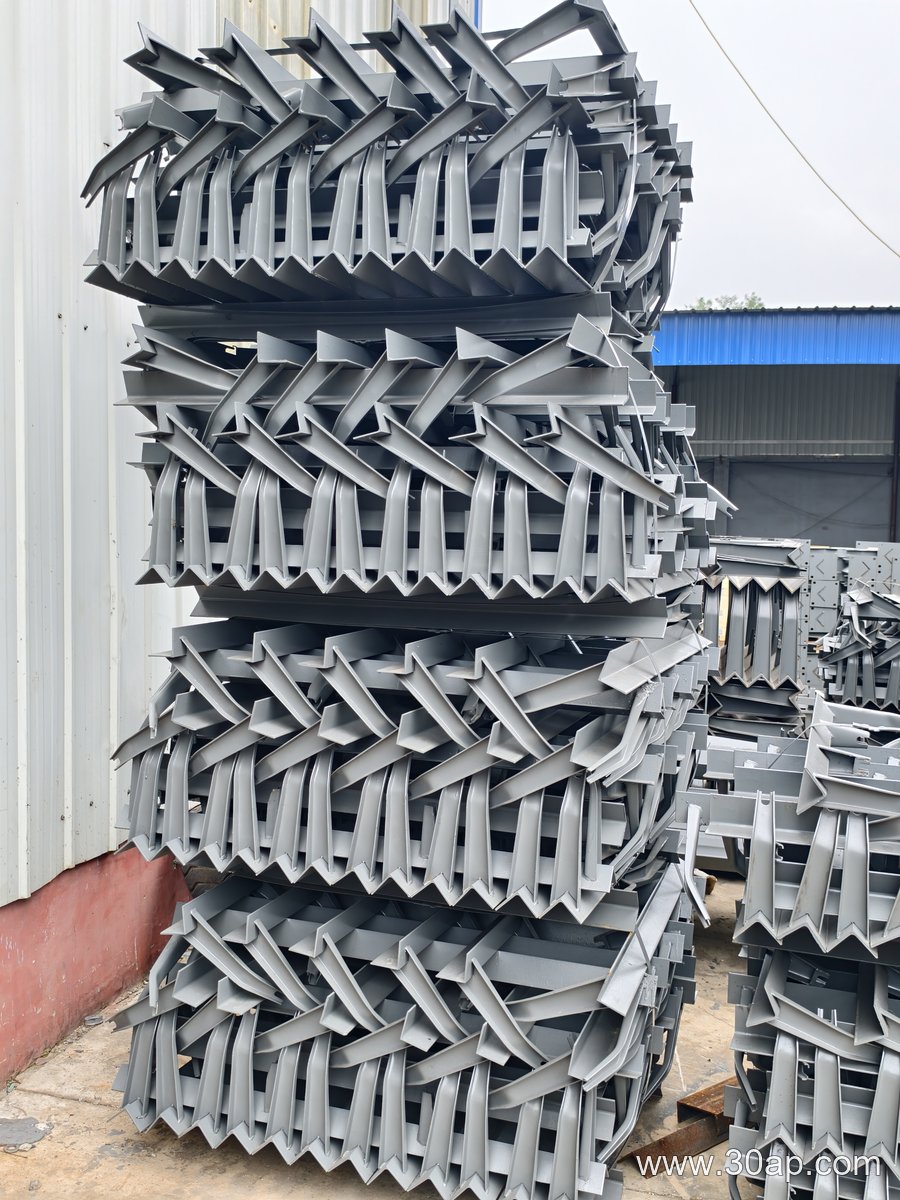
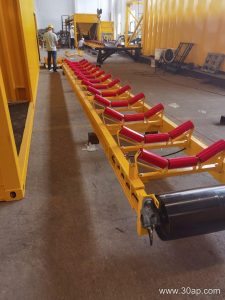
- Troughing brackets (carrying side, 20° to 45° trough angles)
- Transition brackets (between the tail pulley and full troughing)
- Return brackets (flat or V-return)
- Impact brackets (under loading points, with cushion rollers)
- Self-aligning brackets (for belt tracking)
- Adjustable brackets (trough angle can be changed)
Note that a drive pulley, tail pulley, and bend pulley are not interchangeable with brackets; they are separate components. A troughing bracket is not a return bracket, and each must be specified for its location.
Where They Are Used
Conveyor brackets appear in almost every bulk material handling system. In a limestone mine, troughing brackets support the belt on the carrying side, while return brackets hold the belt on the return run. In a power plant coal yard, impact brackets protect the belt at transfer points. In a sand and gravel line, adjustable brackets allow quick changes to the trough angle as material characteristics change. The same bracket family is used in fertilizer plants, grain silos, and tunnel muck removal.
Key Parameters for Procurement
When requesting quotes, provide the following details. Do not assume one belt width matches only one roller diameter or trough angle.
| Parameter | Common Options | Notes |
|---|---|---|
| Belt width | B500, B650, B800, B1000, B1200, B1400, B1600, B1800, B2000, B2200 | Bracket length and hole spacing vary with width |
| Trough angle | 20°, 30°, 35°, 45° | Adjustable brackets can cover a range |
| Roller diameter | Ø89, Ø108, Ø133, Ø159, Ø194 | Match to idler roller shaft and load |
| Bracket type | Troughing, return, impact, self-aligning, transition | Specify position on conveyor |
| Material | Angle steel, channel steel, folded plate | Thickness per load and span |
For example, a B1200 conveyor with 45° troughing might use Ø133 rollers, but a B1200 with 35° could use Ø108. The combination depends on belt speed, material density, and idler spacing. Always confirm mounting hole distance and crossbeam length with the bracket manufacturer, as these are not fixed numbers.
Selection and Maintenance Advice
Buyers should consider the operating environment. In a coal mine, dust and moisture may require galvanized or painted brackets. In a cement plant, abrasive dust can wear unpainted steel quickly. Adjustable brackets are useful where material flow changes seasonally. During maintenance, check for bent frames, worn mounting holes, and loose bolts. Replacing a damaged bracket early prevents belt misalignment and extends conveyor pulley life.
Finally, remember that a conveyor bracket is not a standalone item. It works with the conveyor belt, idler roller, and conveyor pulley. Procurement should always specify the exact bracket subtype, belt width, trough angle, and roller diameter to avoid mismatches.