What a Tail Pulley Assembly Does
A tail pulley assembly is the rotating unit at the return end of a belt conveyor. It supports the conveyor belt as it loops back toward the head, and it often works together with a tensioning device to keep the belt tracking and taut. In a coal mine, a cement plant, or a sand and gravel line, this assembly may look simple, but it directly affects belt alignment, wear, and uptime. It is not a drive pulley, nor is it a bend pulley; each has a different job. The tail pulley turns with the belt, while a drive pulley transmits power and a bend pulley changes belt direction without driving or tensioning.
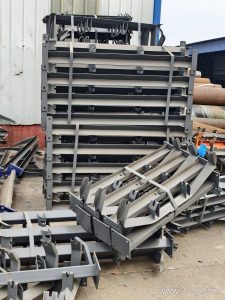
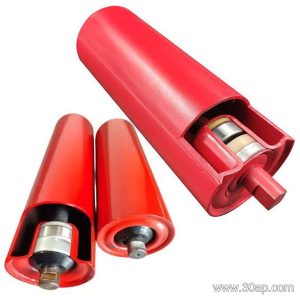
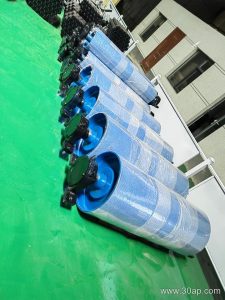
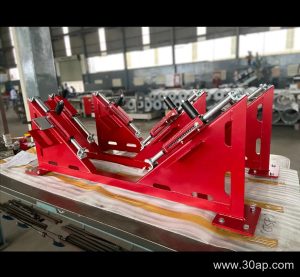
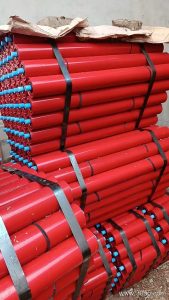
The assembly usually includes the pulley shell, shaft, hubs, bearings, bearing housings, and a frame or bracket that mounts to the conveyor structure. Some designs add a tension take-up mechanism, such as a screw or gravity arrangement. A conveyor bracket or a set of slide rails may hold the unit in place. In many bulk material circuits, the tail pulley works alongside conveyor idler rollers that support the carrying and return strands.
Construction and Common Surface Options
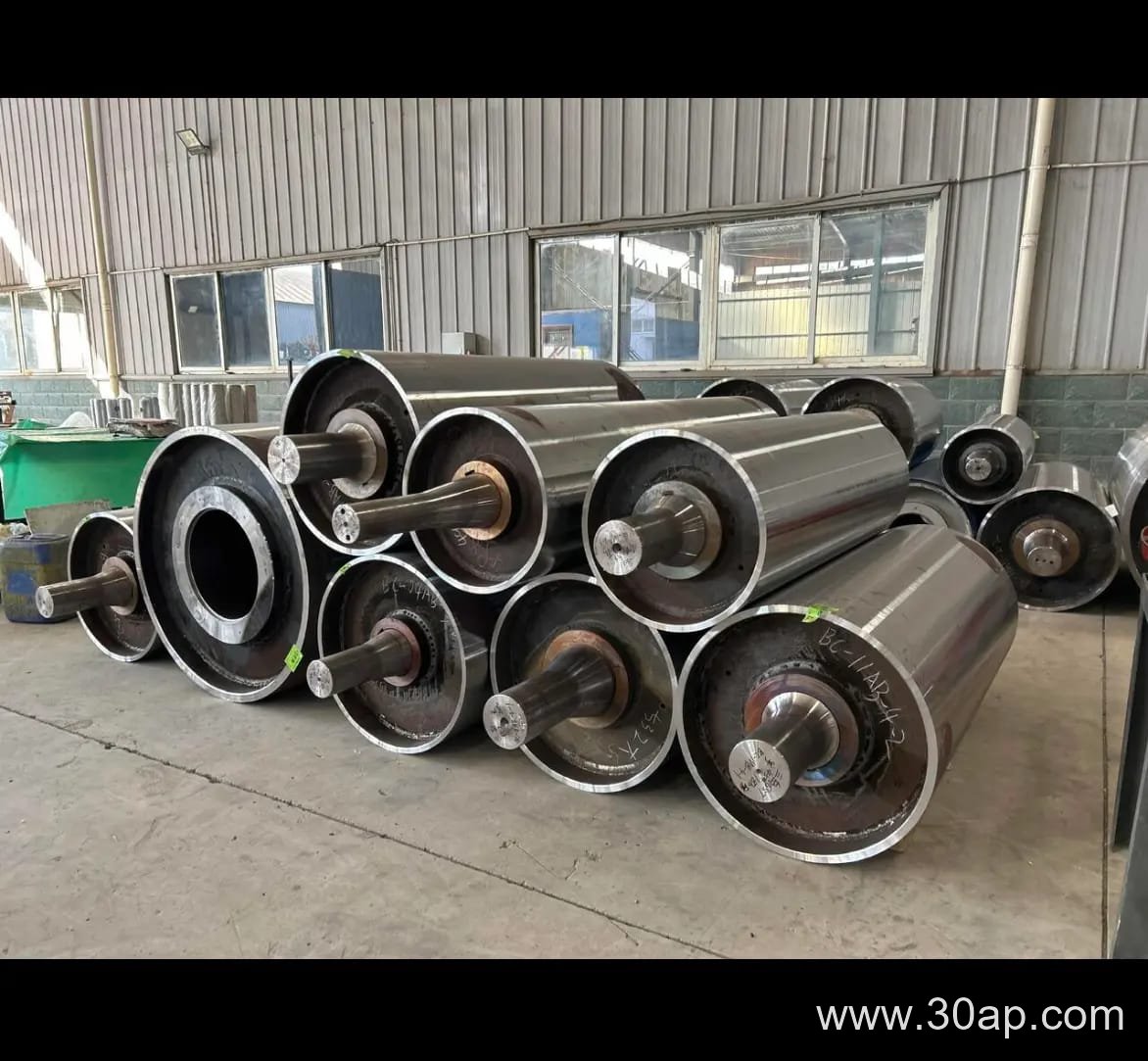
The shell is commonly made from steel tube or fabricated plate, machined at the ends to accept the shaft and hubs. Shaft diameter is selected by torque and load, not by belt width alone. Common shaft sizes include Ø50, Ø60, Ø70, Ø80, Ø90, Ø100, Ø120, Ø140, Ø160, Ø180, and Ø200 mm. Bearings may be plummer block or flanged types, with seals chosen for dusty or wet conditions. In a limestone quarry or a power plant coal handling system, dust and fines can enter the bearing area, so effective sealing matters.
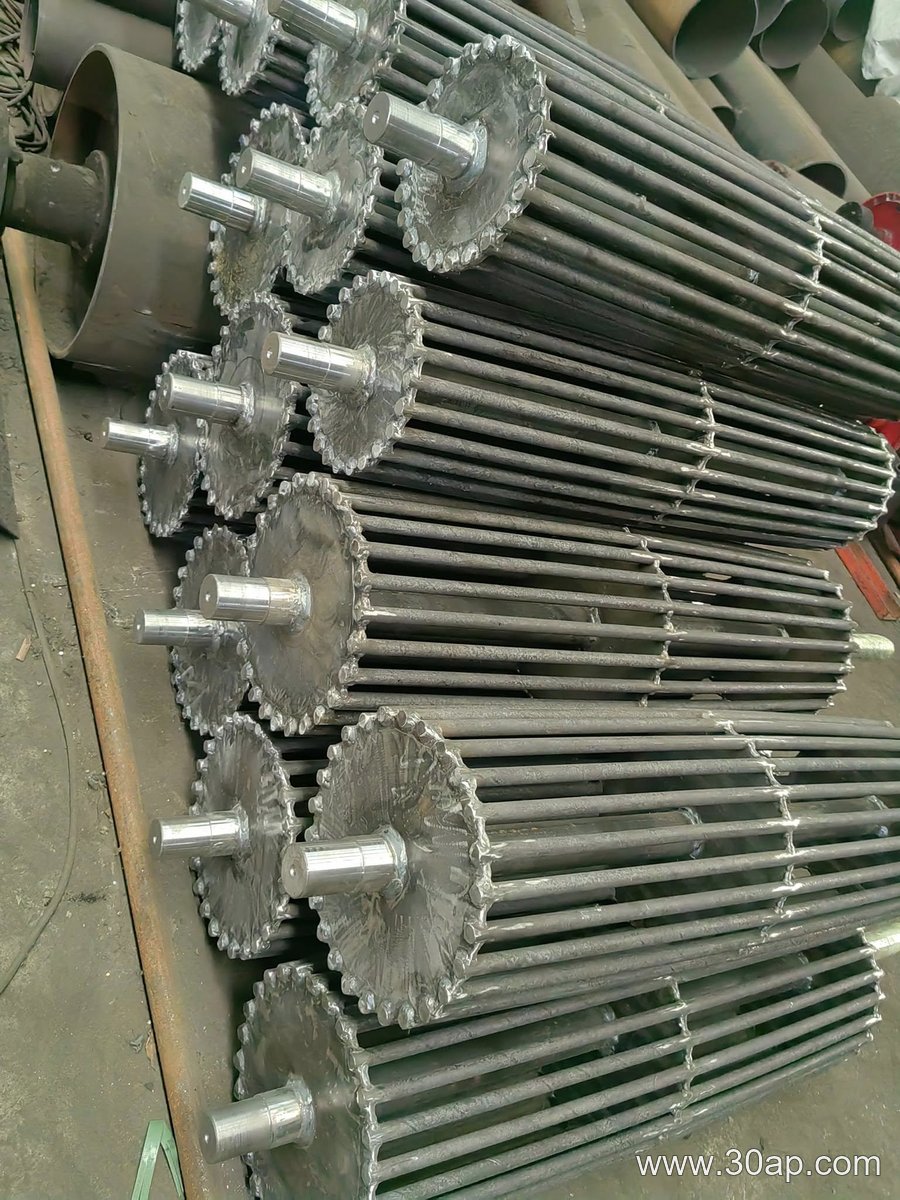
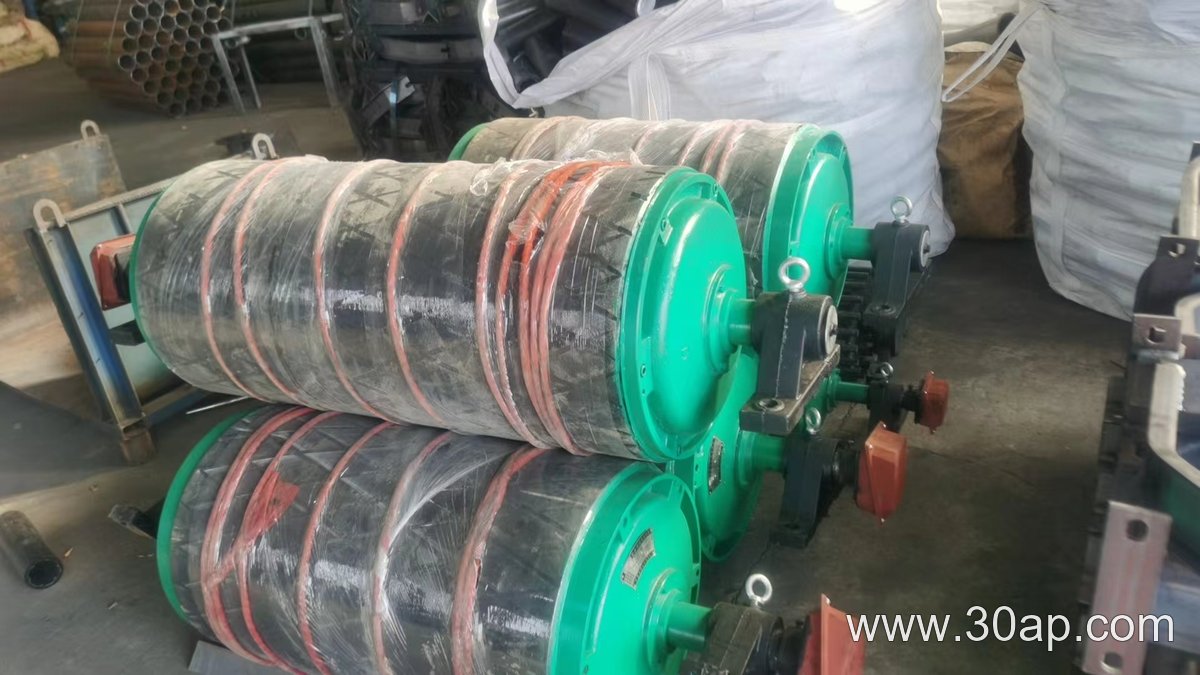
Surface form is another decision. A plain steel face is common for lighter duty. Rubber lagging can improve grip and protect the shell from abrasive material. Options include cold-bonded rubber, hot vulcanized rubber, diamond grooved lagging, herringbone lagging, ceramic lagging, and flat rubber. Lagging thickness often falls in the range of 8, 10, 12, 15, or 20 mm. In a tail position, heavy lagging is not always needed because the pulley is not the main driving point, but a lagged face can still help with belt training and wear resistance in a crushing or screening plant.
How It Fits With Belt Width and Pulley Diameter
Belt width and pulley diameter are related by the conveyor design, not by a fixed rule. A B800 belt may run with a Ø500 tail pulley in one system, while a B1200 belt could use a Ø1000 pulley in another. The face width of the pulley is usually wider than the belt. For example, a B400 belt often matches a face width near 500 mm, a B650 near 750 mm, a B1000 near 1150 mm, and a B1400 near 1600 mm. These are common references, not universal requirements. A buyer should confirm the actual belt width, pulley face, shaft size, and bearing centers with the conveyor design.
The table below shows typical reference combinations, but it is not a selection rule.
| Belt width | Common pulley face width | Example tail pulley diameter | Common shaft range |
|---|---|---|---|
| B400 | ≈500 mm | Ø200–Ø320 | Ø50–Ø70 |
| B650 | ≈750 mm | Ø315–Ø500 | Ø60–Ø90 |
| B800 | ≈950 mm | Ø400–Ø630 | Ø70–Ø100 |
| B1000 | ≈1150 mm | Ø500–Ø800 | Ø80–Ø120 |
| B1200 | ≈1400 mm | Ø630–Ø1000 | Ø90–Ø140 |
| B1400 | ≈1600 mm | Ø800–Ø1250 | Ø100–Ø160 |
These values are for reference only. A conveyor in a tunnel muck line or a fertilizer plant may use a different combination based on load, speed, and space.
Where It Is Used and What to Check Before Buying
Tail pulley assemblies appear in many bulk handling systems: coal mines, iron ore plants, aggregate crushing and screening lines, cement clinker circuits, port bulk terminals, and concrete batching plants. In each case, the assembly must handle the material environment. Abrasive rock dust, sticky clay, or fine powder can affect bearing life and belt tracking.
When specifying a replacement or a new unit, check the following points:
- Belt width and pulley face width must match the conveyor frame and belt path.
- Shaft diameter and bearing size should be based on torque, load, and take-up force.
- Lagging type and thickness should suit the material and the need for grip or wear protection.
- Mounting style must fit the existing conveyor bracket or tensioning frame.
- Sealing and bearing lubrication should match the site conditions.
- Confirm whether the assembly includes a tensioner, and whether it is screw type or gravity type.
A tail pulley assembly is not interchangeable with a drive pulley or a bend pulley. It has a specific role at the return end, and selecting it correctly helps the conveyor belt run straight, reduces spillage, and supports steady production in mines, quarries, and processing plants.