What a Sand and Gravel Conveyor Idler Does
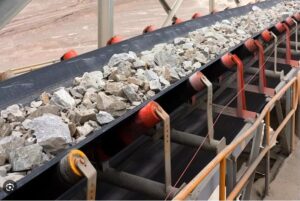
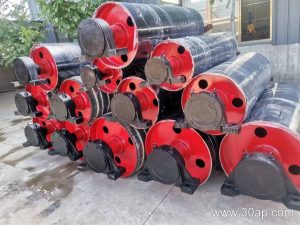
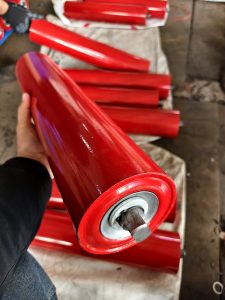
A sand and gravel conveyor idler is the rotating roller assembly that supports and guides the conveyor belt along the carrying and return runs. In pits, quarries, crushing circuits and concrete batching plants, these idlers keep the belt tracking smoothly while handling abrasive aggregate, wet sand and occasional oversize lumps. The same product is often called a belt conveyor roller or troughing roller, but the duty here is specific: moving loose stone and sand without excessive spillage or belt edge damage.
How the Idler Is Built
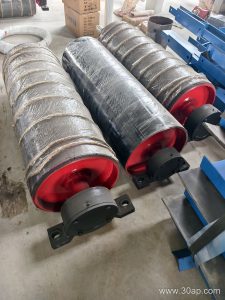
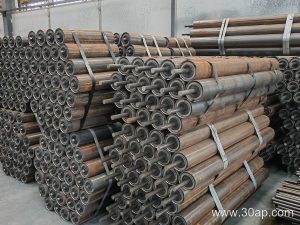
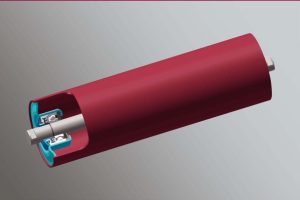
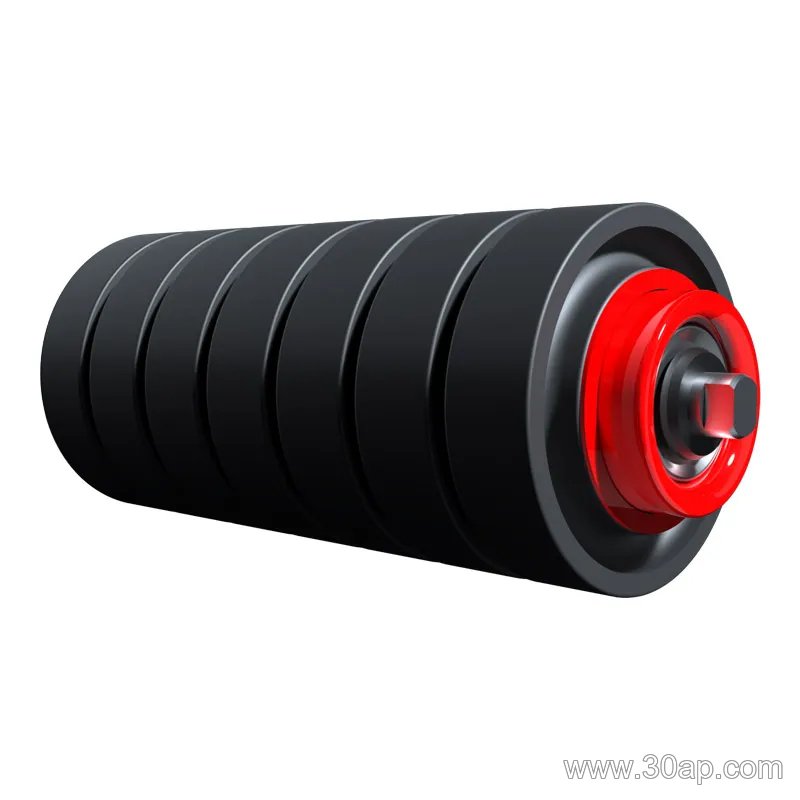
The basic structure includes a steel tube shell, a shaft, bearing housings and a sealing arrangement. The shell is usually a seam-welded steel pipe; for abrasive sand and gravel service, the surface may be left as plain steel or fitted with rubber rings. Bearings are typically deep-groove ball bearings such as 6204, 6205, 6305, 6306, 6308, 6310, with labyrinth or contact seals protecting them from fine dust and water. The shaft ends sit in a conveyor bracket or frame, and the whole assembly rotates freely under the loaded belt.
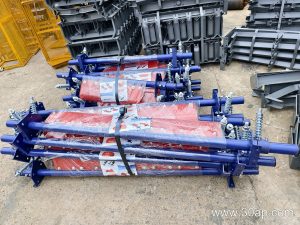
For a troughing station, the idler set may be single-roll, two-roll or three-roll. The trough angle is commonly 20, 30, 35 or 45 degrees, and a slight forward tilt of about 1.5 to 2 degrees is sometimes used on training idlers to help centering. Roller length changes with belt width and trough form. As a reference, common three-roll examples include approximately 200 mm roll for B500, 250 mm for B650, 315 mm for B800, 380 mm for B1000, 465 mm for B1200, 530 mm for B1400, 600 mm for B1600, 670 mm for B1800 and 750 mm for B2000. These are examples, not fixed pairings; side rolls and center rolls can differ, and the final dimensions should follow the conveyor design.
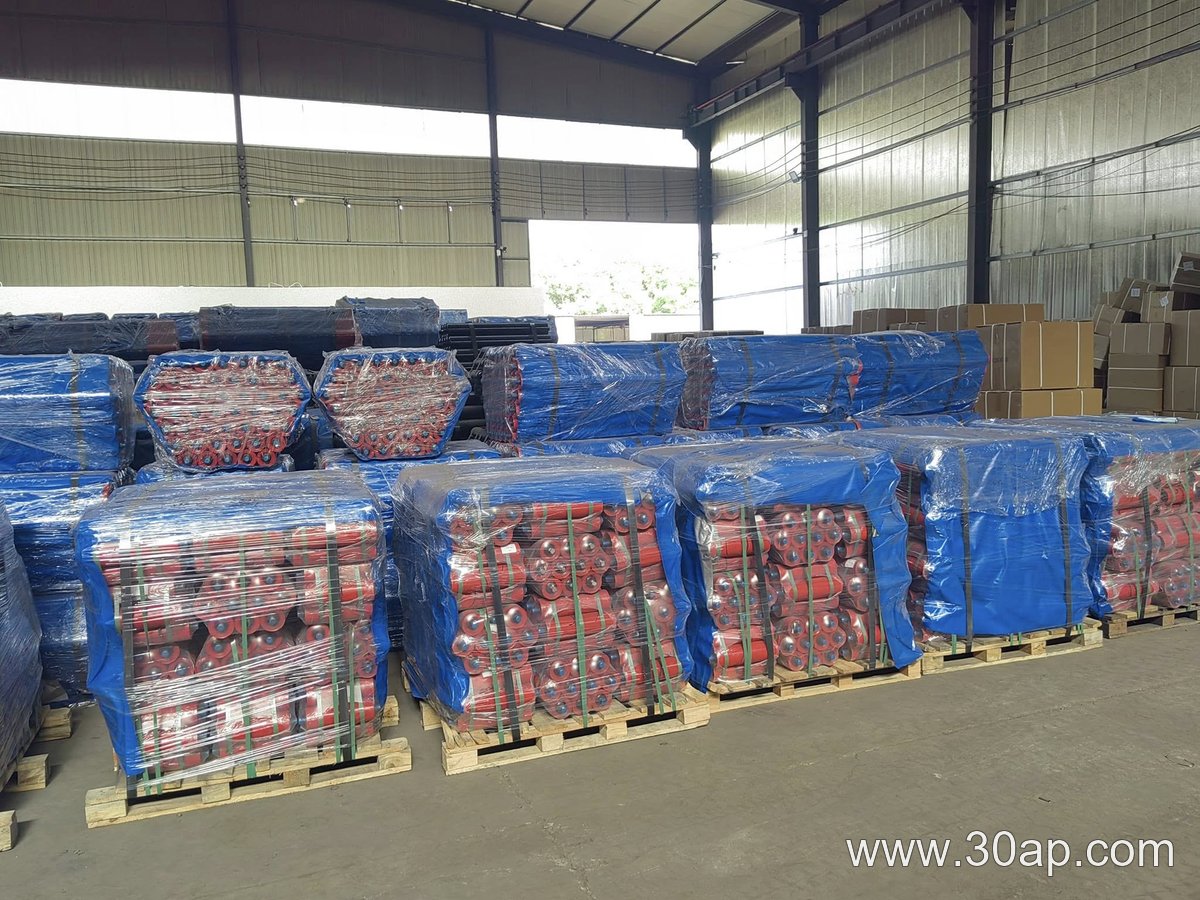
Where It Fits on the Conveyor
On the carrying side, troughing idlers shape the belt into a trough so material stays centered. On the return side, flat or V-return idlers support the empty belt. Impact idlers or rubber-ring impact rollers are placed under the loading chute to absorb the fall of crushed stone. Spiral or helical rollers are sometimes used where sticky material tends to build up on the shell. Self-aligning idlers, including friction and tapered types, correct minor belt drift on long overland or curved sections.
These components appear across many industries: limestone and iron ore mines, coal preparation plants, cement works, power station coal handling, port stockyards, steel sinter lines and sand and gravel plants. A single conveyor may use several hundred idlers, so small differences in bearing quality and seal effectiveness add up quickly in maintenance cost.
Key Parameters to Check Before Buying
Buyers should match the idler to the belt width, trough angle, load and environment rather than assuming one size fits every line. Useful reference data includes:
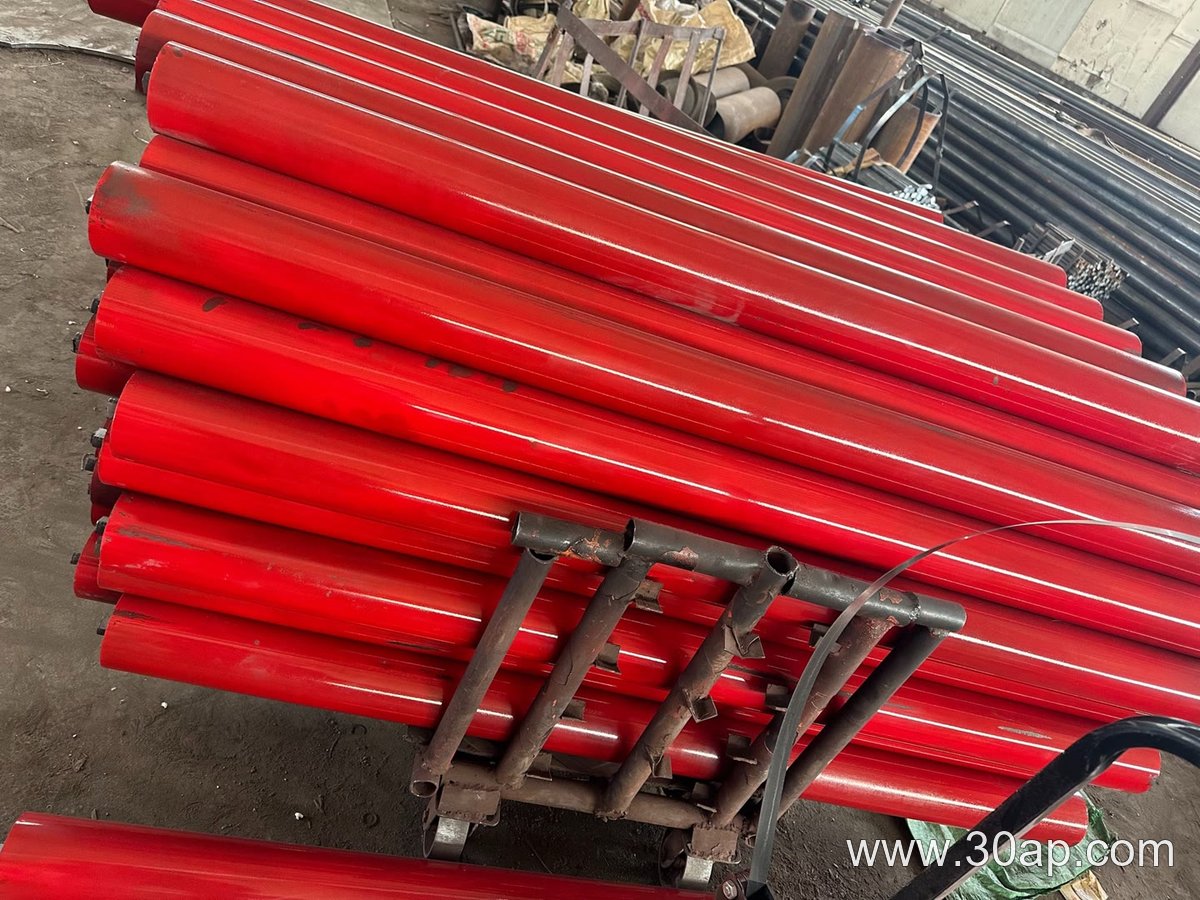
- Roller diameter: Ø63, Ø76, Ø89, Ø102, Ø108, Ø127, Ø133, Ø159, Ø178, Ø194, Ø219.
- Belt width: B400, B500, B650, B800, B1000, B1200, B1400, B1600, B1800, B2000, B2200, B2400.
- Trough angle: 20, 30, 35 or 45 degrees.
- Roller surface: steel tube, nylon, ceramic or rubber rings.
- Bearing size: 6204, 6205, 6305, 6306, 6308, 6310 are common choices.
Do not assume a fixed shaft diameter from belt width alone, and do not treat one belt width as locked to one pulley diameter. The conveyor pulley, drive pulley, tail pulley and bend pulley all have their own sizing rules. The idler is a separate wear part, and its shaft, bearing and seal should be selected from the actual load, speed and dust conditions.
Selection and Maintenance Notes
For abrasive sand and gravel, consider a thicker tube wall and effective labyrinth sealing. Rubber-ring impact idlers help at transfer points, while return rollers should resist material carryback. Good alignment of the conveyor bracket and frame reduces premature bearing failure. During maintenance, check for seized rollers, worn shells, damaged seals and material buildup. Replacing a failed idler early protects the conveyor belt and avoids downtime in the crushing or screening circuit.