What a 1500mm Conveyor Belt Is
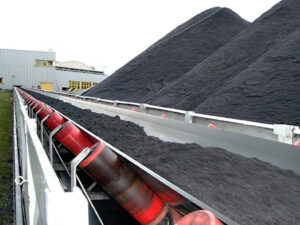
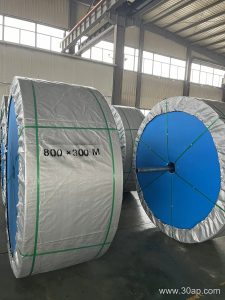
A 1500mm conveyor belt is a wide-format rubber belt designed for bulk material transport in demanding industries such as mining, coal preparation, cement plants, power stations, and sand and gravel yards. The 1500mm figure refers to the belt width, also written as B1500 in many technical documents. This is not a small package-handling belt; it is a heavy-duty conveyor belt intended to move large volumes of crushed ore, clinker, limestone, coal, or aggregate over long distances. When a conveyor system is built around this width, the belt, idler roller, conveyor pulley, and conveyor bracket must all be selected as a coordinated set rather than as isolated parts.
Construction and Common Specifications
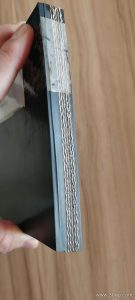
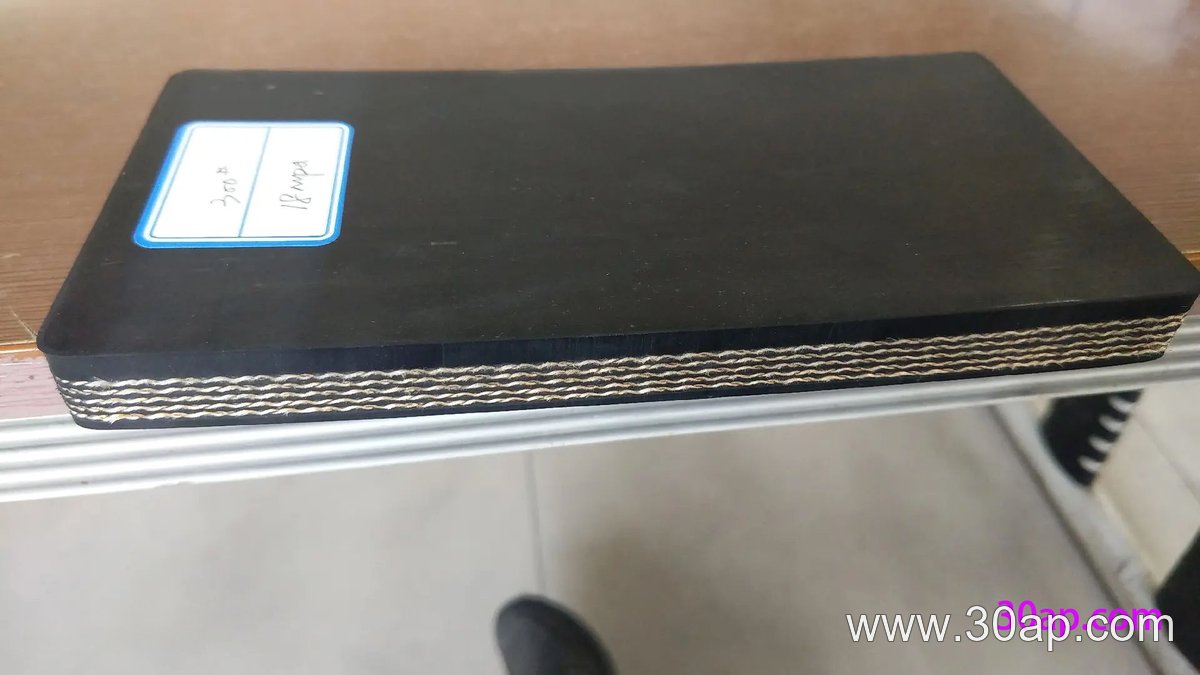
The belt body usually combines a carcass and rubber covers. The carcass provides tensile strength and resistance to stretching, while the covers protect against abrasion, impact, heat, oil, or chemicals. For a 1500mm conveyor belt, common carcass types include EP fabric, NN nylon, and steel cord. Steel cord construction is often chosen for very long overland conveyors or high-tension applications. Fabric types such as EP200, EP315, EP400, EP500, EP630, EP800, EP1000, EP1250, EP1600, and EP2000 are frequently referenced, but the final choice depends on the conveyor design, load, and safety factor. Cover thickness is usually stated as top cover plus bottom cover, for example 4+2 mm, 5+2 mm, 6+2 mm, or 8+3 mm. A 1500mm wide belt may use 2 to 6 fabric plies, again according to the engineering calculation.
| Parameter | Common Range or Example |
|---|---|
| Belt width | 1500 mm (B1500) |
| Fabric strength grades | EP200, EP315, EP400, EP500, EP630, EP800, EP1000, EP1250, EP1600, EP2000 |
| Cover thickness | 3+1.5 mm, 4+2 mm, 5+2 mm, 6+2 mm, 8+3 mm |
| Carcass plies | 2 to 6 layers, depending on design |
| Special properties | wear-resistant, heat-resistant, oil-resistant, flame-retardant, antistatic, cold-resistant, acid and alkali resistant |
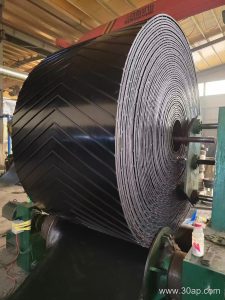
| Surface forms | smooth, patterned, chevron, corrugated sidewall |
Where This Width Is Used
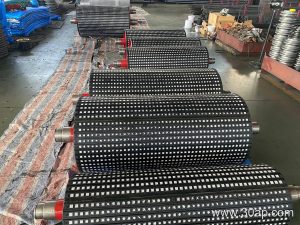
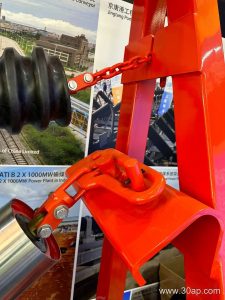
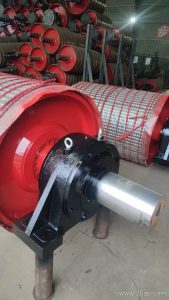
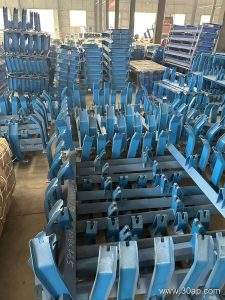
A 1500mm conveyor belt typically appears in primary crushing circuits, stockyard conveyors, and long-distance transport lines where a narrower belt would require higher speed or multiple lines. In a coal mine, it may carry run-of-mine coal to a screening station. In a cement plant, it can move limestone, clay, or clinker. In a power plant, it often feeds coal to the boiler bunker. Sand and gravel plants use this width for high-capacity aggregate transfer. Because the belt is wide, the supporting structure must be robust. The idler roller spacing, conveyor pulley diameter, and conveyor bracket dimensions are matched to the belt width and the load per meter. Drive pulleys, tail pulleys, and bend pulleys each have different functions, so they are not interchangeable. A bend pulley, for example, changes the belt direction, while a drive pulley transmits power.
Selection and Buyer Checklist
Buyers should begin with the material to be conveyed: lump size, bulk density, temperature, moisture, and chemical exposure. These factors guide the cover compound and carcass type. Next, confirm the belt width and the conveyor’s rated capacity. The 1500mm width is a starting point, not a guarantee that any 1500mm belt will fit every system. The pulley face width, idler roller length, and bracket spacing must match the belt. A common mistake is to order a wide belt without checking the troughing angle and transition distance. Another is to assume that one belt width corresponds to one pulley diameter; in practice, the pulley diameter is determined by tension, belt type, and splice requirements. For maintenance, keep the belt centered, inspect the idler roller for seizure, check the conveyor pulley lagging, and verify that the conveyor bracket is not cracked or misaligned. Store spare belts away from sunlight, ozone, and oils. When replacing a belt, record the original strength grade, cover thickness, and surface pattern so the new 1500mm conveyor belt matches the duty. For abrasive sand and gravel, a wear-resistant cover is common. For coal handling, flame-retardant and antistatic properties are often specified. For hot clinker, a heat-resistant grade is needed. These are application choices, not universal rules.
Installation and Splicing Notes
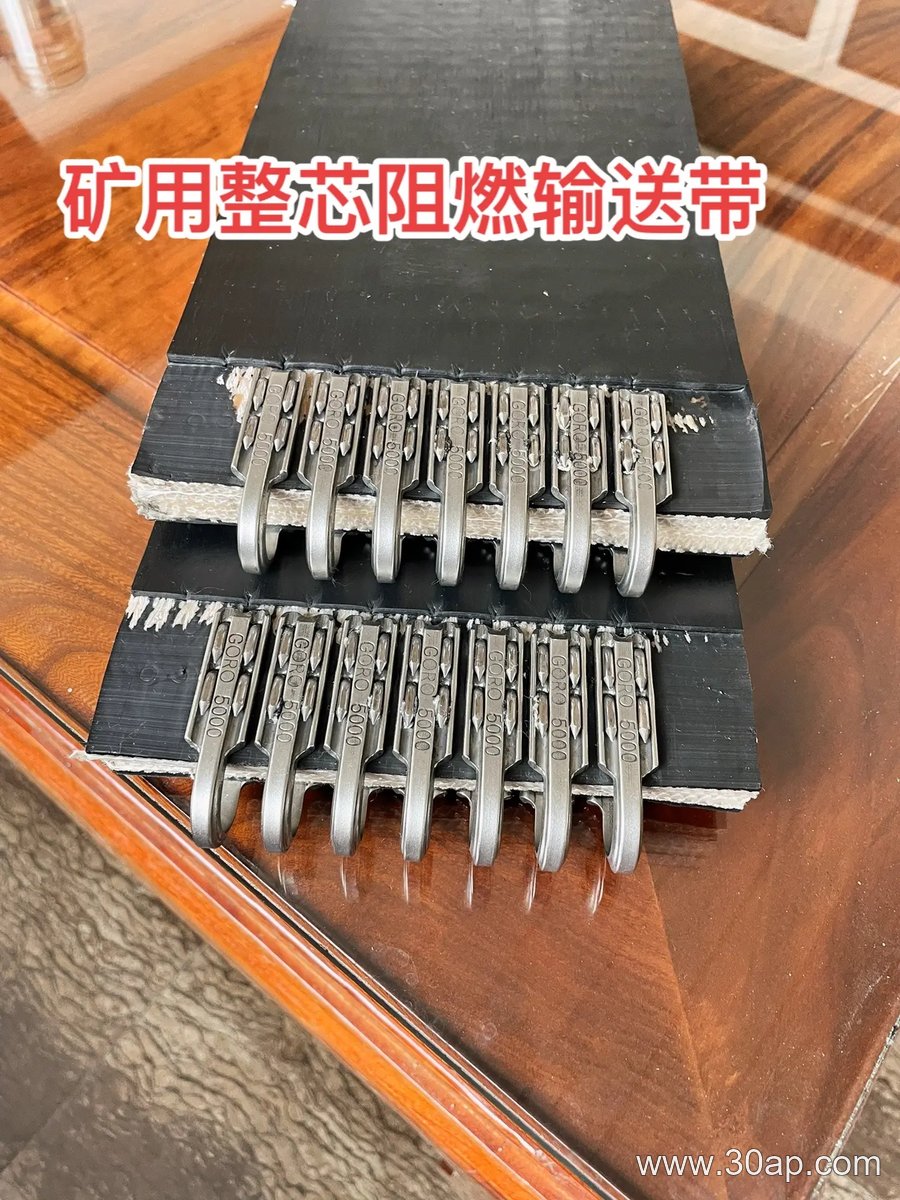
A 1500mm belt is heavy and stiff, so mechanical splicing or vulcanized splicing must be planned before installation. The splice length and method depend on the carcass and the manufacturer’s instructions. During installation, support the belt with a temporary frame and use a winch to pull it evenly. Avoid sharp bends that can damage the edges. After splicing, run the conveyor empty for several cycles, then check tracking, pulley alignment, and idler roller rotation. If the belt runs off-center, adjust the conveyor bracket or the take-up system rather than forcing the belt. In cold climates, a cold-resistant belt may be needed to prevent cracking. In dusty coal or cement plants, antistatic properties help reduce static buildup. Always follow the conveyor designer’s specification for belt width, strength, and cover grade. The 1500mm size is one of several standard widths, and it should be selected only when the capacity, material, and structure justify it.