What EP1250 Conveyor Belt Means in Practice
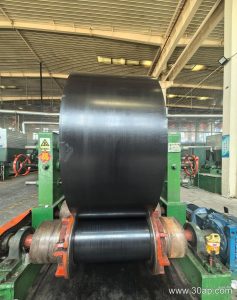
An EP1250 conveyor belt is a polyester-cotton fabric-reinforced rubber belt with a nominal tensile strength of 1250 N/mm. The “EP” stands for the warp polyester and weft polyamide (nylon) carcass, a construction that balances low stretch under load with good troughability. When buyers ask for an EP1250 belt, they are usually specifying a heavy-duty rubber conveyor belt for primary or secondary haulage where the belt must resist impact, abrasion, and continuous flexing. The same product is often described as a 1250 N/mm polyester conveyor belt or simply an EP1250 belt, but the core identity remains the same: a multi-ply fabric belt with a defined strength class.
This article outlines how the belt is built, where it fits, and what to check before ordering. All figures are common reference values; actual supply depends on the manufacturer and the specific application.
Construction and Material Layers
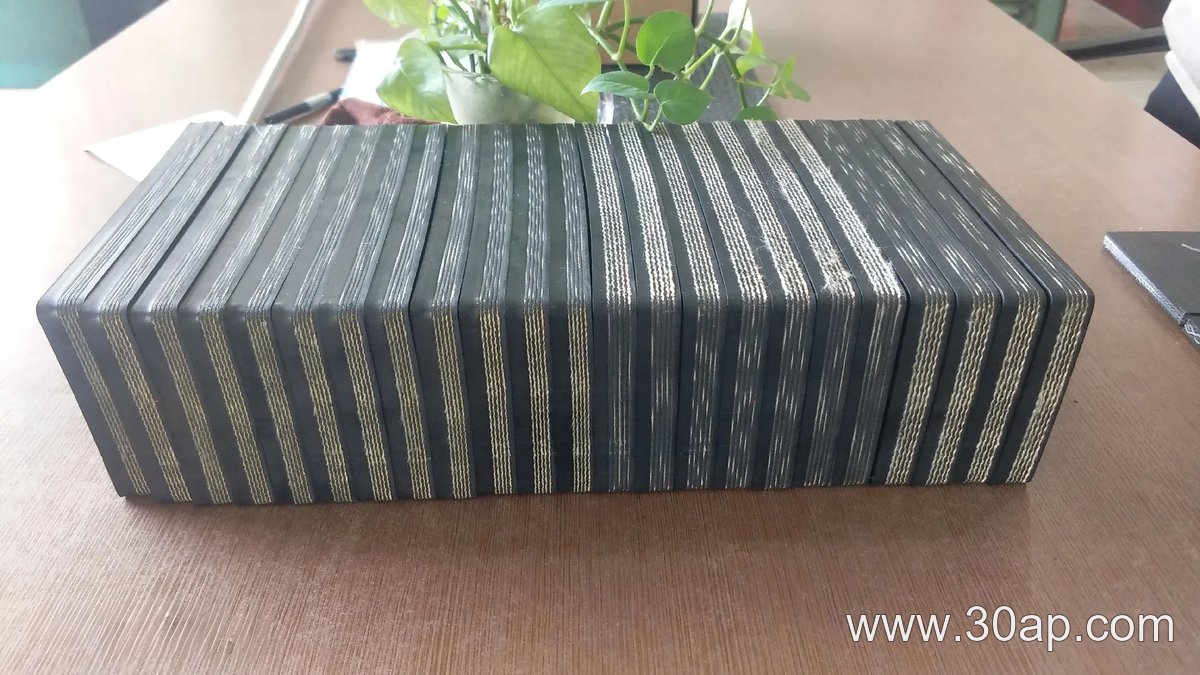
A typical EP1250 belt uses 2 to 6 plies of EP fabric, depending on the required strength and the pulley diameters in the conveyor layout. The carcass is sandwiched between top and bottom rubber covers. Common cover combinations include 4+2 mm, 5+2 mm, 6+2 mm, and 8+3 mm, though thinner or thicker covers are available for specific wear profiles. The rubber compound can be selected for abrasion resistance, heat resistance, oil resistance, flame retardancy, antistatic behaviour, or cold flexibility.
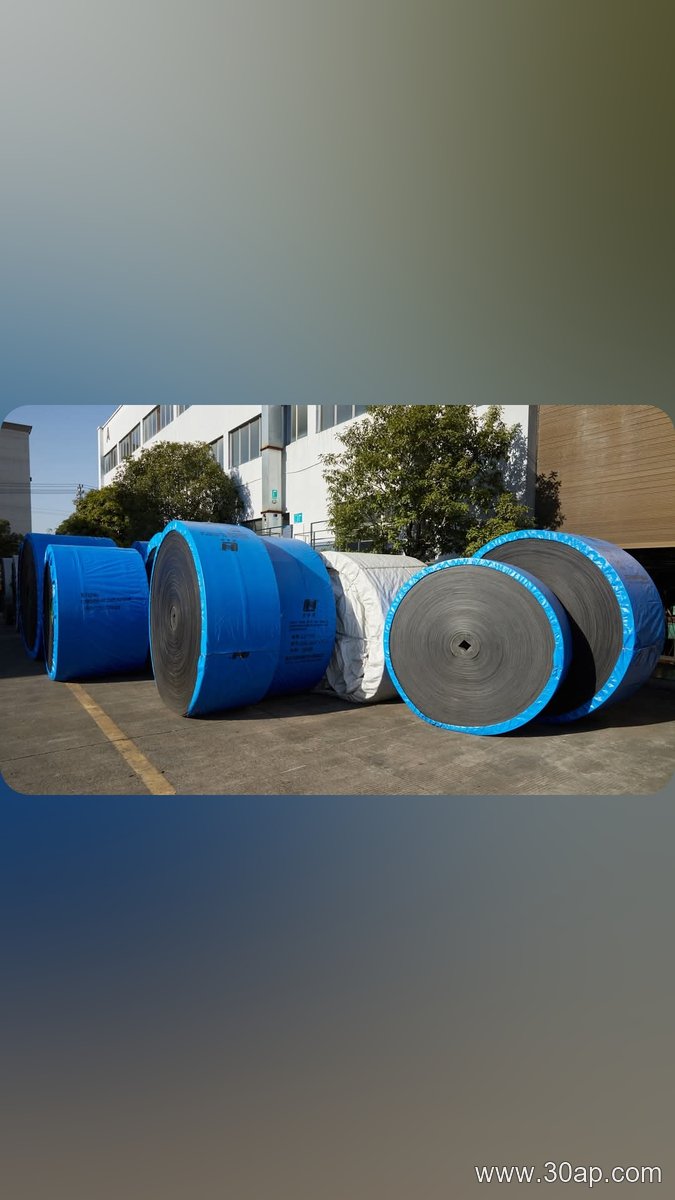
Edge construction matters in high-tension systems. Cut edges are standard for many EP belts, while moulded edges can reduce the risk of carcass exposure in abrasive service. The belt width usually follows the conveyor design, with common widths such as B650, B800, B1000, B1200, B1400, and B1600. A wider belt is not automatically better; it must match the load, the idler roller spacing, and the conveyor pulley dimensions.
Where EP1250 Belts Are Used
This strength class appears in mines, coal preparation plants, cement works, power stations, and sand and gravel yards. It suits main haulage conveyors, stackers, reclaimers, and transfer points where the belt carries lumpy or abrasive material. In a cement plant, an EP1250 belt may feed clinker or limestone; in a coal mine, it may run on a drift conveyor or a panel belt. The belt also works in port handling and bulk terminals when the duty is heavy but not extreme enough to require a steel cord belt.
For comparison, a steel cord conveyor belt is often chosen for very long, high-tension overland systems, while an EP1250 belt remains a practical choice for many in-plant and medium-distance conveyors. It can run over standard conveyor pulleys, troughing idler rollers, and return rollers without the special splicing or pulley size demands of steel cord construction.
Key Specifications at a Glance
The table below lists common reference data. These are not fixed combinations, and no single belt width is tied to one pulley diameter or shaft size.
| Property | Common range or example |
|---|---|
| Strength class | EP1250 (1250 N/mm) |
| Fabric plies | 2 to 6 |
| Belt width | B650, B800, B1000, B1200, B1400, B1600 |
| Top cover thickness | 3 mm to 8 mm |
| Bottom cover thickness | 1.5 mm to 3 mm |
| Cover grade options | abrasion resistant, heat resistant, oil resistant, flame retardant, antistatic, cold resistant, acid and alkali resistant |
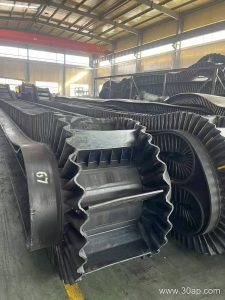
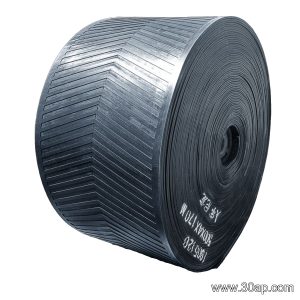
| Surface forms | smooth, patterned, chevron, corrugated sidewall |
Other EP strength classes exist, such as EP200, EP315, EP400, EP500, EP630, EP800, EP1000, EP1600, and EP2000. EP1250 sits in the middle-to-heavy range and is often selected when a lighter EP800 or EP1000 belt would be marginal but a steel cord belt would be unnecessarily expensive.
Selection and Maintenance Notes for Buyers
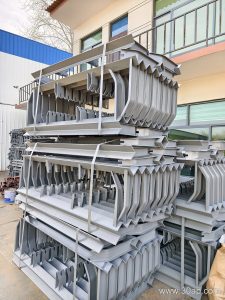
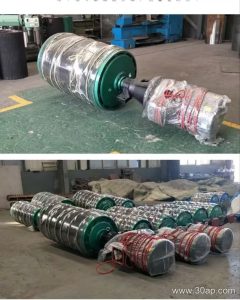
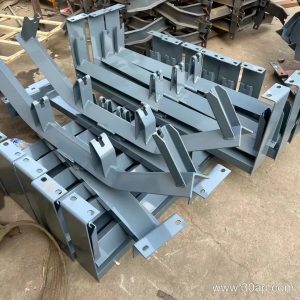
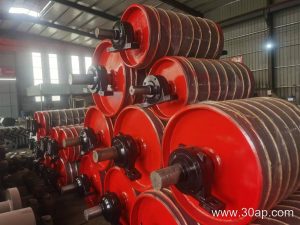
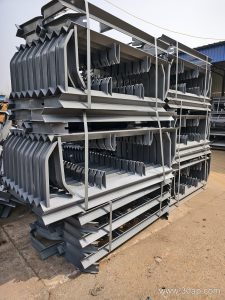
Before ordering an EP1250 conveyor belt, confirm the actual tension, the material lump size, the loading impact, and the ambient conditions. The belt should be matched to the drive pulley, tail pulley, and bend pulley diameters recommended by the conveyor designer. Do not assume that a given belt width automatically determines a pulley diameter or a shaft size; these are separate engineering decisions. The idler roller spacing and the conveyor bracket arrangement also affect belt life.
- Check the cover grade against the material: abrasive stone calls for a wear-resistant cover, hot clinker calls for heat-resistant rubber, and coal dust may require flame retardant and antistatic properties.
- Verify the splice method. EP belts are commonly spliced with hot vulcanisation or mechanical fasteners, depending on the application and the available downtime.
- Inspect the conveyor pulley lagging, the idler roller condition, and the alignment of the conveyor bracket to avoid edge damage and mistracking.
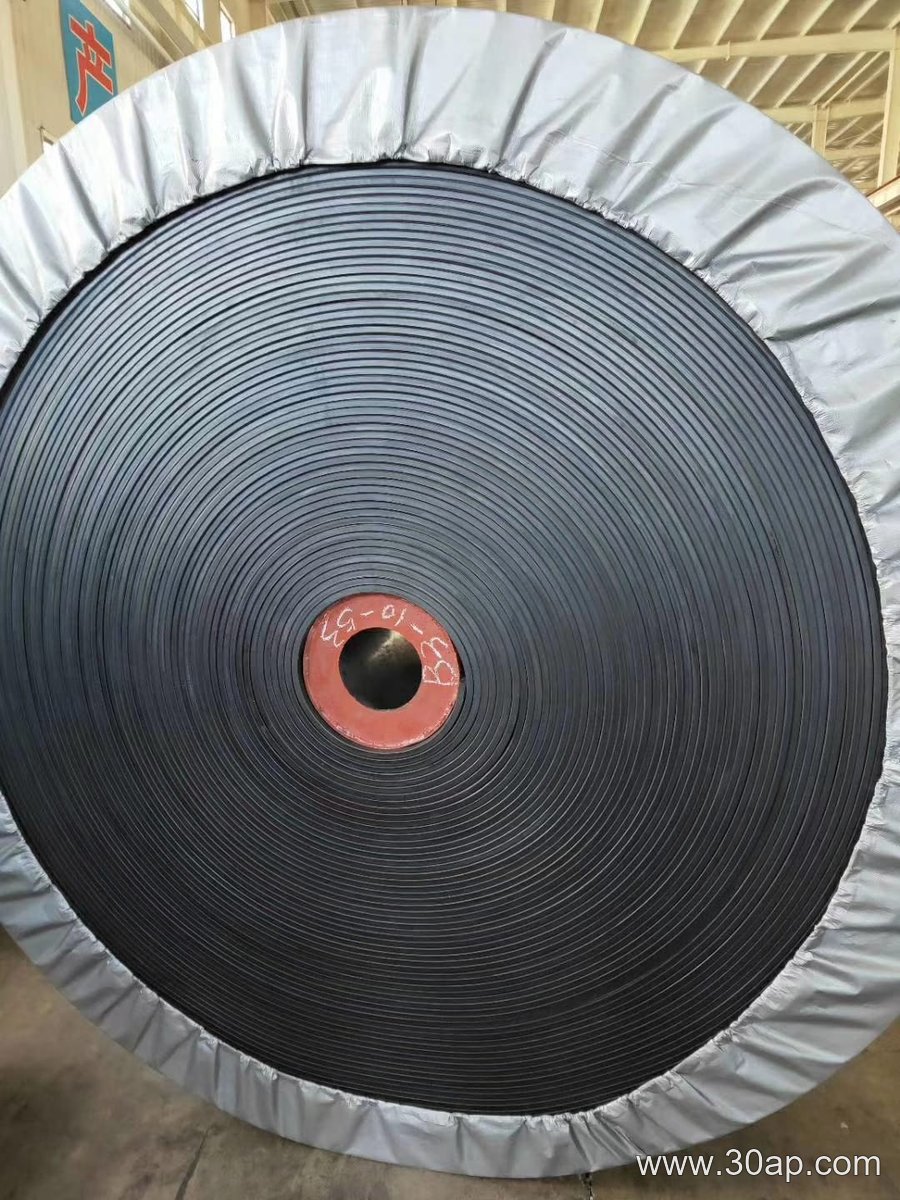
- Store the belt in a dry, shaded area and avoid sharp bends or heavy loads on the roll.
An EP1250 belt is not a universal solution, but it covers a wide band of bulk handling duties in mining, cement, power, and aggregate industries. The right choice comes from matching the belt construction to the conveyor design, the material, and the operating environment.