What a Ceramic Lagged Pulley Does
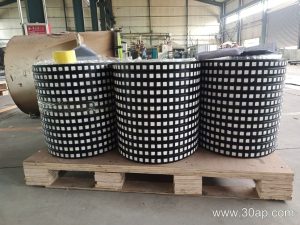
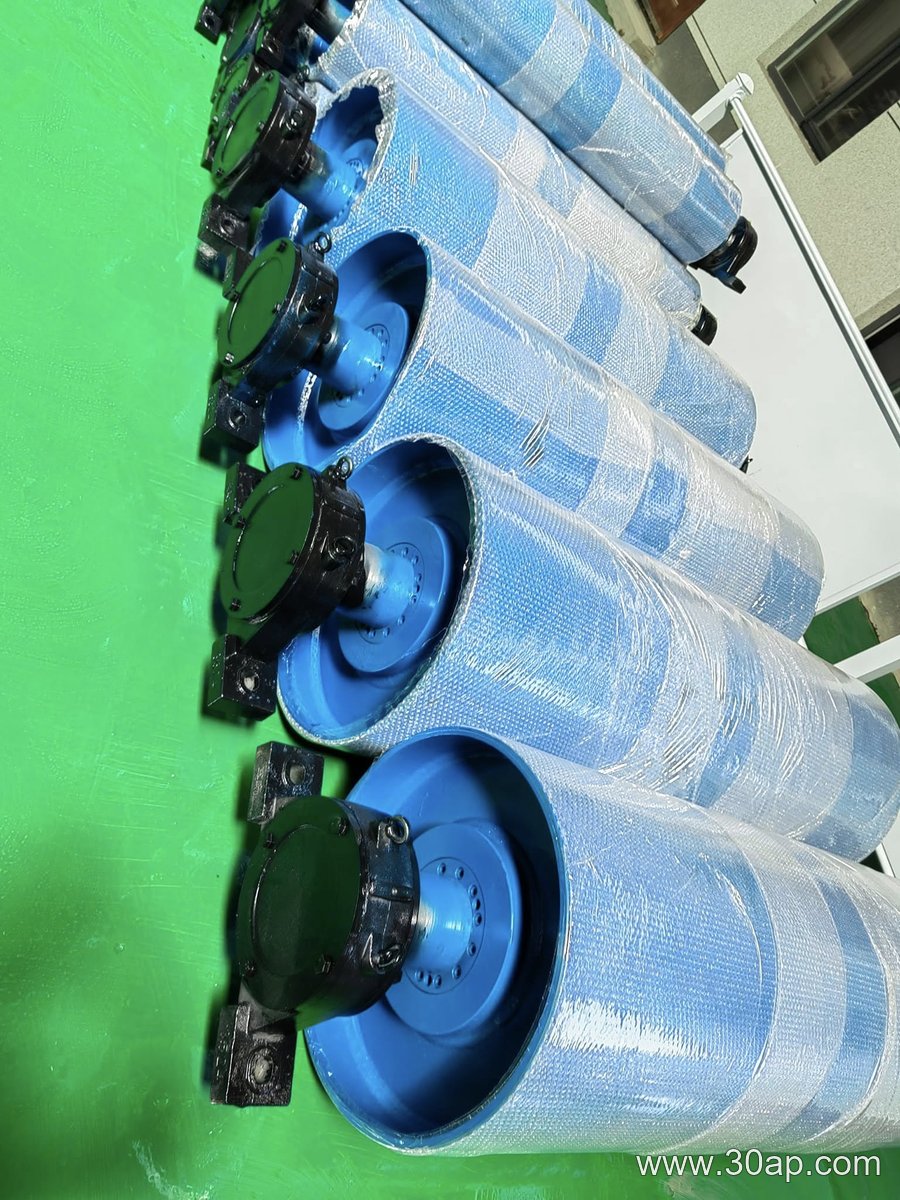
A ceramic lagged pulley is a conveyor pulley whose outer surface is covered with rubber that contains embedded ceramic tiles. This composite layer is applied to the drum, usually on a drive pulley, to increase friction between the pulley face and the conveyor belt. In a quarry, cement plant, or coal handling system, belt slip is costly and dangerous. The ceramic studs bite into the belt cover without cutting it, while the rubber absorbs shock and vibration. Because the ceramic tiles protrude slightly above the rubber, water, fine dust, and mud are pushed away from the contact zone. That is why this surface is often chosen for wet or oily conditions where plain rubber would lose grip. It is not a substitute for a tail pulley or a bend pulley; those serve different positions in the conveyor. The ceramic lagged pulley is specifically a drive or head pulley solution, though it can also appear on tension pulleys when high traction is needed.
Construction and Surface Details
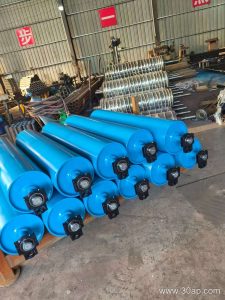
The build starts with a steel drum, typically machined from pipe or plate, with end discs and a shaft. A bonding layer is applied, then a rubber sheet with ceramic tiles is vulcanized or cold‑bonded to the shell. Common lagging thicknesses are 8 mm, 10 mm, 12 mm, 15 mm, and 20 mm. The ceramic tiles usually come in a dimpled or flat shape, and the rubber can be plain, diamond, or herringbone. For a ceramic lagged pulley, the ceramic pattern is the key feature. Shaft diameters are determined by torque and load, not by belt width alone. Typical shaft sizes include Ø50, Ø60, Ø70, Ø80, Ø90, Ø100, Ø120, Ø140, Ø160, Ø180, and Ø200 mm. The shell face width is normally slightly wider than the belt. For example, a B800 belt often uses a face width around 950 mm, and a B1200 belt around 1400 mm. These are reference ranges, not fixed rules. A B1200 × Ø1000 or B800 × Ø500 combination is possible, but the diameter must be calculated from the required tension, wrap angle, and belt speed.
| Belt width | Typical face width | Common pulley diameter range |
|---|---|---|
| B400 | approx. 500 mm | Ø200 – Ø315 |
| B650 | approx. 750 mm | Ø250 – Ø400 |
| B800 | approx. 950 mm | Ø315 – Ø500 |
| B1000 | approx. 1150 mm | Ø400 – Ø630 |
| B1200 | approx. 1400 mm | Ø500 – Ø800 |
| B1400 | approx. 1600 mm | Ø630 – Ø1000 |
| B1600 | approx. 1800 mm | Ø800 – Ø1250 |
Do not assume one belt width matches only one pulley diameter. The diameter also depends on the conveyor layout and the required belt wrap.
Where It Fits in the Conveyor
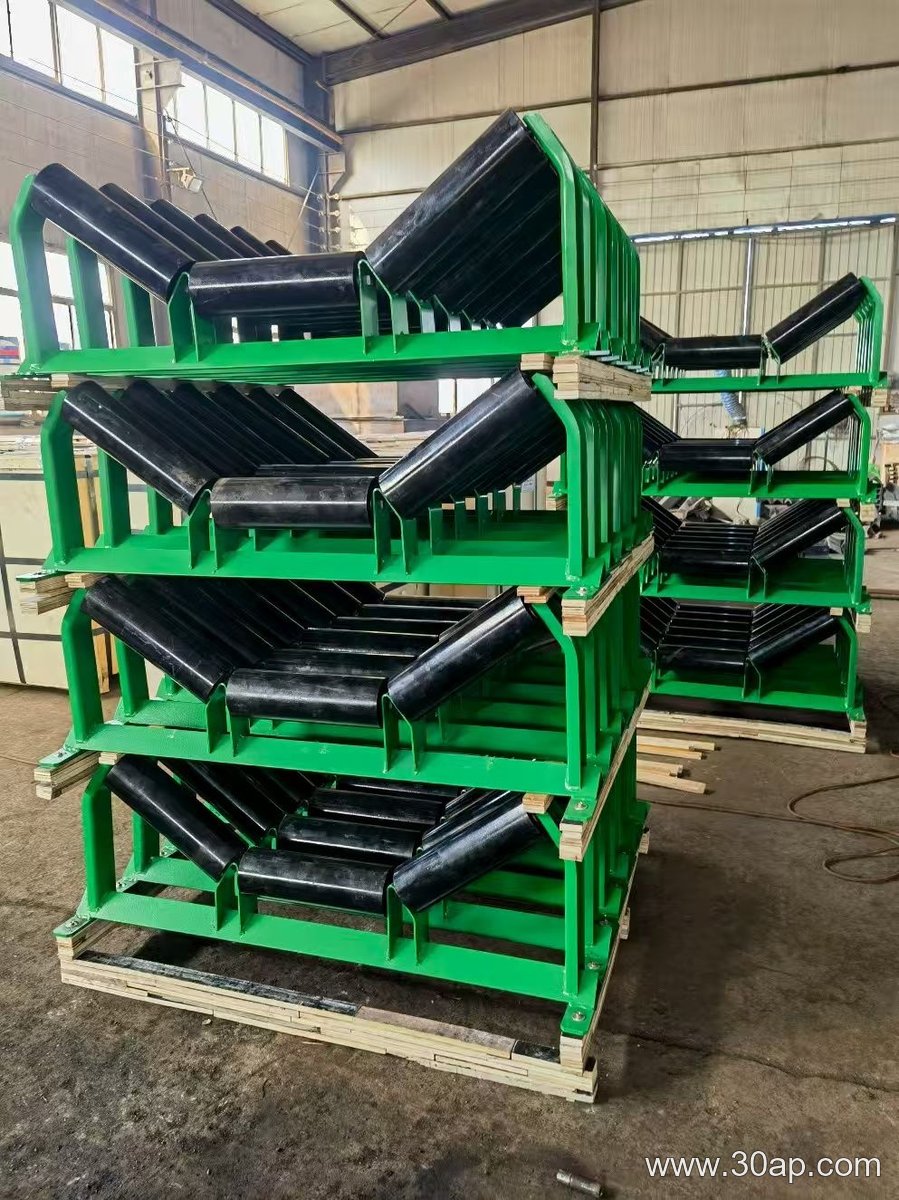
Ceramic lagging is most common on the drive pulley at the head of a conveyor. In a sand and gravel line, a coal yard, or a limestone crushing circuit, the drive pulley must transmit high torque without slipping. The ceramic surface also helps when the belt is wet from rain or washdown. A ceramic lagged pulley can be used as a tension pulley at the take‑up, but that is a different duty than a drive pulley. It is not a replacement for a bend pulley, which only changes direction. When comparing with a plain rubber lagged pulley, the ceramic version offers better grip in wet conditions but costs more and may be noisier. A diamond rubber lagging is often a middle option for dry, clean service. For a conveyor belt carrying abrasive material, the ceramic tiles wear longer than rubber alone, but the belt cover must be strong enough to resist the point pressure from the ceramic studs.
What a Buyer Should Check
- Confirm the pulley position: drive, tail, bend, or tension. The ceramic lagged pulley is mainly a drive pulley item.
- Specify the belt width and required face width. A B650 belt usually needs around 750 mm face, while a B1000 belt needs around 1150 mm.
- State the lagging thickness and ceramic pattern. 10 mm or 12 mm rubber with ceramic tiles is common for medium duty.
- Provide the shaft diameter based on torque, not just belt width. Ø80, Ø100, and Ø120 mm shafts are common, but larger drives may need Ø160 or Ø200 mm.
- Mention the environment: washdown, dust, oil, or fine slurry. Ceramic lagging performs best where water would otherwise cause slip.
- Check that the conveyor bracket and idler roller alignment are correct; poor alignment reduces the benefit of any lagging.
If you are replacing a worn pulley, measure the existing shaft, keyway, and bearing centers. Do not order by belt width alone. A ceramic lagged pulley is a wear part, so keep a spare if the conveyor runs continuously in a cement plant or power station coal feed. With the right diameter, lagging thickness, and ceramic pattern, it can extend the interval between belt slip incidents and reduce downtime.