What a Conveyor Equipment Pulley Does on the Line
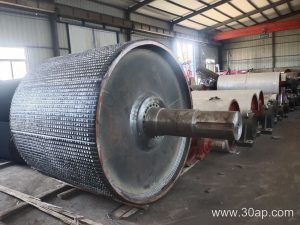
A conveyor equipment pulley is the rotating drum that carries the conveyor belt, transmits torque, and keeps the belt tracking through the head, tail, and bend sections. In a quarry, a coal preparation plant, or a cement clinker line, the same basic component appears under different names depending on its duty. The drive pulley, also called the head or drive drum, turns under power and moves the belt. The tail pulley sits at the return end and often includes a tensioning function. The bend pulley changes belt direction without driving the belt. These three roles are not interchangeable, and a buyer should never treat one as a simple substitute for another.
How the Pulley Is Built
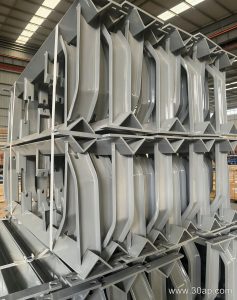
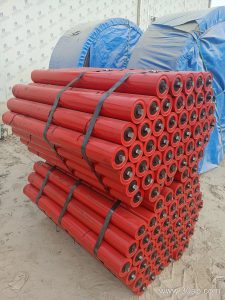
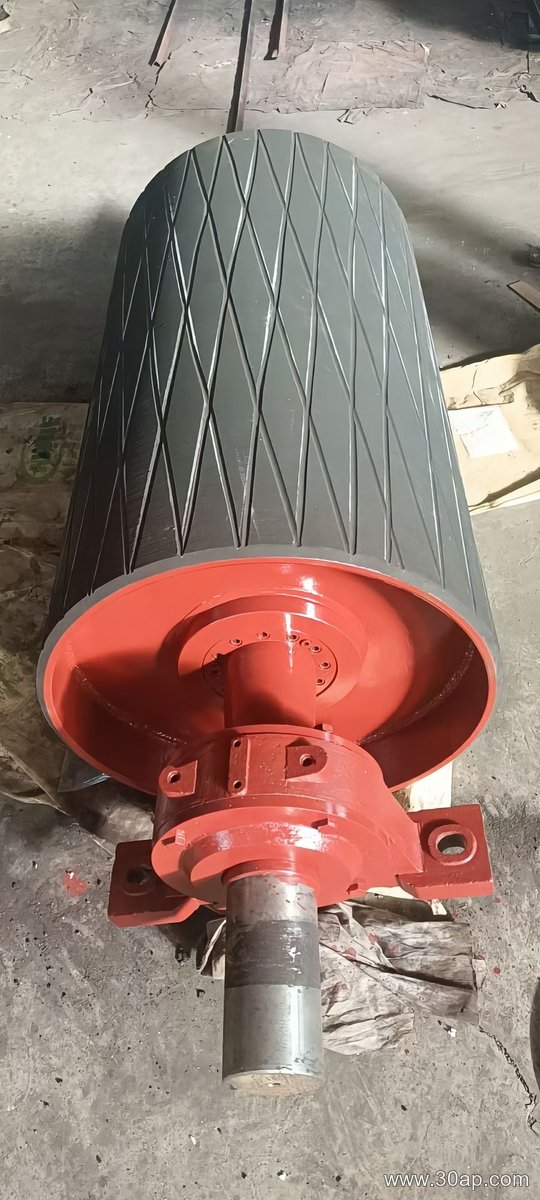
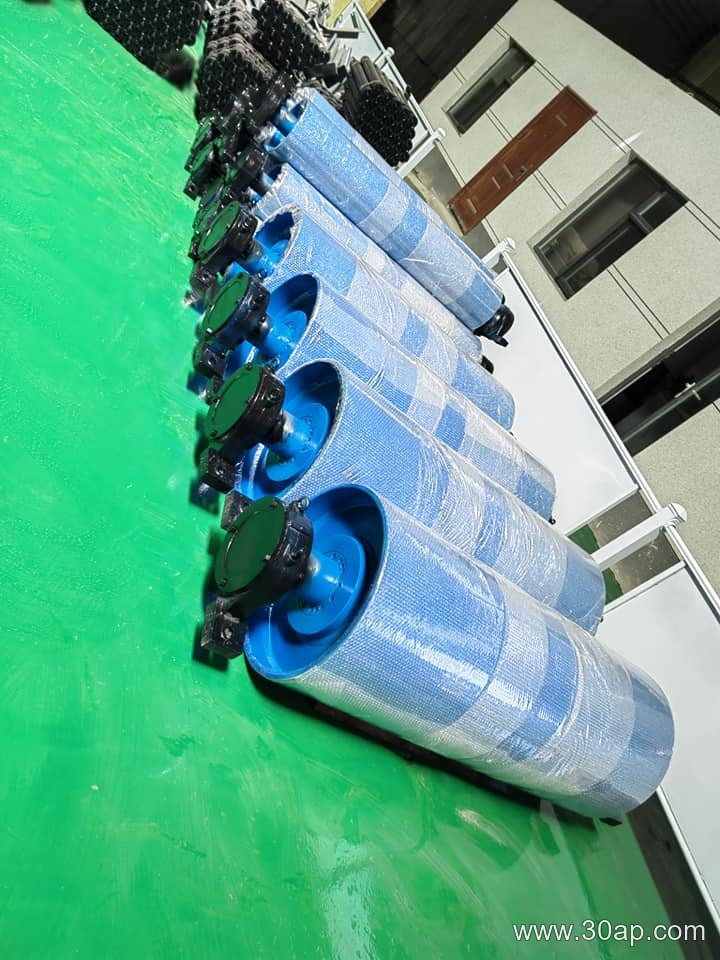
A typical unit combines a cylindrical shell, end discs, a shaft, bearing housings, and a surface covering. The shell is usually welded steel, machined on the outside for concentricity, and fitted with a lagging layer where grip or wear protection is needed. Shaft diameter is determined by torque and load, not by belt width alone. Common shaft sizes include Ø50, Ø60, Ø70, Ø80, Ø90, Ø100, Ø120, Ø140, Ø160, Ø180, and Ø200. Bearing selection follows the same rule: load, speed, and duty cycle decide the size. The conveyor bracket that holds the bearing housing must match the frame and allow alignment.
Common Types and Where They Sit
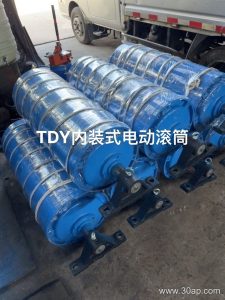
The table below shows typical positions and duties. A drive pulley may also be called a head pulley when it is at the discharge end. A tail pulley may include a tensioning slide. A bend pulley only redirects the belt. An electric pulley combines the motor inside the drum, which saves space in tunnel or transfer stations.
| Type | Typical Position | Main Duty |
|---|---|---|
| Drive pulley | Head end | Transmits power to the belt |
| Tail pulley | Return end | Supports belt and may tension |
| Bend pulley | Intermediate curve | Changes belt direction |
| Take-up pulley | Tension station | Maintains belt tension |
| Snub pulley | Near drive | Increases wrap angle |
| Wing pulley | Tail or bend | Self-cleaning in sticky material |
For comparison, a bend pulley is sometimes confused with a snub pulley, but the snub pulley increases contact angle at the drive, while the bend pulley only routes the belt. Neither one replaces the drive pulley. An idler roller, by contrast, supports the belt along the carrying side and is not a pulley at all.
Sizes and Surface Options
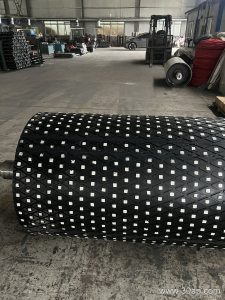
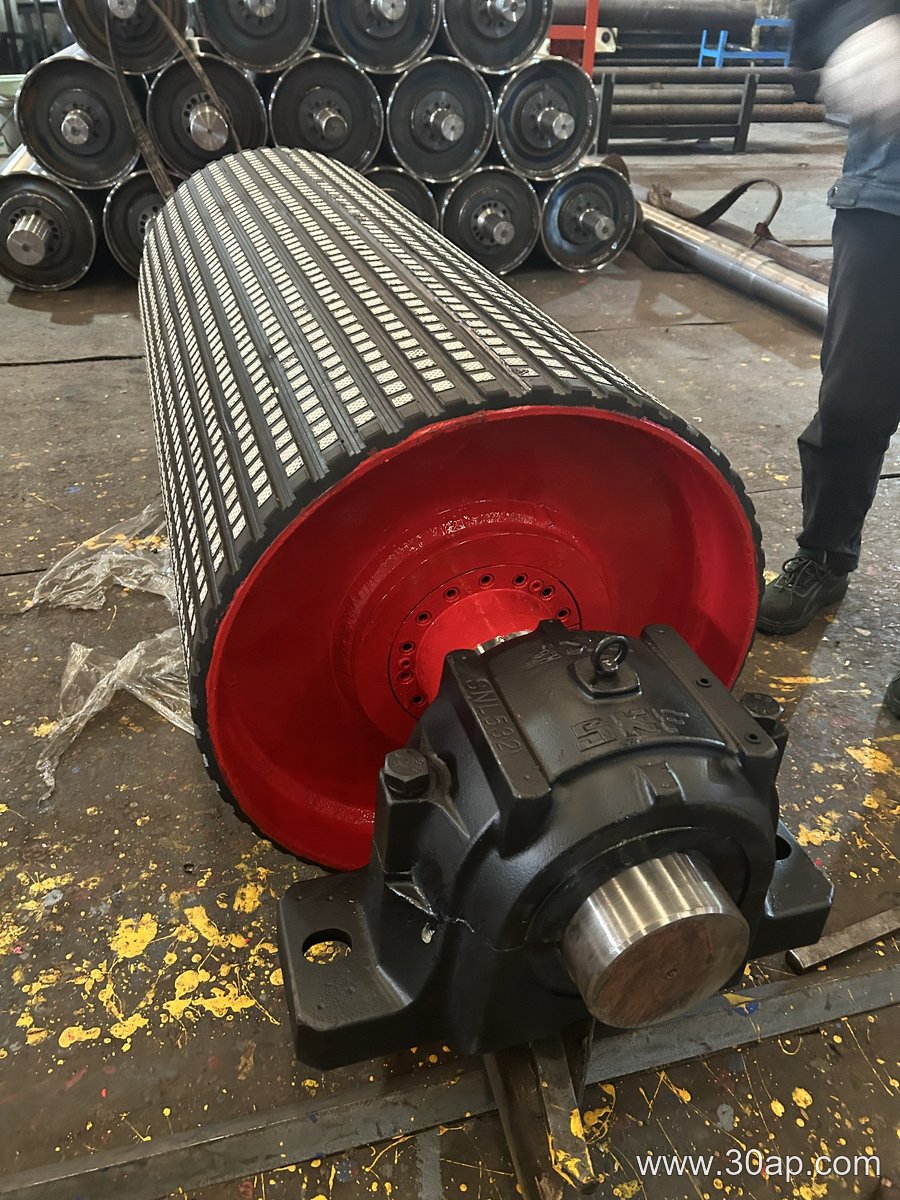
Belt widths commonly range from B400 to B2400. Diameter is selected by belt tension, speed, and the required wrap angle. Common diameters include Ø200, Ø250, Ø315, Ø320, Ø400, Ø500, Ø630, Ø800, Ø1000, Ø1250, Ø1400, Ø1600, and Ø1800. A B800 × Ø500 unit and a B1400 × Ø800 unit are both reasonable combinations, but no rule says one belt width can only match one diameter. Shell width is usually wider than the belt: B400 about 500 mm, B650 about 750 mm, B1000 about 1150 mm, B1200 about 1400 mm, B1600 about 1800 mm. Surface forms include plain, hot vulcanized rubber, cold bonded rubber, diamond lagging, herringbone lagging, ceramic lagging, and flat rubber. Lagging thickness is commonly 8, 10, 12, 15, or 20 mm. In a sand and gravel line, diamond lagging may shed fines better; in a coal plant, ceramic lagging may resist wear from sharp particles.
What a Buyer Should Check
- Confirm the duty: drive, tail, bend, take-up, or snub. Each has a different load case.
- Match shaft diameter to torque and bearing life, not to belt width alone.
- State the belt width, pulley diameter, and shell width as separate values.
- Choose lagging by material: sticky, abrasive, or wet. In a fertilizer or grain silo, a plain or light rubber surface may be enough.
- Check the conveyor bracket and bearing housing dimensions before ordering.
- Ask for the balancing grade and runout if the pulley will run at high speed.
In a copper mine or a tunnel outfall, a worn pulley can stop the whole belt. Keep a spare tail or bend pulley on site, and inspect lagging for cuts and embedded rock. A correctly sized conveyor equipment pulley, matched to the conveyor belt and the idler roller set, keeps the line running without unexpected downtime.