What a Fabric Core Conveyor Belt Is
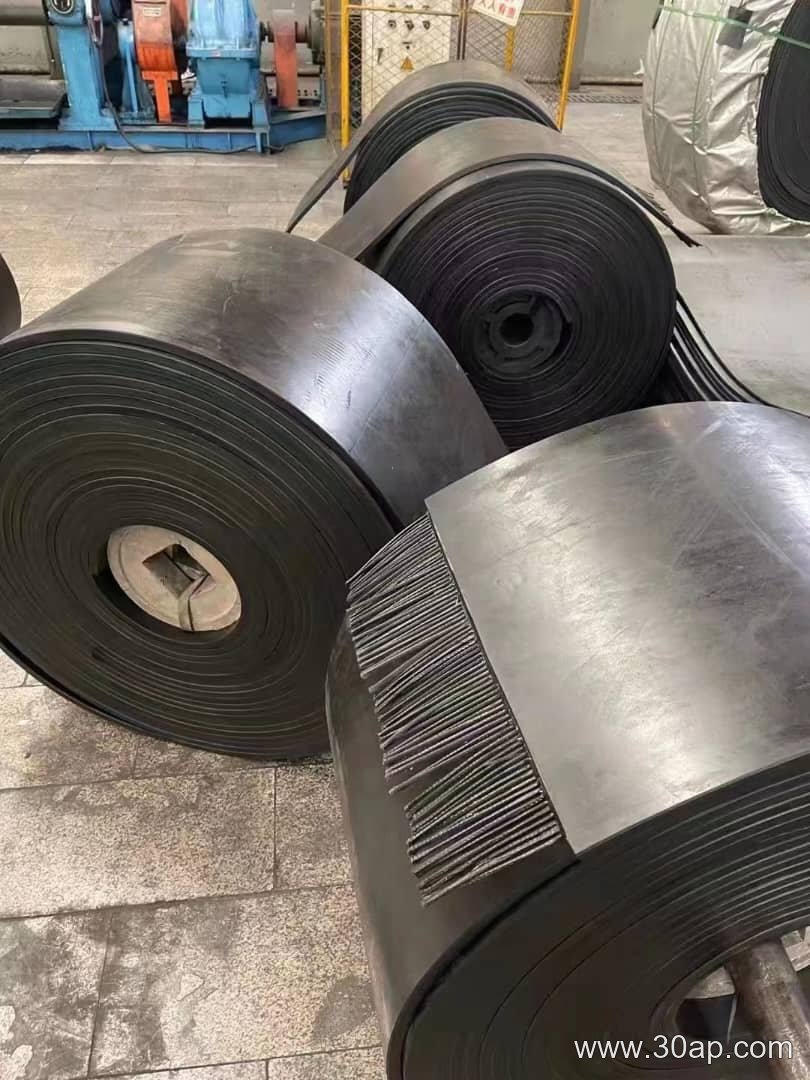
A fabric core conveyor belt is a multi-ply rubber belt whose tensile strength comes from woven textile layers, usually EP (polyester warp, polyamide weft) or NN (nylon warp, nylon weft). The textile carcass is bonded between rubber covers, so the belt can flex repeatedly around small pulleys while carrying bulk material. In a conveyor system, this belt runs over idler rollers on the carrying side, returns on the lower rollers, and is driven by a conveyor pulley at the head. It is one of the most common belt constructions in mining, coal preparation, cement plants, power stations, and sand and gravel yards.
Because the load is carried by fabric plies rather than steel cords, the belt is lighter and more tolerant of impact than a steel cord belt of similar width. That difference matters when comparing the two: a steel cord belt is preferred for extremely long, high-tension lines, while a fabric core belt is often chosen for medium-duty and moderately long conveyors.
How the Belt Is Built
The carcass is made of two to six fabric plies, depending on the required strength and the conveyor profile. Each ply is skim-coated with rubber compound, then the plies are calendered together. Top and bottom cover rubber is applied to protect the carcass from abrasion, moisture, and material impact. Common cover thickness combinations include 3+1.5 mm, 4+2 mm, 5+2 mm, 6+2 mm, and 8+3 mm, though the exact build is set by the application.
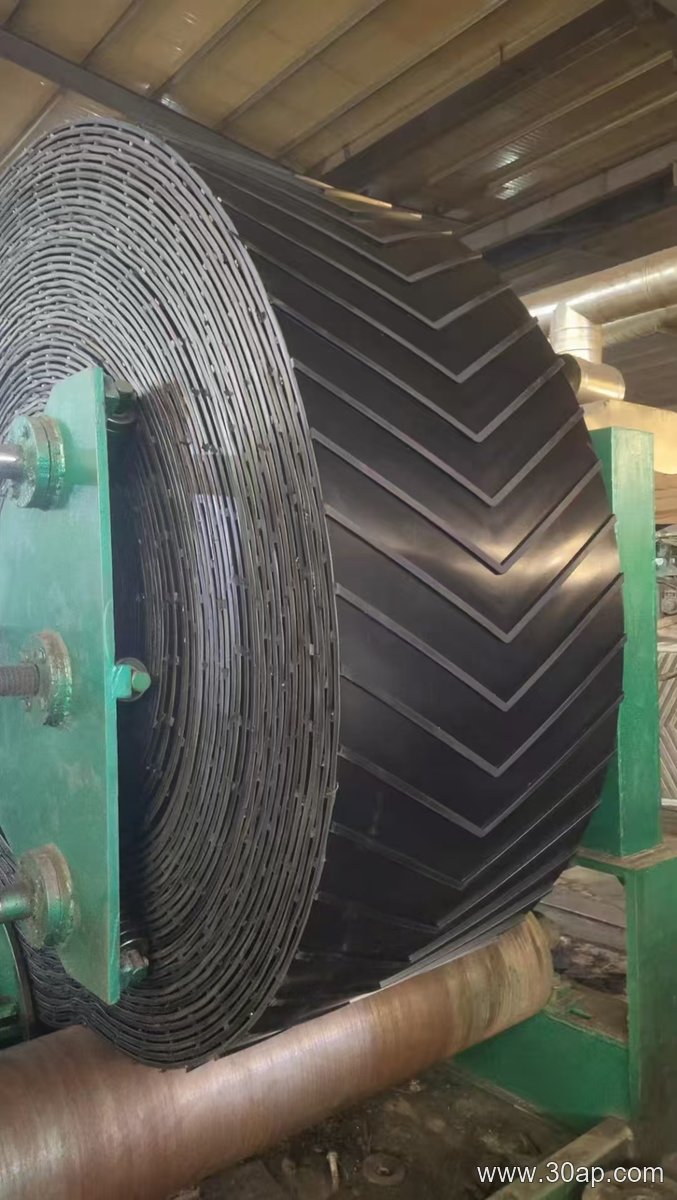
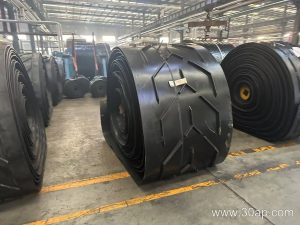
Grade selection follows the working environment. A mining or sand and gravel operation may specify abrasion-resistant covers, while a cement plant handling hot clinker may need heat-resistant rubber. Coal mines often require flame-retardant and antistatic properties. Cold regions may call for a cold-resistant compound, and fertilizer or chemical plants may need oil or acid and alkali resistance. Surface forms such as smooth, patterned, chevron, and corrugated sidewall are used for different inclines and material control.
Typical Strength Grades and Belt Widths
Fabric core belts are usually identified by the tensile strength of the carcass, expressed as EP or NN grades. Common EP grades include EP200, EP315, EP400, EP500, EP630, EP800, EP1000, EP1250, EP1600, and EP2000. The following table gives reference data, not a fixed supply promise; actual values should be confirmed with the belt manufacturer and the conveyor design.
| Parameter | Common reference values |
|---|---|
| Fabric type | EP, NN |
| Strength grade | EP200, EP315, EP400, EP500, EP630, EP800, EP1000, EP1250, EP1600, EP2000 |
| Belt width | B500, B650, B800, B1000, B1200, B1400, B1600, B1800, B2000 |
| Cover thickness | 3+1.5 mm, 4+2 mm, 5+2 mm, 6+2 mm, 8+3 mm |
| Carcass plies | Usually 2 to 6 plies |
| Cover grades | Abrasion-resistant, heat-resistant, oil-resistant, flame-retardant, antistatic, cold-resistant, acid and alkali resistant |
Width and strength are selected together with the conveyor design, not by a fixed rule. A B800 belt may run on a relatively small head pulley in one plant and on a larger one in another; belt width alone does not determine pulley diameter. The same is true for the drive pulley, tail pulley, and bend pulley, which have separate roles and are not interchangeable names.
Where It Is Used
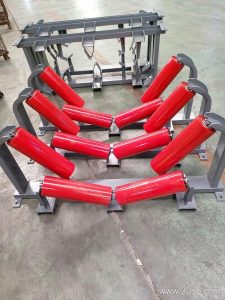
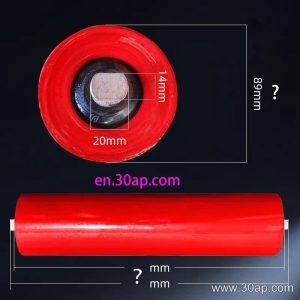
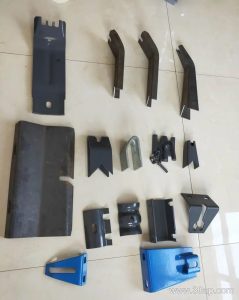
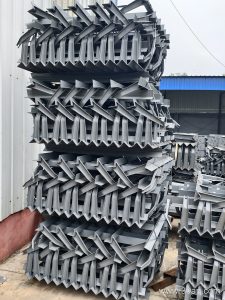
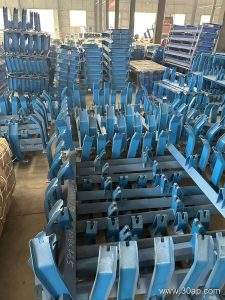
In an underground coal mine, a flame-retardant fabric core belt may carry coal from the face to the main haulage. In a cement plant, heat-resistant belts move clinker, limestone, and additives. A power plant uses them for coal and ash handling. A sand and gravel yard relies on abrasion-resistant belts for crushed stone. The belt works with conveyor idler rollers, a head conveyor pulley, a tail pulley, and support brackets that keep the line aligned.
Patterned or chevron belts are used on inclines where material would otherwise slide back. Corrugated sidewall belts handle steeper angles and prevent spillage at the edges. These are variations of the same fabric core family, not replacements for it.
What Buyers Should Check
- Confirm the required tensile grade and number of plies for the conveyor length and load.
- Match cover thickness and rubber grade to the material: abrasive ore, hot clinker, oily scrap, or coal.
- Check belt width against the existing conveyor frame and pulley face, not against a single fixed table.
- Verify the pulley diameters and the belt’s minimum bending radius, since a thick carcass needs more room to flex.
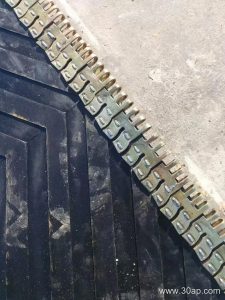
- Ask for the splice method and edge condition, because a poor joint shortens belt life.
- Review the idler roller spacing and bracket alignment to reduce edge wear and mistracking.
A fabric core conveyor belt is a practical choice for many bulk handling lines. The right selection depends on the material, the conveyor geometry, and the environment, so the final specification should come from the belt supplier and the conveyor designer working from the actual duty conditions.