What a Mining Idler Does on a Conveyor
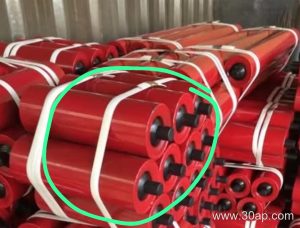
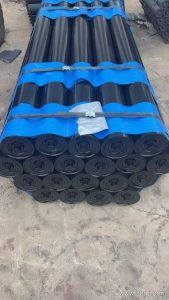
A mining idler is the rotating roller assembly that supports the conveyor belt along its carrying and return runs. In hard rock and bulk handling operations, this component carries the weight of the belt plus the material load while allowing the belt to travel with minimal friction. The idler roller is not a drive component; it does not pull the belt. That job belongs to the conveyor pulley at the head or tail. The idler simply keeps the belt in a stable trough shape and prevents sag between support points.
Because mines often run long conveyors with high tonnage, the mining idler must resist dust, moisture, impact, and misalignment. A failed roller can damage the belt, increase power draw, and cause unplanned downtime. That is why buyers pay close attention to bearing protection, shell thickness, and the type of idler chosen for each belt section.
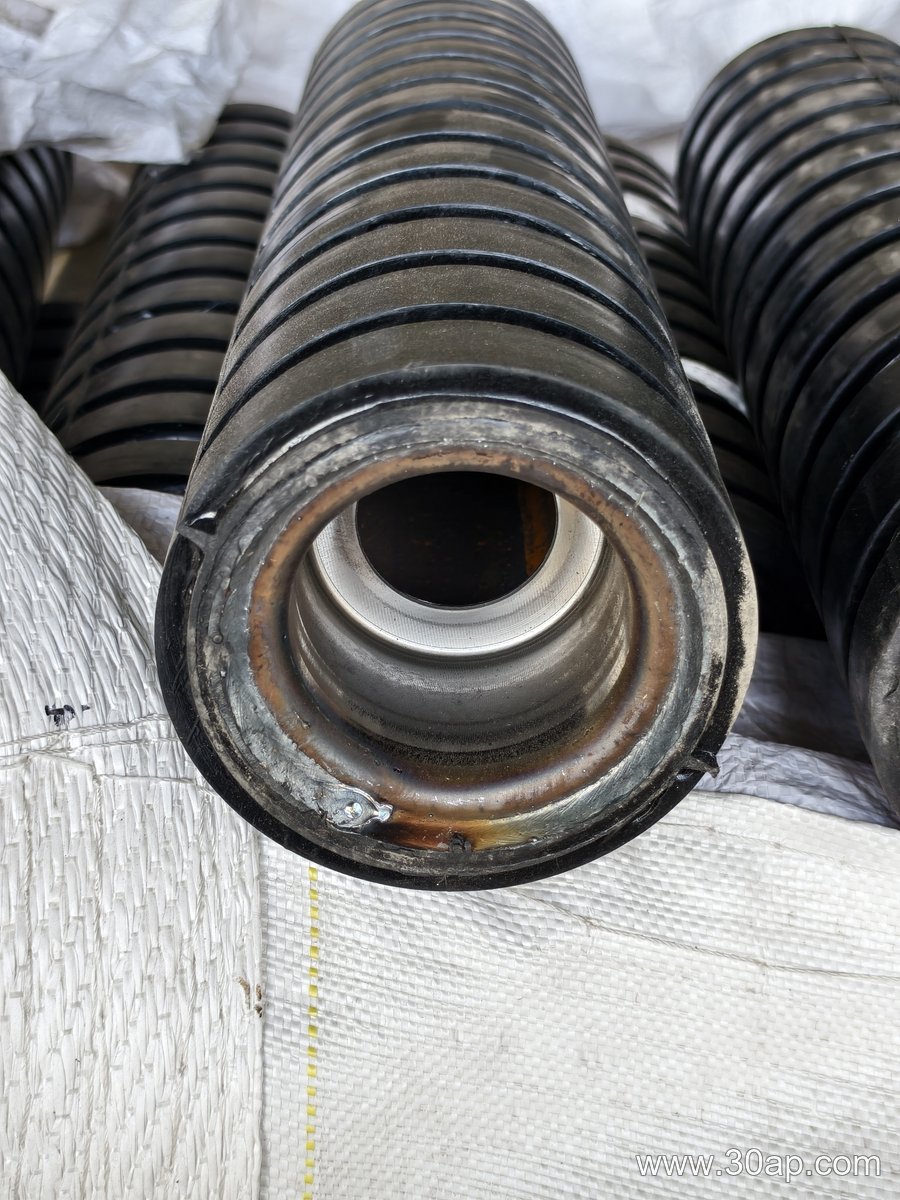
How a Mining Idler Is Built
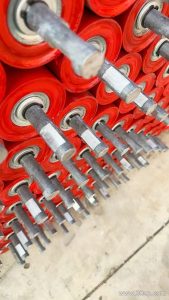
Most units share a common structure: a steel tube shell, a shaft, bearing housings, seals, and end caps. The shell may be plain steel, nylon coated, ceramic coated, or fitted with rubber rings for impact absorption. Bearings are typically deep groove ball bearings such as 6204, 6205, 6305, 6306, 6308, or 6310, selected according to load and speed rather than a fixed rule tied to one roller diameter.
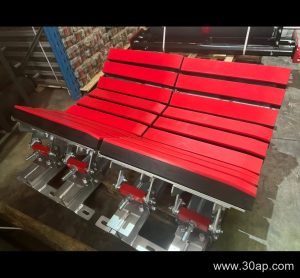
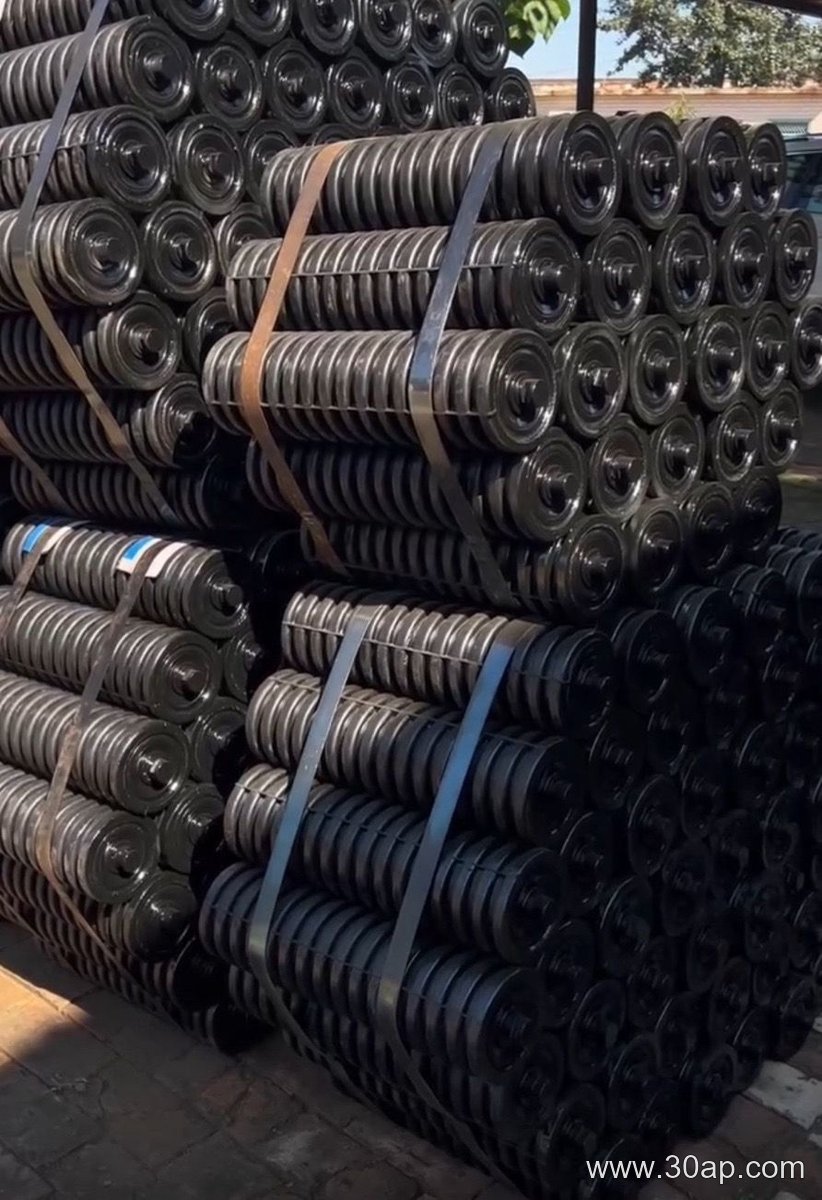
Sealing is critical. A labyrinth seal or multi-stage lip seal keeps fine ore dust away from the bearing cavity. Grease retention and water resistance matter in washing plants and tunnel discharge. The shaft may be cold drawn or turned, and the end caps are pressed or welded depending on the design. For high-impact zones, rubber ring impact idlers absorb shock from large lumps.
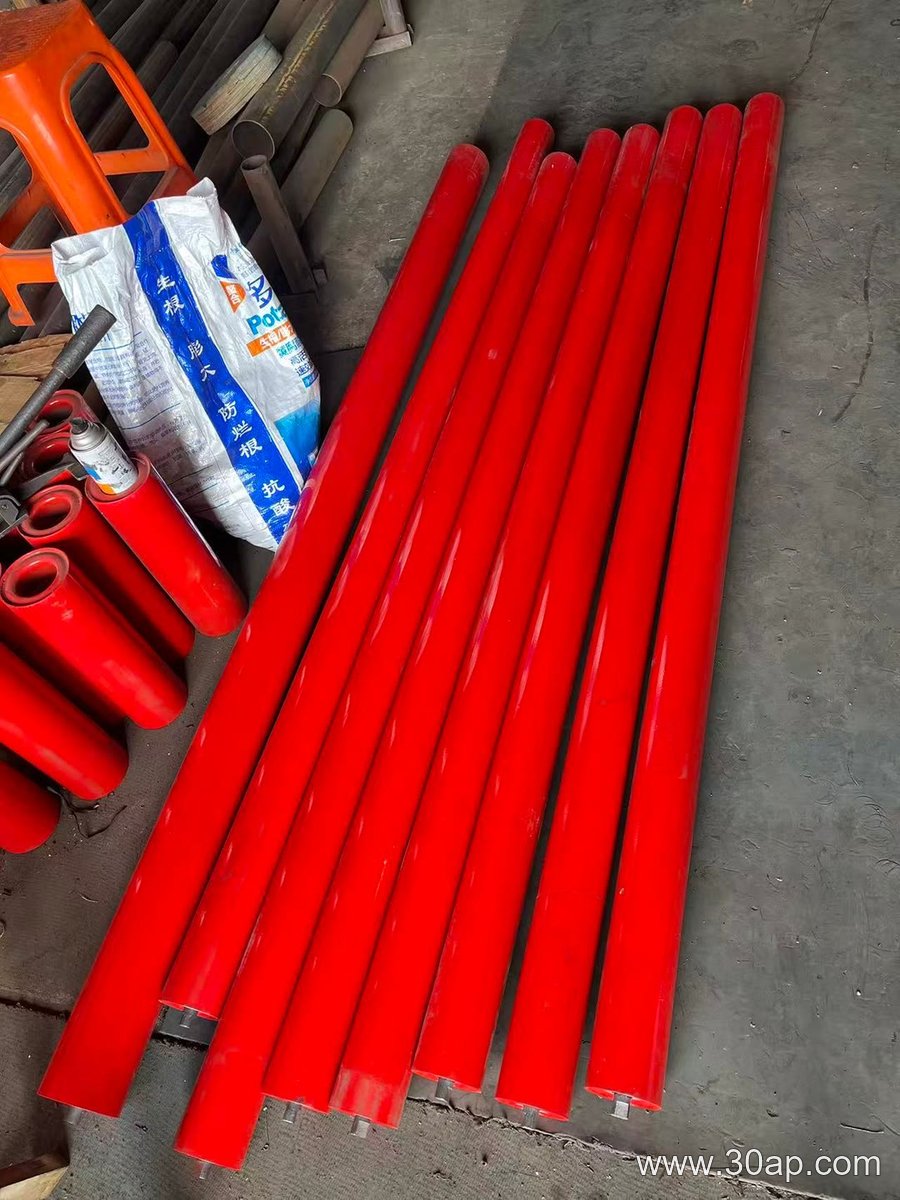
Common Types and Where They Fit
Carrying idlers usually appear as single roller, two-roll, or three-roll troughing sets. A three-roll troughing idler with a 35 degree trough angle is common on aggregate and coal belts, while a 45 degree trough may be used where material containment is a priority. Return idlers include flat return rollers and V-shaped return rollers that help center the belt. Self-aligning idlers, including friction and tapered types, correct minor belt drift. Spiral or screw-type rollers can help shed sticky material.
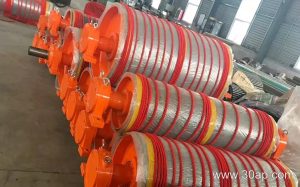
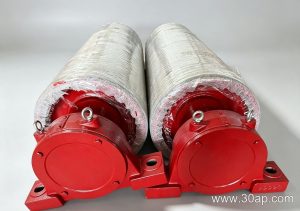
Transition idlers sit between the tail pulley and the first full troughing set, gradually shaping the belt. They are not the same as a bend pulley, which changes belt direction, or a drive pulley, which transmits power. Those are conveyor pulleys, and they are not interchangeable with idlers.
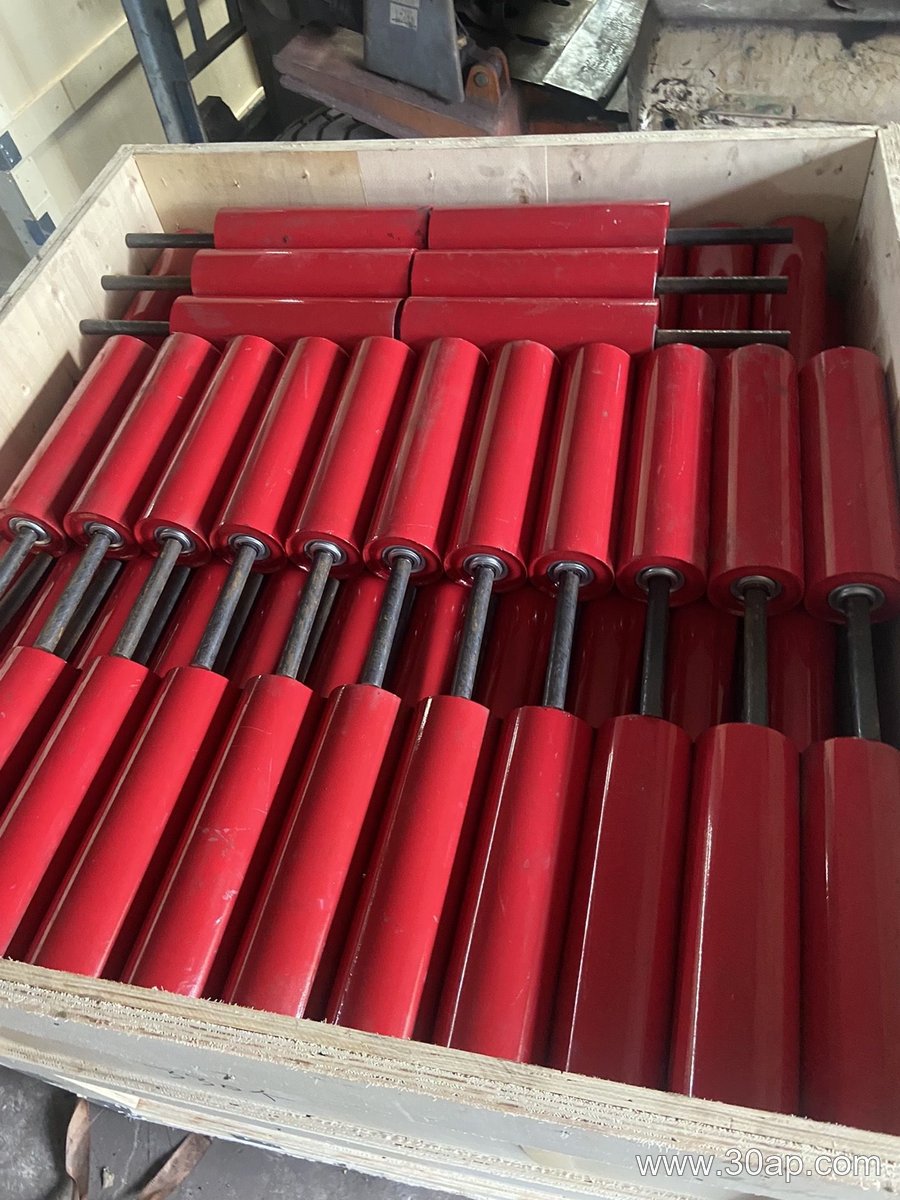
Typical Reference Dimensions
The table below shows common examples, not fixed matches. Roller length changes with belt width, trough angle, and idler arrangement. Side rollers and center rollers can differ in length. Roller diameter is chosen by load, speed, and shaft design, not by belt width alone.
| Belt Width | Common Roller Length for Three-Roll Troughing | Common Roller Diameters |
|---|---|---|
| B500 | About 200 mm | Ø63, Ø76, Ø89 |
| B650 | About 250 mm | Ø76, Ø89, Ø102 |
| B800 | About 315 mm | Ø89, Ø102, Ø108 |
| B1000 | About 380 mm | Ø102, Ø108, Ø127 |
| B1200 | About 465 mm | Ø108, Ø127, Ø133 |
| B1400 | About 530 mm | Ø127, Ø133, Ø159 |
| B1600 | About 600 mm | Ø133, Ø159, Ø178 |
| B1800 | About 670 mm | Ø159, Ø178, Ø194 |
| B2000 | About 750 mm | Ø178, Ø194, Ø219 |
These values are reference data. A 1.5 to 2 degree forward tilt is sometimes used on troughing idlers to help belt tracking, but it is not universal. Bracket dimensions and mounting hole spacing must match the conveyor frame.
Where Mining Idlers Are Used
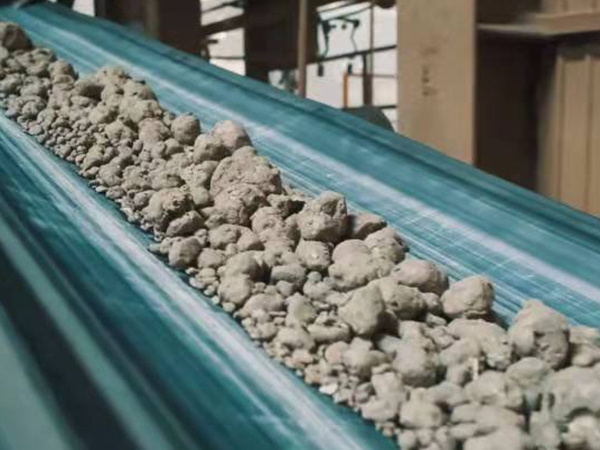
You will find them in limestone quarries, iron ore concentrators, coal washing plants, and aggregate crushing and screening lines. They also appear in cement plants, power station coal handling, port bulk terminals, and tunnel muck removal. In each setting, the idler roller sees different conditions: abrasive ore, wet slurry, fine dust, or heavy impact from coarse rock.
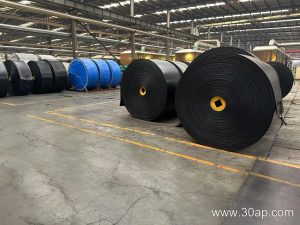
A belt conveyor in a quarry may use impact idlers under the crusher discharge, troughing idlers along the incline, and V-return idlers on the return strand. The same conveyor may also have a conveyor bracket set to hold each idler at the correct angle. Choosing the right combination keeps the conveyor belt centered and extends roller life.
What Buyers Should Check
- Bearing size and seal type for the actual dust and moisture level.
- Shell material and thickness, especially in high-wear zones.
- Roller diameter and shaft diameter as a matched set, not guessed from belt width.
- Trough angle and roller length that fit the existing frame and belt width.
- Whether impact, return, or self-aligning idlers are needed at specific points.
- Mounting dimensions and bracket compatibility before ordering.
Maintenance also matters. Seized rollers should be replaced promptly, and missing or damaged brackets should be corrected so the belt does not train poorly. A planned inspection route along the conveyor will catch worn idlers before they damage the belt or reduce throughput.