What a Conveyor Idler Frame Does on a Belt System
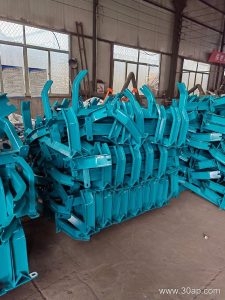
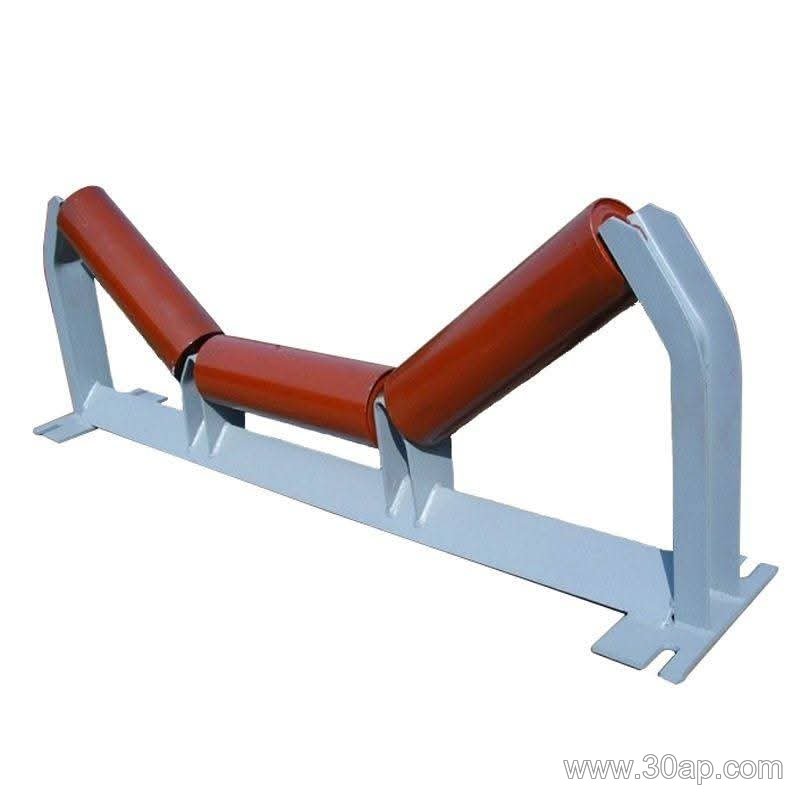
A conveyor idler frame is the structural bracket assembly that holds idler rollers in position along the carrying and return sides of a conveyor. It connects the rollers to the conveyor stringer or beam, keeps them at the correct spacing, and sets the trough angle that shapes the conveyor belt. Without a stable frame, rollers can shift, the belt can drift, and the whole conveying line becomes harder to maintain.
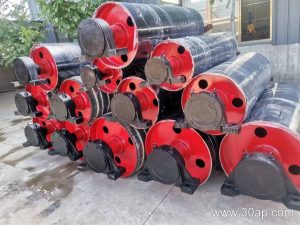
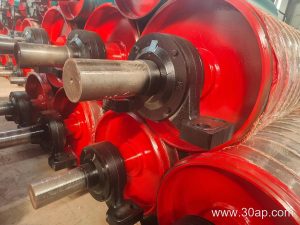
People sometimes call this part a roller bracket or idler support frame. Those names describe the same product. It is not a drive pulley, tail pulley, or bend pulley, and it should not be confused with those components. A pulley turns the belt at the ends of the conveyor, while the idler frame supports the belt between those points.
How the Frame Is Built
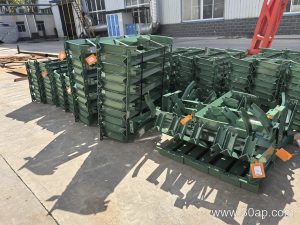
Most frames are fabricated from angle steel, channel steel, or folded steel plate. The choice depends on belt width, load, and the environment. A typical frame includes a cross beam, mounting holes or slots, and brackets that locate each idler roller. On adjustable designs, the mounting positions can be changed to alter the trough angle or to fine-tune roller contact.
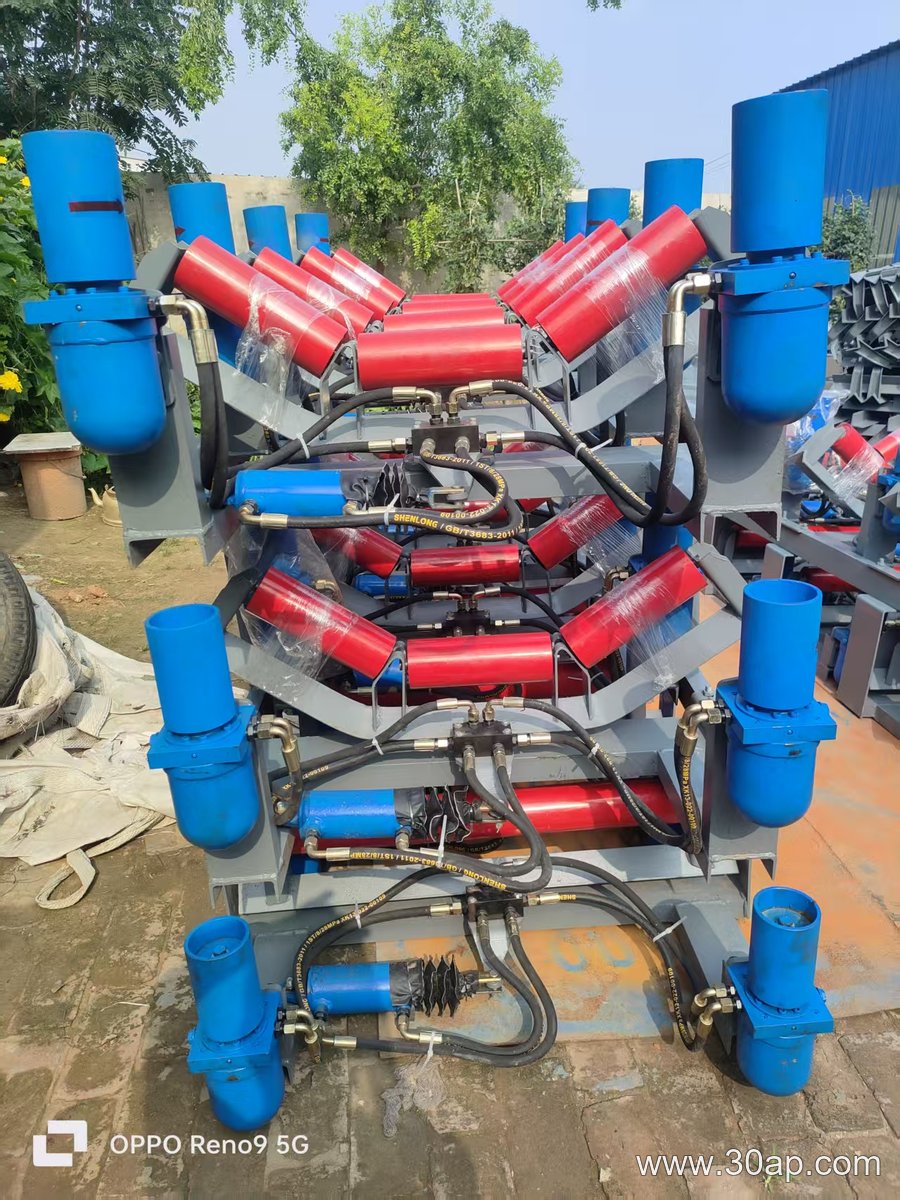
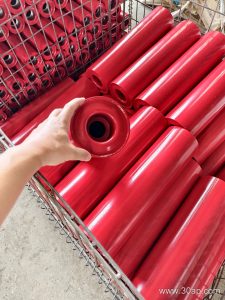
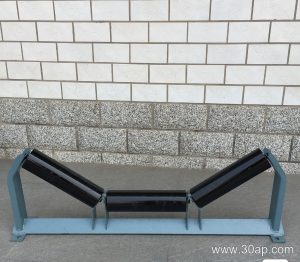
The frame may carry two, three, or more rollers. A three-roller arrangement is common for troughing stations, while a single flat roller is often used on the return side. Buffer frames use impact-resistant rollers under loading points, and self-aligning frames include pivoting or side guide features to help correct belt drift. These are different frame functions, not different names for a drive pulley or a tail pulley.
Common Types and Where They Fit
Different positions on a conveyor call for different frame forms. The list below shows typical arrangements, but the final choice should follow the conveyor design.
- Troughing frame: carries the loaded belt in a trough shape.
- Upper trough frame: supports the top run at standard carrying stations.
- Transition frame: guides the belt between the trough and the pulley area.
- Return frame: supports the empty belt on the lower run.
- Flat return frame: holds a single return roller in a horizontal position.
- V-return frame: uses two rollers in a V shape to help center the belt.
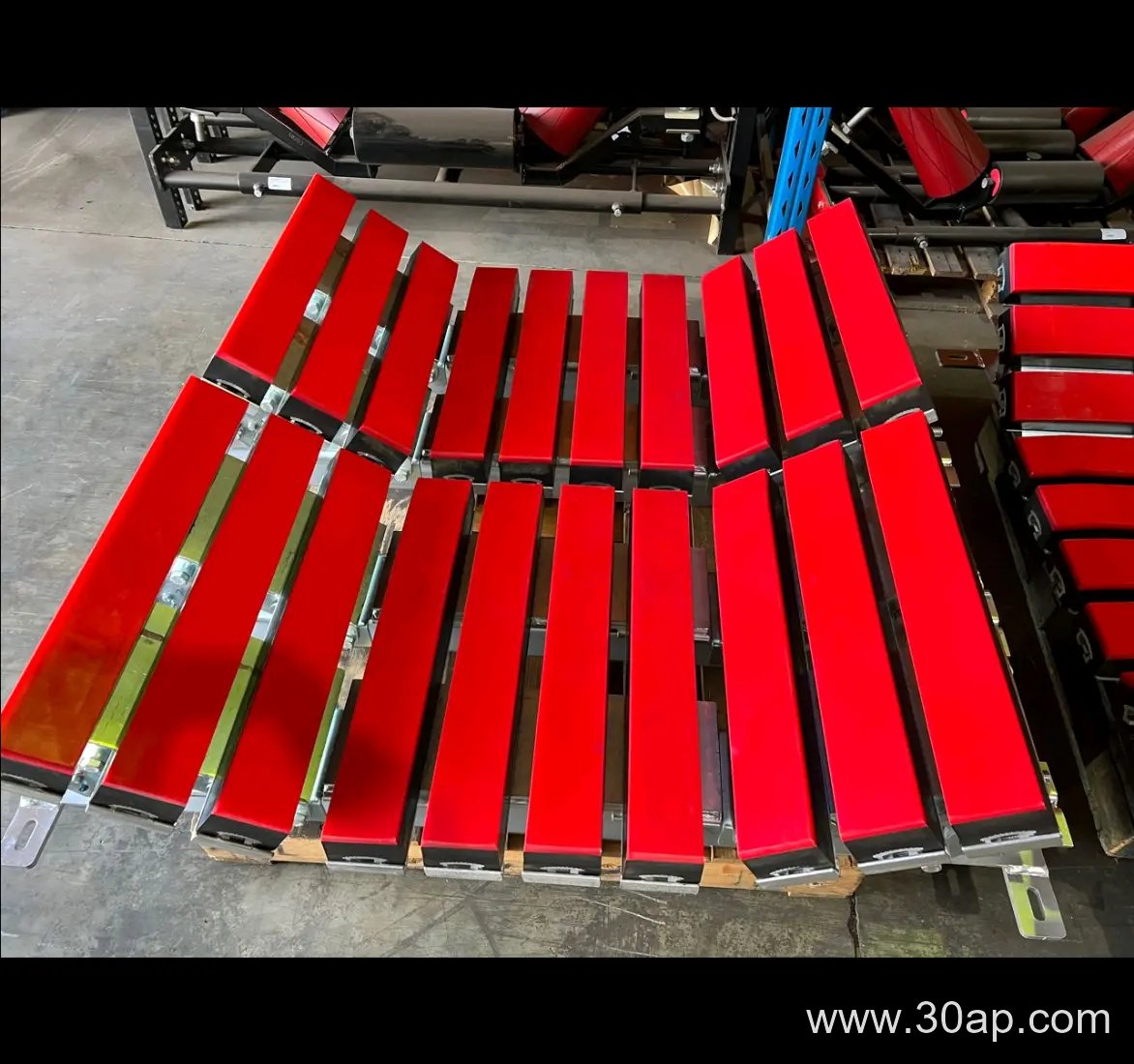
- Impact frame: fits buffer rollers below a loading chute.
- Self-aligning frame: corrects small belt tracking errors.
- Forward-tilt frame: sets rollers at a slight angle, often about 1.5 to 2 degrees.
- Spiral frame: holds spiral rollers for sticky or dusty material.
- Suspended frame: hangs from a structure instead of sitting on stringers.
- Adjustable frame: allows the trough angle to be changed on site.
For example, a B800 conveyor with a 35 degree trough angle and Ø108 rollers may use a three-roller troughing frame, while a B650 line with a 30 degree angle and Ø89 rollers may use a lighter frame. A B1200 system with a 45 degree angle and Ø133 rollers usually needs a heavier cross beam. These are common combinations, not fixed rules. Belt width, trough angle, and roller diameter are selected together, and one belt width can match more than one roller diameter.
Materials, Dimensions, and Selection Points
Steel grade and surface treatment matter in dusty, wet, or abrasive sites. Frames are often painted, galvanized, or left with a protective finish according to the project. The table below gives reference data only. Actual mounting hole spacing and beam length change with belt width, trough angle, and frame type.
| Reference Item | Common Range |
|---|---|
| Belt width | B500, B650, B800, B1000, B1200, B1400, B1600, B1800, B2000, B2200 |
| Trough angle | 20, 30, 35, 45 degrees; adjustable frames can move between these values |
| Idler roller diameter | Ø89, Ø108, Ø133, Ø159, Ø194 |
| Frame material | Angle steel, channel steel, folded steel plate |
When selecting a frame, check the roller diameter, the belt width, the trough angle, and the mounting method. Also confirm the frame fits the conveyor bracket or stringer already in place. A frame that is too light may flex under load, while an oversized frame can add unnecessary weight and cost.
Where These Frames Are Used
You will find conveyor idler frames in quarry and limestone operations, sand and gravel lines, crushing and screening plants, and coal handling systems. They also appear in cement plants, power station coal feed lines, steel mills, and bulk material silos. In each case, the frame keeps the idler roller aligned so the conveyor belt runs smoothly and the load is supported evenly.
Buyer Checklist
Before ordering, confirm the belt width, the required trough angle, the roller diameter, and the frame type. Ask how the frame mounts to the conveyor structure and whether the design is fixed or adjustable. Check that the frame matches the conveyor pulley layout at the head and tail, because the transition distance affects belt training. A well-chosen idler frame reduces roller wear, limits spillage, and helps the belt stay centered over long runs.