What the ST2500 Conveyor Belt Is
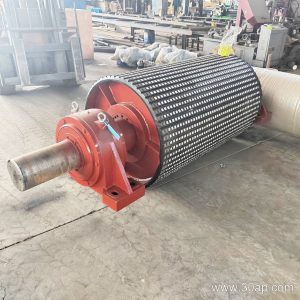
The ST2500 conveyor belt is a steel cord belt designed for high-tension, long-distance conveying. The “ST” prefix refers to steel cord construction, while the number indicates the nominal tensile strength of the belt in newtons per millimeter. In practice, an ST2500 belt is often chosen where a single flight must carry heavy bulk material over considerable distance without an excessive number of transfer points. It is not the same as an EP or NN fabric belt, and it should not be confused with a drive pulley or a tail pulley, which are separate components in the conveyor system.
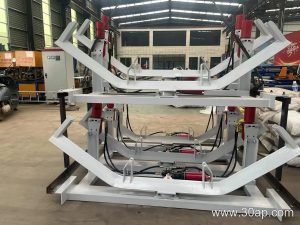
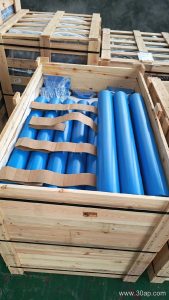
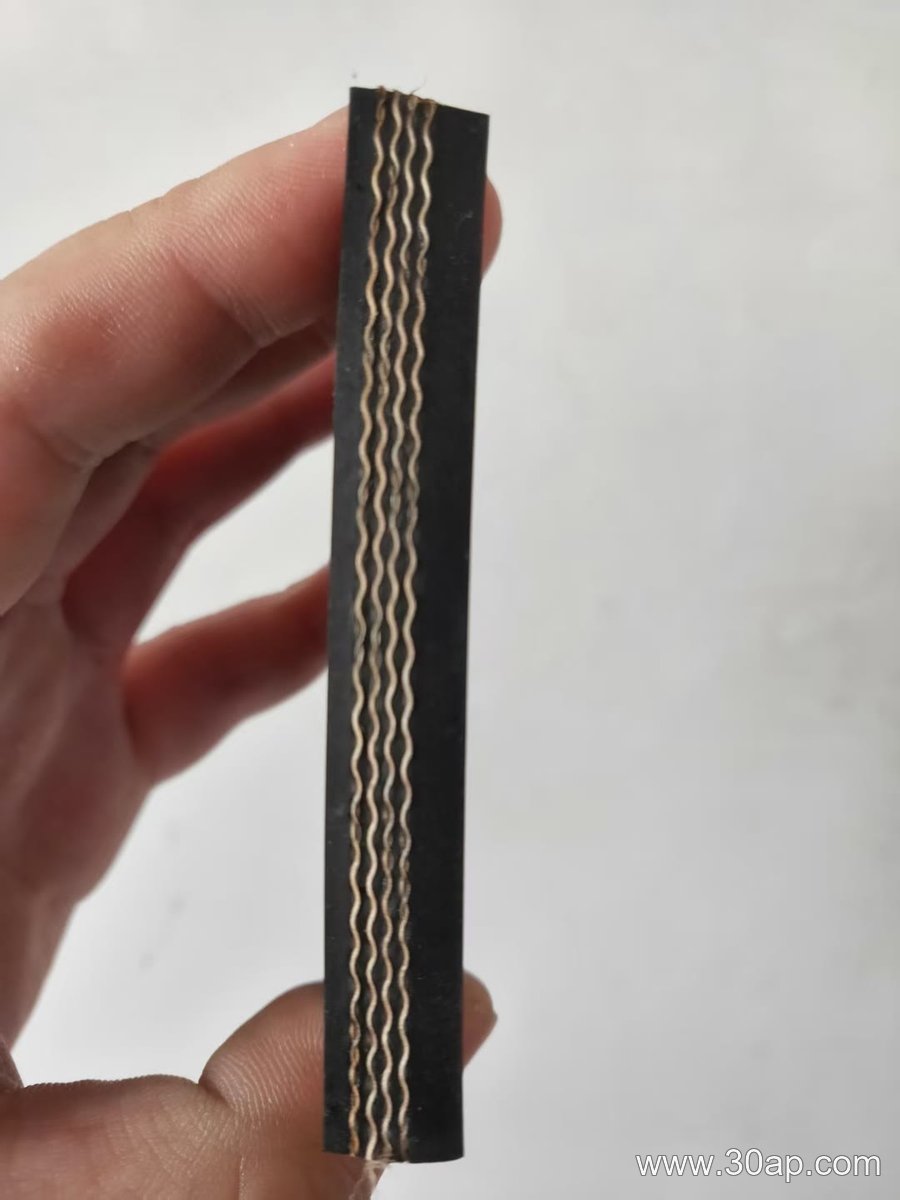
Because the carcass consists of parallel steel cords embedded in rubber, the belt can tolerate high working tensions while maintaining relatively low elongation. This makes it suitable for mainline conveying in mines, ports, power plants, cement works, and large material yards. The belt itself is only one part of the system; idler rollers, conveyor pulleys, and conveyor brackets all influence how well it performs.
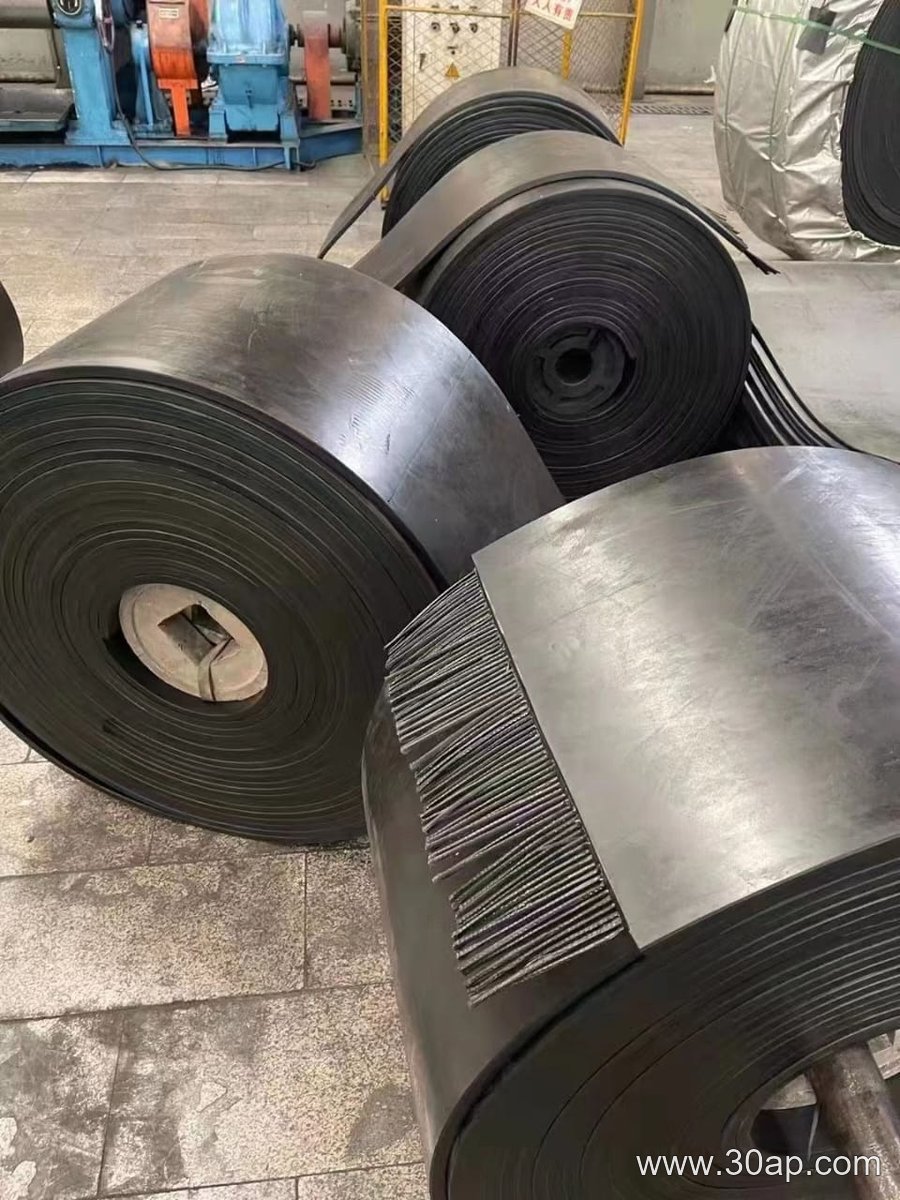
Construction and Typical Specifications
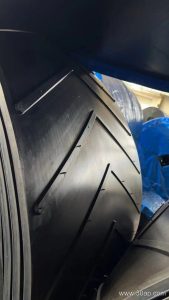
A steel cord belt such as the ST2500 grade usually combines a steel cord carcass with rubber cover layers on the carrying side and the pulley side. The cover compound may be selected for abrasion resistance, heat resistance, oil resistance, flame resistance, or antistatic behavior depending on the application. Common cover thickness combinations include 4+2 mm, 5+2 mm, 6+2 mm, and 8+3 mm. These values are reference examples rather than mandatory choices, since the final cover thickness is determined by the duty, material lump size, and loading conditions.
Belt width is another important variable. Common widths for heavy-duty steel cord belts include B800, B1000, B1200, B1400, B1600, B1800, and B2000. The correct width depends on the required tonnage, the surcharge angle of the material, the troughing angle of the idler rollers, and the maximum lump size. A wider belt is not automatically better; it must match the pulley face, the frame, and the transition distance.
Reference data for ST2500 class belts
| Parameter | Typical range or example |
|---|---|
| Belt type | Steel cord conveyor belt |
| Nominal tensile strength | ST2500 |
| Belt width | B800 to B2000, depending on design |
| Cover thickness | 4+2 mm, 5+2 mm, 6+2 mm, 8+3 mm |
| Cover properties | Abrasion resistant, heat resistant, oil resistant, flame retardant, antistatic, cold resistant |
| Typical applications | Mines, ports, power plants, cement plants, bulk terminals |
These figures are indicative and vary between manufacturers. They should be confirmed against the actual conveyor design rather than treated as universal values.
Where the ST2500 Belt Is Used
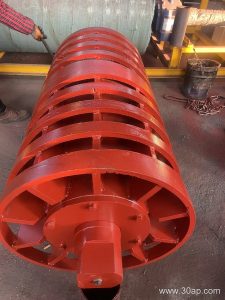
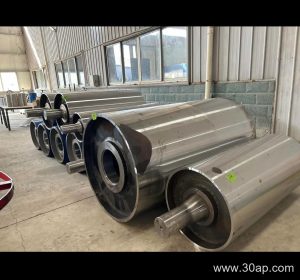
Steel cord belts of this strength class are common in main haulage conveyors where high capacity and long center distances are required. Examples include primary ore transport, overland conveyors from a pit or quarry, coal handling in power stations, and ship loading or unloading systems. In these duties, the belt works together with troughing idler rollers, return rollers, a drive pulley, a tail pulley, and bend pulleys. Each pulley has a distinct role: the drive pulley transmits power, the tail pulley returns the belt, and bend pulleys redirect the belt path. They are not interchangeable terms.
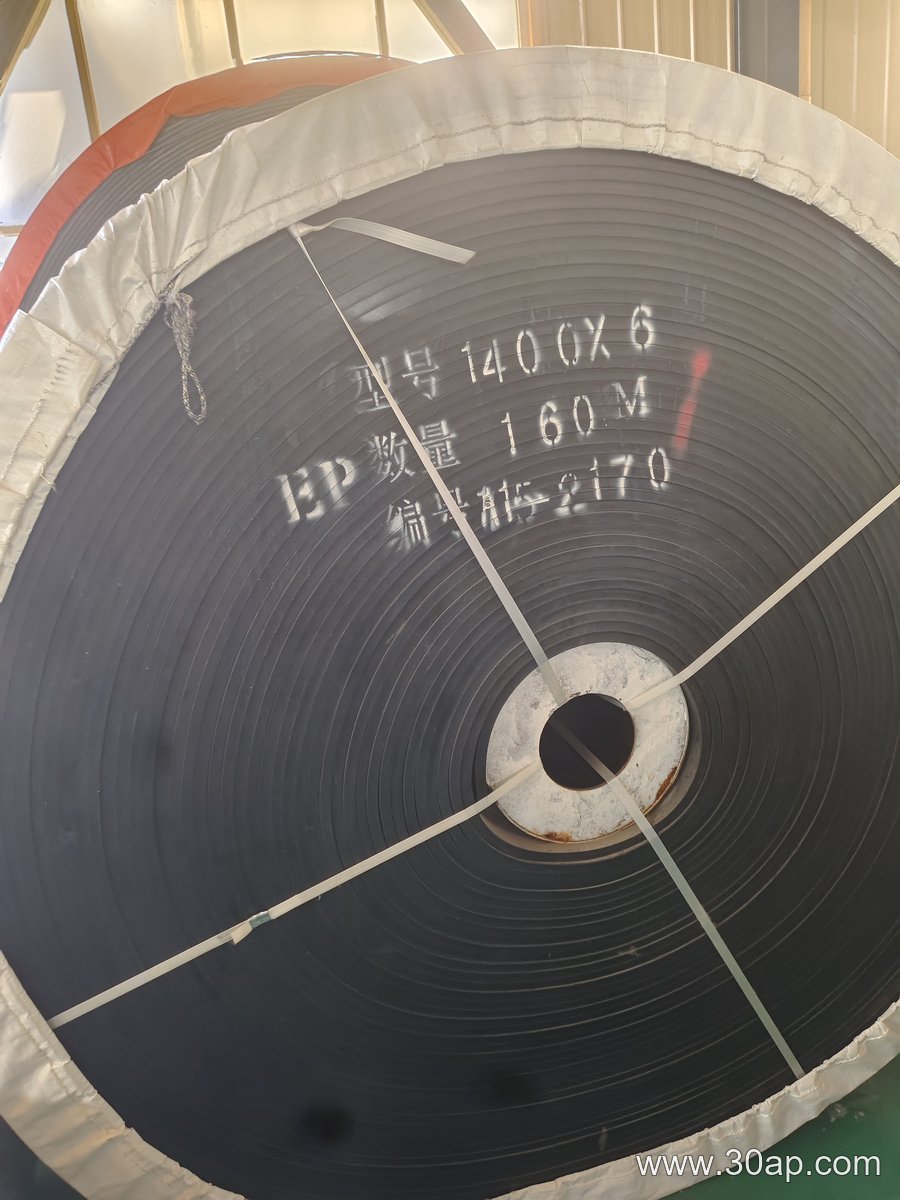
In some systems, a fabric belt such as an EP or NN conveyor belt may be adequate for shorter runs or lower tensions. The ST2500 class becomes relevant when the calculated tension exceeds what a fabric carcass can handle economically. This is a comparison of belt constructions, not a suggestion that one replaces the other in every plant.
Selection and Buyer Checklist
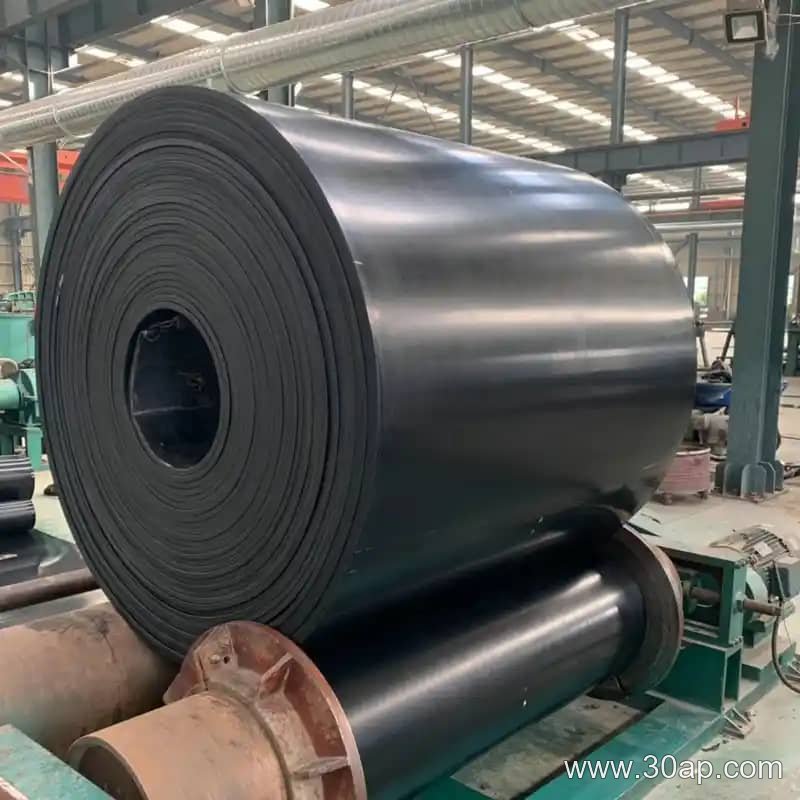
When specifying an ST2500 conveyor belt, a buyer should provide the conveyor profile, capacity, material density, lump size, operating temperature, and any special environmental conditions. The belt supplier then checks the required tensile strength, cover grade, and cover thickness. It is also important to confirm the pulley diameters and the transition distance, because a steel cord belt has different bending requirements from a fabric belt.
- Confirm the actual working tension and safety factor.
- Match the belt width to the pulley face and the idler roller troughing angle.
- Choose the cover compound for abrasion, heat, oil, or fire resistance as needed.
- Verify the splice method recommended for the steel cord construction.
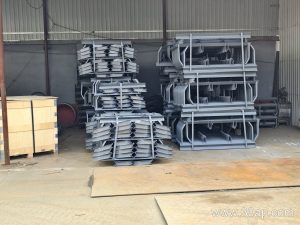
- Check that the conveyor bracket and frame dimensions suit the selected belt width.
Installation and Maintenance Notes
Correct alignment during installation reduces edge damage and premature wear. The belt should be tracked through the transition zone so that it does not lift off the idler rollers or rub against the conveyor bracket. Regular inspection of the drive pulley, tail pulley, and bend pulleys helps prevent belt mistracking and cover gouging. If the belt shows exposed cords or deep cover damage, the affected section should be assessed promptly.
Storage also matters. Steel cord belts should be kept on a dry surface, away from direct sunlight and ozone sources, and supported so that the edges are not crushed. When the belt is finally installed, the splice quality often determines the service life of the entire conveyor line.