What a Coal Conveyor Belt Does
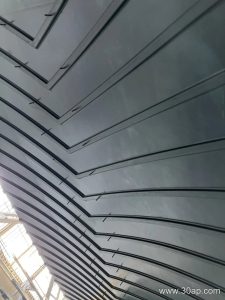
A coal conveyor belt is the load-carrying element in a bulk handling system that moves crushed or sized coal from one point to another, often over long distances and across uneven terrain. It is not a simple strip of rubber. The belt forms a continuous loop supported by idler rollers, trained around a head pulley and a tail pulley, and kept in alignment by conveyor brackets and frame components. The belt itself must resist abrasion, impact, and in some cases heat or fire risk, while remaining flexible enough to trough and track properly.
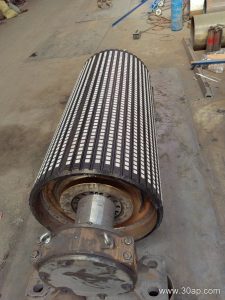
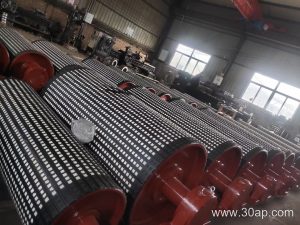
In practice, the belt is only one part of the system. The drive pulley provides motion, the tail pulley helps maintain tension, and bend pulleys change direction without driving the belt. These pulley types are not interchangeable, and each performs a separate function in the conveyor layout.
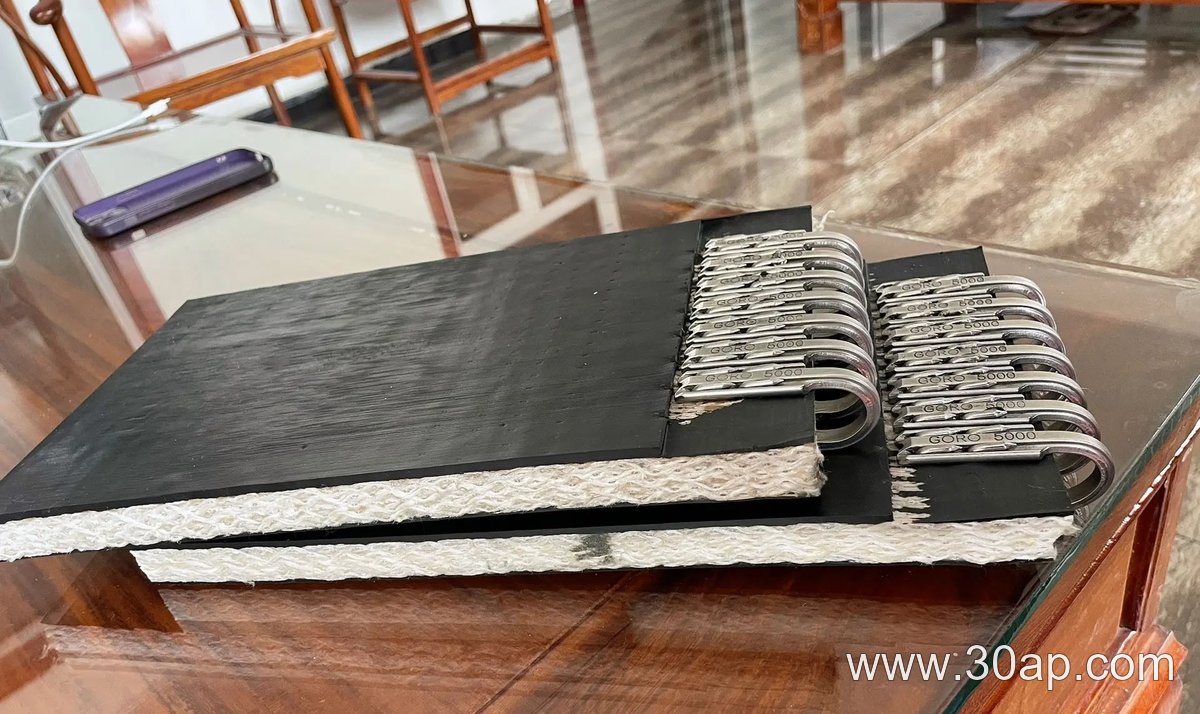
Construction and Common Belt Types
A typical coal conveyor belt uses a fabric or steel-cord carcass covered with rubber on both the top and bottom. The carcass provides strength and elongation resistance, while the cover protects against wear and environmental exposure. Common carcass options include EP (polyester-nylon) and NN (nylon-nylon) fabric, as well as steel cord construction for higher tension applications. PVC and PVG belts are also used where fire resistance or static control matters, though they are different products from rubber-covered fabric belts.
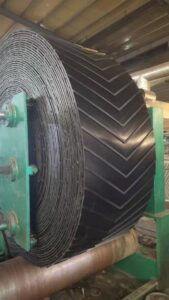
Cover compounds may be selected for abrasion resistance, heat resistance, oil resistance, flame resistance, antistatic behavior, cold resistance, or acid and alkali resistance. Surface forms such as smooth, patterned, chevron, or corrugated sidewall designs serve specific needs, but they are not universal replacements for one another. A chevron belt, for example, helps with inclined transport, while a smooth belt is more common on flat or gently inclined runs.
Reference Dimensions and Strength Grades
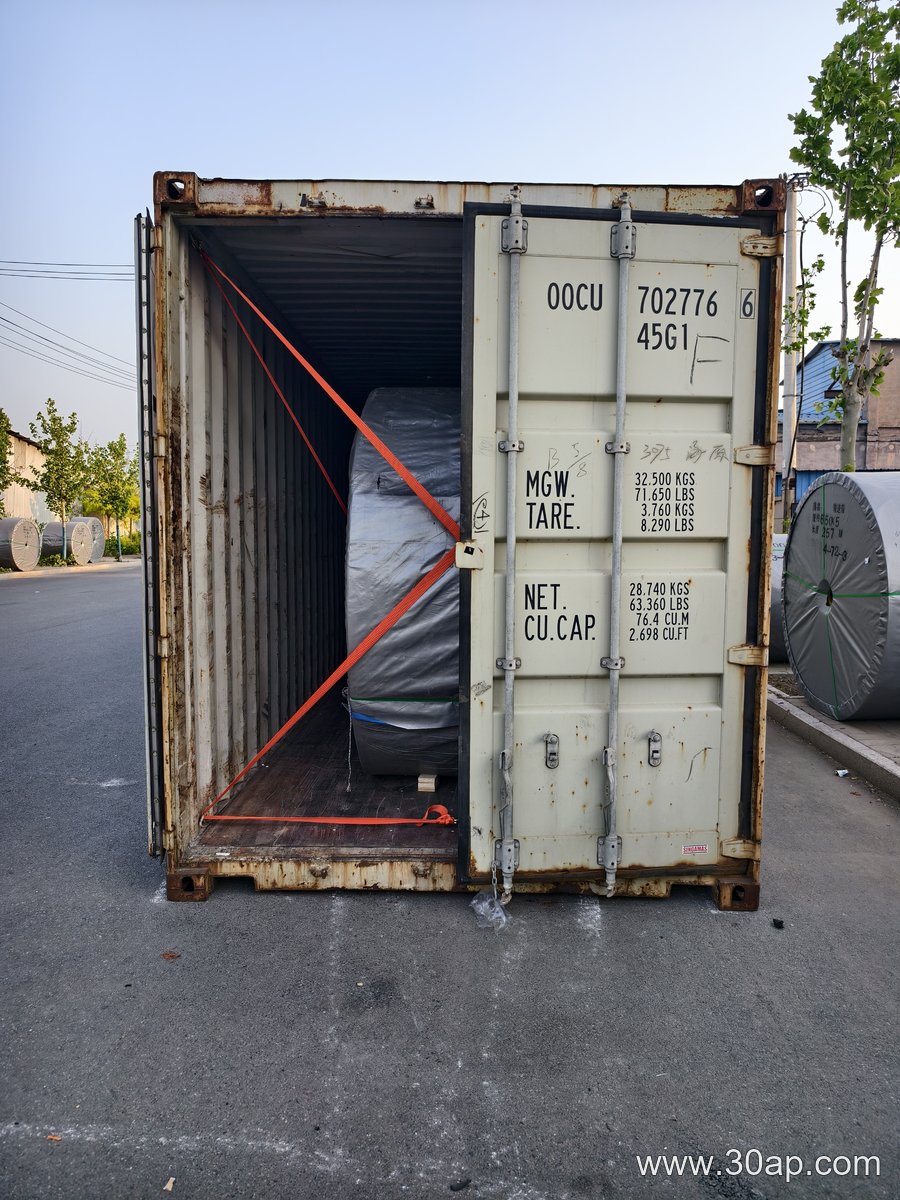
Buyers often work from a set of reference values rather than a single fixed specification. The table below lists common strength grades, belt widths, cover thickness combinations, and carcass layer counts. These are reference data, not verified universal specifications, and actual supply depends on the manufacturer and the design of the conveyor.
| Parameter | Common reference values |
|---|---|
| Strength grade | EP200, EP315, EP400, EP500, EP630, EP800, EP1000, EP1250, EP1600, EP2000 |
| Belt width | B500, B650, B800, B1000, B1200, B1400, B1600, B1800, B2000 |
| Cover thickness (top + bottom) | 3+1.5 mm, 4+2 mm, 5+2 mm, 6+2 mm, 8+3 mm |
| Carcass layers | Usually 2 to 6 layers |
Do not assume that one belt width matches only one pulley diameter or one shaft size. Those relationships are determined by the conveyor design, the required tension, and the pulley manufacturer’s own calculation. A wider belt does not automatically mean a larger shaft, and a given strength grade does not fix the pulley dimensions.
Where It Is Used
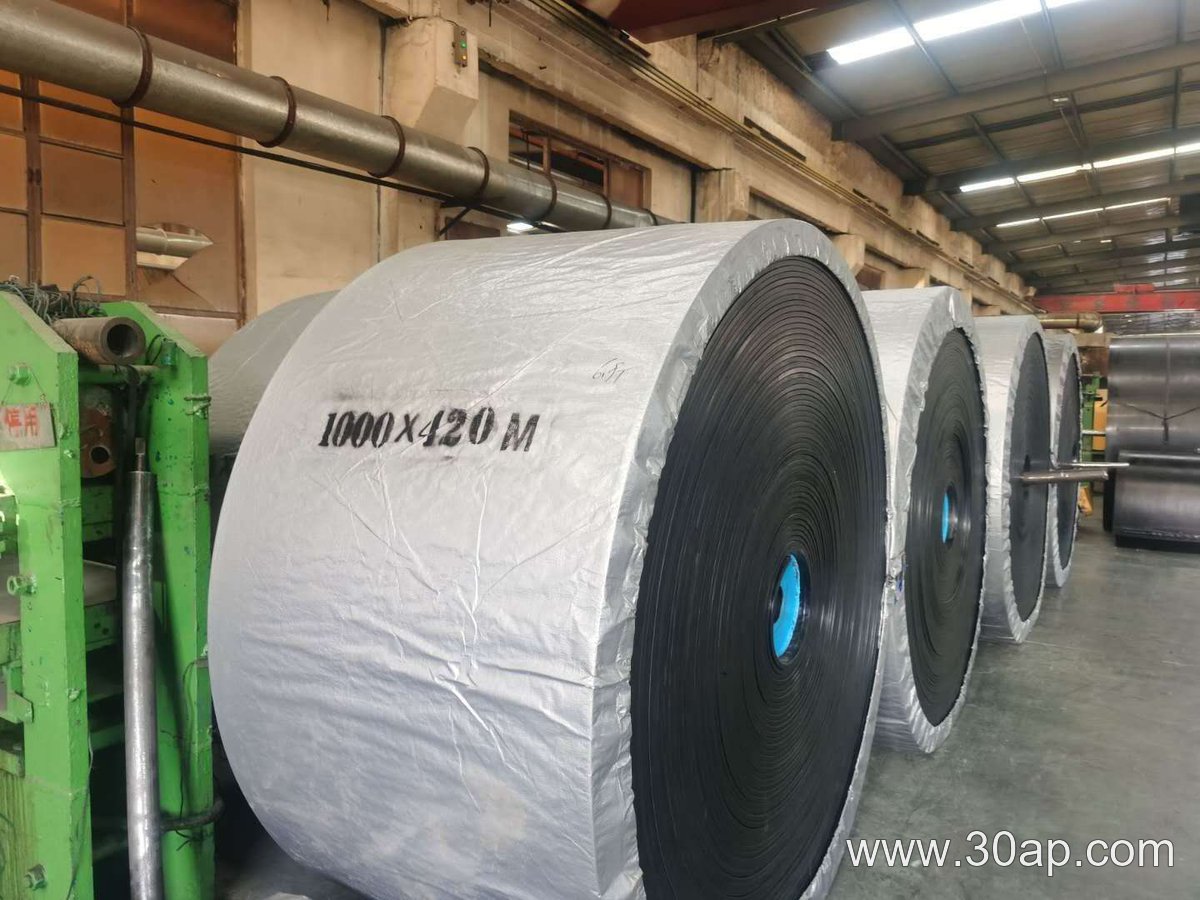
Coal conveyor belts appear in power plants, coal preparation plants, port terminals, stockyards, and mine surface operations. They handle lump coal, fines, and blended products. In some plants, the same belt line may also carry ash or other bulk materials, but the belt specification should match the most demanding condition. A belt rated for coal may not be suitable for hot clinker or sharp-edged rock without a different cover compound.
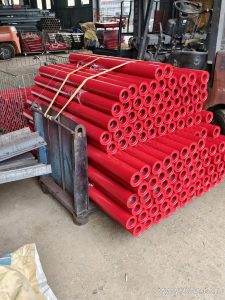
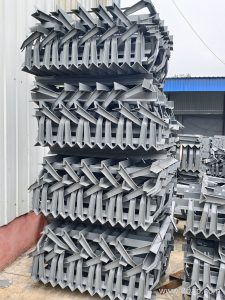
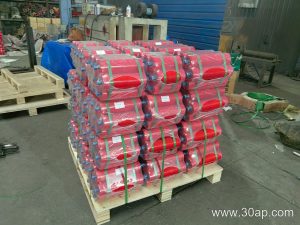
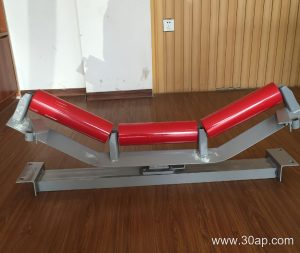
Supporting equipment matters as much as the belt. Idler rollers carry the belt and help maintain trough shape. A conveyor pulley at the head end transfers motion. Conveyor brackets hold idlers and frame sections in place. If these components are misaligned or worn, the belt may edge-damage, mistrack, or fail prematurely even if the belt itself is well made.
What a Buyer Should Check
- Confirm the actual duty: coal type, lump size, drop height, and whether the surface is wet or dry.
- Check whether fire resistance or antistatic properties are required by the site, and ask for the relevant belt type rather than assuming a standard rubber belt will do.
- Review the strength grade against the calculated tension, not against a rule of thumb from a different conveyor.
- Match cover thickness to abrasion and impact conditions; thicker is not always better if flexibility or pulley diameter is limited.
- Verify belt width, carcass layers, and cover compound as a set, and ask the supplier to confirm the pulley and idler dimensions separately.
- Discuss splice type and edge condition, because a coal conveyor belt is only as strong as its joint and its edges.
Selection is a design exercise, not a catalogue pick. The right coal conveyor belt for one plant may be the wrong choice for another with different tonnage, incline, or environmental conditions. Use the reference values as a starting point, then confirm every dimension and compound with the actual conveyor layout and the supplier’s technical data.