What a 1000mm Drive Pulley Is and Where It Fits
A 1000mm drive pulley is the head pulley that transmits torque from the gearbox to the conveyor belt. In many plants it is simply called the drive drum or head drum, but on a conveyor it is the powered pulley at the discharge end. The 1000mm figure refers to the outside diameter of the drum shell, not the belt width. This is an important distinction, because a 1000mm drive pulley can be paired with different belt widths depending on the conveyor design. You might see it on a B1000 belt or on a wider B1400 system, but the diameter and belt width are not locked together. The correct combination comes from belt tension, wrap angle, torque and the space available at the head end.
Unlike a tail pulley or a bend pulley, the drive pulley is the only one that receives power. A tail pulley turns freely, a bend pulley changes belt direction, and a snub pulley increases wrap. None of those can replace a drive pulley, because they do not carry the same torque load or shaft connection. When you specify a 1000mm drive pulley, you are choosing a powered component, not a passive roller.
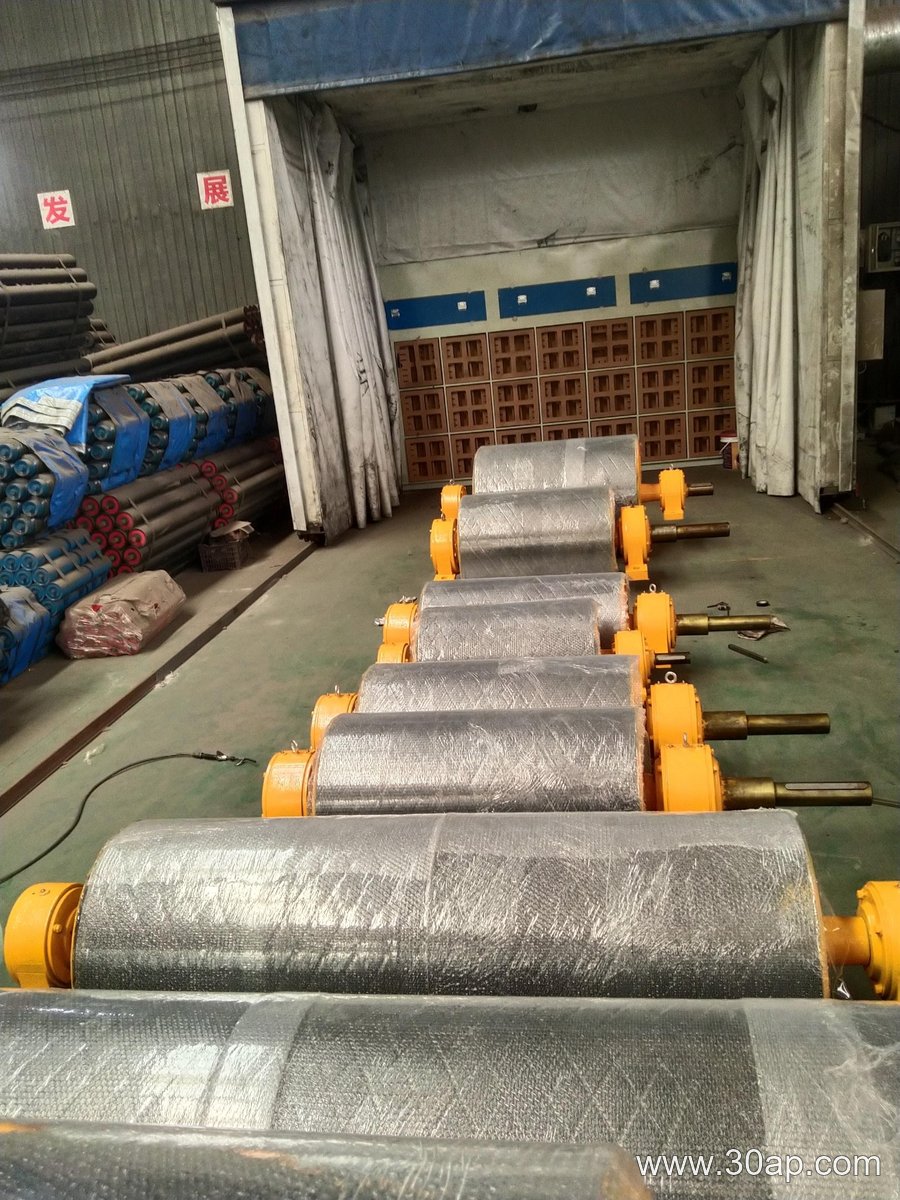
Construction and Standard Features
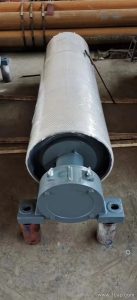
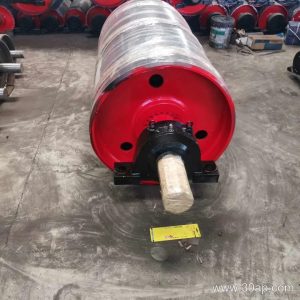
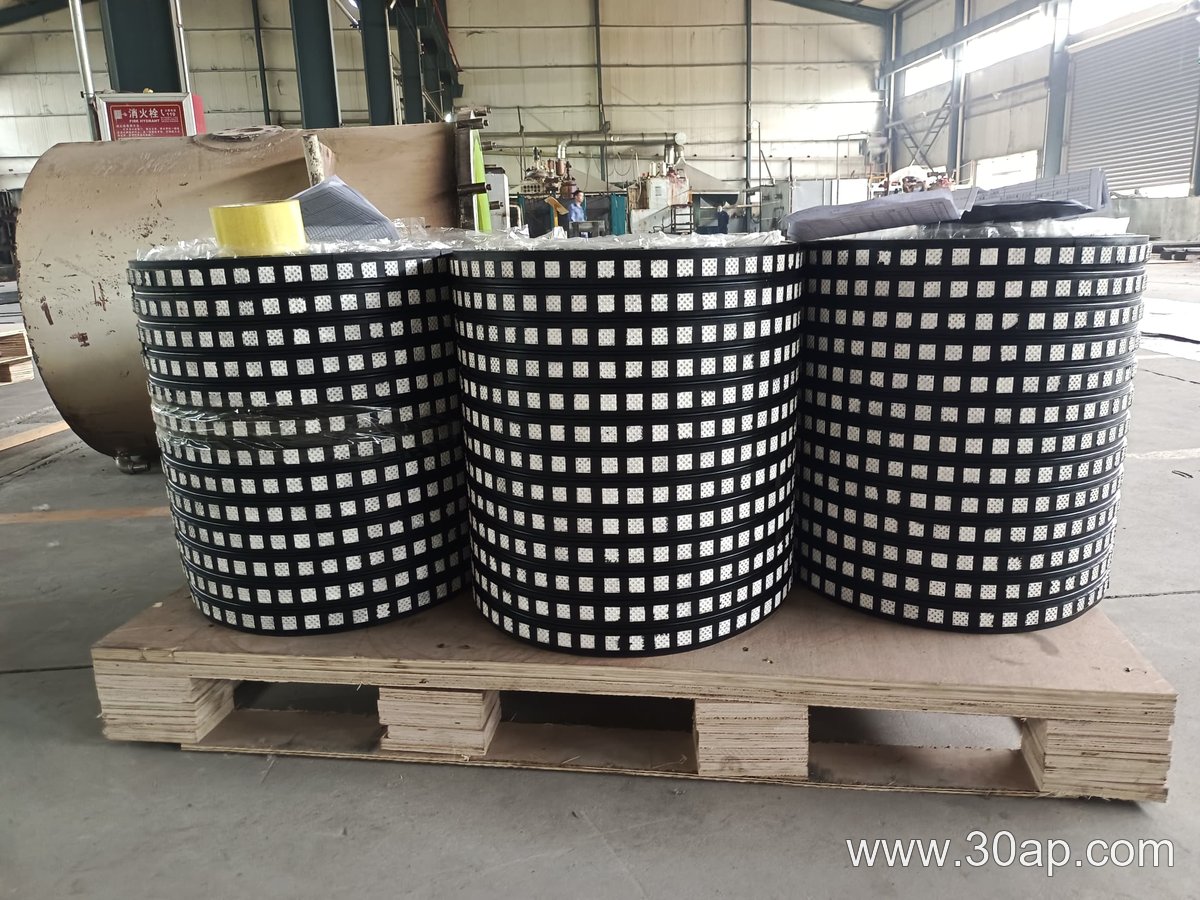
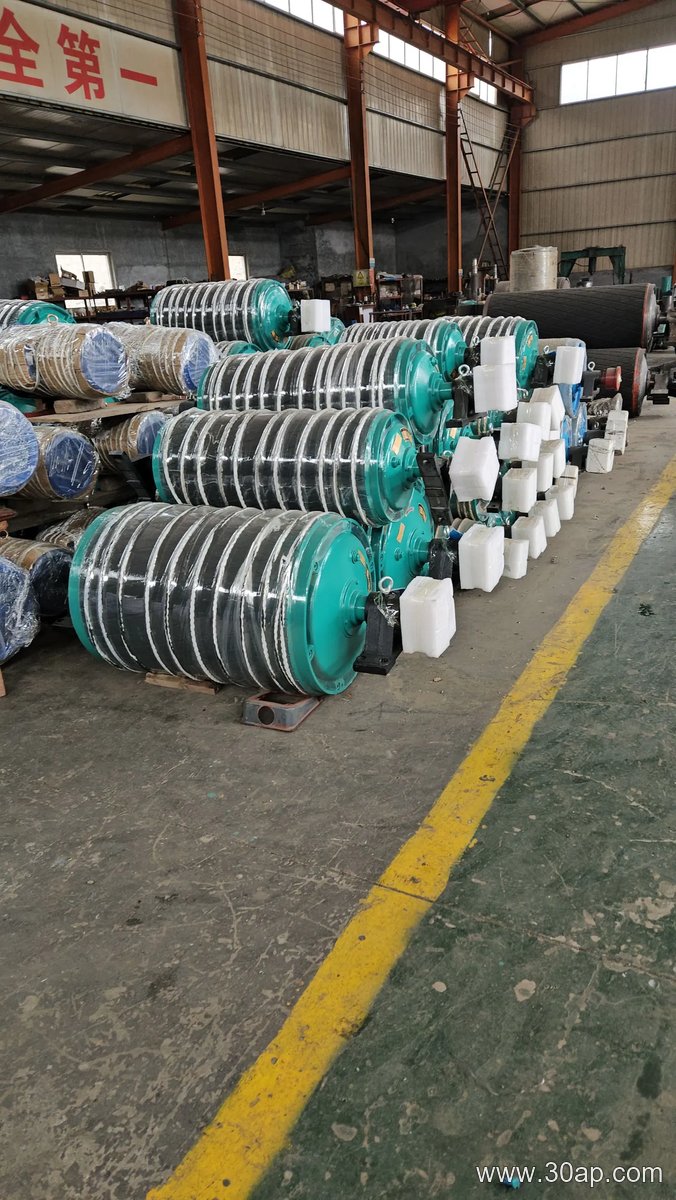
The typical 1000mm drive pulley is built from a rolled steel shell, two end discs, a hub and a through shaft. The shell is machined to a slight crown or left cylindrical, depending on the belt tracking requirement. Surface finish matters as much as geometry. Common surface options include plain steel, cold bonded rubber, hot vulcanized rubber, diamond grooving, herringbone grooving, ceramic lagging and flat rubber. Lagging thickness is often 8 mm, 10 mm, 12 mm, 15 mm or 20 mm, selected for grip and wear life rather than appearance.
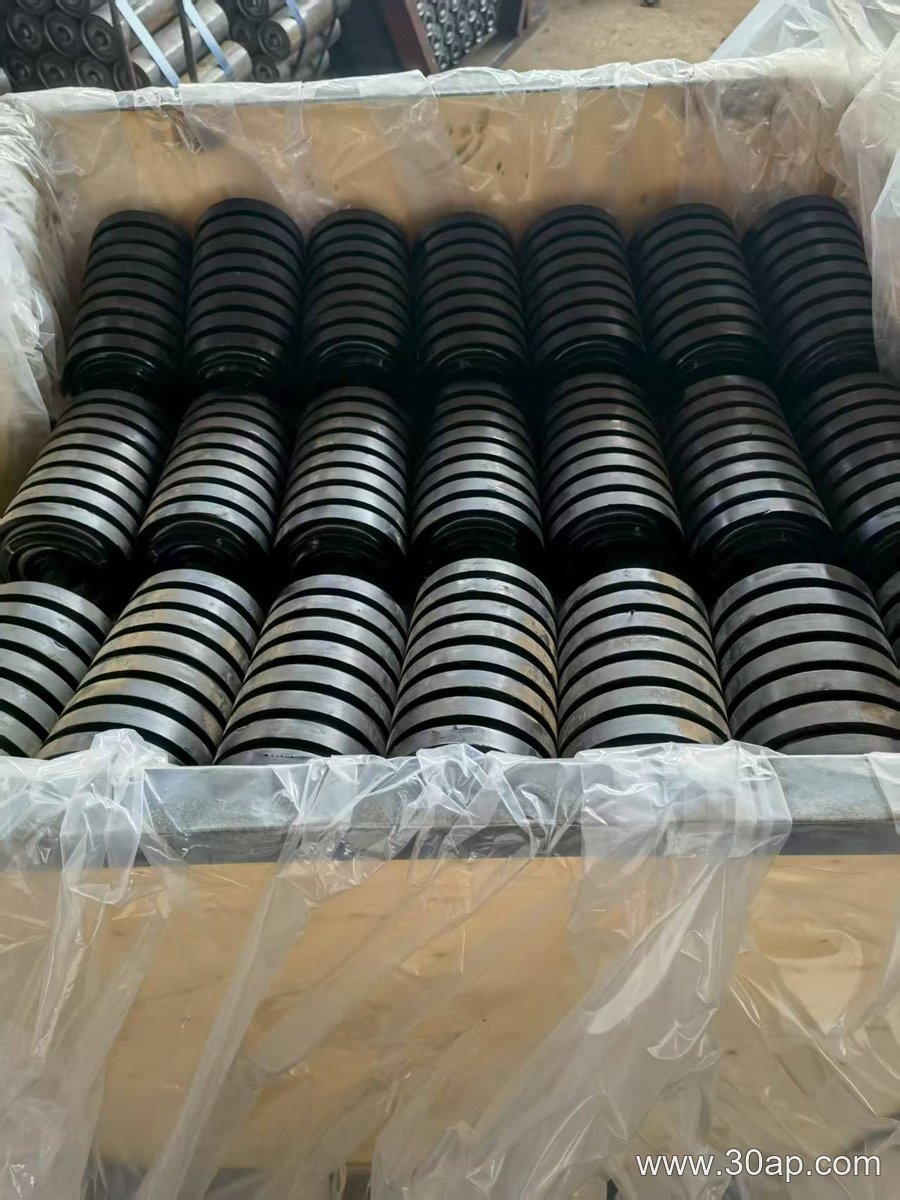
Shaft diameter is determined by torque and bending load, not by belt width alone. A 1000mm drive pulley might use a Ø100, Ø120, Ø140, Ø160 or larger shaft, but the final size should come from the drive calculation. Bearing selection, keyway size and locking assembly follow the same rule. The pulley face width is usually wider than the belt. For a B1000 conveyor, the face is often around 1150 mm, but this is a common reference, not a fixed rule.
Typical Applications and Duty
You will find a 1000mm drive pulley in heavy duty positions such as a primary crusher discharge, a limestone quarry conveyor, a coal handling system at a power plant or a port bulk terminal. It also appears in smaller aggregate lines where the belt is wide but the head end is compact. In a crushing and screening plant, the drive pulley often works with a conveyor belt that carries sharp rock, so lagging and shell thickness matter. In a coal yard, the same diameter may be chosen for high tension and long center distance.
Because the drive pulley is at the head end, it usually sits near the discharge chute and the conveyor bracket that supports the bearing housings. The take up may be at the tail, but the drive pulley still sees the full running tension. This is why a 1000mm drive pulley is not selected by diameter alone. The engineer checks the belt width, the motor power, the speed, the wrap angle and the starting torque.
Specifications a Buyer Should Confirm
When requesting a quotation, provide the following data. Do not assume a standard size will fit every project.
- Belt width, such as B800, B1000, B1200 or B1400
- Pulley diameter, for example Ø800, Ø1000, Ø1250 or Ø1400
- Face width, often about 150 mm wider than the belt
- Shaft diameter and material, such as Ø120 or Ø160
- Surface type: plain, rubber lagged, diamond or ceramic
- Lagging thickness: 8, 10, 12, 15 or 20 mm
- Bearing type and housing style
- Duty: continuous, intermittent, dusty or wet
A common specification might read: 1000mm drive pulley, B1200 belt, face width 1400 mm, shaft Ø140, diamond rubber lagging 12 mm. Another project may use the same 1000mm diameter with a B1000 belt and a 1150 mm face. Both are valid if the torque and tension calculations support them.
Selection and Maintenance Notes
Do not choose a 1000mm drive pulley simply because the belt is 1000 mm wide. The diameter affects belt life, wrap angle and the bending stress on the belt. A larger diameter reduces belt bending stress but takes more space. A smaller diameter saves space but increases stress. The drive pulley also needs proper alignment with the idler roller and the tail pulley. Misalignment causes belt tracking problems and edge wear.
During maintenance, check lagging wear, shaft deflection, bearing temperature and keyway condition. Replace lagging before the shell is exposed. If the drive pulley is part of a high tension system, inspect the locking assembly and the conveyor bracket for cracks. A 1000mm drive pulley is a long term investment, so the selection should be based on the actual conveyor duty, not on a catalog guess.