What an Oil Resistant Conveyor Belt Is
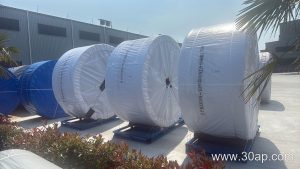
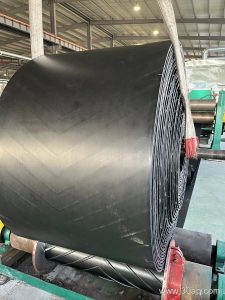
An oil resistant conveyor belt is a rubber-covered conveyor belt designed to resist swelling, hardening, and cracking when it carries materials that contain mineral oil, vegetable oil, animal fat, or grease. On a standard belt, oil gradually penetrates the cover compound, softens the rubber, and shortens service life. The oil resistant version uses a cover compound formulated to slow that penetration, so the belt keeps its shape and grip for a longer period. It is also known as an oil-proof conveyor belt, and both names describe the same product. It is not a replacement for heat resistant, flame retardant, or abrasion resistant belts, which solve different problems.
How the Belt Is Built
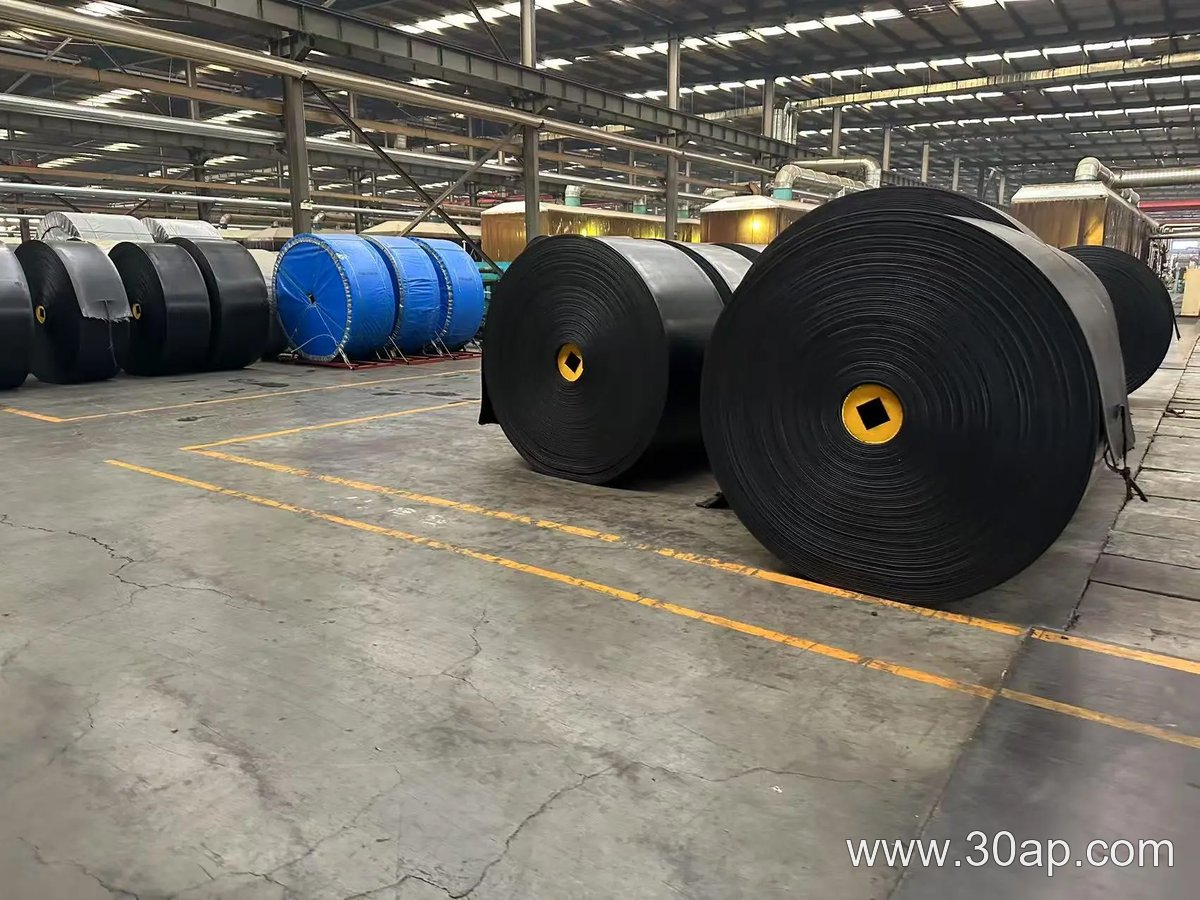
The construction follows the same logic as other rubber conveyor belts. A carcass carries the load and resists tension, while cover rubber on the top and bottom protects the carcass from the material and the environment.
- Top cover: oil resistant rubber compound, usually the thickest layer because it contacts the greasy material.
- Bottom cover: oil resistant compound as well, or a thinner grade depending on the application.
- Carcass: EP fabric, NN nylon fabric, or steel cord, depending on the required tensile strength.
- Edge: cut edges or molded edges, chosen according to the conveyor structure.
Typical cover thickness combinations include 3+1.5 mm, 4+2 mm, 5+2 mm, 6+2 mm, and 8+3 mm. The carcass normally has 2 to 6 fabric plies. For heavy loads, a steel cord carcass may be used instead of fabric plies, and this is a different product family, so it should be selected only when the duty really requires it.
Common Specifications
The table below lists reference values that buyers often see in catalogs. Actual availability depends on the manufacturer and the design of the conveyor.
| Item | Common Range |
|---|---|
| Belt type | EP, NN nylon, steel cord |
| Tensile strength | EP200, EP315, EP400, EP500, EP630, EP800, EP1000 |
| Belt width | B500, B650, B800, B1000, B1200, B1400 |
| Cover thickness | 3+1.5 mm, 4+2 mm, 5+2 mm, 6+2 mm |
| Number of plies | 2 to 6 |
Width and pulley diameter are separate design choices. A wider belt does not automatically require one specific pulley size, and the shaft diameter should be calculated from the load, not guessed from the belt width.
Where It Is Used
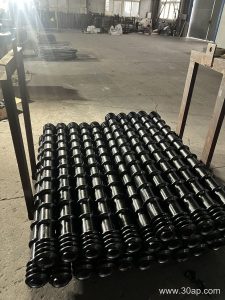
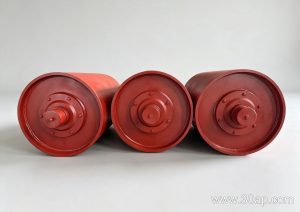
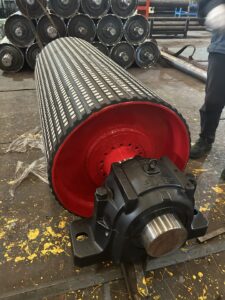
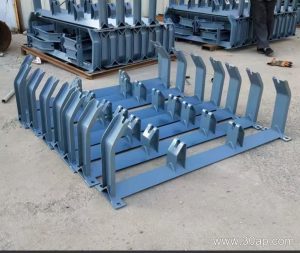
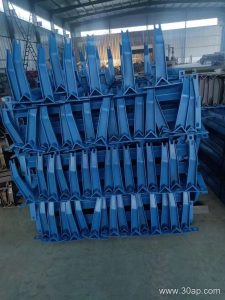
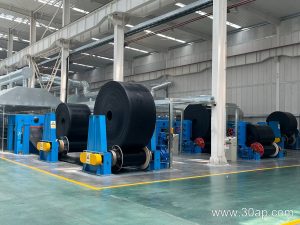
This belt suits conveying lines that handle oily or fatty materials. Examples include grain and oilseed processing, edible oil plants, animal feed lines, waste sorting, scrap handling, and workshops where machine oil drips onto the belt. It also appears in parts of the food industry where vegetable oils are present, although food-grade requirements may call for a different compound. In these systems, the belt runs over idler rollers, wraps around a conveyor pulley at the head and tail, and is supported by a conveyor bracket fixed to the frame. The oil resistance protects the cover, but it does not remove the need for good alignment of those components.
What a Buyer Should Check
- Material type: mineral oil, vegetable oil, and animal fat affect rubber differently, so describe the actual substance.
- Temperature: oil resistance and heat resistance are separate properties, and a hot oily load may need a compound that handles both.
- Cover thickness: thicker covers last longer under abrasion, but they also add weight and affect pulley diameter.
- Cleaning method: scrapers and brushes should match the cover compound to avoid damage.
- Storage: keep spare belts away from direct sunlight, ozone sources, and oil spills.
Selection and Maintenance Notes
Choose the carcass from the maximum belt tension, not from the material alone. EP and NN nylon carcasses are common for general duty, while steel cord is reserved for long distances and high tension. Match the belt width to the conveyor frame and to the material load, then confirm the pulley diameter with the belt manufacturer. During operation, check that the belt tracks centrally, that idler rollers turn freely, and that no oil pools on the return run. Small oil stains on the cover are normal in this service, but deep cracks or soft spots mean the belt should be inspected and possibly replaced. A correctly selected oil resistant conveyor belt reduces downtime and keeps greasy material moving without damaging the carcass underneath.